
The civic record
Read. Follow. Verify.Iowa Senate Bill 2239 creates a state-administered paid family and medical leave insurance program funded by…
Last action · February 12, 2026: Subcommittee: Driscoll, Donahue, and Schultz. S.J. 277 .Sponsors: Matt Blake and 15 others
Track this bill to get notified when it advances a stage. One tap to stop, anytime.
What This Bill Would Do
Senate File 2239 establishes a state-administered paid family and medical leave insurance program under the Department of Workforce Development, providing eligible employees with job-protected paid leave starting January 1, 2031. s and employees will pay a combined initial premium rate of four-tenths of one percent beginning January 1, 2030, to fund the program.
Eligible workers taking leave for serious health conditions, newborn or adoptive child bonding, or military family exigencies will receive up to 80 percent of their , capped at twice the statewide average weekly wage, with employers required to hold jobs open and maintain employment protections.
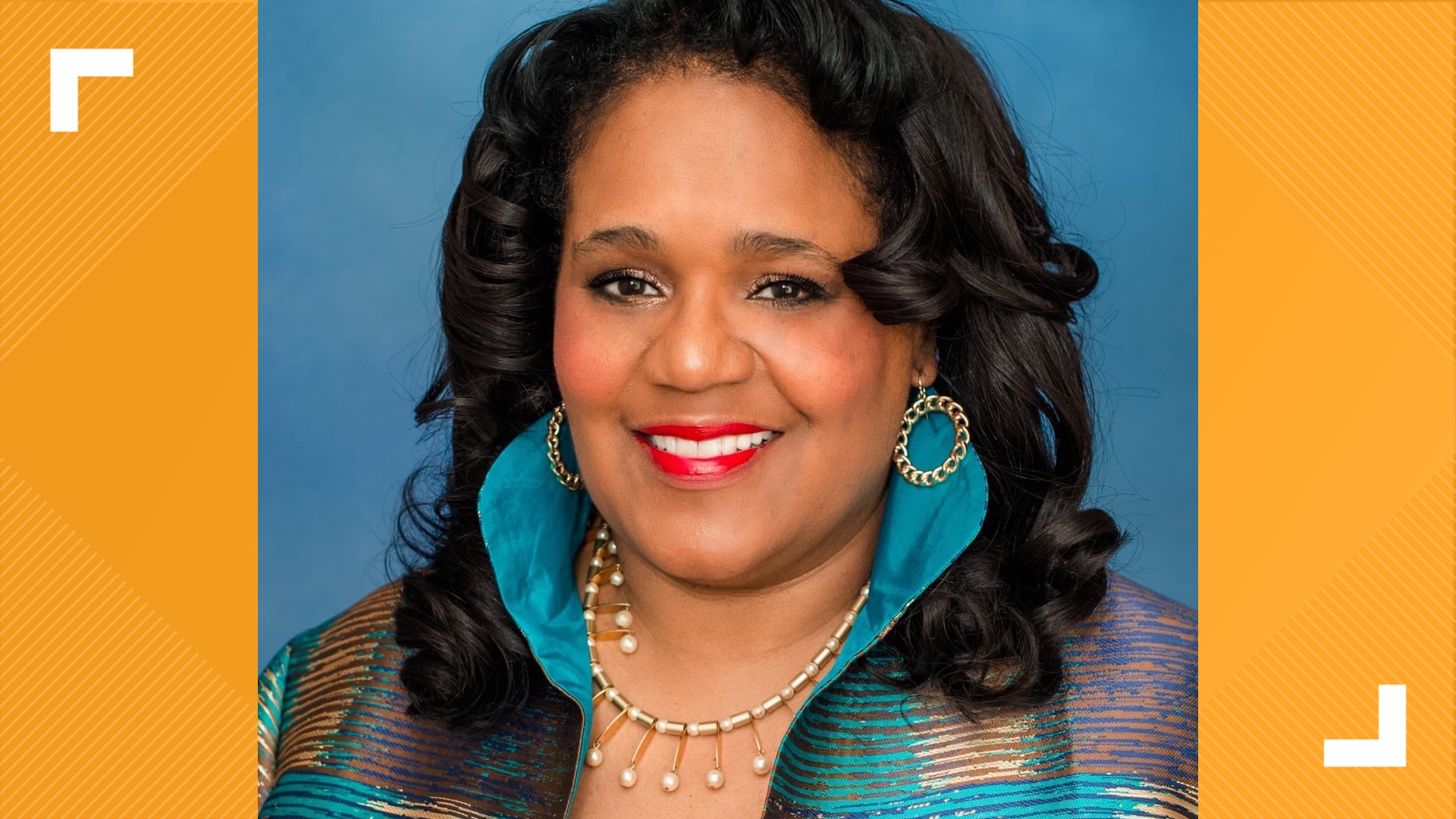
- Trone Garriott is a recognized state legislator in Iowa who has advocated for labor and family-support policies. context
- State-administered paid family and medical leave programs establish social insurance pools funded by payroll deductions to provide wage replacement during major medical or caregiving events. context
Who It Would Affect
Groups the bill's text would affect if enacted, as described in the record. Being affected is not a position for or against it.
Eligible employees
Employees meeting work-hour and tenure thresholds gain access to paid, job-protected family and medical leave with wage replacement.
Covered employers
Employers must collect payroll premiums, pay a 55 percent premium share, submit reports, and restore employees to equivalent positions upon leave completion.
Self-employed persons
Self-employed individuals may elect to participate in the program by paying 100 percent of premiums and fulfilling minimum participation periods.
Key Facts
- Beginning January 1, 2030, and ending December 31, 2031, the department shall assess a total premium rate of four-tenths of one percent of an employee's wages, with one-third allocated for family leave and two-thirds for medical leave.
- Covered employers may deduct up to 45 percent of the required premiums from employee wages, while paying the remaining 55 percent themselves.
- Family leave and medical leave insurance benefits become payable to eligible employees starting January 1, 2031.
- To be eligible, an employee must have worked for a covered employer for a minimum of 12 consecutive months and at least 1,250 hours during that period.
Show all 10 facts
- Eligible employees are entitled to a maximum of 12 weeks of family leave, 12 weeks of medical leave, or a combined total of 16 weeks in a 12-month period.
- Weekly benefit amounts equal 80 percent of an employee's spendable weekly earnings, capped at 200 percent of the statewide average weekly wage.
- A waiting period of the first seven calendar days applies to leave benefits, except for leave due to the birth or placement of a child.
- Self-employed persons may elect to participate in the program under specified multi-year participation requirements, paying 100 percent of premiums.
- Employers must maintain existing health benefits during leave and restore employees to the same or an equivalent position upon return, consistent with FMLA standards.
- The director of the department of workforce development must submit a funding and solvency analysis report to the general assembly by January 12, 2027.
Frequently Asked Questions
Who is considered a covered employer under this bill?
How are the program's premium costs split between employers and employees?
What is the maximum amount of leave an eligible employee can take?
What else do you want to know?
News Coverage
Follow the record
Votes, people, money & the original sourceWhere This Stands
Currently in committee. The next step in the legislative lifecycle is Floor Vote.
Procedural history
2 actions- Feb 12, 2026SenateSubcommittee: Driscoll, Donahue, and Schultz. S.J. 277 .
- Feb 9, 2026SenateIntroducedIntroduced, referred to Workforce. S.J. 224 .
Version history
Only one version on file - nothing to compare yet. As later stages (committee substitute, engrossed, enrolled) are captured, the redline appears here.
View official text →Lobbying Activity
No state lobbying filings in our records match this bill. Federal lobbying reports (LDA) cover Congress, so they are not listed on state bills.
Full breakdown
Who this bill affects and the strongest case for and against it, written only from the bill’s own text.
Sponsors

Show 11 more sponsors
Discoveries
Patterns POLISCOPE noticed across the record. These are observations to investigate, not conclusions.
Creation of State-Administered Paid Leave
The bill shifts Iowa toward a state-managed social insurance model for family and medical leave, mirroring programs adopted in several other states.
Connected Entities
Sources
www.legis.iowa.gov
Analysis Score
0–100- Significance85How much this matters to a regular citizen
- Controversy75Intensity of disagreement among stakeholders
- Entertainment10Compellingness for a non-policy-wonk reader
- Buzz60Current news / social attention level
Publisher tools