
NewsSan Francisco Bay Times (LGBTQ)November 20, 2026San Francisco County
Interview with Historian Susan Stryker on Her New Book 'Changing Gender'
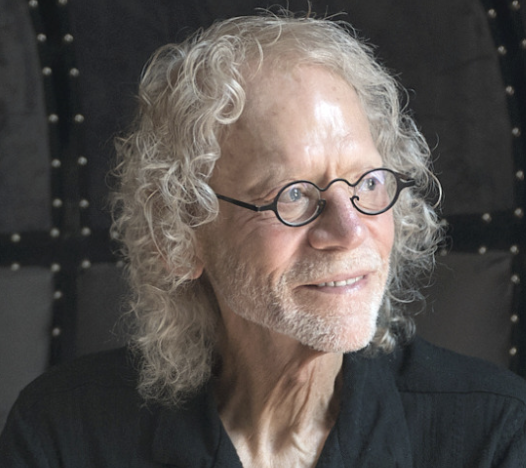
Photo: San Francisco Bay Times (LGBTQ)
Historian and author Susan Stryker discusses her new book, Changing Gender: The History and Future of a Concept, exploring how the framework of gender has evolved and how historical perspectives can challenge rigid societal assumptions. In an interview with Tom LeNoble and Suzanne Ford, Stryker reflects on the evolution of transgender history, communication across ideological divides, and the changing cultural and economic landscape of San Francisco over the past 43 years.
Read the full story at San Francisco Bay Times (LGBTQ)Why It Matters
The interview examines how historical understanding of gender shapes modern social categories, public policy debates, and the cultural evolution of major urban centers like San Francisco amid increasing economic homogenization.
Key Facts
- Susan Stryker authored a new book titled Changing Gender: The History and Future of a Concept.
- The book focuses on the framework and history of the concept of gender rather than solely compiling historical narratives.
- Stryker notes that San Francisco has transformed over her 43 years in the city into a much more homogeneous and wealthier place.
- Stryker argues that while biological differences exist, the social categories and uses made of biology are constructed by history.
- The interview discusses the challenges of communicating across deep political and ideological divides regarding gender issues.
Who's Mentioned
OrganizationStanford“Location of an encounter involving opposing perspectives on gender.”PersonSuzanne Ford“Contributor to the article who asks questions in the interview.”PersonTom LeNoble“Interviewer and contributor to the article.”locationNew York“City referenced in comparison to San Francisco's history.”PersonSusan Stryker“Historian, author, filmmaker, educator, and activist featured in the interview.”locationSan Francisco“City discussed regarding its LGBTQ+ history and changes over the past 43 years.”