
The civic record
Read. Follow. Verify.Michigan requires state licenses and safety standards for freestanding hyperbaric oxygen therapy facilities
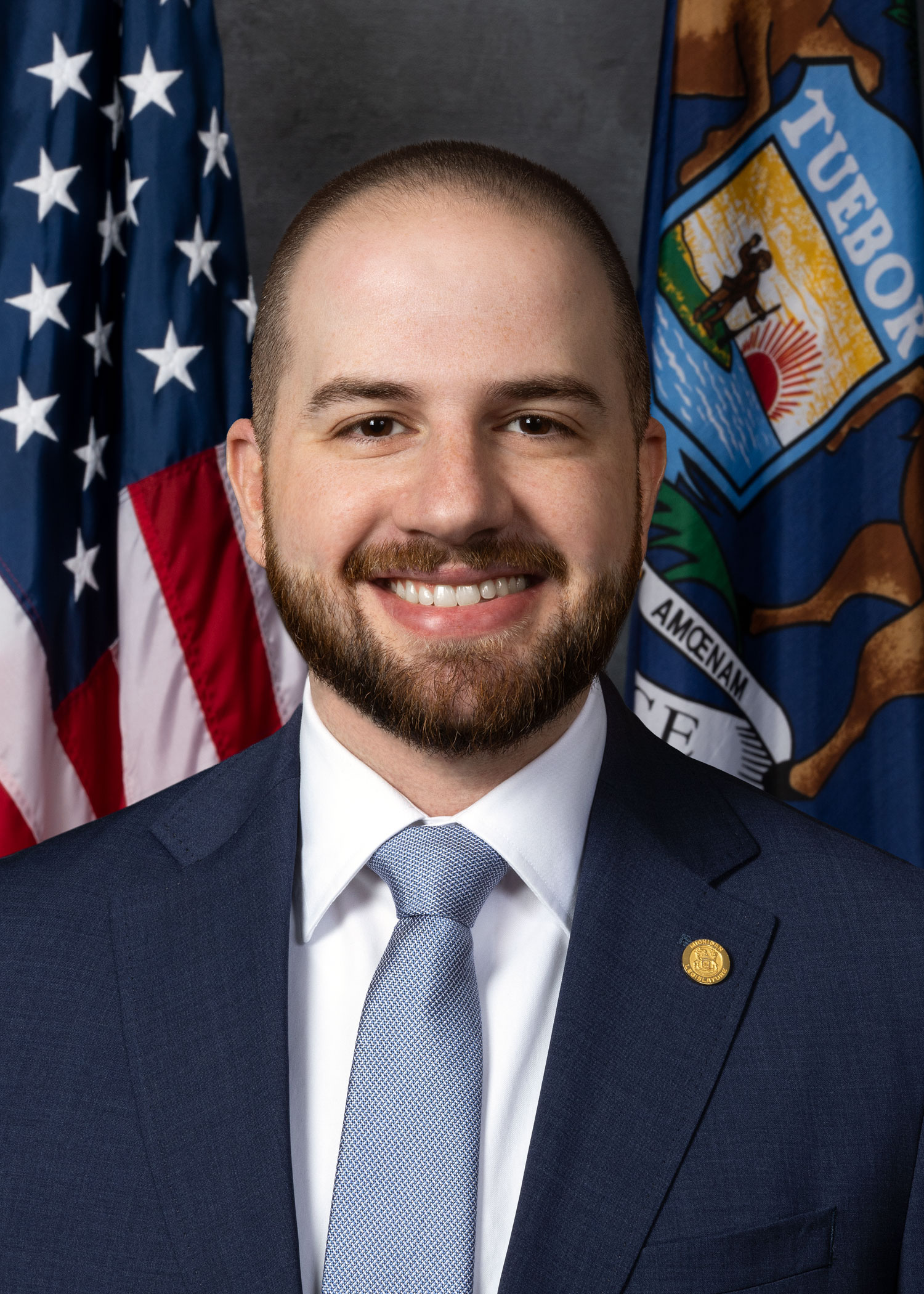
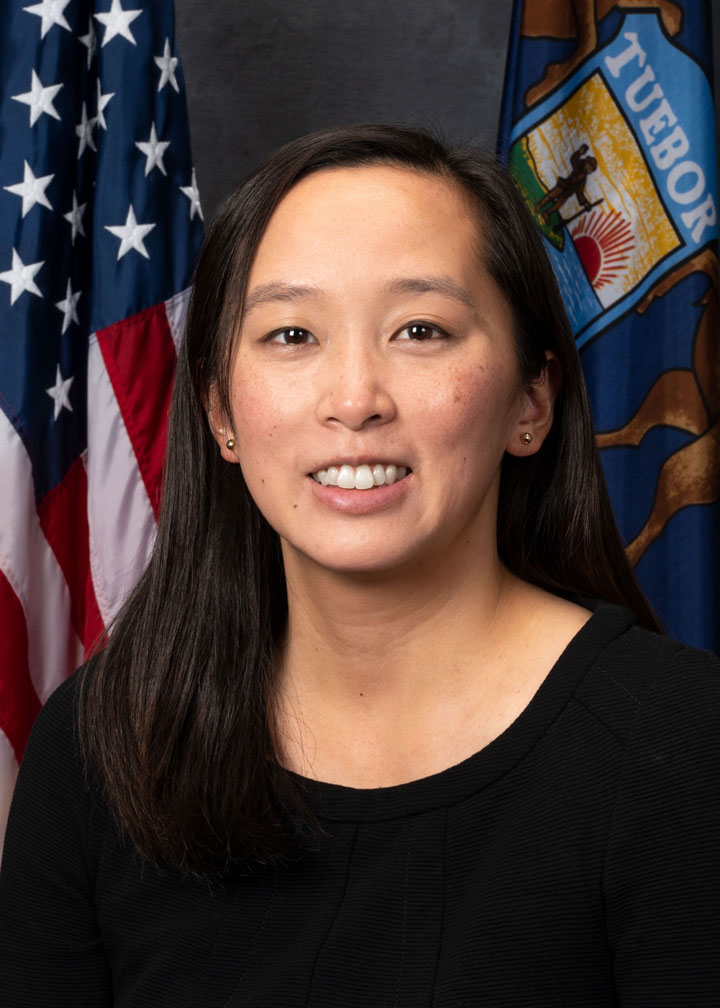
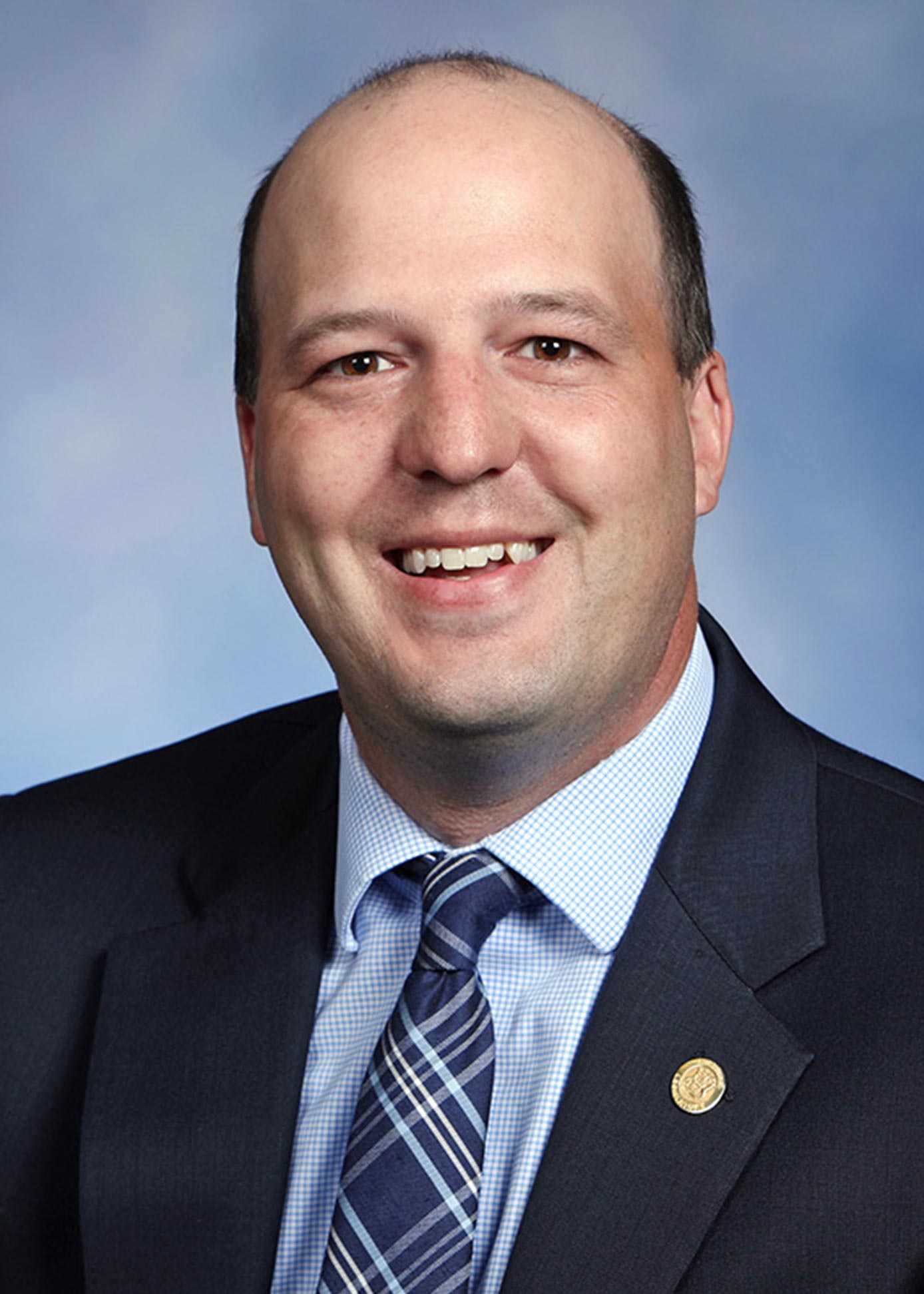
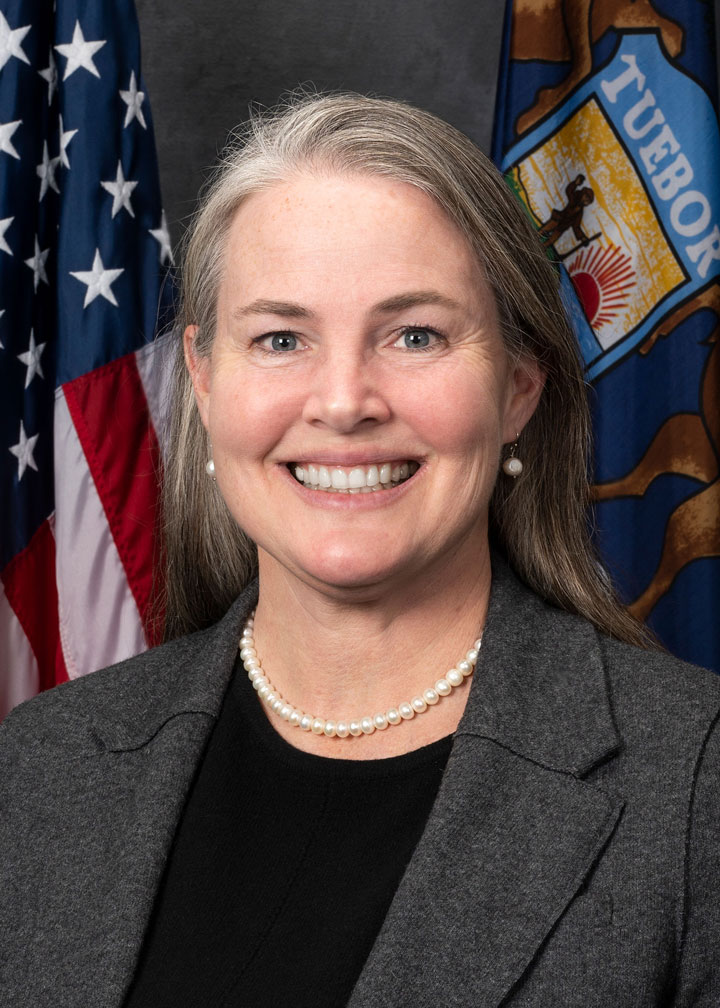
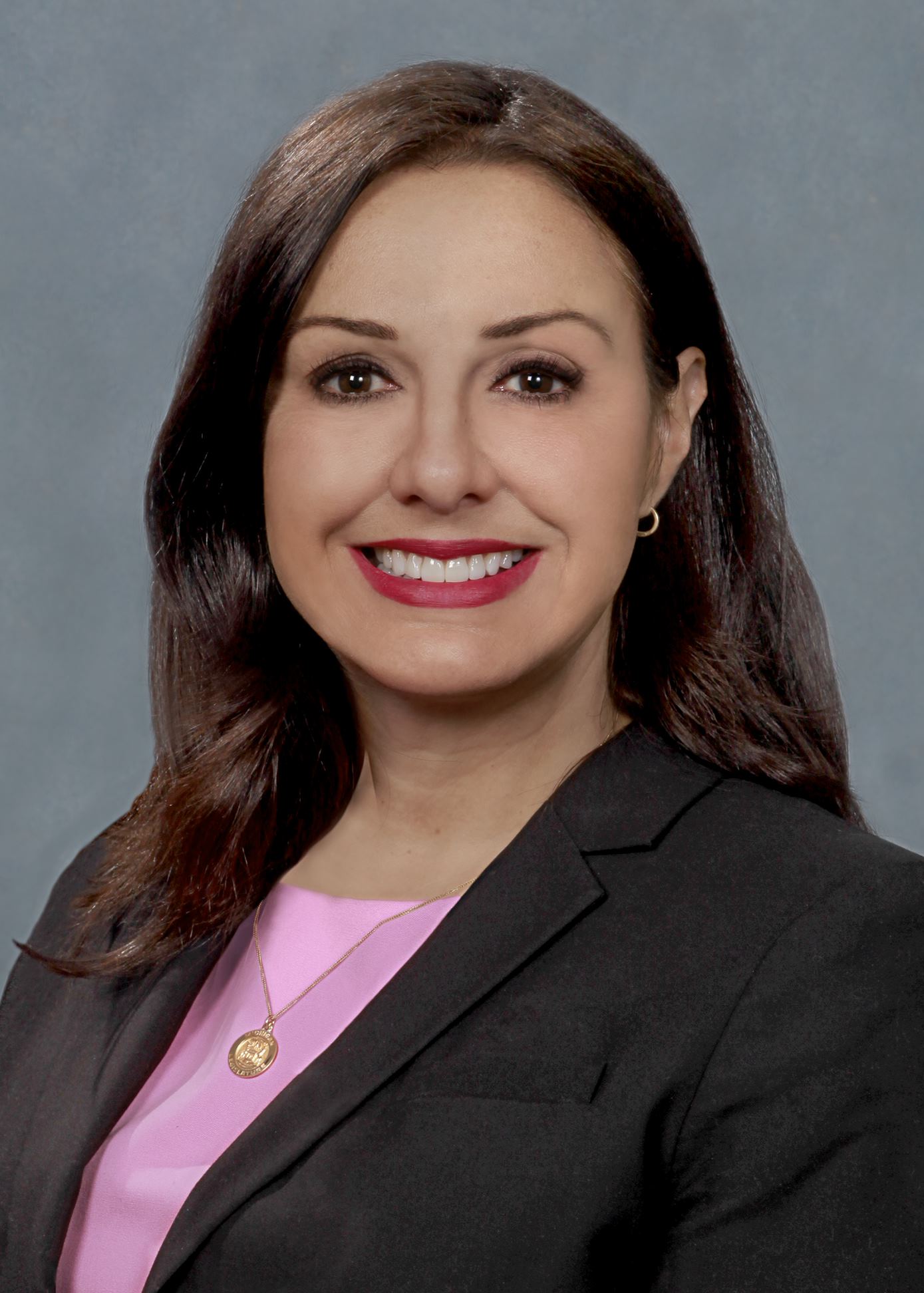
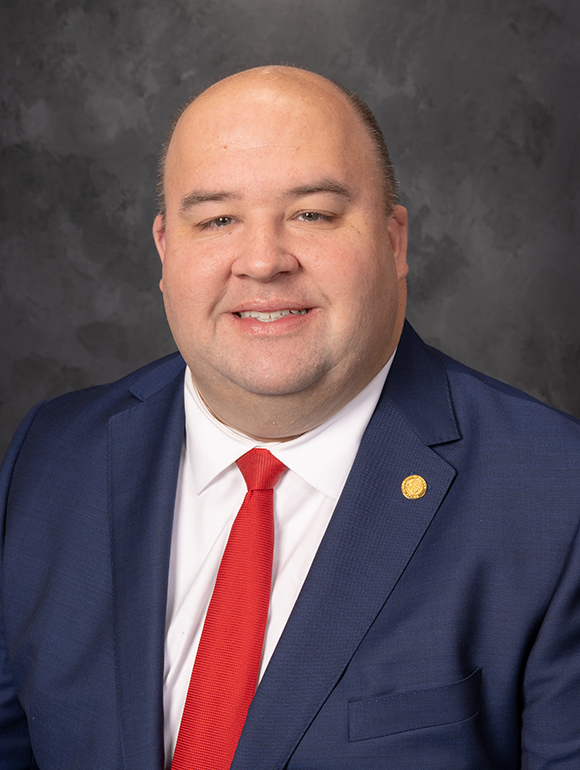
Last action · February 26, 2026: REFERRED TO COMMITTEE ON HEALTH POLICYSponsors: Jeremy Moss and 9 others
Track this bill to get notified when it advances a stage. One tap to stop, anytime.
What This Bill Would Do
Senate Bill 805 requires freestanding hyperbaric oxygen therapy facilities in Michigan to be licensed by the state and comply with strict safety, staffing, and accreditation standards. The measure mandates qualified medical directors and safety coordinators, patient disclosure of risks and FDA approvals, and sets a two-year delay before enforcement begins.
Operators of freestanding hyperbaric oxygen facilities must obtain state licensure, meet national safety standards, and provide mandatory risk disclosures to patients, while patients gain guaranteed access to facility accreditation details and FDA-approved therapy guidelines.
- Hyperbaric oxygen therapy involves breathing pure oxygen in a pressurized room or chamber, which increases the amount of oxygen in the blood and is used to treat specific medical conditions. context
- The National Fire Protection Association (NFPA) publishes NFPA 99, the Health Care Facilities Code, which establishes baseline criteria for fire, electrical, and life safety in healthcare settings including hyperbaric facilities. context
Who It Would Affect
Groups the bill's text would affect if enacted, as described in the record. Being affected is not a position for or against it.
Freestanding hyperbaric oxygen therapy facility owners and operators
Owners and operators must secure state licenses, meet NFPA 99 and ASME standards, appoint medical directors and safety coordinators, and maintain public disclosure requirements.
Patients receiving hyperbaric oxygen therapy
Patients receive mandatory risk disclosures, insurance notices, and access to facility accreditation records and safety protocols.
Michigan Department of Licensing and Regulatory Affairs
The department is tasked with granting licenses and temporary permits, promulgating rules, maintaining public licensee lists, and enforcing the new statutory requirements after a two-year delay.
Key Facts
You don't have to trust us. Each fact below is taken straight from the official document - click any one to see the exact passage, highlighted in the original.
Frequently Asked Questions
What qualifications must a medical director have under this bill?
Are existing facilities forced to comply immediately once the bill passes?
What information must be provided to patients before receiving hyperbaric treatment?
What else do you want to know?
News Coverage
Follow the record
Votes, people, money & the original sourceWhere This Stands
Currently in committee. The next step in the legislative lifecycle is Floor Vote.
Procedural history
2 actions- Feb 26, 2026SenateCommitteeREFERRED TO COMMITTEE ON HEALTH POLICY
- Feb 26, 2026SenateIntroducedINTRODUCED BY SENATOR JEREMY MOSS
Version history
Only one version on file - nothing to compare yet. As later stages (committee substitute, engrossed, enrolled) are captured, the redline appears here.
View official text →Lobbying Activity
No state lobbying filings in our records match this bill. Federal lobbying reports (LDA) cover Congress, so they are not listed on state bills.
Full breakdown
Who this bill affects and the strongest case for and against it, written only from the bill’s own text.
Sponsors




Discoveries
Patterns POLISCOPE noticed across the record. These are observations to investigate, not conclusions.
Conditional Enactment Requirement
SB 805 is legally tied to Senate Bills 803, 804, and 806, requiring all four measures to be enacted together.
Connected Entities
Sources
legislature.mi.gov
Analysis Score
0–100- Significance65How much this matters to a regular citizen
- Controversy15Intensity of disagreement among stakeholders
- Entertainment5Compellingness for a non-policy-wonk reader
- Buzz25Current news / social attention level
Publisher tools