
The civic record
Read. Follow. Verify.House Passes Ratepayer Protection Act Requiring Data Centers to Cover Full Grid Upgrade Costs
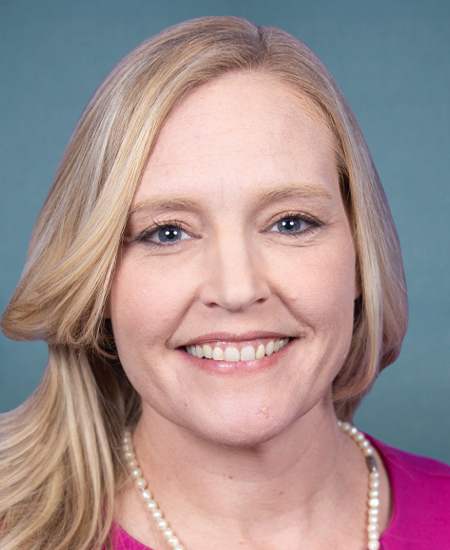
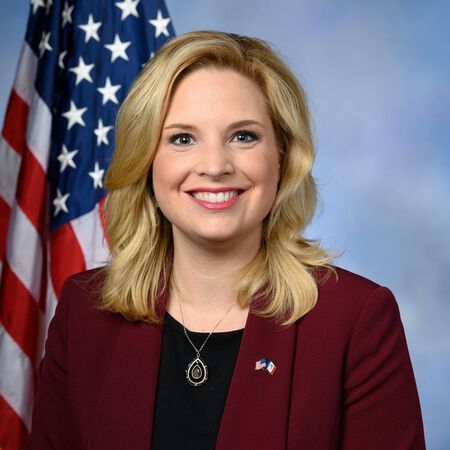
Last action · September 17, 2026: Received in the Senate.Sponsors: Gabe Evans and 42 others
Track this bill to get notified when it advances a stage. One tap to stop, anytime.
What This Bill Would Do
The House passed H.R. 9340, requiring state utility regulators and electric utilities to consider adopting a federal standard that shifts the full cost of electrical grid upgrades onto large-load data centers with a peak demand of 100 megawatts or more. Under the measure, electric utilities must collect or contributions before beginning any generation, transmission, or distribution upgrades needed to serve these large customers. State regulatory authorities and nonregulated utilities must begin considering this standard within one year and complete their determinations within two years of enactment.
Everyday electricity consumers face potential rate increases when massive power infrastructure is built to support high-demand facilities like data centers. This legislation establishes a mandatory regulatory framework to ensure that data center operators, rather than residential or commercial ratepayers, absorb the s associated with powering their operations.
- The Public Utility Regulatory Policies Act of 1978 (PURPA) was originally enacted as part of the National Energy Act to promote energy conservation, efficient utility rates, and domestic energy supply development. context
Who It Would Affect
Groups the bill's text would affect if enacted, as described in the record. Being affected is not a position for or against it.
Large-load customers
Data centers and high-capacity IT facilities with a peak demand of 100 megawatts or more must provide upfront financial assurances and cover the full incremental costs of grid upgrades.
Electric utilities
Utilities must require financial contributions from large-load consumers before building upgrades and participate in state consideration proceedings within mandated timelines.
State regulatory authorities
State utility regulators must commence consideration of the federal large-load standard within one year and finalize determinations within two years.
Residential and commercial electric consumers
Ratepayers are shielded from absorbing the infrastructure and transmission upgrade costs triggered by massive commercial data center expansions.
Key Facts
You don't have to trust us. Each fact below is taken straight from the official document - click any one to see the exact passage, highlighted in the original.
Frequently Asked Questions
What qualifies as a large-load customer under this legislation?
Are states required to immediately change their utility rates?
What else do you want to know?
News Coverage
Reader’s View: Utility Ratepayer Protection Act will short-circuit surging electric bills
U.S. Senate Candidate Sherrod Brown Echoes Democrats' Opposition To Blocked Data Centers Ratepayer Protection Act
Ratepayer Protection Act Falls Three Votes Short in Senate
Ratepayer protection act blocked by Democrats in U.S. Senate
Area Senators Lament Non Passage of the Ratepayer Protection Act
Bias ratings based on AllSides / Media Bias/Fact Check
Follow the record
Votes, people, money & the original sourceWhere This Stands
Currently passed chamber. The next step in the legislative lifecycle is Law.
Procedural history
19 actions- Sep 17, 2026SenateReceived in the Senate.
- Sep 16, 2026HouseMotion to reconsider laid on the table Agreed to without objection.
- Sep 16, 2026HouseFloorOn motion to suspend the rules and pass the bill, as amended Agreed to by the Yeas and Nays: (2/3 required): 417 - 3 (Roll no. 312). (text: CR H5656-5657)
- Sep 16, 2026HouseFloorPassed/agreed to in House: On motion to suspend the rules and pass the bill, as amended Agreed to by the Yeas and Nays: (2/3 required): 417 - 3 (Roll no. 312). (text: CR H5656-5657)
- Sep 16, 2026HouseConsidered as unfinished business.
- Sep 15, 2026HouseAt the conclusion of debate, the Yeas and Nays were demanded and ordered. Pursuant to the provisions of clause 8, rule XX, the Chair announced that further proceedings on the motion would be postponed.
Show 13 earlier actions
- Sep 15, 2026HouseDEBATE - The House proceeded with forty minutes of debate on H.R. 9340.
- Sep 15, 2026HouseConsidered under suspension of the rules. (consideration: CR H5656-5661)
- Sep 15, 2026HouseMr. Guthrie moved to suspend the rules and pass the bill, as amended.
- Sep 10, 2026HousePlaced on the Union Calendar, Calendar No. 713.
- Sep 10, 2026HouseReported (Amended) by the Committee on Energy and Commerce. H. Rept. 119-814.
- Jul 21, 2026HouseCommitteeOrdered to be Reported in the Nature of a Substitute by the Yeas and Nays: 52 - 0.
- Jul 21, 2026HouseCommittee Consideration and Mark-up Session Held
- Jul 20, 2026HouseCommittee Consideration and Mark-up Session Held
- Jun 24, 2026HouseForwarded by Subcommittee to Full Committee by Voice Vote.
- Jun 24, 2026HouseSubcommittee Consideration and Mark-up Session Held
- Jun 18, 2026HouseCommitteeReferred to the Subcommittee on Energy.
- Jun 18, 2026HouseCommitteeReferred to the House Committee on Energy and Commerce.
- Jun 18, 2026HouseIntroducedIntroduced in House
Version history
Only one version on file - nothing to compare yet. As later stages (committee substitute, engrossed, enrolled) are captured, the redline appears here.
View official text →Voting Record
On Motion to Suspend the Rules and Pass, as Amended
Total
432
- Yes
- 417
- No
- 3
- Present
- 0
- Not voting
- 12
- Abstain
- 0
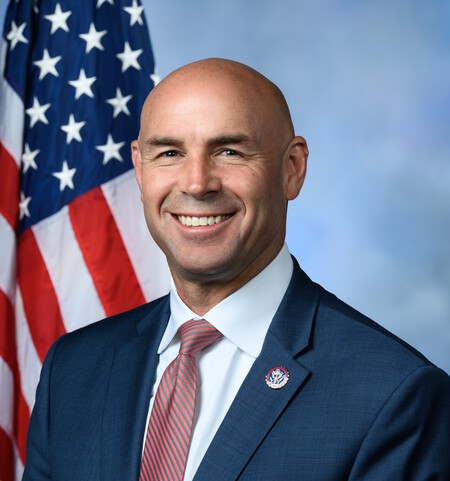
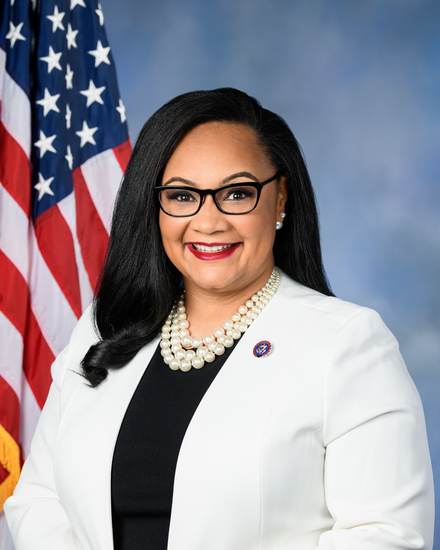
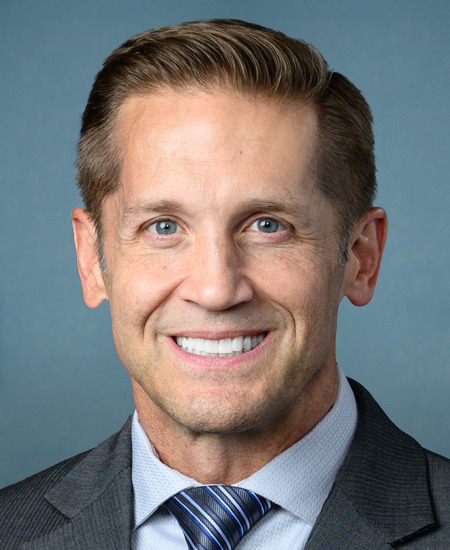
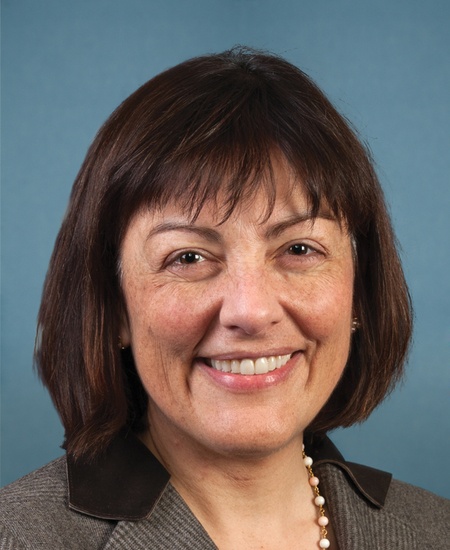
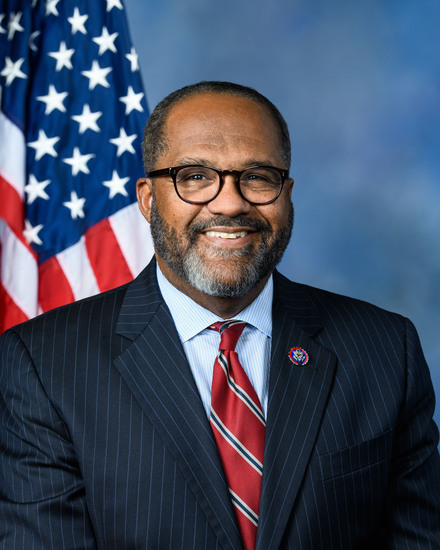
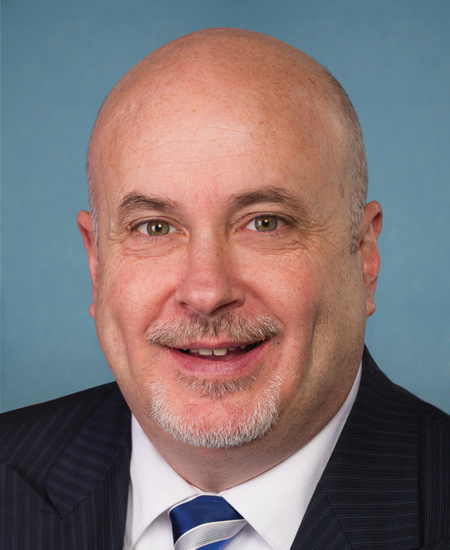
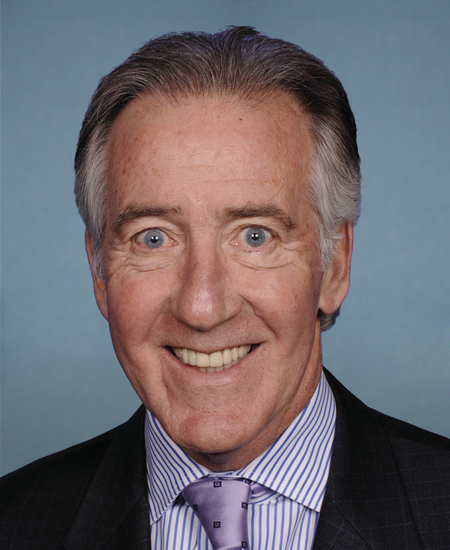
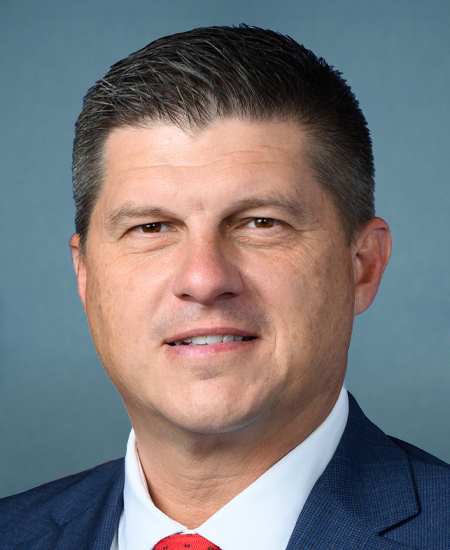
How they voted (424)











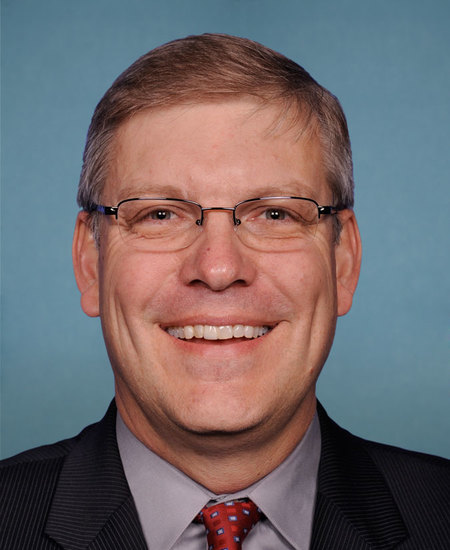
400 more members
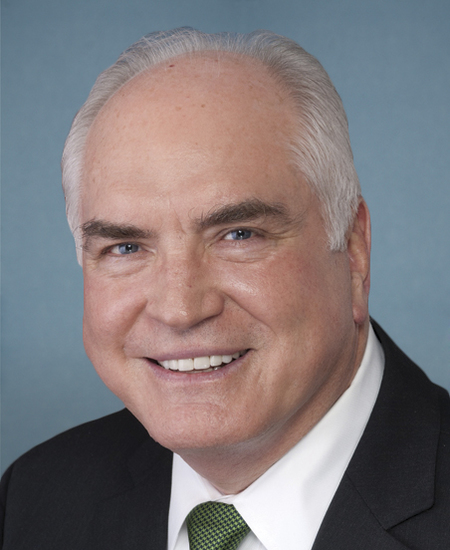

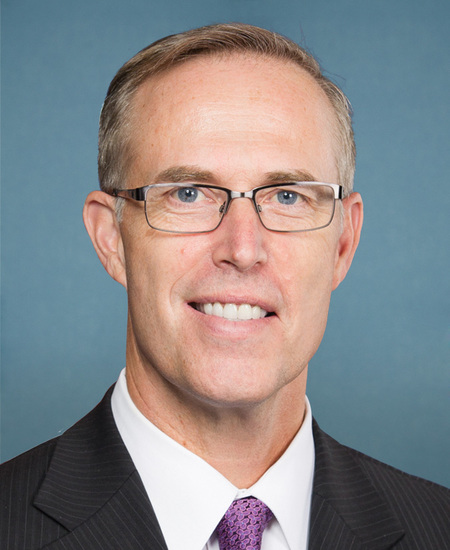
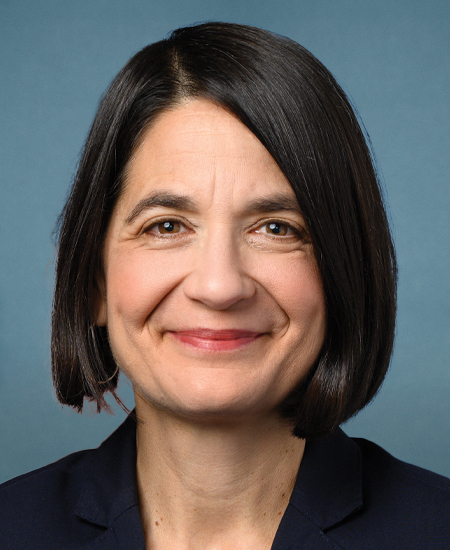
























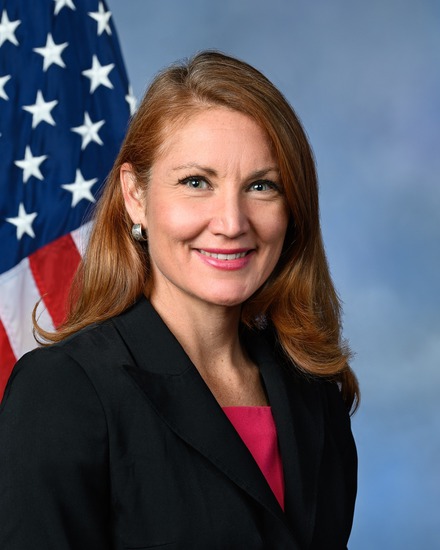
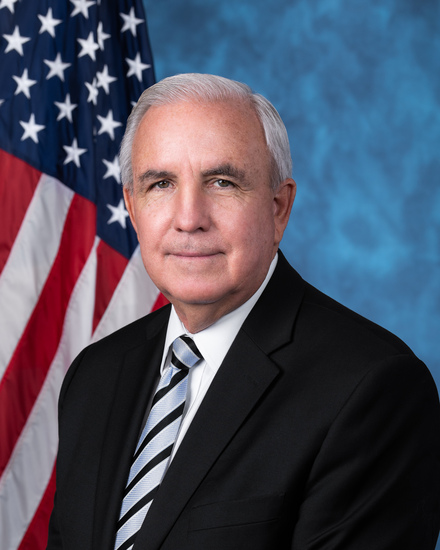


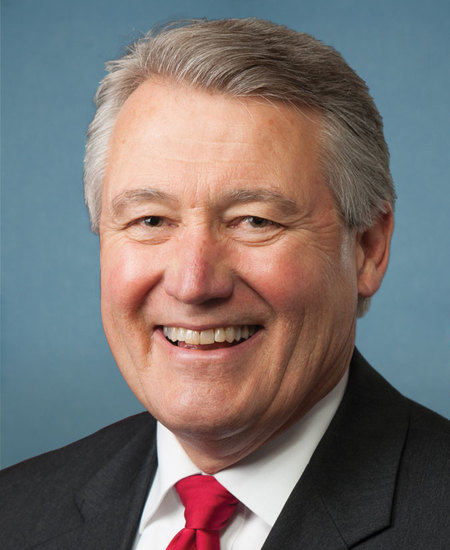

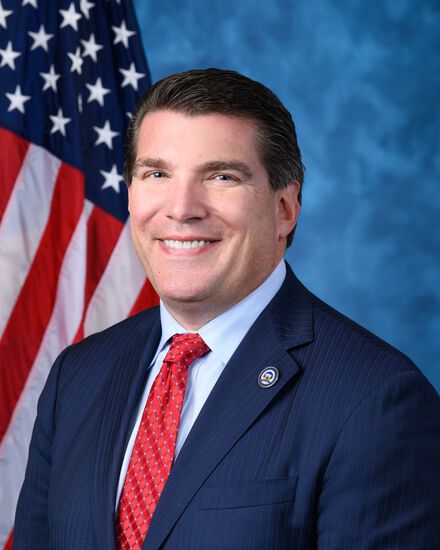









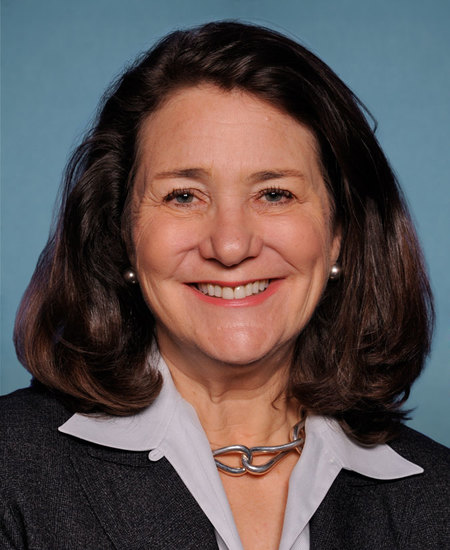



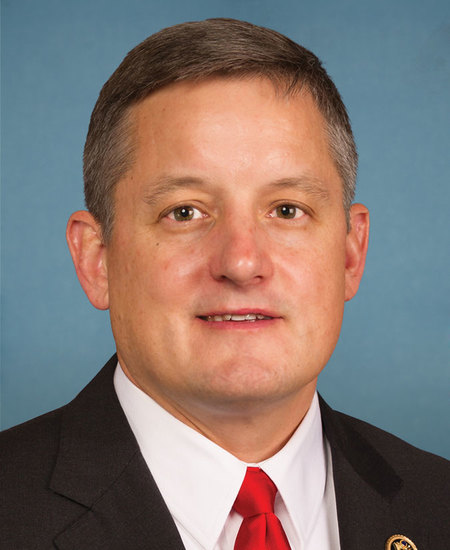
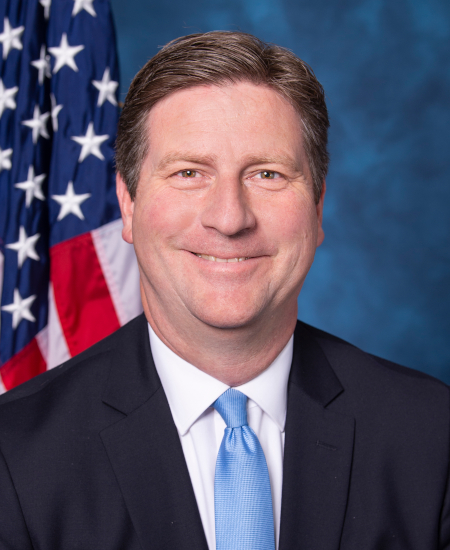







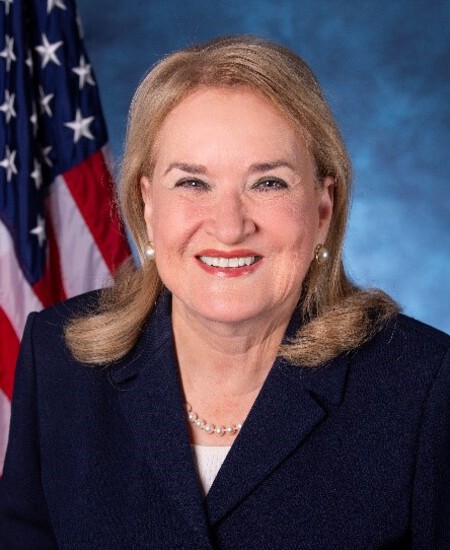

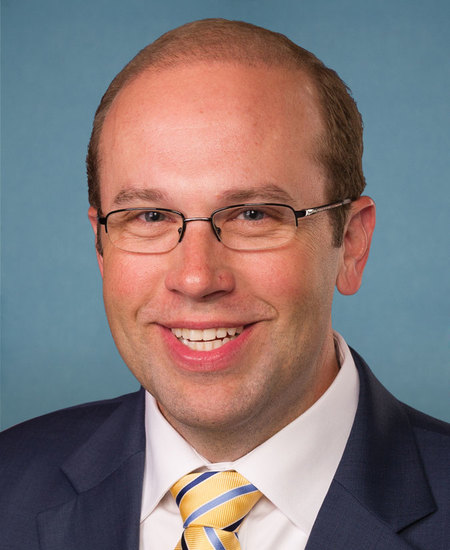



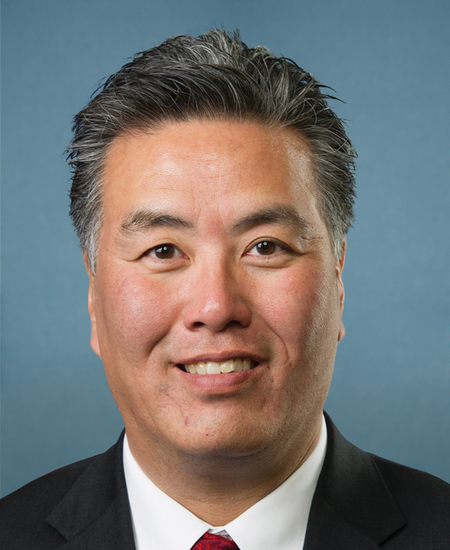
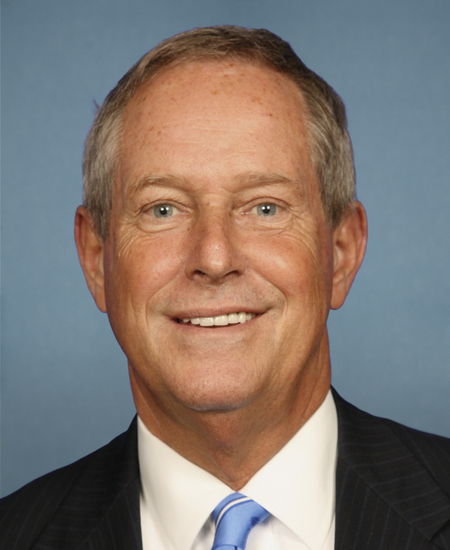


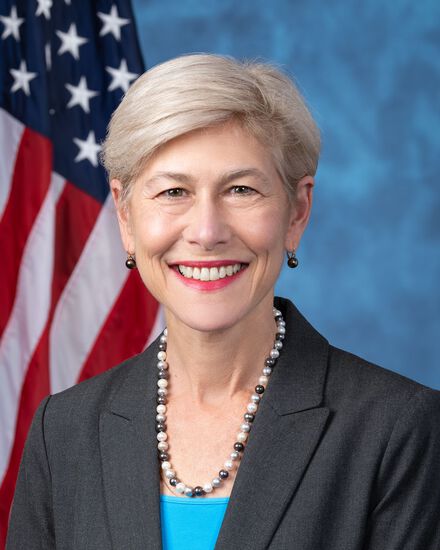




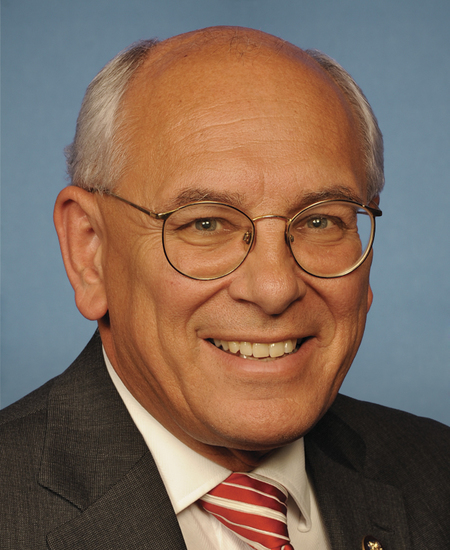
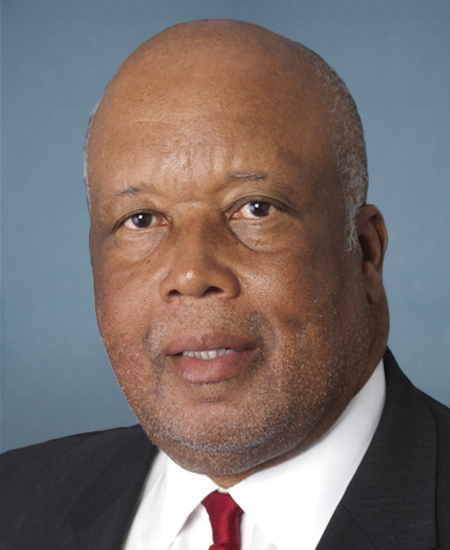




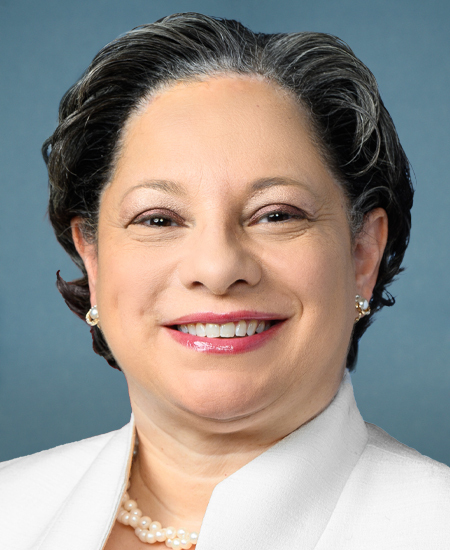
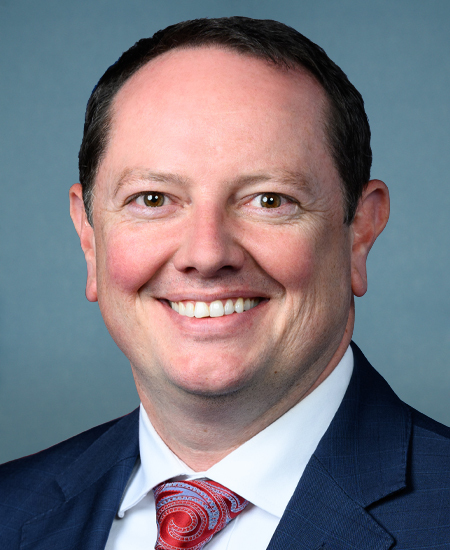











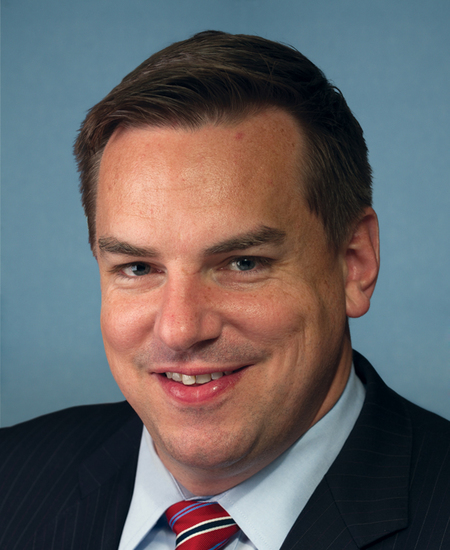

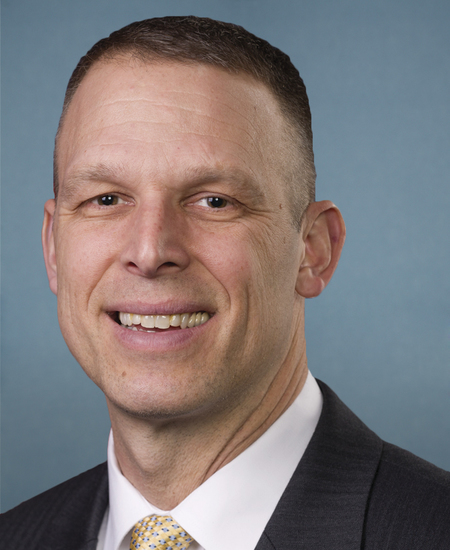
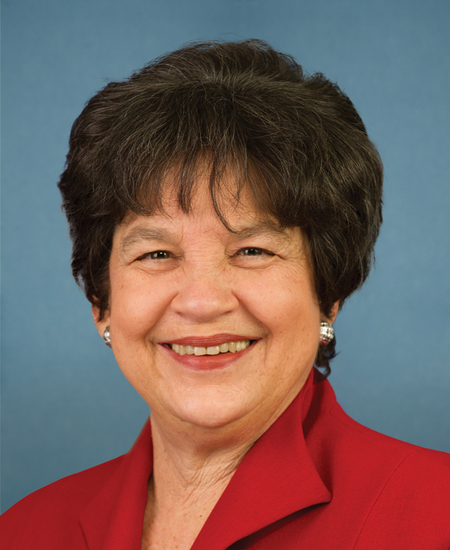

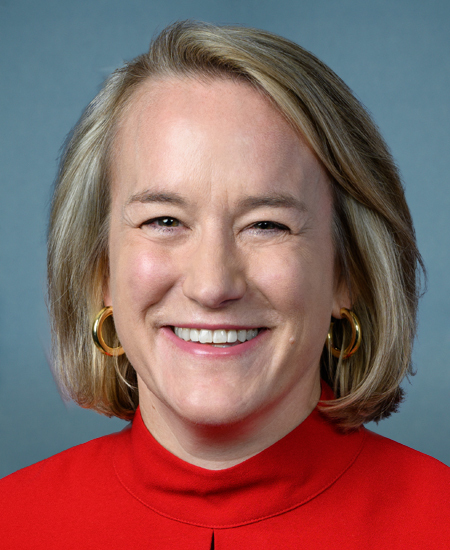

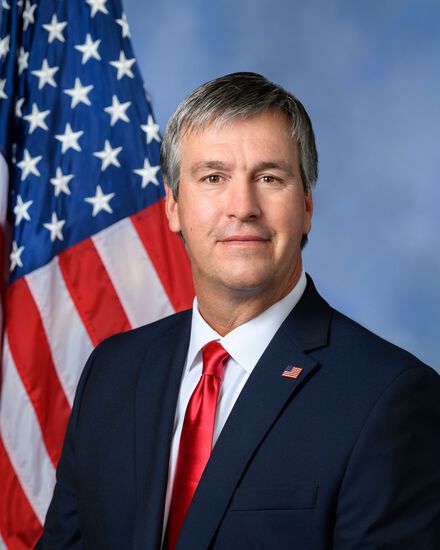
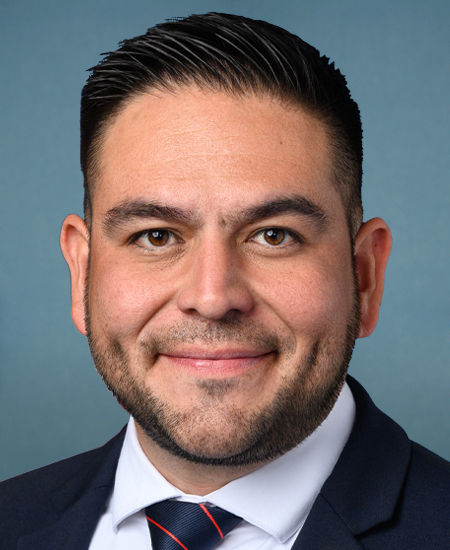
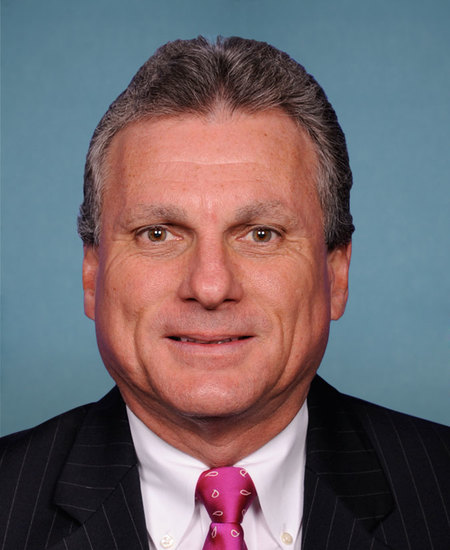


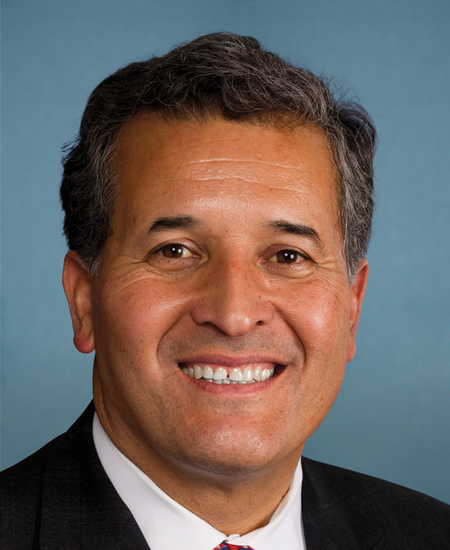




















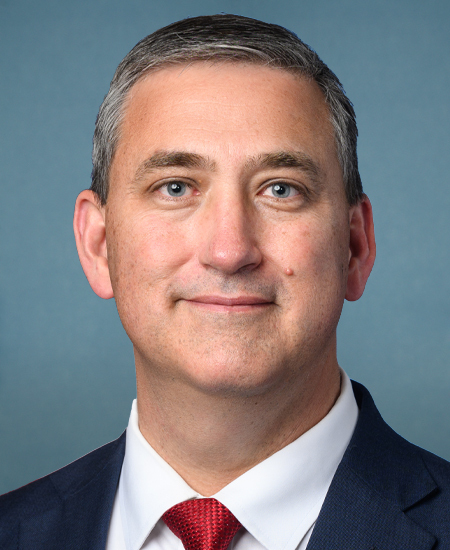
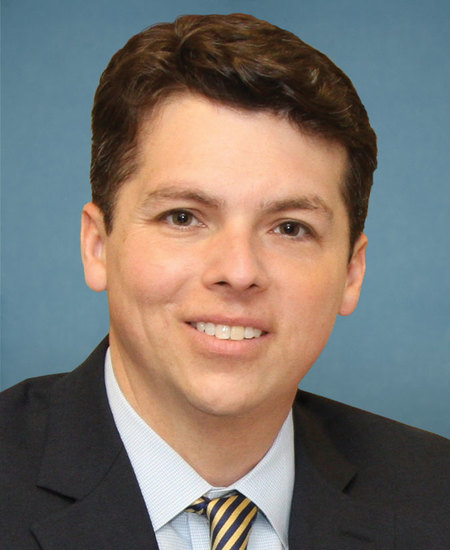
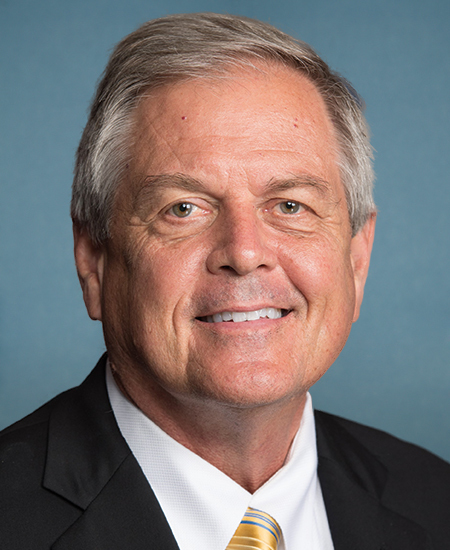

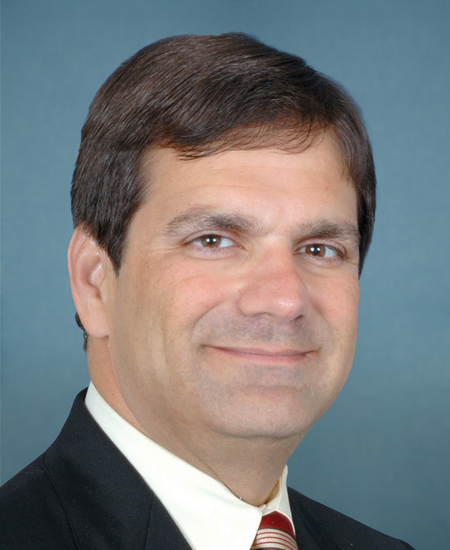




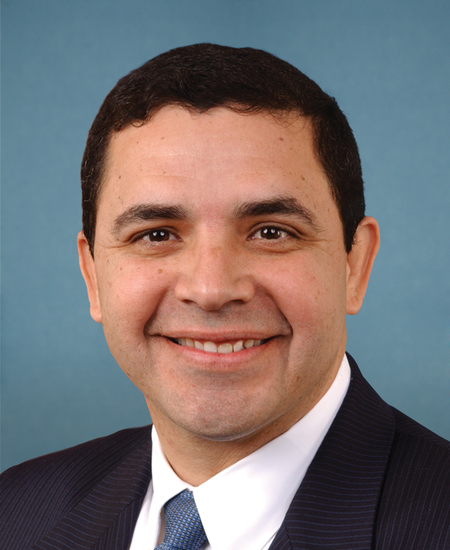
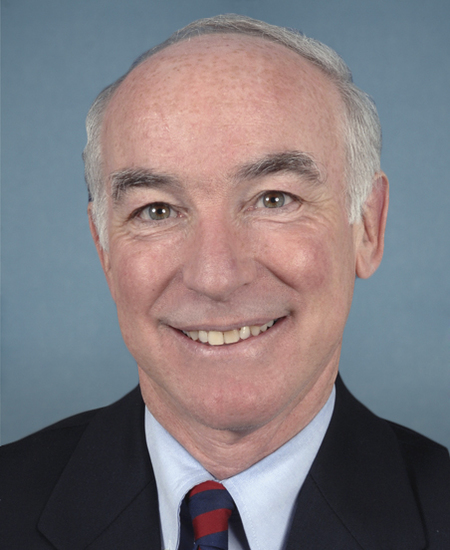
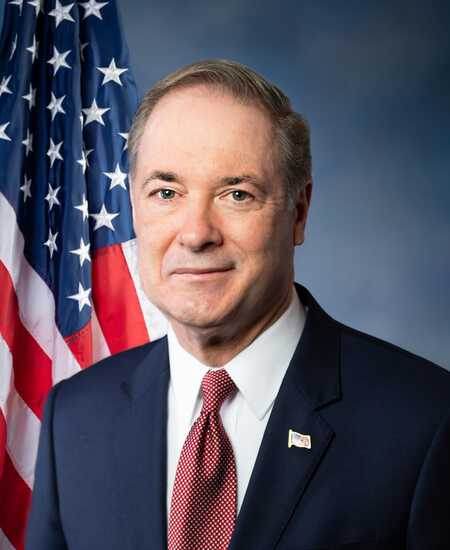

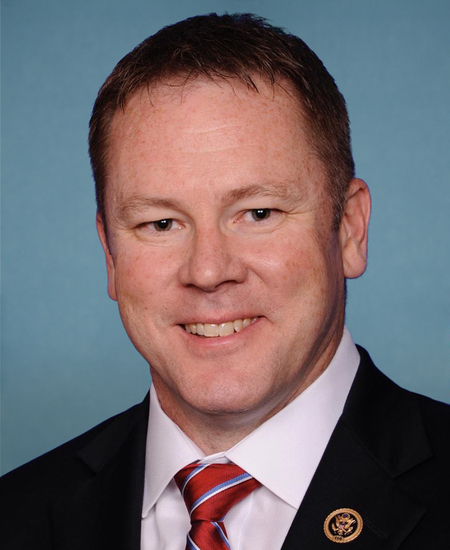














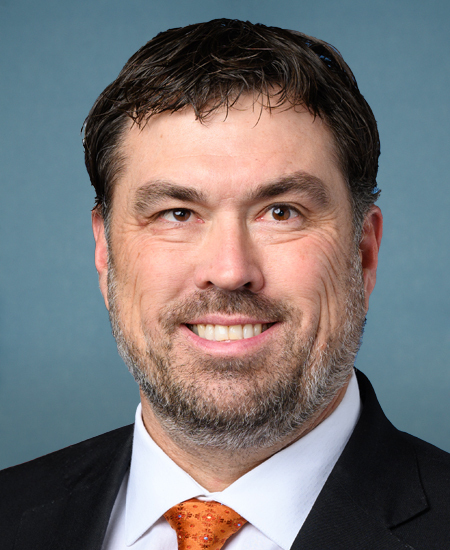
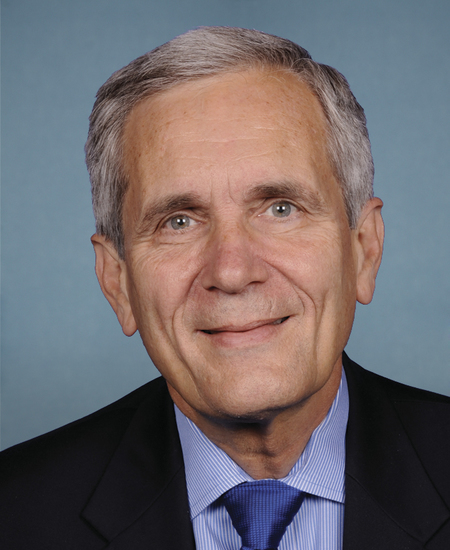
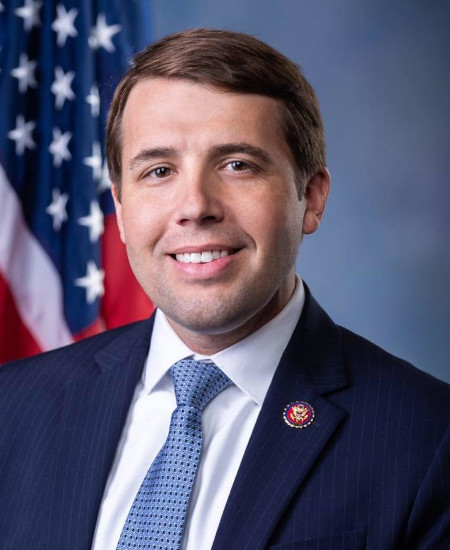


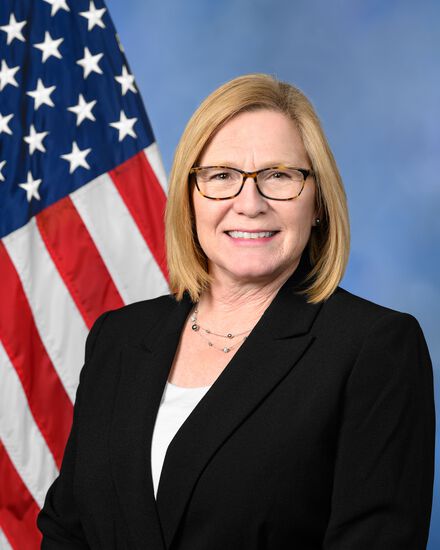






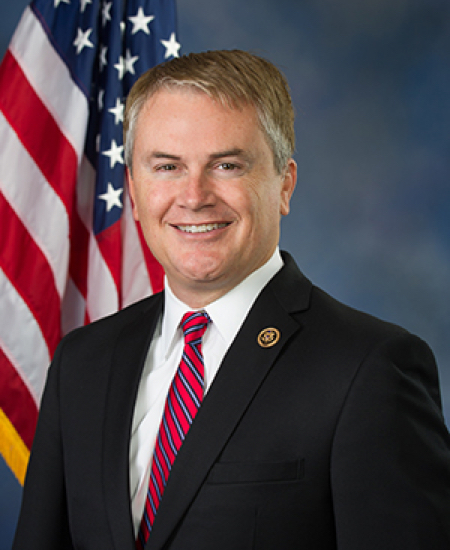




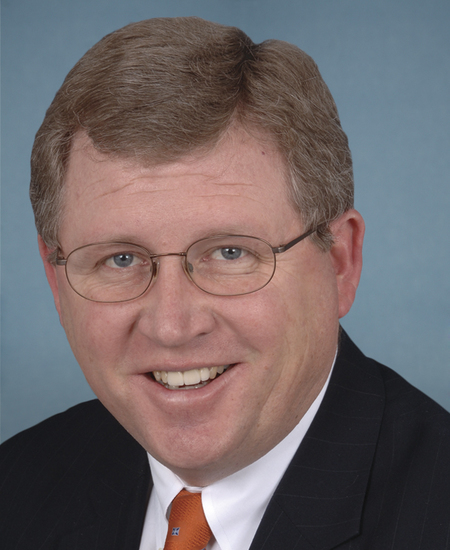





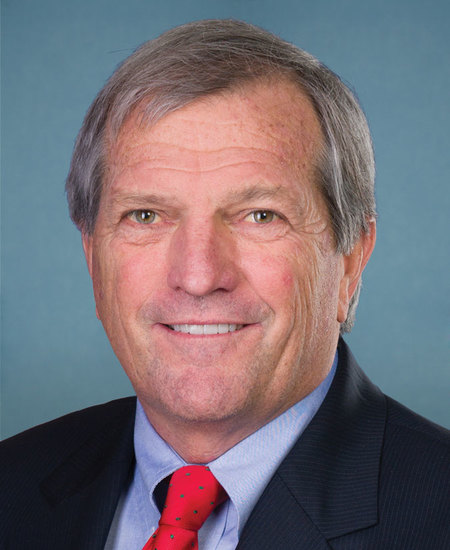
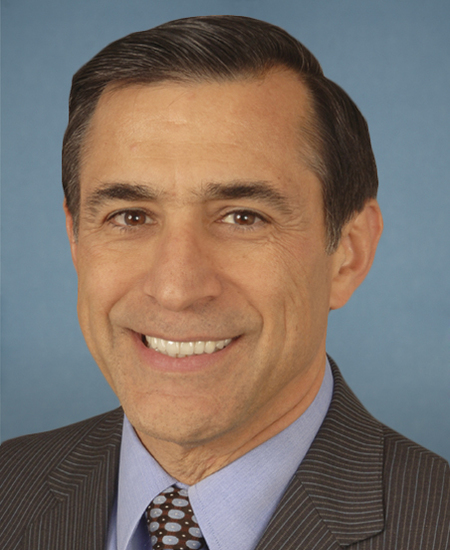








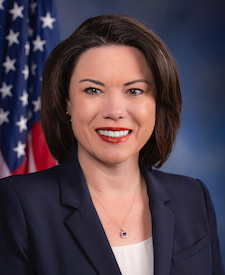

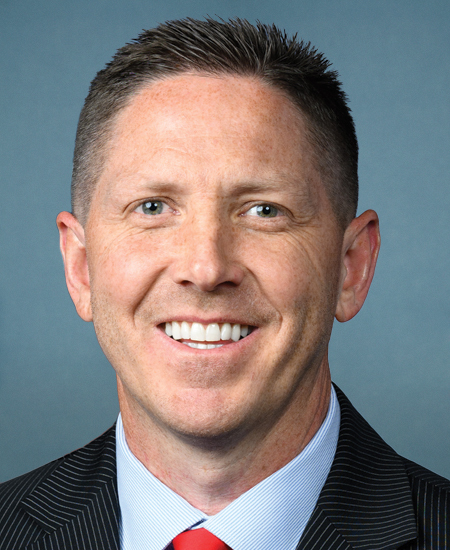



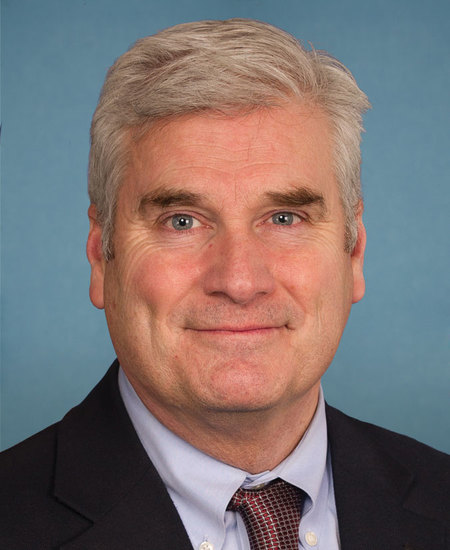
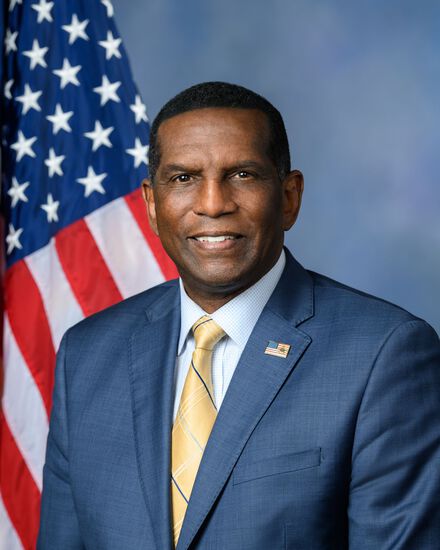




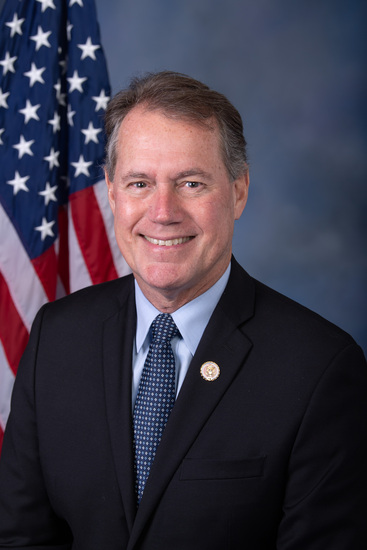




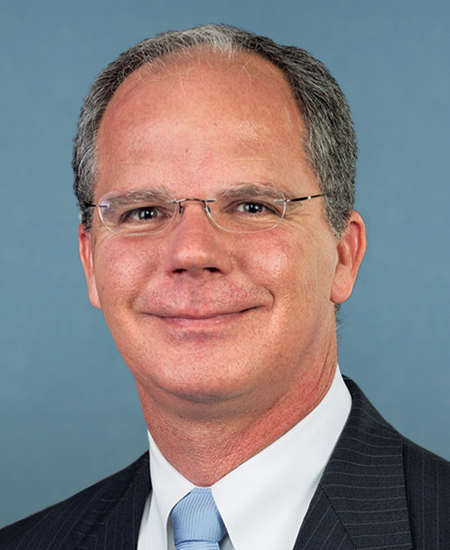
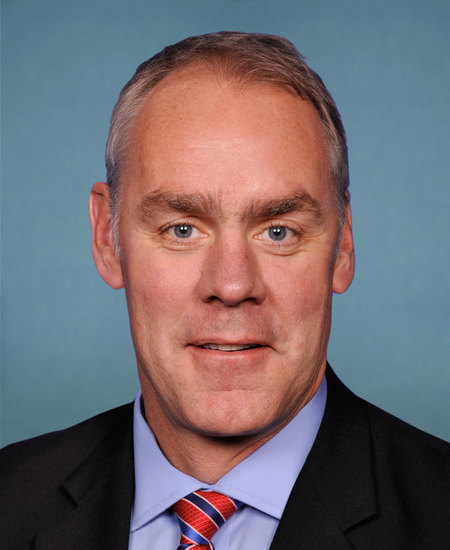
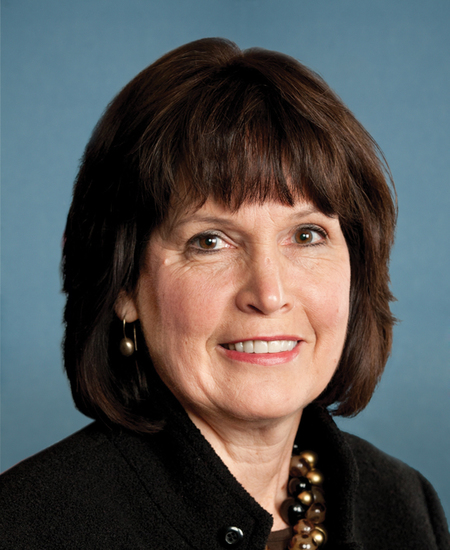
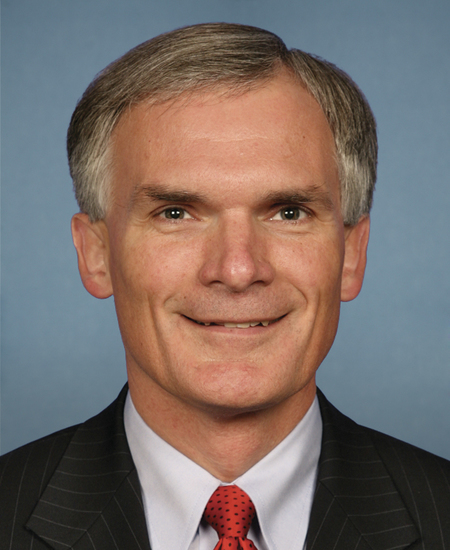
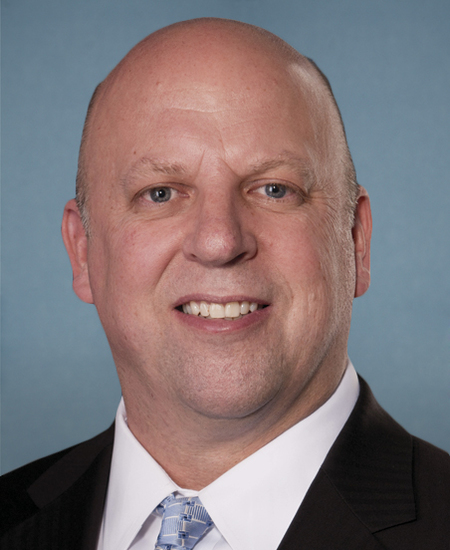




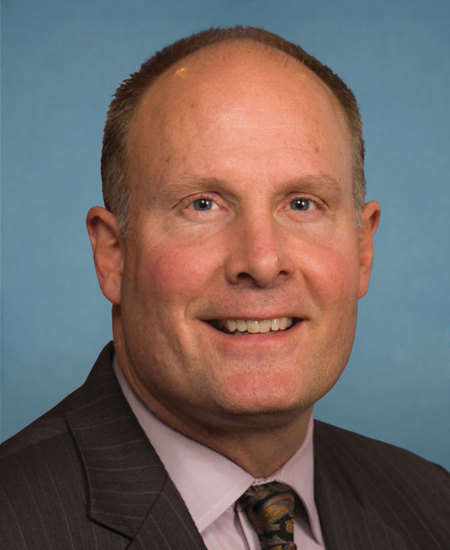
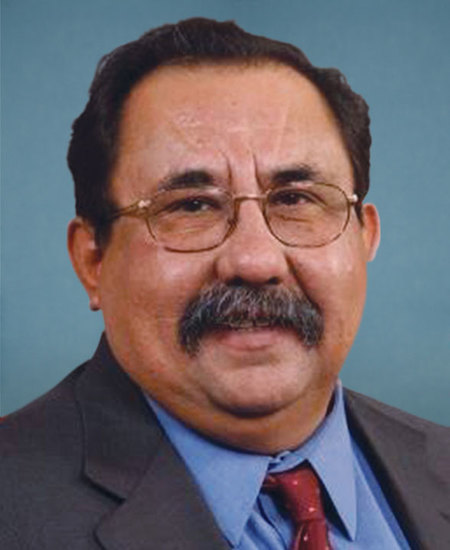




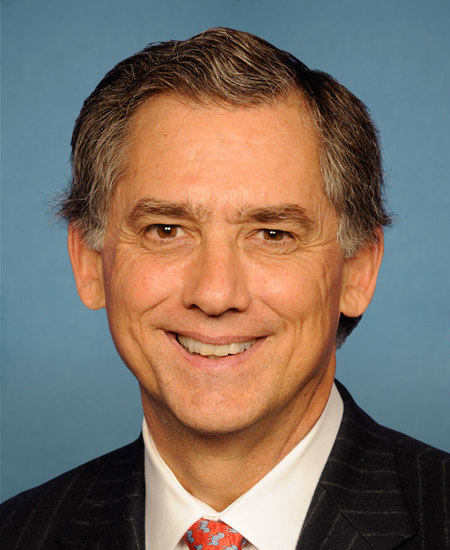

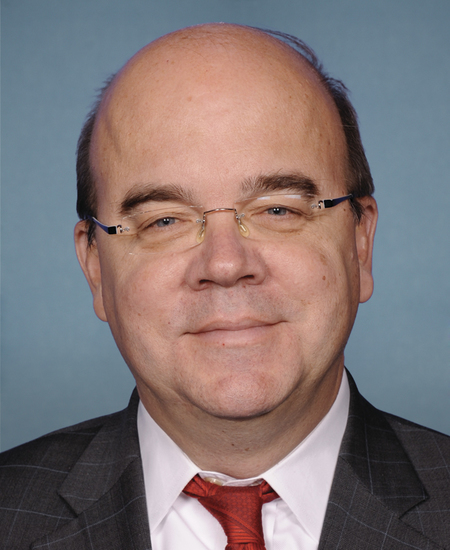

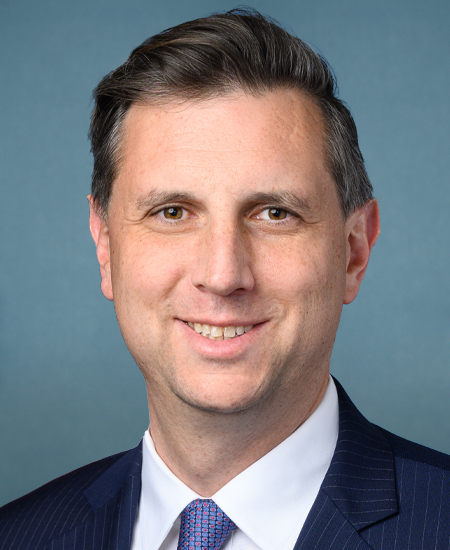


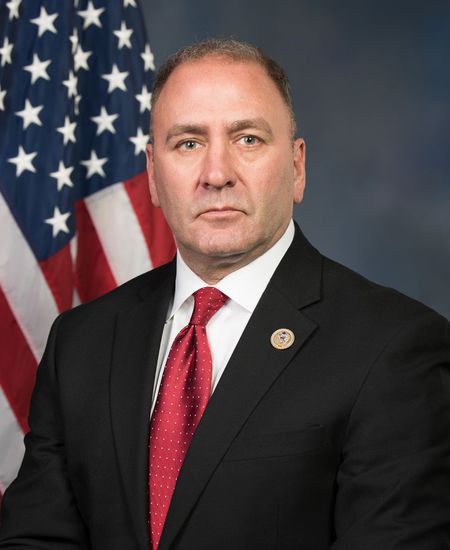










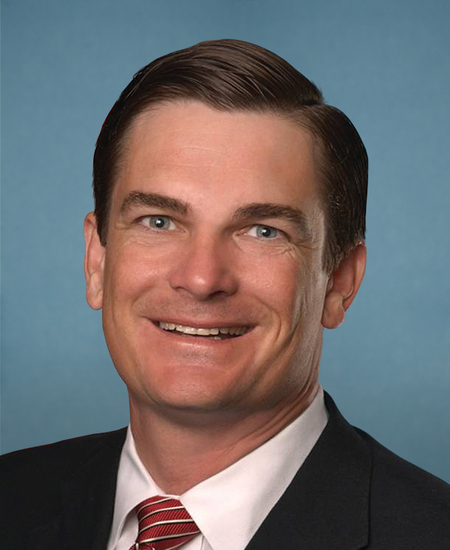
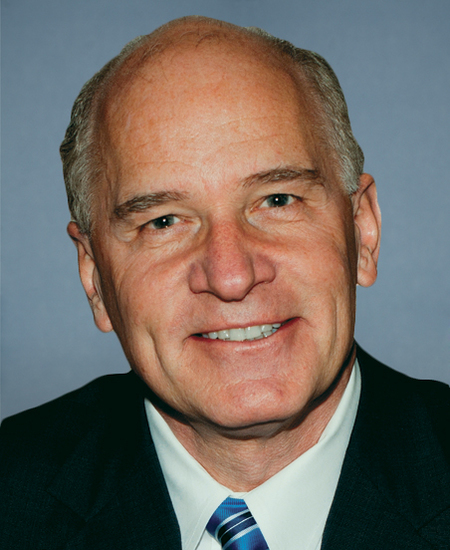
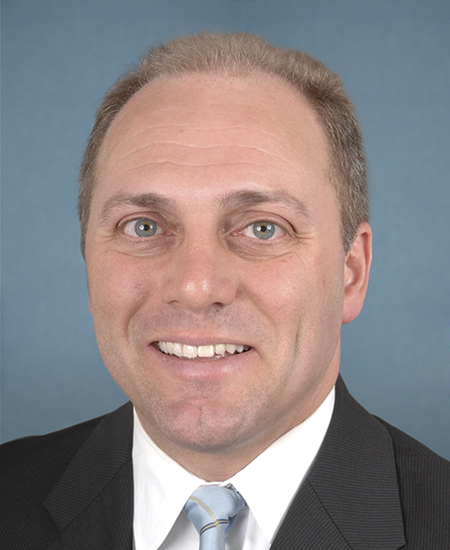

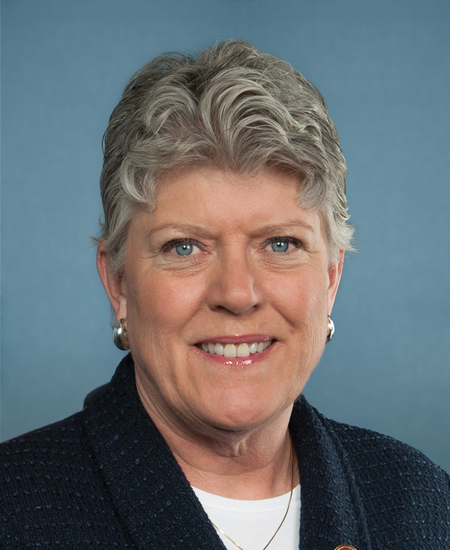



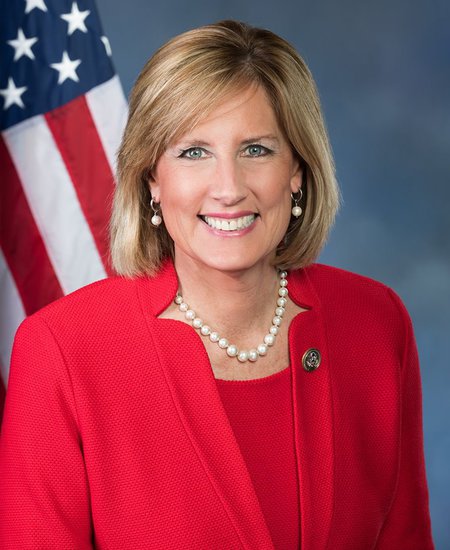







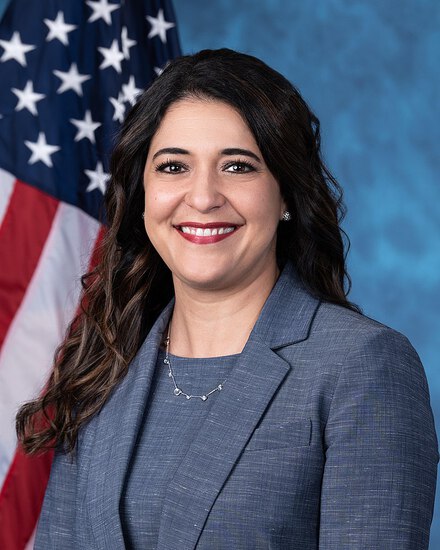



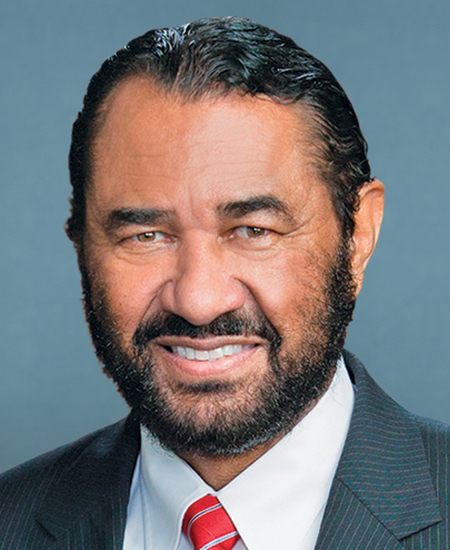
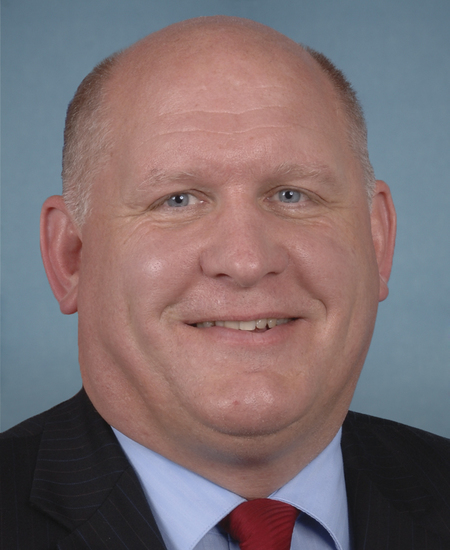






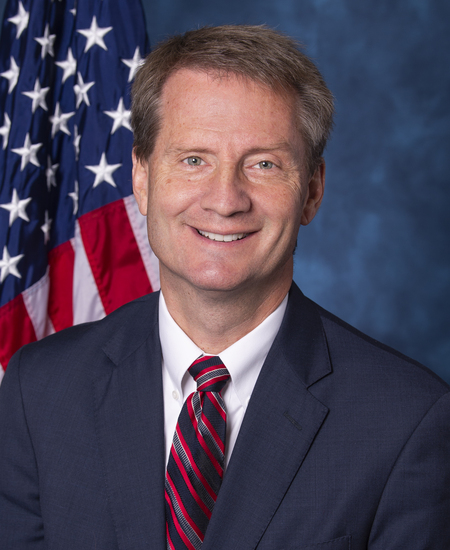
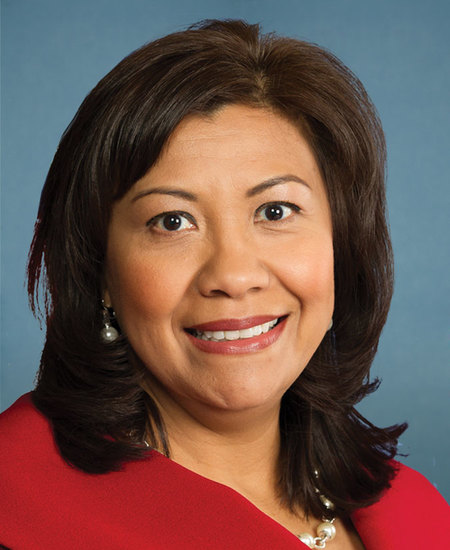
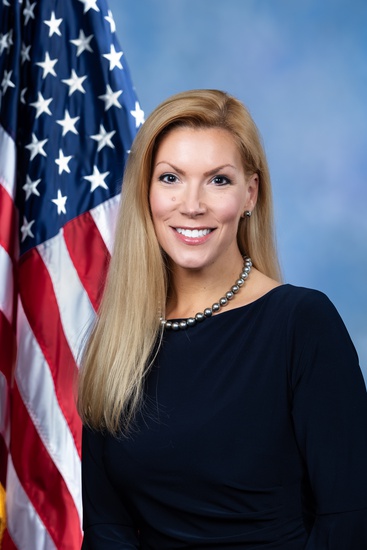


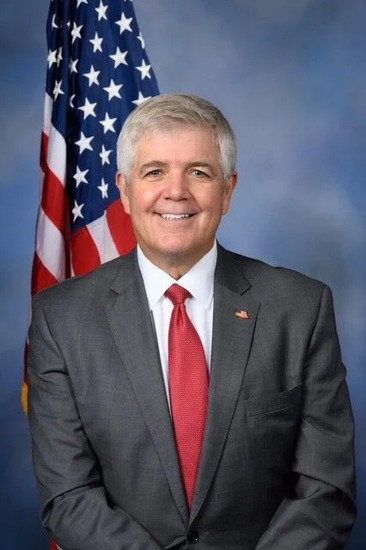
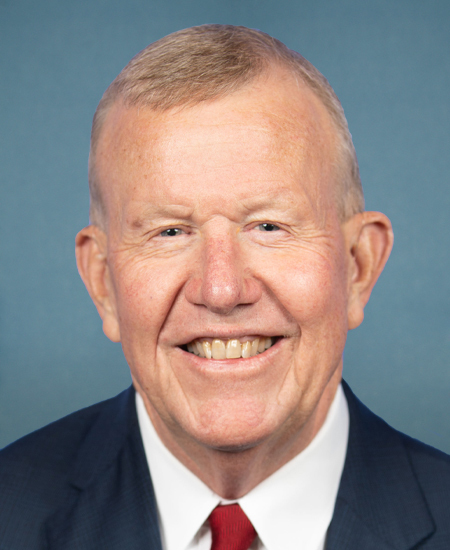



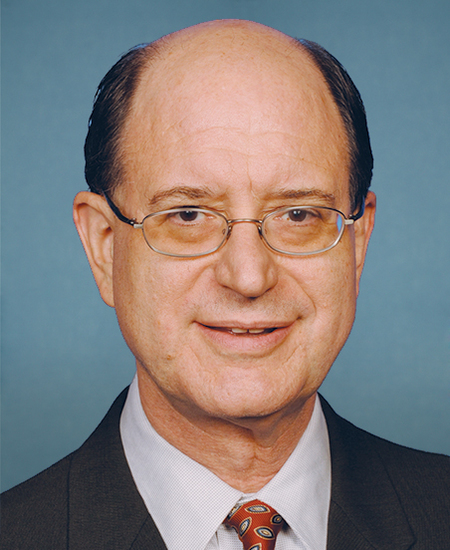

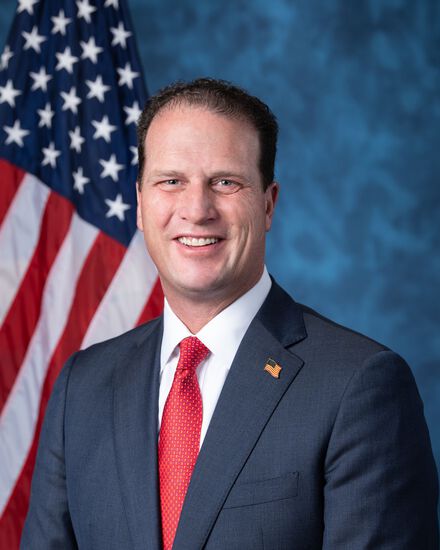

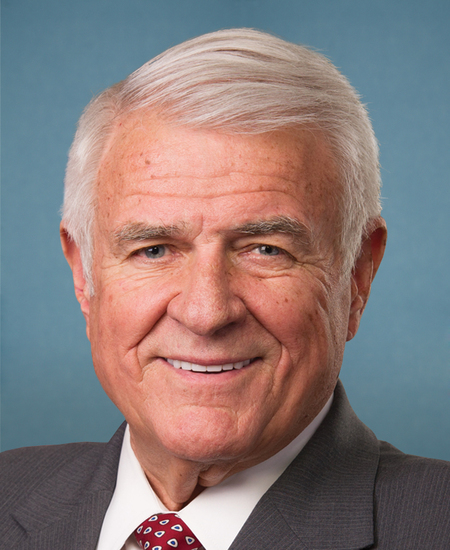






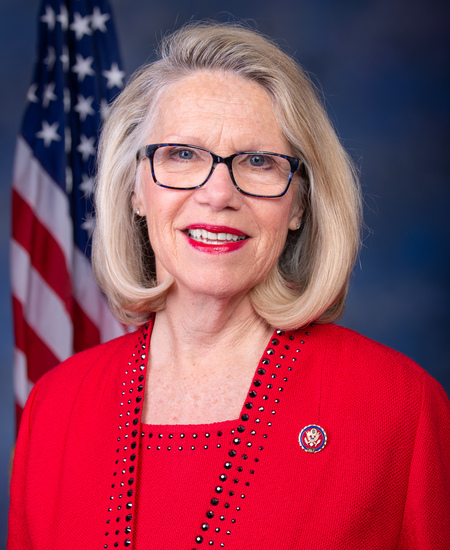

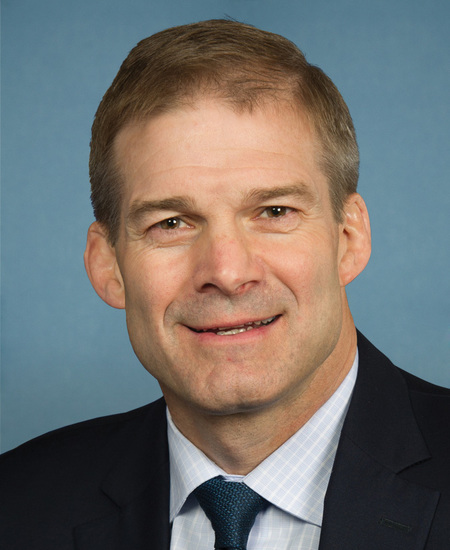
Full breakdown
Who this bill affects and the strongest case for and against it, written only from the bill’s own text.
Sponsors
Show 38 more sponsors
Discoveries
Patterns POLISCOPE noticed across the record. These are observations to investigate, not conclusions.
Mandatory Shift of Data Center Infrastructure Costs
The legislation transitions federal utility policy from allowing shared grid expansion costs to explicitly mandating that data centers provide upfront financial assurances and cover full incremental upgrade costs.
Connected Entities
Sources
www.congress.gov
Analysis Score
0–100- Significance75How much this matters to a regular citizen
- Controversy45Intensity of disagreement among stakeholders
- Entertainment10Compellingness for a non-policy-wonk reader
- Buzz65Current news / social attention level
Publisher tools