
The civic record
Read. Follow. Verify.National Defense Authorization Act for Fiscal Year 2027
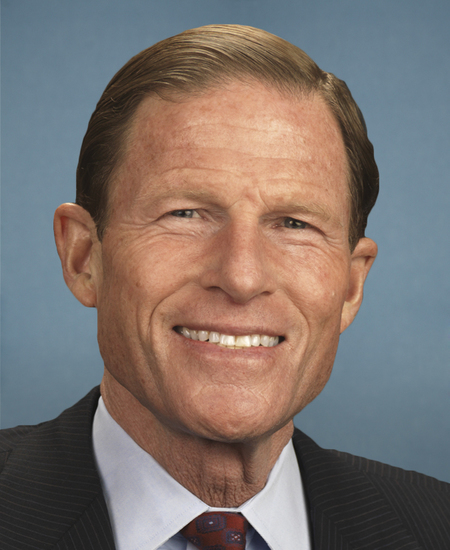
Last action · July 27, 2026: Motion to proceed to consideration of measure made in Senate. (CR S4276)Sponsor: Roger Wicker
Track this bill to get notified when it advances a stage. One tap to stop, anytime.
What This Bill Would Do
This bill authorizes appropriations for 2027 for military activities of the Department of Defense, military construction, and defense activities of the Department of Energy, while prescribing military personnel strengths and setting defense policy. It establishes end-strength levels for active and reserve components, authorizes authorities for various weapons systems, and implements strict supply chain restrictions and research security programs.
The measure establishes the statutory funding ceilings, personnel s, and acquisition policies that govern the entire United States military and national security apparatus for 2027, directly impacting the compensation, healthcare, equipment, and operational readiness of service members and their families.
- The National Defense Authorization Act (NDAA) is an annual federal law enacted by Congress to specify the budget and expenditures of the Department of Defense. context
- Sen. Roger F. Wicker is a United States Senator from Mississippi and serves as a senior member of the Senate Armed Services Committee. context
Who It Would Affect
Groups the bill's text would affect if enacted, as described in the record. Being affected is not a position for or against it.
Members of the Armed Forces
Active-duty and reserve personnel receive a 3.6 percent basic pay increase, updated personnel policies, and modified healthcare and retention benefits.
Defense Contractors
Contractors face new sourcing restrictions, supply chain audit requirements, technical data rights modifications, and prohibitions on procurement involving foreign entities of concern.
Institutions of Higher Education
Universities conducting Department of Defense-funded research must comply with the codified Research Security Program and statutory prohibitions on contracting with foreign entities of concern.
Military Families
Families are affected by provisions modifying military housing health and safety standards, privatized housing oversight, child care assistance, and spouse fellowship programs.
Key Facts
You don't have to trust us. Each fact below is taken straight from the official document - click any one to see the exact passage, highlighted in the original.
Frequently Asked Questions
What is the primary purpose of S. 4784?
What pay raise does the bill provide for service members?
What active duty end strength is authorized for the Army for fiscal year 2027?
Does the bill place restrictions on academic research partnerships with foreign entities?
What else do you want to know?
News Coverage
House passes annual defense policy bill: what could it mean for San Diego?
Gallagher Votes to Pass the National Defense Authorization Act for Fiscal Year 2027
Pasadena Congresswoman Judy Chu Votes No on Defense Bill
Congressman James Gallagher votes in favor of National Defense Authorization Act for Fiscal Year 2027
Bias ratings based on AllSides / Media Bias/Fact Check
Follow the record
Votes, people, money & the original sourceWhere This Stands
Currently on floor. The next step in the legislative lifecycle is Passed.
Procedural history
11 actions- Jul 27, 2026SenateMotion to proceed to consideration of measure made in Senate. (CR S4276)
- Jul 23, 2026SenateMotion to proceed to consideration of measure withdrawn in Senate.
- Jul 23, 2026SenateMotion to proceed to consideration of measure made in Senate. (CR S4241-4242)
- Jul 20, 2026SenateMotion to proceed to consideration of measure made in Senate. (CR S4145)
- Jul 14, 2026SenateMotion to proceed to consideration of measure made in Senate. (CR S3919)
- Jul 14, 2026SenateMotion by Senator Thune to reconsider the vote by which cloture on the motion to proceed to the measure was not invoked (Record Vote No. 195) entered in Senate.
Show 5 earlier actions
- Jul 14, 2026SenateCloture motion on the motion to proceed to the measure not invoked in Senate by Yea-Nay Vote. 50 - 46. Record Vote Number: 195. (CR S3918)
- Jun 24, 2026SenateCloture motion on the motion to proceed to the measure presented in Senate. (CR S3193)
- Jun 24, 2026SenateMotion to proceed to consideration of measure made in Senate. (CR S3193)
- Jun 15, 2026SenatePlaced on Senate Legislative Calendar under General Orders. Calendar No. 436.
- Jun 15, 2026SenateCommittee on Armed Services. Original measure reported to Senate by Senator Wicker. With written report No. 119-127.
Version history
Only one version on file - nothing to compare yet. As later stages (committee substitute, engrossed, enrolled) are captured, the redline appears here.
View official text →Voting Record
On Cloture on the Motion to Proceed S. 4784
Total
100
- Yes
- 50
- No
- 46
- Present
- 0
- Not voting
- 4
- Abstain
- 0
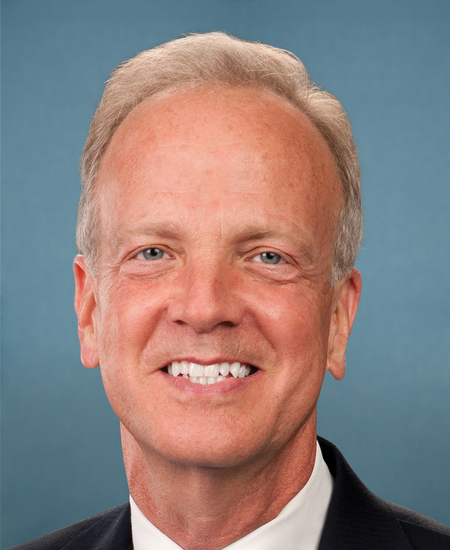
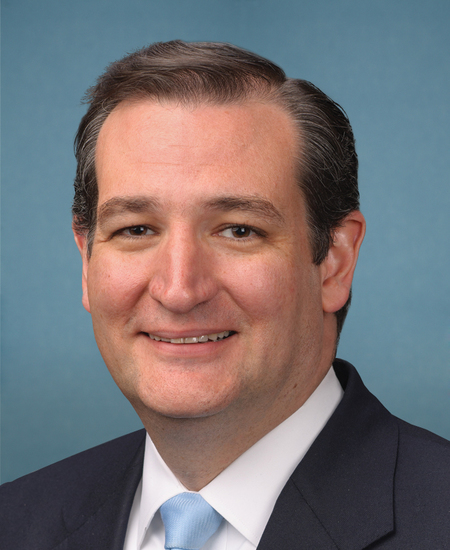
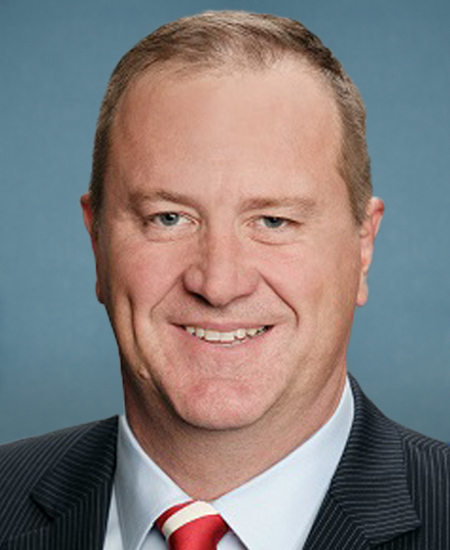
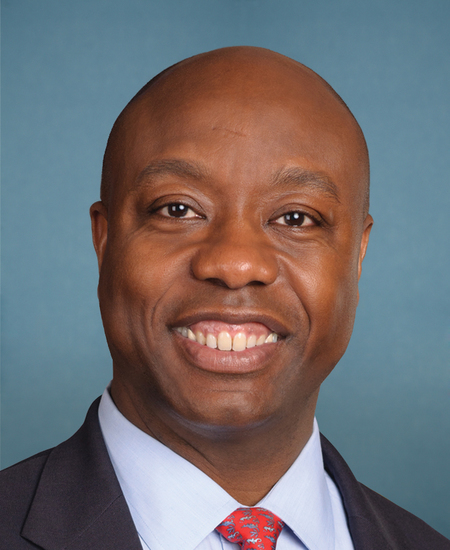
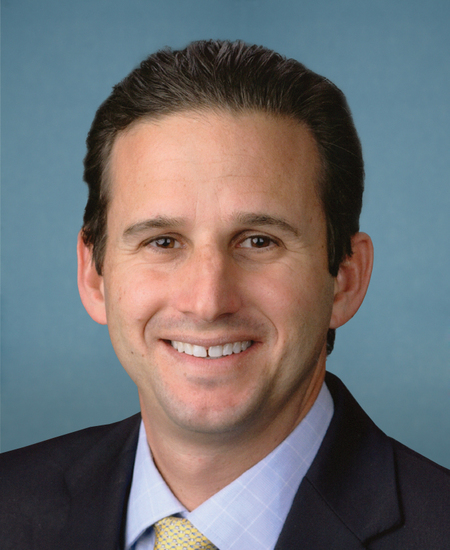
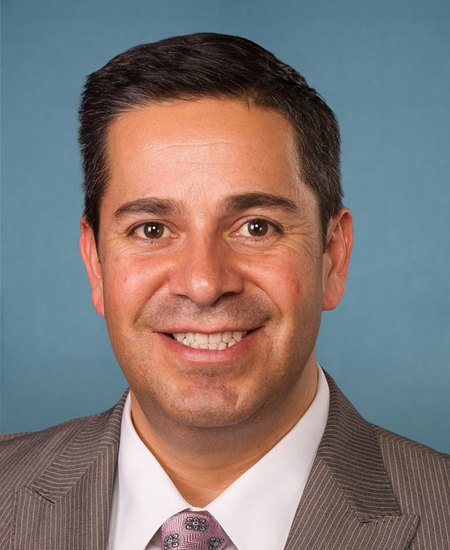
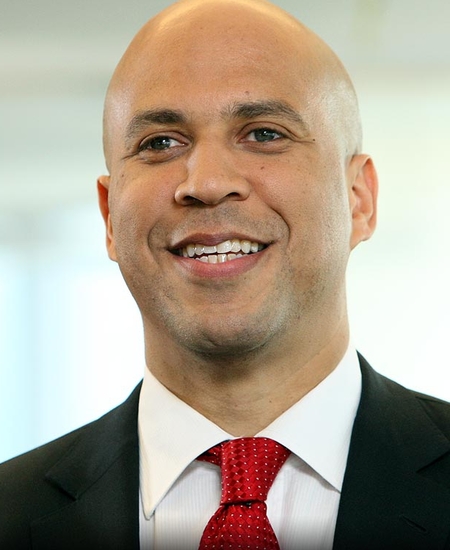
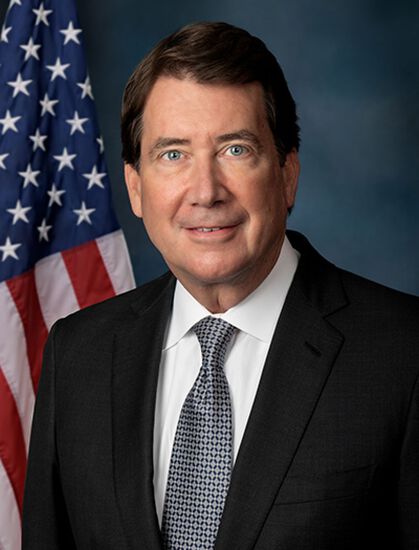
How they voted (98)























74 more members


























































Lobbying Activity
KOUNTOUPES DENHAM CARR & REID, LLC
on behalf of ECKERD CONNECTS
WESTMORELAND160, LLC
on behalf of RAVIAN
Full breakdown
Who this bill affects and the strongest case for and against it, written only from the bill’s own text.
Sponsors
Discoveries
Patterns POLISCOPE noticed across the record. These are observations to investigate, not conclusions.
Codification of Strict Academic Research Security
The bill moves existing administrative guidance into permanent statute (10 U.S.C. 4146 and 4147), mandating strict compliance officers, disclosure matrices, and outright contracting bans with foreign entities of concern for university research.
Establishment of the Economic Defense Unit
The measure establishes a new Economic Defense Unit within the Office of the Secretary of Defense reporting directly to the Deputy Secretary, formalizing economic competition as a core defense mission.
Connected Entities
Sources
www.congress.gov
Analysis Score
0–100- Significance95How much this matters to a regular citizen
- Controversy65Intensity of disagreement among stakeholders
- Entertainment10Compellingness for a non-policy-wonk reader
- Buzz80Current news / social attention level
Publisher tools