
The civic record
Read. Follow. Verify.South Dakota authorizes municipalities to levy a 1% gross receipts tax for capital projects with voter approval
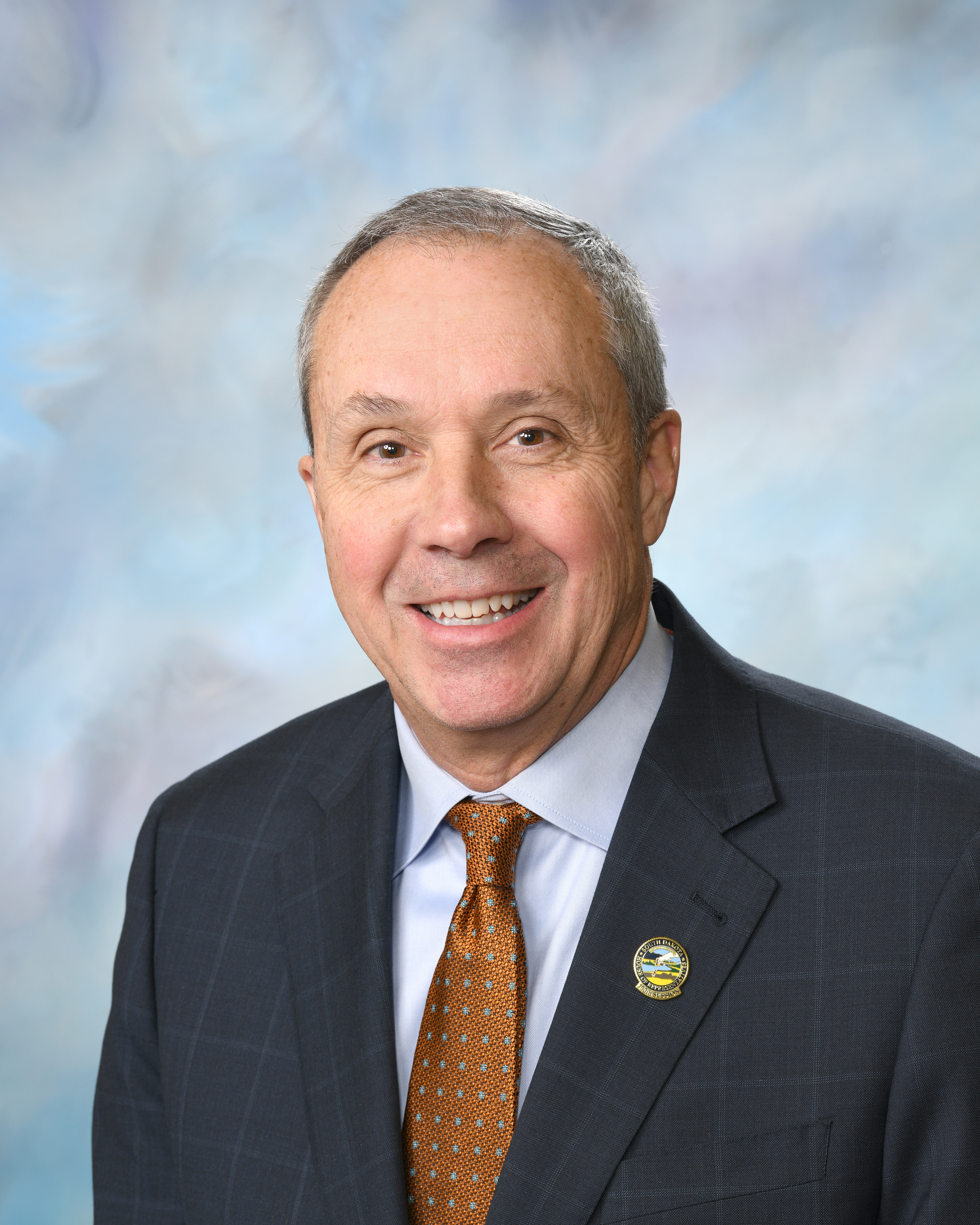
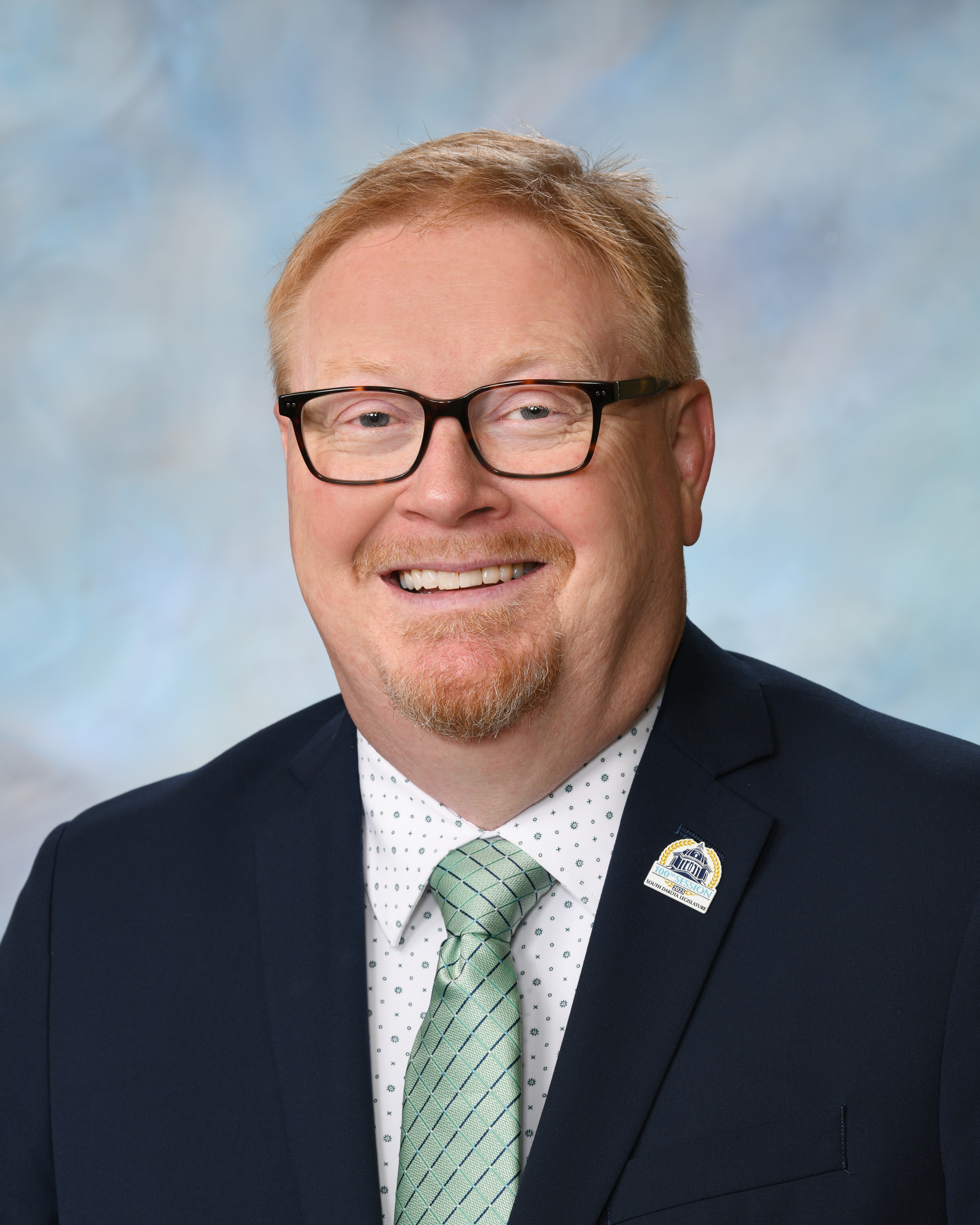
Last action · March 30, 2026: Signed by the GovernorSponsors: Greg Jamison and 1 other
Track this bill to get notified when it advances a stage. One tap to stop, anytime.
What This Bill Does
South Dakota municipalities may now establish a five-member capital improvement board and levy up to a one percent to fund local infrastructure projects, provided sixty percent of voters approve the tax at an election. Tax revenues must be deposited into a special capital outlay fund and expire either sixty months after enactment or once the ordinance's specified minimum revenue is collected.
Gives local governments a temporary funding mechanism for capital improvements while requiring both capital improvement board approval and a sixty percent supermajority vote from residents to enact the tax.
Who It Affects
Groups the bill's text affects, as described in the record. Being affected is not a position for or against it.
Municipalities
Municipalities gain the authority to appoint capital improvement boards, propose gross receipts taxes, and establish special capital outlay funds for capital projects.
Voters
Voters must approve any proposed municipal gross receipts tax by at least a sixty percent supermajority before it can be levied.
Key Facts
You don't have to trust us. Each fact below is taken straight from the official document - click any one to see the exact passage, highlighted in the original.
Frequently Asked Questions
What is required to pass the new municipal gross receipts tax?
What can the funds from the special capital outlay fund be used for?
What else do you want to know?
News Coverage
Follow the record
Votes, people, money & the original sourceWhere This Stands
Current status: Signed into law.
Procedural history
17 actions- Mar 30, 2026HouseEnrolledSigned by the Governor
- Mar 11, 2026HouseEnrolledDelivered to the Governor
- Mar 10, 2026SenateSigned by the President
- Mar 9, 2026HouseSigned by the Speaker
- Mar 5, 2026SenateCommitteeDo Pass Amended
- Mar 4, 2026SenateCommitteeDo Pass
Show 11 earlier actions
- Mar 4, 2026SenateScheduled for hearing
- Feb 11, 2026SenateIntroducedFirst read in Senate and referred to
- Feb 10, 2026HouseCommitteeDo Pass Amended
- Feb 10, 2026HouseReconsidered
- Feb 9, 2026HouseIntent to reconsider
- Feb 9, 2026HouseCommitteeDo Pass Amended
- Feb 9, 2026HouseMotion to amend
- Feb 5, 2026HouseCommitteeDo Pass Amended
- Feb 5, 2026HouseMotion to amend
- Feb 5, 2026HouseScheduled for hearing
- Feb 2, 2026HouseIntroducedFirst read in House and referred to
Version history
Only one version on file - nothing to compare yet. As later stages (committee substitute, engrossed, enrolled) are captured, the redline appears here.
View official text →Voting Record
Do Pass Amended
Total
13
- Yes
- 8
- No
- 4
- Present
- 0
- Not voting
- 0
- Abstain
- 0
- Other positions
- 1
How they voted (1)
Lobbying Activity
No state lobbying filings in our records match this bill. Federal lobbying reports (LDA) cover Congress, so they are not listed on state bills.
Full breakdown
Who this bill affects and the strongest case for and against it, written only from the bill’s own text.
Sponsors
Connected Entities
Sources
sdlegislature.gov
Analysis Score
0–100- Significance60How much this matters to a regular citizen
- Controversy40Intensity of disagreement among stakeholders
- Entertainment10Compellingness for a non-policy-wonk reader
- Buzz25Current news / social attention level
Publisher tools