
NewsFox 13 News (WTVT)November 7, 2026Hillsborough County
American Heart Association report links energy drinks and pre-workout supplements to heart attacks in young adults
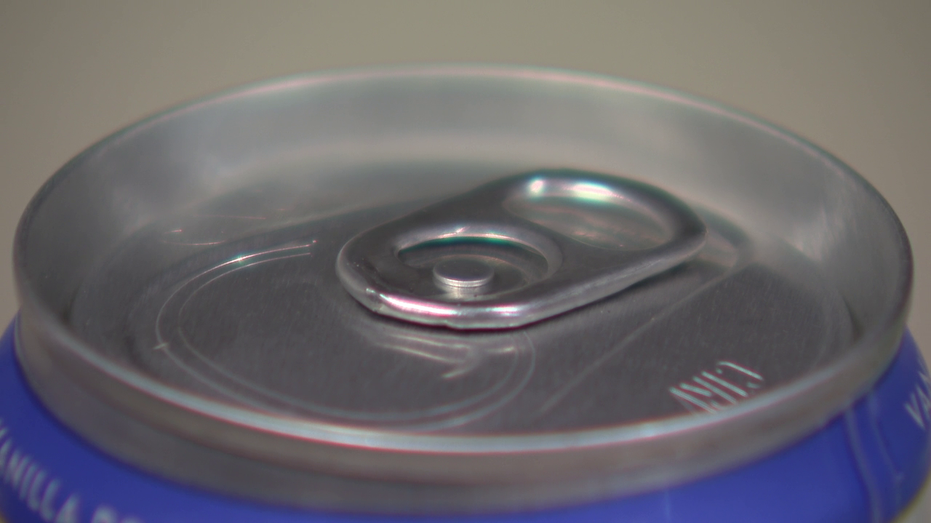
Photo: Fox 13 News (WTVT)
A new American Heart Association analysis reveals that nearly half of FDA cardiovascular event reports tied to energy drinks or pre-workout supplements involved cardiac arrest and heart attacks in adults aged 18 to 34. Federal guidelines recommend capping daily caffeine at 400 milligrams, while single cans of popular energy drinks often contain between 150 and 300 milligrams.
Read the full story at Fox 13 News (WTVT)Why It Matters
Young adults consuming popular caffeinated beverages frequently exceed the federal daily limit of 400 milligrams without realizing the potential for severe cardiovascular distress.
Key Facts
- 45 percent of FDA cardiovascular event reports tied to energy drinks or pre-workout supplements between 2017 and 2025 involved cardiac arrest and heart attacks.
- Severe cardiovascular events linked to these products occurred primarily in adults aged 18 to 34.
- Federal health guidance recommends that healthy adults limit daily caffeine consumption to 400 milligrams.
- Many commercial energy drinks contain between 150 and 300 milligrams of caffeine in a single can.
- Excessive caffeine can increase blood pressure, accelerate heart rates, and trigger dehydration by acting as a diuretic.
- Current medical literature establishes a statistical link between energy drinks and cardiovascular events, though it does not definitively prove direct causation.
- Researchers have not yet determined the exact biological threshold where standard caffeine use shifts into life-threatening distress for individual consumers.
- The American Heart Association is presenting the full research findings at an academic conference in Chicago.
Who's Mentioned
locationChicago“Location of the academic conference where findings are presented.”OrganizationOrlando Health“Employer of Dr. Abdul Saadi in Brandon.”locationBrandon“Location of Orlando Health facility where Dr. Saadi practices.”OrganizationFood and Drug Administration“Source of cardiovascular event reports analyzed in the study.”PersonAbdul Saadi“Interventional cardiologist at Orlando Health in Brandon.”OrganizationAmerican Heart Association“Conducted the report and analysis of cardiovascular event reports.”