
NewsMySuncoast / WWSB (ABC Sarasota)October 30, 2026Sarasota County
Memory clinic specialists explain diagnostic differences between Alzheimer’s and Lewy body dementia
Photo: MySuncoast / WWSB (ABC Sarasota)
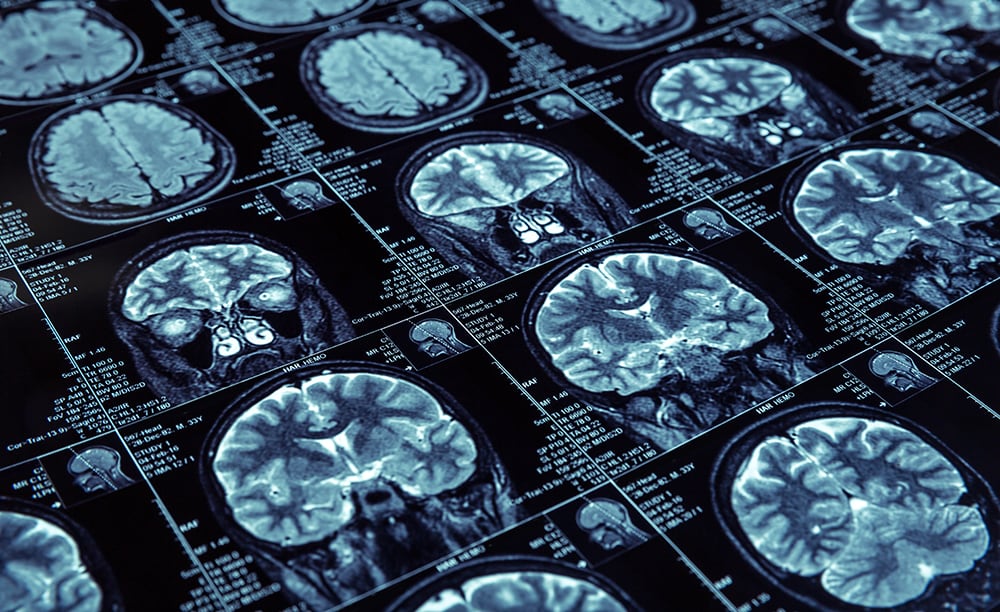
Specialists at the SMH Memory Disorder Clinic outlined how Alzheimer’s disease and Lewy body dementia differ in their underlying brain proteins, symptoms, and treatment paths. The experts discussed diagnostic testing methods and recommended baseline cognitive evaluations for adults between 65 and 70.
Read the full story at MySuncoast / WWSB (ABC Sarasota)Why It Matters
Residents gain clarity on how different forms of are diagnosed and why identifying the specific underlying disease is critical for avoiding adverse medication reactions, with specialists advising baseline evaluations starting at ages 65 to 70.
Key Facts
- Dementia is an umbrella term representing a collective of symptoms affecting memory, thinking, and functional decline.
- Lewy body dementia is often associated with abnormal alpha-synuclein protein accumulation, causing visual hallucinations, attention variability, and sleep disruptions.
- Alzheimer’s disease can involve amyloid tau tangle accumulation, leading to gradually worsening short-term memory.
- Patients can experience mixed dementia involving both amyloid protein and Lewy body protein.
- FDA-approved treatments for Alzheimer’s differ from those for Lewy body dementia, and patients can react negatively to mismatched medication.
- The SMH Memory Disorder Clinic is state-funded through the Department of Elder Affairs and provides workups including brain scans, blood work, and cognitive testing.
- Neuropsychological testing evaluates memory, new learning, attention, language, executive functioning, and visual-spatial skills.
- Newer blood tests are available for detecting amyloid protein associated with Alzheimer’s-type dementia.
- There are currently no FDA-approved treatments specifically designed to remove Lewy body protein, though treatments exist to remove amyloid from the brain.
- Specialists recommend a baseline cognitive evaluation and full workup at age 65, if not 70.
Who's Mentioned
PersonBruce Willis“Actor diagnosed with primary progressive aphasia”OrganizationWWSB“News organization publishing the article”PersonDr. Erica Ailes“Neuropsychologist and specialist at the clinic”PersonDaniel Valerie“Specialist at the clinic”OrganizationDepartment of Elder Affairs“State agency funding the memory clinic”OrganizationSMH Memory Disorder Clinic“Memory clinic where specialists practice”PersonRobin Williams“Actor who had Lewy body dementia”PersonPatrick Stewart“Actor whose death brought dementia conditions into public discussion”