
The civic record
Read. Follow. Verify.South Dakota Bill 1153 protects healthcare providers from participation in services violating conscience and prohibits discrimination
Last action · February 10, 2026: Do Pass AmendedSponsors: Les Heinemann and 4 others
Track this bill to get notified when it advances a stage. One tap to stop, anytime.
What This Bill Proposed
Healthcare providers in South Dakota may decline to participate in or pay for medical services that violate their without facing professional discrimination, liability, or credential revocation. State agencies are barred from sanctioning providers for protected speech unless clear and convincing evidence demonstrates direct patient harm within the preceding three years. Aggrieved providers may file civil lawsuits to recover damages, legal costs, and attorney fees.
The measure establishes legal protections allowing individual practitioners, clinics, and health plans to refuse specific medical procedures based on ethical, moral, or religious beliefs while creating civil remedies and statutory penalties for state licensing bodies that fail to provide timely complaint copies.
- House Bill 1153 was introduced during the 101st Legislative Session of the South Dakota Legislature in 2026. context
- Conscience clause legislation addresses the legal right of medical professionals and institutions to decline participation in procedures that conflict with their ethical, moral, or religious beliefs. context
Who It Would Have Affected
Groups the bill's text would have affected, as described in the record. Being affected is not a position for or against it.
Healthcare providers
Practitioners, institutions, and health plans gain legal protections to decline objectionable services, protection from discrimination and liability, and the right to sue for damages.
State regulatory agencies
Agencies such as the Department of Health face new evidentiary standards for disciplining providers and incur financial penalties for failing to furnish complaint copies within twenty-one days.
Key Facts
You don't have to trust us. Each fact below is taken straight from the official document - click any one to see the exact passage, highlighted in the original.
Frequently Asked Questions
Can a healthcare provider refuse to participate in any medical service?
What happens if a state agency takes more than 21 days to provide a copy of a complaint against a provider?
What remedies are available if a healthcare provider experiences discrimination under this measure?
What else do you want to know?
News Coverage
Follow the record
Votes, people, money & the original sourceWhere This Stands
This bill did not become law - Died at adjournment · in House committee.
Procedural history
5 actions- Feb 10, 2026HouseCommitteeDo Pass Amended
- Feb 5, 2026HouseCommitteeDo Pass Amended
- Feb 5, 2026HouseMotion to amend
- Feb 5, 2026HouseScheduled for hearing
- Jan 27, 2026HouseIntroducedFirst read in House and referred to
Version history
Only one version on file - nothing to compare yet. As later stages (committee substitute, engrossed, enrolled) are captured, the redline appears here.
View official text →Voting Record
Do Pass Amended
Total
70
- Yes
- 25
- No
- 41
- Present
- 0
- Not voting
- 0
- Abstain
- 0
- Other positions
- 4
How they voted (1)
Lobbying Activity
No state lobbying filings in our records match this bill. Federal lobbying reports (LDA) cover Congress, so they are not listed on state bills.
Full breakdown
Who this bill affects and the strongest case for and against it, written only from the bill’s own text.
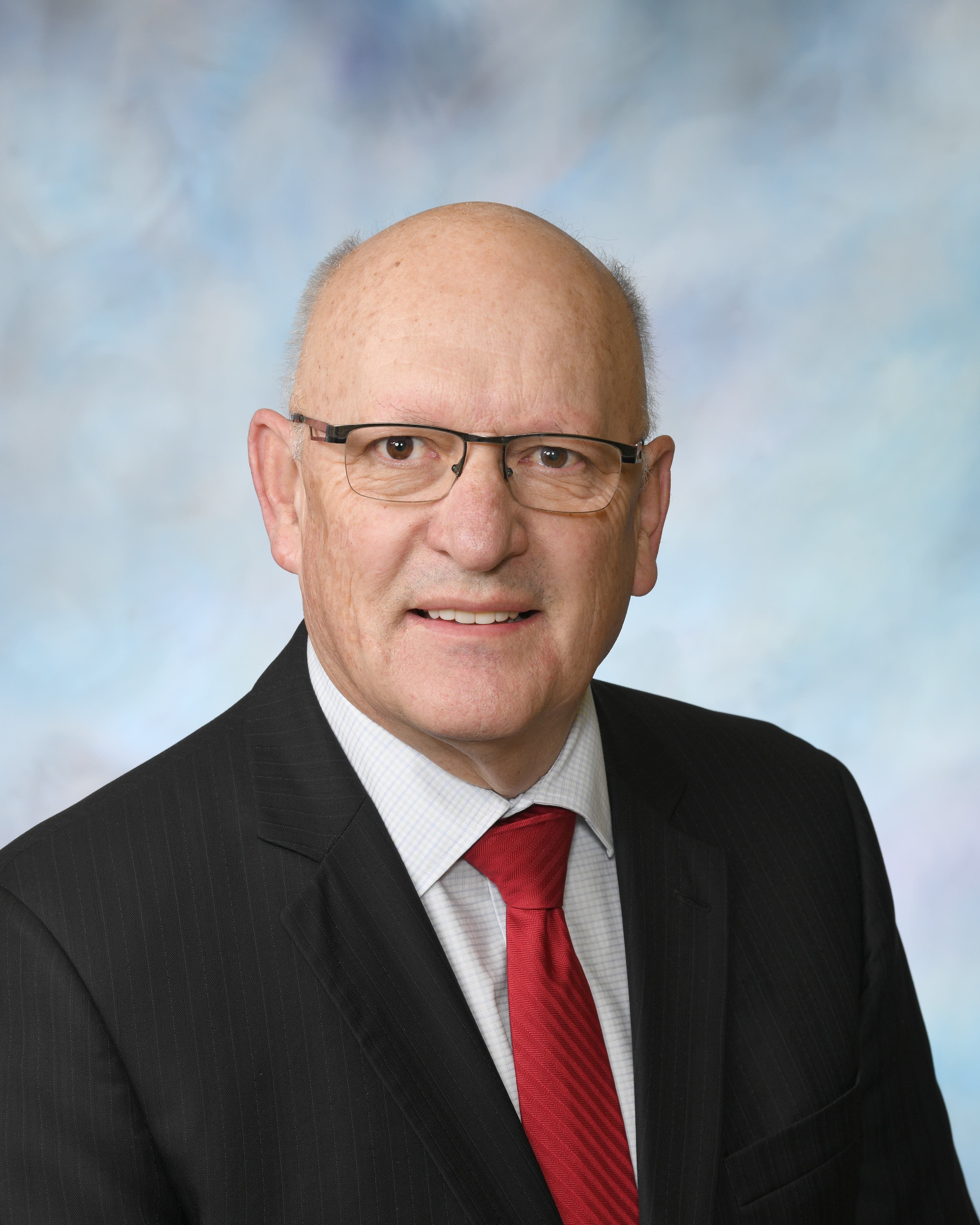
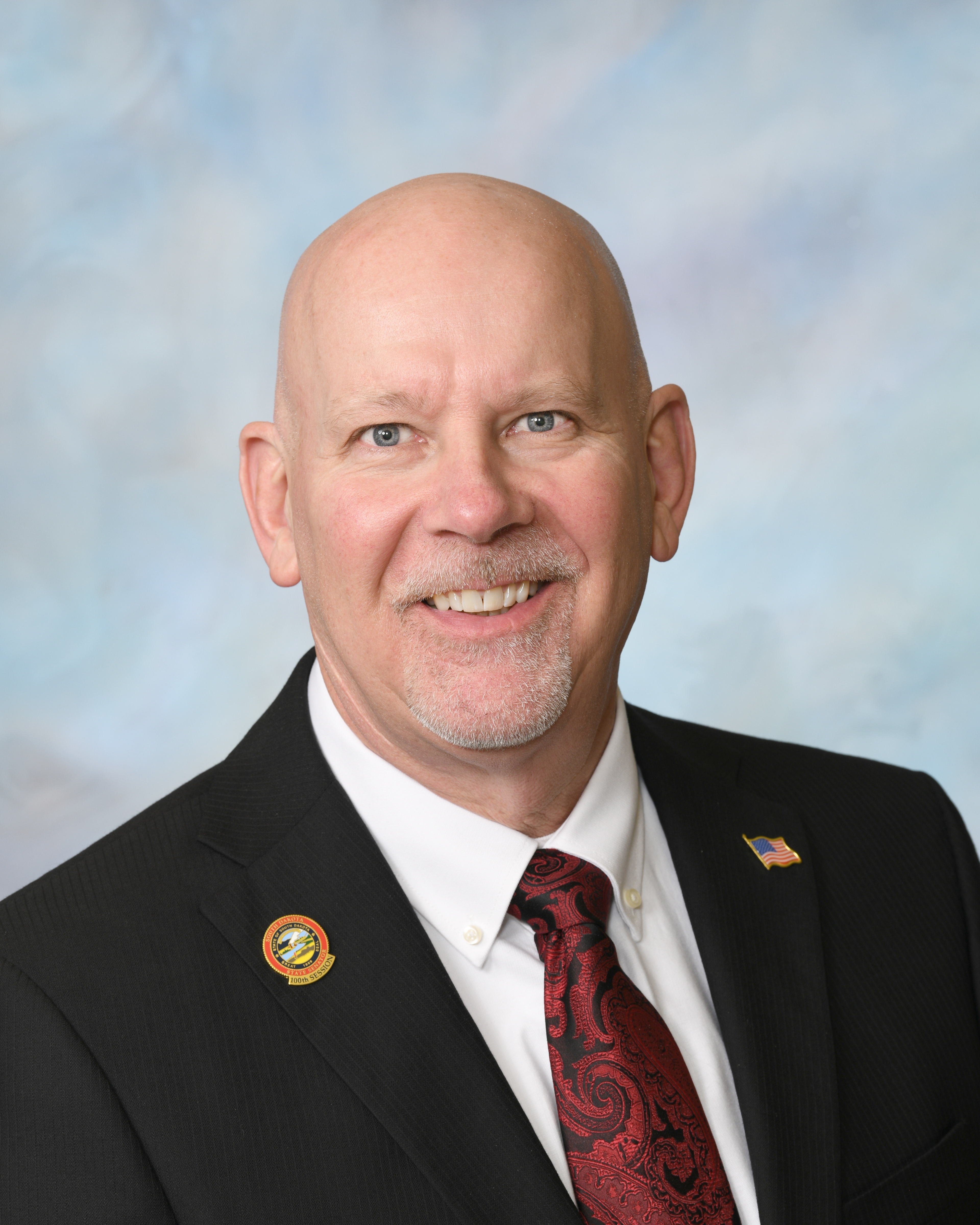
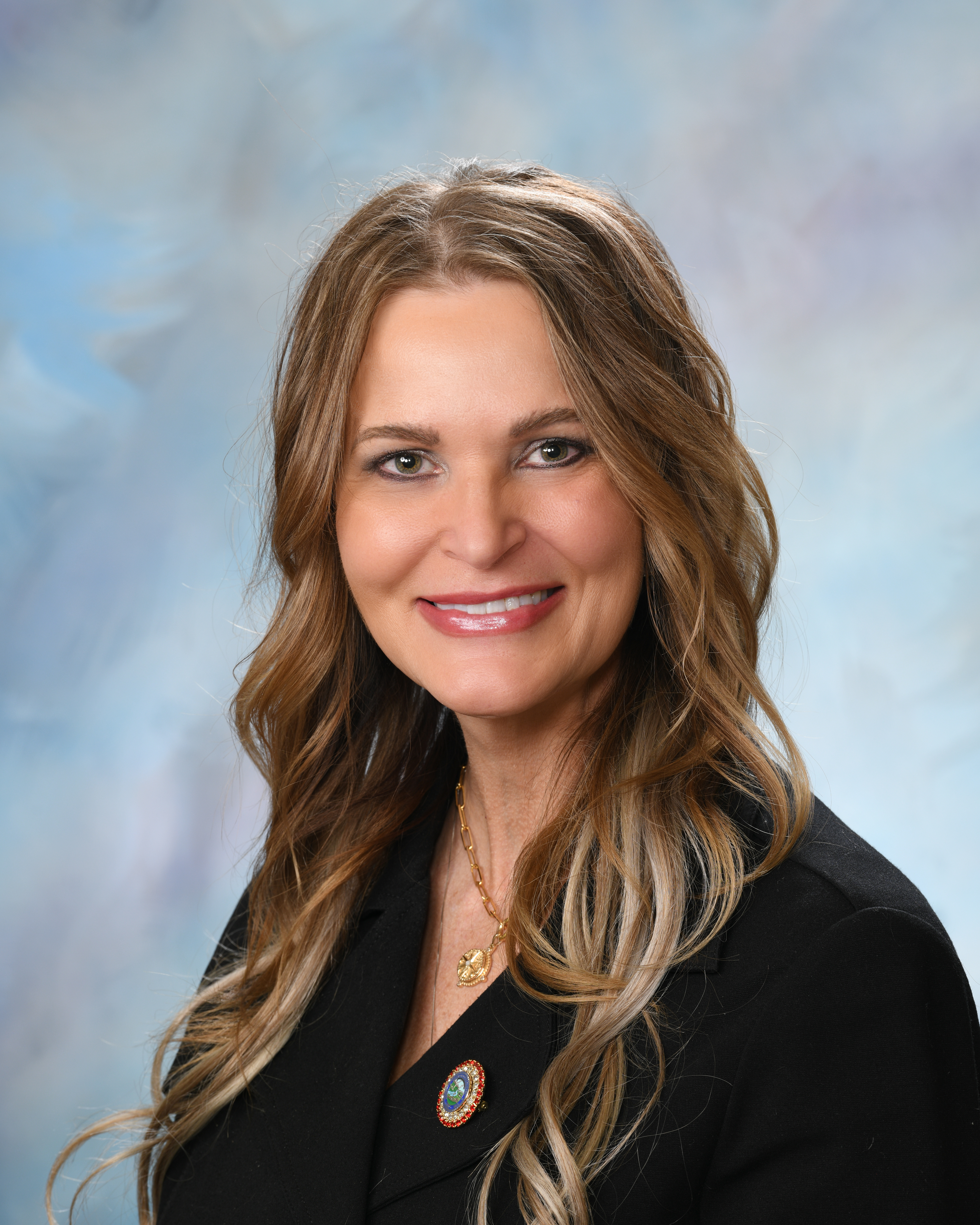
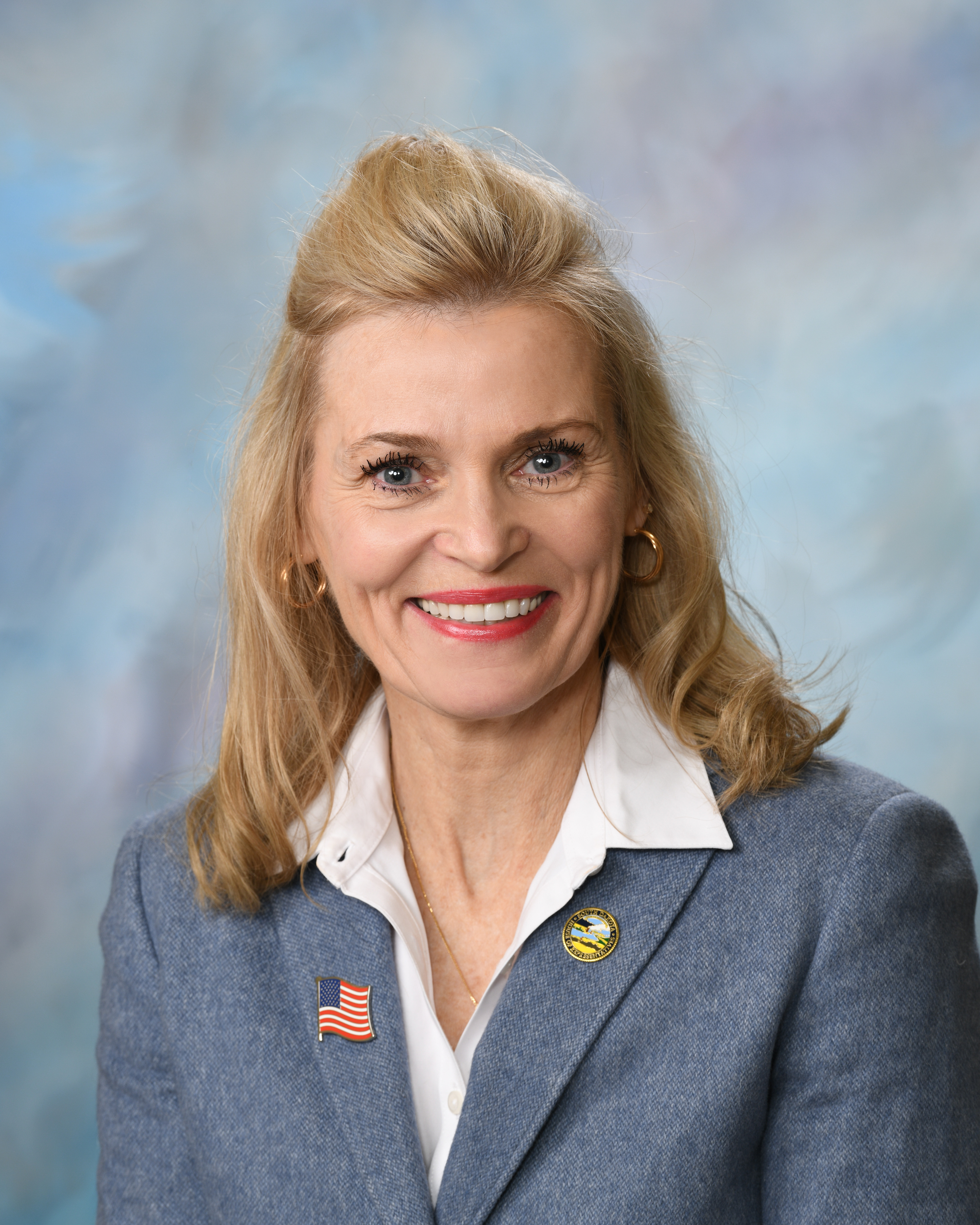
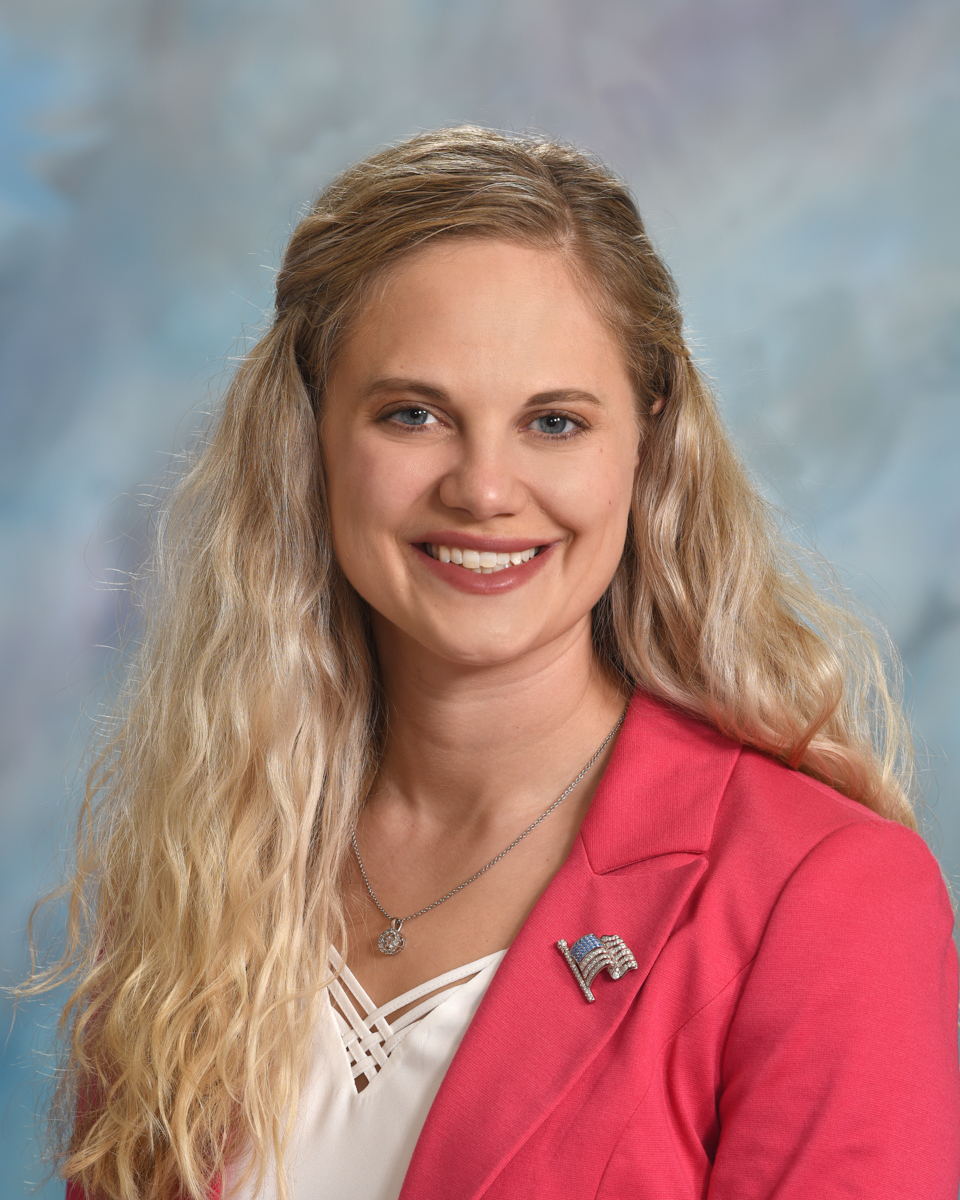
Sponsors
Discoveries
Patterns POLISCOPE noticed across the record. These are observations to investigate, not conclusions.
Introduction of Statutory Civil Remedies for Conscience Violations
The bill creates an explicit private right of action enabling aggrieved providers to recover damages and attorney fees alongside administrative penalties for delayed complaint processing.
Connected Entities
Sources
sdlegislature.gov
Analysis Score
0–100- Significance20Lowered because this bill did not pass (its text scored 75)
- Controversy85Intensity of disagreement among stakeholders
- Entertainment10Compellingness for a non-policy-wonk reader
- Buzz45Current news / social attention level
Publisher tools