
The civic record
Read. Follow. Verify.Wisconsin SB 1126 Raises State Minimum Wage to $15 Per Hour and Permits Local Ordinances
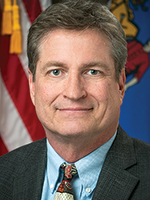
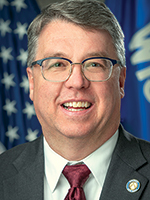
Last action · March 23, 2026: Failed to pass pursuant to Senate Joint Resolution 1Sponsors: Melissa Ratcliff and 17 others
Track this bill to get notified when it advances a stage. One tap to stop, anytime.
What This Bill Proposed
Senate Bill 1126 raises the state minimum wage for most employees to $15 per hour three months after taking effect and eliminates the state prohibition preventing local governments from enacting their own minimum wage ordinances. Three months after publication, the measure also requires the Department of Workforce Development to establish separate minimum wages for , agricultural employees, and specific student or worker categories.
The measure directly alters pay standards for workers across Wisconsin by shifting the general wage floor from $7.25 to $15 per hour and allows municipalities to pursue independent wage rules, while shifting specific sub-minimum wage determinations to agency rulemaking.
- Wisconsin's state minimum wage had remained at the federal baseline of $7.25 per hour prior to this legislative proposal. context
- State law previously prohibited local municipalities from enacting independent minimum wage standards within their jurisdictions. context
Who It Would Have Affected
Groups the bill's text would have affected, as described in the record. Being affected is not a position for or against it.
Employees generally
General minimum wage increases to $15 per hour and annual consumer price index adjustments apply.
Agricultural employees
Statutory sub-minimum wage provisions are repealed in favor of department rulemaking.
Local governments
Prohibition against enacting local minimum wage ordinances is removed.
Employers
Required to pay the new wage rates and adhere to department rules regarding specific worker classifications.
Key Facts
- The general minimum wage is established at $15 per hour for most employees, replacing the prior $7.25 per hour rate.
- The Department of Workforce Development must promulgate rules establishing minimum wages for opportunity employees, agricultural employees, camp counselors, golf caddies, disabled workers under license, student learners, and certain college students.
- The prohibition preventing cities, villages, towns, and counties from enacting and administering local minimum wage ordinances is eliminated.
- Beginning one year after the bill's effective date, the Department of Workforce Development must annually revise the minimum wage based on the consumer price index percentage difference, rounded to the nearest five cents.
Show all 7 facts
- Provisions establishing separate lower minimum wages for tipped employees, specific meal and lodging allowances, and statutory minimums for minor, opportunity, and agricultural employees are repealed.
- The Department of Workforce Development is prohibited from establishing a gender-specific minimum wage.
- Exemptions from minimum wage requirements are created for casual home-based workers, in-home companion workers for elderly or disabled individuals, and elementary or secondary school students performing school work-like activities.
Frequently Asked Questions
Can local cities or counties pass their own minimum wage laws if this bill passes?
What else do you want to know?
News Coverage
Follow the record
Votes, people, money & the original sourceWhere This Stands
This bill did not become law - Failed in the Senate.
Procedural history
3 actions- Mar 23, 2026SenateFailed to pass pursuant to Senate Joint Resolution 1
- Mar 19, 2026SenateIntroducedRead first time and referred to Committee on Government Operations, Labor and Economic Development
- Mar 19, 2026SenateIntroducedIntroduced by Senators Ratcliff, Wirch, Carpenter, Dassler-Alfheim, Drake, Habush Sinykin, Hesselbein, L. Johnson, Keyeski, Pfaff, Roys, Smith, Spreitzer and Wall; cosponsored by Representatives Sinicki, Miresse, Prado and Palmeri
Version history
Only one version on file - nothing to compare yet. As later stages (committee substitute, engrossed, enrolled) are captured, the redline appears here.
View official text →Lobbying Activity
No state lobbying filings in our records match this bill. Federal lobbying reports (LDA) cover Congress, so they are not listed on state bills.
Full breakdown
Who this bill affects and the strongest case for and against it, written only from the bill’s own text.
Sponsors




Show 13 more sponsors







Discoveries
Patterns POLISCOPE noticed across the record. These are observations to investigate, not conclusions.
Shift from Statutory Sub-Minimums to Agency Rules
The bill repeals specific statutory minimum wage rates for tipped, agricultural, and minor employees, delegating those determinations entirely to department rulemaking.
Connected Entities
Sources
docs.legis.wisconsin.gov
Analysis Score
0–100- Significance20Lowered because this bill did not pass (its text scored 85)
- Controversy80Intensity of disagreement among stakeholders
- Entertainment10Compellingness for a non-policy-wonk reader
- Buzz60Current news / social attention level
Publisher tools