
The civic record
Read. Follow. Verify.Louisiana House Bill 593 doubles maximum local motor vehicle field office transaction fees to eight dollars
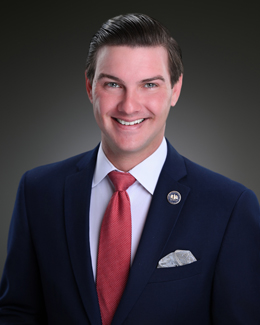
Last action · June 23, 2026: Effective date: 08/01/2026.Sponsor: Chance Henry
Track this bill to get notified when it advances a stage. One tap to stop, anytime.
What This Bill Does
Local governing authorities in Louisiana may now assess up to eight dollars per transaction at motor vehicle field offices not fully funded by the state, effective August 1, 2026. The legislation doubles the previous statewide general cap of four dollars and fifty cents while removing specific exceptions previously granted to individual parishes.
Residents visiting locally operated motor vehicle field offices will face higher transaction fees, while local governments gain the authority to raise additional revenue for facility rentals, utilities, and maintenance.
- House Bill 593 was enacted during the 2026 Regular Session of the Louisiana Legislature and became law without the Governor's signature as Act 948. context
- Office of motor vehicles field offices in Louisiana are managed jointly or regionally with varying state funding arrangements, prompting local governing bodies to establish supplementary funding mechanisms for facilities. context
Who It Affects
Groups the bill's text affects, as described in the record. Being affected is not a position for or against it.
Motorists using local office of motor vehicles field offices
Drivers may be charged up to eight dollars per transaction for services at applicable local field offices.
Local governmental subdivisions
Local governing authorities are authorized to levy higher transaction fees by resolution to fund local field office operations.
Key Facts
You don't have to trust us. Each fact below is taken straight from the official document - click any one to see the exact passage, highlighted in the original.
Frequently Asked Questions
What is the new maximum fee local offices can charge for motor vehicle transactions?
Does this fee apply when renewing a standard vehicle registration license?
What can local governments use the collected fees for?
What else do you want to know?
News Coverage
Follow the record
Votes, people, money & the original sourceWhere This Stands
Current status: Became law without the governor's signature.
Procedural history
27 actions- Jun 23, 2026HouseBecomes Act No. 948 without the Governor's signature.
- Jun 23, 2026HouseEffective date: 08/01/2026.
- Jun 1, 2026HouseSent to the Governor for executive approval.
- May 28, 2026HouseEnrolledEnrolled and signed by the Speaker of the House.
- May 28, 2026SenateEnrolledSigned by the President of the Senate.
- May 27, 2026HouseIntroducedRead by title, returned to the calendar.
Show 21 earlier actions
- May 27, 2026HouseCalled from the calendar.
- May 27, 2026HouseIntroducedRead by title, roll called, yeas 99, nays 0, Senate amendments concurred in.
- May 26, 2026HouseScheduled for concurrence on 05/27/2026.
- May 25, 2026HouseReceived from the Senate with amendments.
- May 20, 2026SenateFloorRules suspended. The amended bill was read by title, passed by a vote of 34 yeas and 2 nays, and ordered returned to the House. Motion to reconsider tabled.
- May 13, 2026SenateFloorReported without Legislative Bureau amendments. Read by title and passed to third reading and final passage.
- May 12, 2026SenateIntroducedRead by title and referred to the Legislative Bureau.
- May 11, 2026SenateCommitteeReported favorably.
- Apr 27, 2026SenateFloorSenate Committee amendments read and adopted.
- Apr 27, 2026SenateIntroducedRead by title. Recommitted to the Committee on Revenue and Fiscal Affairs.
- Apr 22, 2026SenateReported with amendments.
- Mar 31, 2026SenateCommitteeRead second time by title and referred to the Committee on Transportation, Highways and Public Works.
- Mar 30, 2026SenateReceived in the Senate. Read first time by title and placed on the Calendar for a second reading.
- Mar 26, 2026HouseFloorRead third time by title, roll called on final passage, yeas 83, nays 6. The bill, having received two-thirds vote of the elected members, was finally passed, title adopted, ordered to the Senate.
- Mar 25, 2026HouseScheduled for floor debate on 03/26/2026.
- Mar 24, 2026HouseFloorRead by title, amended, ordered engrossed, passed to 3rd reading.
- Mar 23, 2026HouseReported with amendments (9-5).
- Mar 9, 2026HouseIntroducedRead by title, under the rules, referred to the Committee on Transportation, Highways and Public Works.
- Feb 27, 2026HouseFirst appeared in the Interim Calendar on 2/27/2026.
- Feb 26, 2026HousePrefiled.
- Feb 26, 2026HouseCommitteeUnder the rules, provisionally referred to the Committee on Transportation, Highways and Public Works.
Version history
Only one version on file - nothing to compare yet. As later stages (committee substitute, engrossed, enrolled) are captured, the redline appears here.
View official text →Lobbying Activity
No state lobbying filings in our records match this bill. Federal lobbying reports (LDA) cover Congress, so they are not listed on state bills.
Full breakdown
Who this bill affects and the strongest case for and against it, written only from the bill’s own text.
Sponsors
Discoveries
Patterns POLISCOPE noticed across the record. These are observations to investigate, not conclusions.
Connected Entities
Sources
www.legis.la.gov
Analysis Score
0–100- Significance50How much this matters to a regular citizen
- Controversy20Intensity of disagreement among stakeholders
- Entertainment5Compellingness for a non-policy-wonk reader
- Buzz15Current news / social attention level
Publisher tools