
NewsLos Angeles TimesNovember 1, 2026Los Angeles County
Daylight saving time ends as clocks fall back one hour
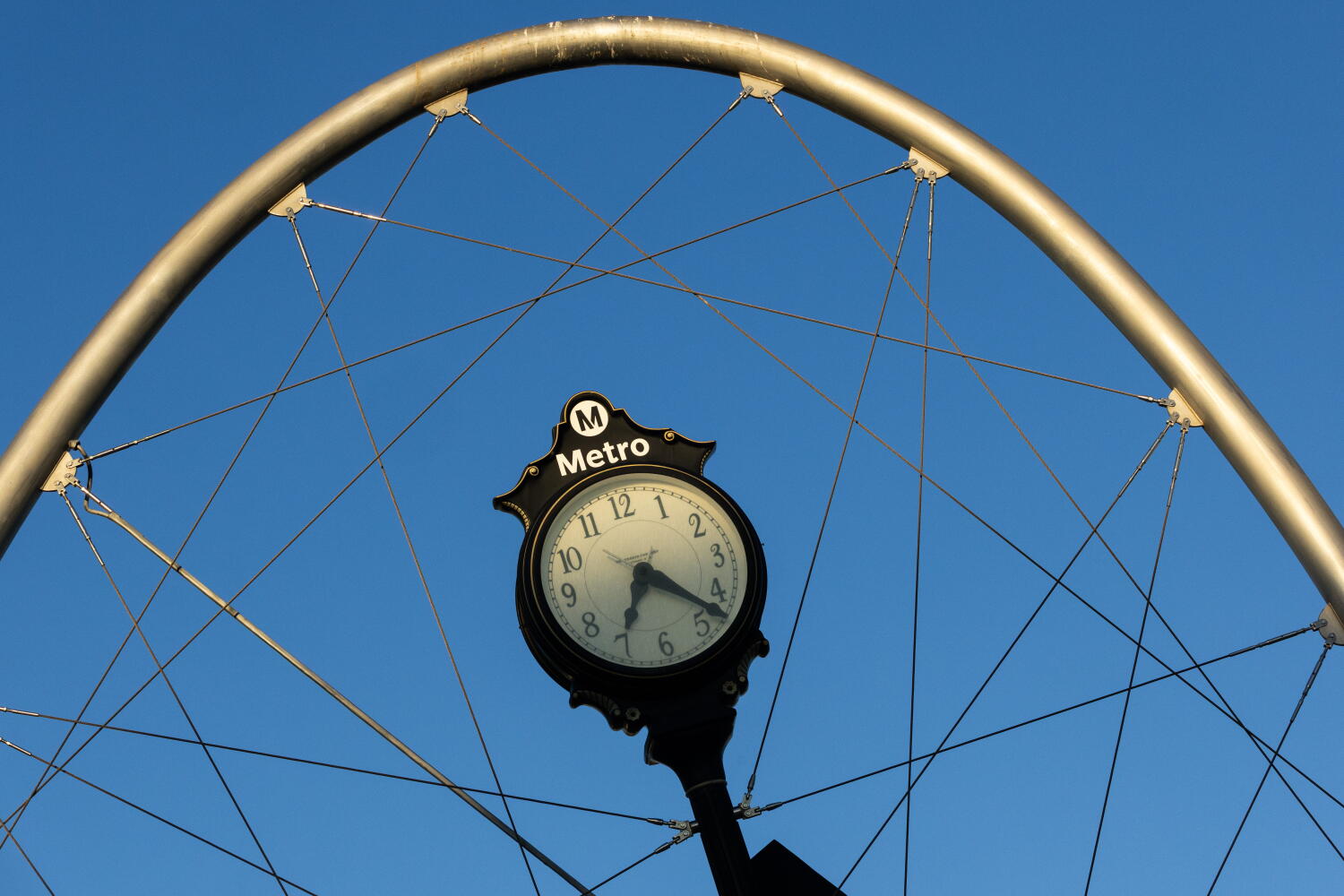
Photo: Los Angeles Times
Daylight saving time ends before dawn on Sunday, Nov. 1, requiring manual clocks to be set back one hour at 2 a.m. The change provides an extra hour of sleep, earlier evening darkness, and more morning light. Meanwhile, legislative efforts such as the Sunshine Protection Act continue to debate whether to make daylight saving time permanent or abolish the semi-annual transition.
Read the full story at Los Angeles TimesWhy It Matters
Residents gain an extra hour of sleep and experience a shift in daily sunlight hours, with darker evenings and brighter mornings, while federal and state lawmakers continue to weigh proposals that could alter or eliminate the twice-yearly time change entirely.
Key Facts
- Daylight saving time ends at 2 a.m. on Sunday, Nov. 1, with clocks falling back one hour.
- Most cellphones adjust the time automatically, while analog clocks must be set manually.
- The change results in an extra hour of sleep, more morning light, and earlier evening darkness.
- Daylight saving time was originally adopted in the U.S. through the Standard Time Act of 1918.
- The Sunshine Protection Act is a congressional proposal that seeks to make daylight saving time permanent.
- President Trump has expressed support for permanent daylight saving time.
- Sen. Tom Cotton of Arkansas has opposed the Sunshine Protection Act due to concerns about children walking to school in the dark.
- Sleep scientists and doctors have proposed making standard time permanent instead to benefit sleep cycles and reduce health risks.
- Research indicates permanent daylight saving time could lead to more vehicle collisions with pedestrians during darker morning commutes.
- Hawaii, most of Arizona, and U.S. territories do not observe daylight saving time.
- Californians voted in 2018 to allow lawmakers to end daylight saving time, though subsequent efforts have failed.
- Daylight saving time is scheduled to begin again on March 14, 2027.
Who's Mentioned
locationHawaii“Does not change clocks”locationArizona“Most of the state does not change clocks”locationArkansas“State where residents were urged to call Sen. Tom Cotton's cellphone”PersonTom Cotton“U.S. Senator from Arkansas who has opposed the bill”locationCalifornia“Voters voted in 2018 to allow lawmakers to end daylight saving time”otherStandard Time Act of 1918“First adopted daylight saving in the U.S. in 1918”PersonPresident Trump“Pushed for making daylight saving time permanent”