
The civic record
Read. Follow. Verify.Kentucky creates new criminal offense of grooming a minor and authorizes professional license revocations
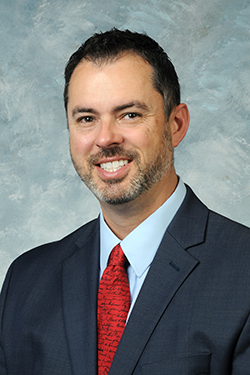
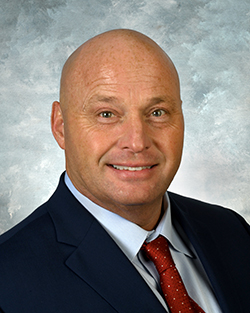
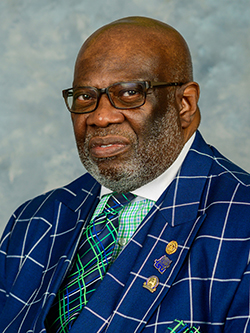
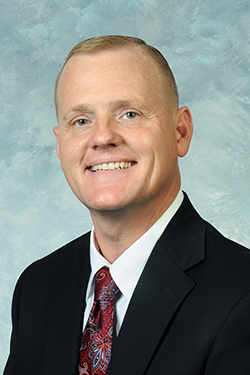
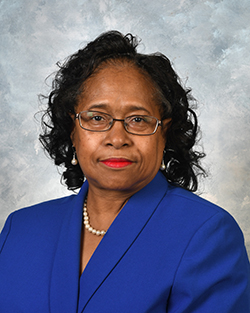
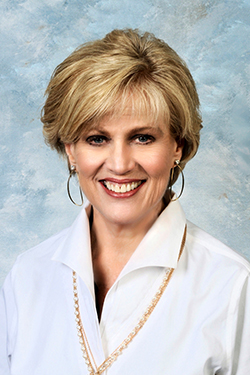
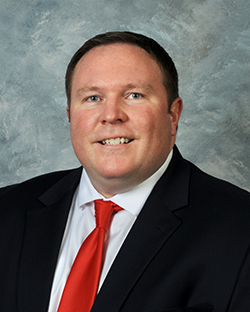
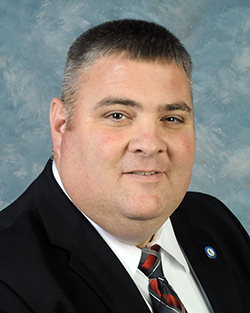
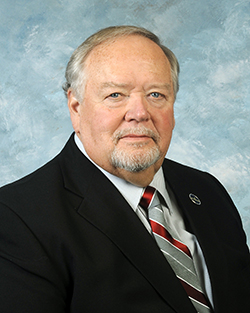
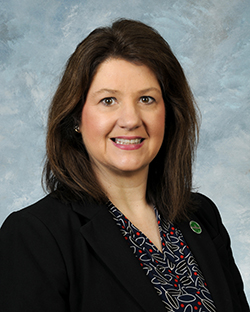
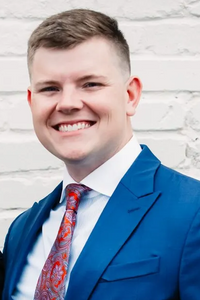
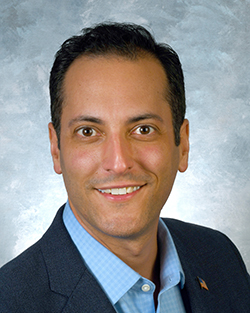
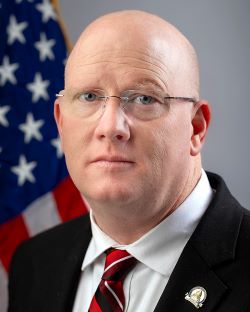
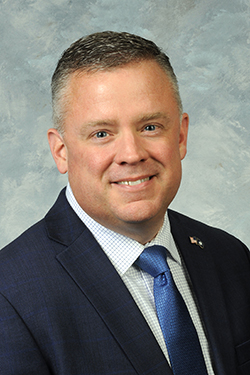
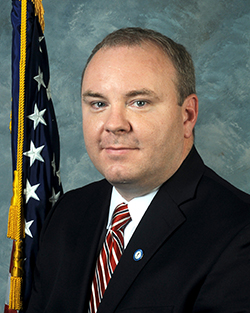
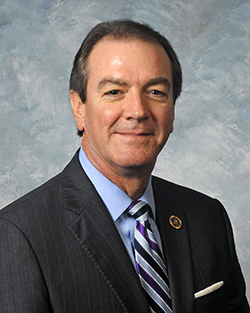
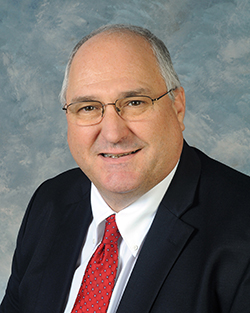
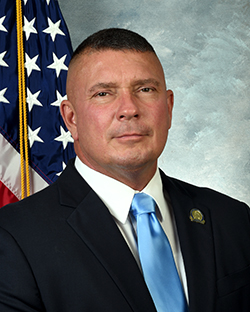
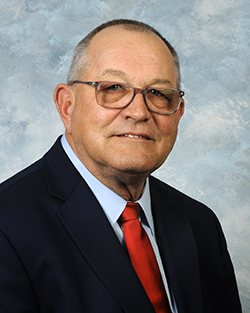
Last action · April 10, 2026: signed by Governor (Acts Ch. 65)Sponsors: Marianne Proctor and 41 others
Track this bill to get notified when it advances a stage. One tap to stop, anytime.
What This Bill Does
Kentucky establishes the criminal offense of grooming a minor, making it a Class A misdemeanor or felony depending on the perpetrator's age, authority, and the child's age. The law also authorizes professional licensing boards to discipline, suspend, or revoke the licenses of educators, medical professionals, and therapists convicted of sexual offenses or grooming.
The measure introduces felony and misdemeanor penalties for adults engaging in targeted s toward minors and establishes statutory grounds for professional licensing boards to strip credentials from credentialed workers who commit sexual misconduct with patients or students.
- The Kentucky General Assembly is the state legislature responsible for enacting statutory laws and amendments in the Commonwealth of Kentucky. context
- House Bill 4 passed through the legislative process during the 2026 regular session before being signed into law by the Governor as Chapter 65. context
Who It Affects
Groups the bill's text affects, as described in the record. Being affected is not a position for or against it.
Minors
Minors are protected by new criminal penalties established against targeted adult grooming behaviors.
Certified school employees
Educators face expanded professional disciplinary actions, mandatory reporting requirements by superintendents, and strict review timelines by the Education Professional Standards Board.
Licensed health care and therapy professionals
Physicians, nurses, physical therapists, social workers, massage therapists, and behavior analysts face explicit license suspension or revocation rules for sexual contact with patients or clients.
Key Facts
- An adult aged 18 or older who engages in grooming behavior directed at a minor under 14 with intent to entice, coerce, or induce sexual conduct is guilty of a Class A misdemeanor, unless the minor is under 12, making it a Class D felony.
- A person in a position of authority or special trust who engages in grooming behavior directed at a minor under 18 with intent to induce sexual conduct or develop an intimate/secretive relationship is guilty of a Class D felony, unless the minor is under 12, making it a Class C felony.
- Sentences imposed for grooming must run concurrently with any sentence for an offense arising from the same course of conduct with the same victim.
- The grooming statute exempts lawful communications such as human sexuality school curriculum, traceable school communication systems, health care diagnosis or treatment, abuse investigations, age-appropriate puberty talks by parents/guardians, and job- or volunteer-related duties.
Show all 8 facts
- The Education Professional Standards Board may discipline or revoke educator certificates for convictions of felonies, specific misdemeanors, or having sexual contact with a student or minor.
- Local school superintendents must report in writing to the Education Professional Standards Board within 30 calendar days if a certified employee's contract is terminated for cause, resigns under threat of termination, is convicted of a crime, or engages in conduct warranting certificate action.
- Professional licensing boards for massage therapists, physicians, emergency medical personnel, nurses, applied behavior analysts, physical therapists, and social workers are authorized to deny, suspend, or revoke licenses for sexual contact with patients or clients.
- The act amends definitions under KRS Chapter 510 to explicitly define 'grooming behavior' as a course of conduct intended to establish an emotional connection through manipulation, trust-building, or influence to facilitate future sexual conduct or desensitize a minor.
Frequently Asked Questions
What constitutes grooming a minor under this new law?
Are routine communications with children, such as teaching or medical care, illegal under this act?
What penalties apply if an adult in a position of authority grooms a minor?
What else do you want to know?
News Coverage
Follow the record
Votes, people, money & the original sourceWhere This Stands
Current status: Signed into law.
Procedural history
17 actions- Apr 10, 2026HouseEnrolledsigned by Governor (Acts Ch. 65)
- Mar 31, 2026HouseEnrolledposted for passage for concurrence in Senate House concurred in Committee Substitute (1) passed 92-0 enrolled, signed by Speaker of the House enrolled, signed by President of the Senate delivered to Governor
- Mar 27, 2026HouseCommitteereceived in House to Rules (H)
- Mar 26, 2026HouseFloor3rd reading, passed 38-0 with Committee Substitute (1)
- Mar 25, 2026Housepassed over and retained in the Orders of the Day
- Mar 24, 2026Housepassed over and retained in the Orders of the Day
Show 11 earlier actions
- Mar 20, 2026HouseFloor2nd reading, to Rules posted for passage in the Regular Orders of the Day for Tuesday, March 24 2026
- Mar 19, 2026Housereported favorably, 1st reading, to Calendar with Committee Substitute (1)
- Mar 16, 2026SenateCommitteeto Judiciary (S)
- Feb 5, 2026SenateIntroducedreceived in Senate to Committee on Committees (S)
- Feb 4, 2026HouseFloor3rd reading, passed 98-0 with Floor Amendment (2)
- Feb 3, 2026Housefloor amendment (2) and (3) filed posted for passage in the Regular Orders of the Day for Wednesday, February 04 2026
- Feb 2, 2026Housefloor amendment (1) filed
- Jan 29, 2026HouseFloor2nd reading, to Rules
- Jan 28, 2026Housereported favorably, 1st reading, to Calendar
- Jan 21, 2026HouseCommitteeto Judiciary (H)
- Jan 13, 2026HouseIntroducedintroduced in House to Committee on Committees (H)
Version history
Only one version on file - nothing to compare yet. As later stages (committee substitute, engrossed, enrolled) are captured, the redline appears here.
View official text →Lobbying Activity
No state lobbying filings in our records match this bill. Federal lobbying reports (LDA) cover Congress, so they are not listed on state bills.
Full breakdown
Who this bill affects and the strongest case for and against it, written only from the bill’s own text.
Sponsors



Show 37 more sponsors


















Discoveries
Patterns POLISCOPE noticed across the record. These are observations to investigate, not conclusions.
Creation of Dedicated Grooming Offense
The General Assembly created a distinct statutory crime for grooming behavior even when no in-person meeting or completed sexual act occurs.
Connected Entities
Sources
apps.legislature.ky.gov
Analysis Score
0–100- Significance85How much this matters to a regular citizen
- Controversy25Intensity of disagreement among stakeholders
- Entertainment5Compellingness for a non-policy-wonk reader
- Buzz40Current news / social attention level
Publisher tools