
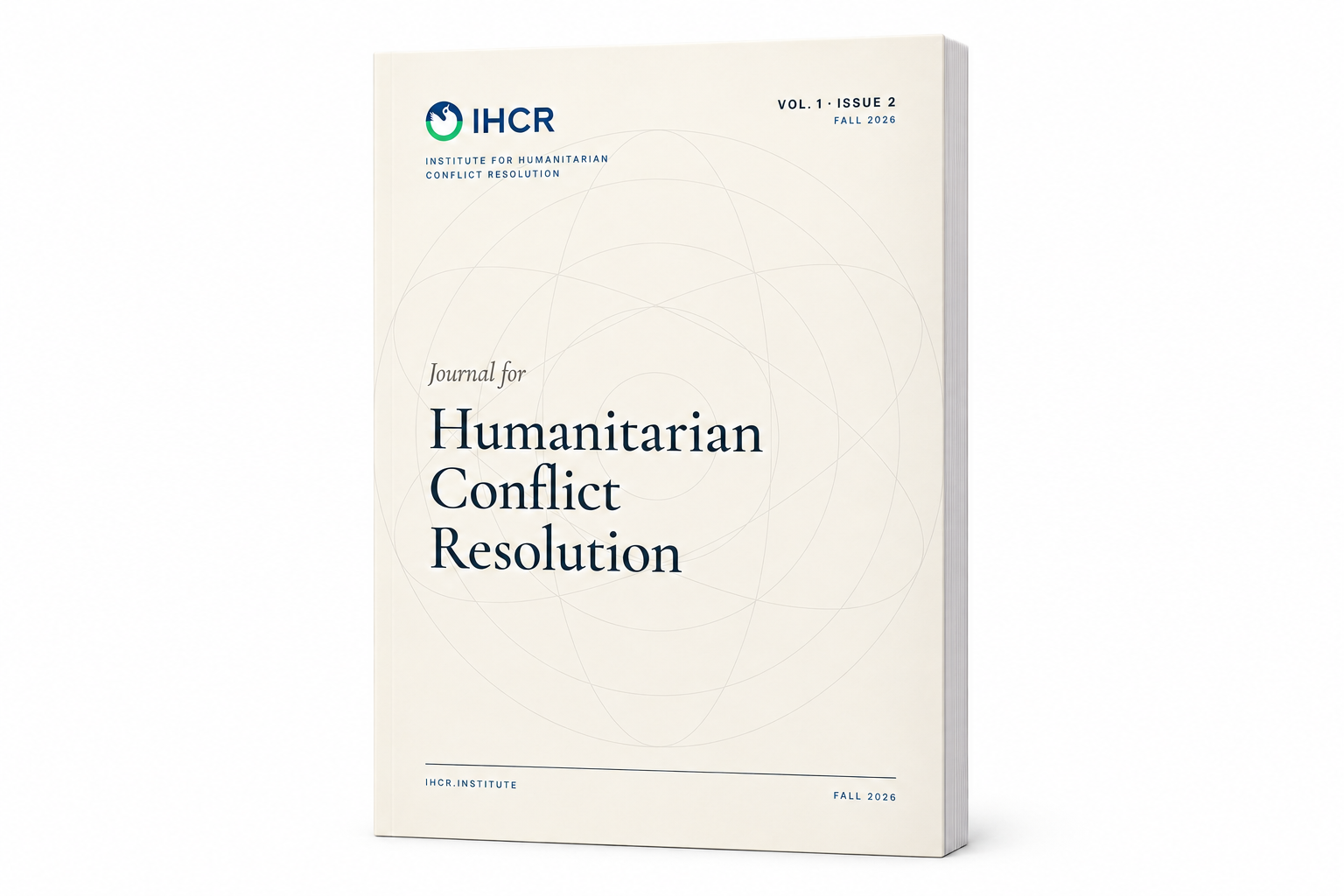
Announcing the Second Issue of the Journal for Humanitarian Conflict Resolution
Photo: CityWatch LA
The Institute for Humanitarian Conflict Resolution released its second journal issue, featuring eight contributions by scholars and professionals examining global human rights abuses, conflict, and paths to redress. The edition spans case studies and analyses covering human rights defense in Israel and Palestine, institutional responses to women's war stories, rural poverty in Morocco, healthcare crises for women in Taliban-controlled Afghanistan, Kurdish peace efforts in Turkey and Syria, participatory theater in Bosnia and Herzegovina, and the exploitation of children.
Read the full story at CityWatch LAWhy It Matters
The publication provides analysis and documentation of ongoing international human rights violations, humanitarian crises, and post-conflict recovery efforts across multiple regions, highlighting policy gaps and demands for institutional accountability.
Key Facts
- The Institute for Humanitarian Conflict Resolution published its second journal issue featuring eight contributors.
- Jessica Montell documented how Israeli and Palestinian human rights activists pursued legal action and documented abuses in Gaza following the October 7 Hamas attack.
- Anna Thukral highlighted the 'Witness Gap,' noting that humanitarian storytelling often fails to produce institutional accountability or policy reform for women.
- Dr. Yossef Ben-Meir argued that Morocco's rural-urban divide persists due to implementation failures, limited decentralization, and insufficient community participation.
- Nadia Akseer, Sonia Hamadi, Zainab Hashimi, Nesarualhaq Shadab, and Hana Tasic projected that Afghanistan could lose 5,400 skilled female health workers by 2030 due to Taliban restrictions.
- David L. Phillips analyzed the Kurdish struggle and argued that Turkey's peace requires democratization and cultural rights beyond PKK disarmament.
- Shiler Sido recounted her displacement from Afrin during Turkey's 2018 Operation Olive Branch and emphasized psychological healing in post-conflict reconstruction.
- Dr. Serap Fišo utilized the 'I Want to Live' participatory theater project in Bosnia and Herzegovina to explore displaced women's experiences without reducing them to suffering.
- Dr. Alon Ben-Meir examined child sex trafficking and child marriage as shared moral catastrophes that reduce children to commodities.