
The civic record
Read. Follow. Verify.Michigan HB 5857 integrates HOPE zones into transformational brownfield plans
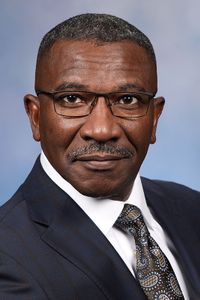
Last action · April 23, 2026: bill electronically reproduced 04/22/2026Sponsors: Amos O'Neal and 10 others
Track this bill to get notified when it advances a stage. One tap to stop, anytime.
What This Bill Would Do
House Bill 5857 allows developers and local governments to terminate certain tax exemptions within designated s or renaissance zones to capture and use those tax revenues for approved brownfield redevelopment projects. The bill requires approval from the and local governing bodies, and conditions its enactment on the passing of related legislation.
Determines how tax revenues are redirected from designated economic zones to fund specific brownfield development plans, affecting local tax collections and development financing timelines for property owners and municipalities.
Who It Would Affect
Groups the bill's text would affect if enacted, as described in the record. Being affected is not a position for or against it.
Property owners and developers
Can request the termination of HOPE zone or renaissance zone tax exemptions to secure tax capture revenue reimbursements for eligible brownfield activities.
Local governmental units and cities
Must participate in approval decisions and execute binding reimbursement agreements regarding city income tax revenues collected following zone exemption terminations.
Michigan Strategic Fund
Must approve transformational brownfield plans, work plans, and the election to terminate zone exemptions and utilize captured tax revenues.
Key Facts
You don't have to trust us. Each fact below is taken straight from the official document - click any one to see the exact passage, highlighted in the original.
Frequently Asked Questions
What is a transformational brownfield plan under this bill?
What happens to existing tax exemptions in a HOPE zone under this bill?
What else do you want to know?
News Coverage
Follow the record
Votes, people, money & the original sourceWhere This Stands
Currently in committee. The next step in the legislative lifecycle is Floor Vote.
Procedural history
4 actions- Apr 23, 2026Housebill electronically reproduced 04/22/2026
- Apr 22, 2026HouseCommitteereferred to Committee on Government Operations
- Apr 22, 2026HouseIntroducedread a first time
- Apr 22, 2026HouseIntroducedintroduced by Representative Rep. Amos O'Neal
Version history
Only one version on file - nothing to compare yet. As later stages (committee substitute, engrossed, enrolled) are captured, the redline appears here.
View official text →Lobbying Activity
No state lobbying filings in our records match this bill. Federal lobbying reports (LDA) cover Congress, so they are not listed on state bills.
Full breakdown
Who this bill affects and the strongest case for and against it, written only from the bill’s own text.
Sponsors



Show 6 more sponsors






Connected Entities
Sources
legislature.mi.gov
Analysis Score
0–100- Significance65How much this matters to a regular citizen
- Controversy30Intensity of disagreement among stakeholders
- Entertainment5Compellingness for a non-policy-wonk reader
- Buzz25Current news / social attention level
Publisher tools