
NewsKPBS Public MediaOctober 31, 2026San Diego County
NPR Political Correspondents Answer Listener Questions Ahead of the 2026 Midterms
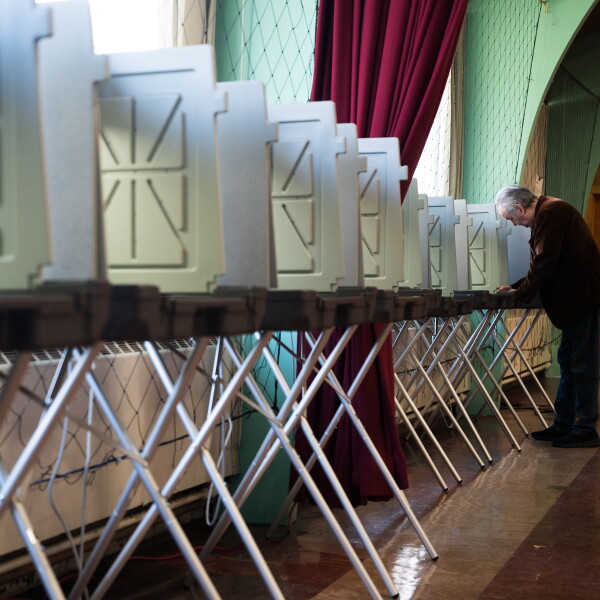
Photo: KPBS Public Media
NPR political journalists address listener questions about election polling accuracy, the realities of covering midterms versus presidential races, and key congressional, state, and ballot measure storylines to watch. The article explains that polls provide a fuzzy range rather than exact predictions and highlights specific state contests and redistricting ballot initiatives across the country.
Read the full story at KPBS Public MediaWhy It Matters
Residents receive expert perspective on how to interpret public opinion polls and what specific local and state ballot measures—such as redistricting rules and tax proposals in various states—could change for voters.
Key Facts
- NPR political correspondents answered listener questions about the 2026 midterms and election reporting.
- National polls generally perform well on the overall horse race, but margins of error mean they reflect a fuzzy range rather than precise outcomes.
- State and local surveys face challenges with lower-quality polls due to the decline of local journalism and reduced funding for rigorous local polling.
- Campaigns and corporations use external professional polling extensively to guide spending, travel, and messaging.
- Midterm elections often feature quirky down-ballot candidates and offer reporters more intimate access to candidates than heavily secured presidential rallies.
- Nevada's 2nd Congressional District features an unusual race where a Trump-backed Republican nominee faces a former Miss Nevada running as a Democrat, with the retiring Republican congressman stating he voted for a Libertarian.
- Maryland voters are considering a constitutional amendment regarding redistricting that could add a Democratic seat.
- Colorado voters are considering a measure to make mid-decade redistricting harder for the legislature.
- Missouri voters are weighing a congressional redistricting question aimed at helping Republicans flip a seat.
- Alaska voters are revisiting their nonpartisan top-four primary and ranked-choice voting system.
- California voters are deciding on a high-profile wealth tax ballot initiative funded by tens of millions of dollars.
Who's Mentioned
PersonAshley Lopez“NPR political correspondent”locationMaryland“State considering a redistricting ballot measure”PersonTamara Keith“NPR senior political correspondent”PersonDomenico Montanaro“NPR senior political editor and correspondent”locationNevada's 2nd Congressional District“Congressional district highlighted for an unusual race”locationAlaska“State voting on primary system and ranked choice voting”PersonSam Gringlas“NPR congressional reporter”locationMichigan“State watched for Senate and House races”locationCalifornia“State with a wealth tax ballot initiative”locationTexas“State watched for Senate and House races”locationMissouri“State weighing a congressional redistricting question”PersonPresident Trump“Former US President”locationColorado“State considering a mid-decade redistricting ballot measure”