
The civic record
Read. Follow. Verify.New Mexico bill restricts health facility geofencing, shields provider records, and mandates emergency care standards
Last action · February 14, 2026: HJC: Reported by committee with Do Pass recommendationSponsors: Chris Chandler and 1 other
Track this bill to get notified when it advances a stage. One tap to stop, anytime.
What This Bill Proposed
This measure prohibits geofencing around reproductive and gender-affirming health care facilities to track patients or collect data, strengthens privacy protections against out-of-state subpoenas, allows providers to use facility addresses on medication labels, and expands the confidential substitute address program to include protected health care providers.
The bill shifts legal protections for health care providers and patients by penalizing out-of-state discovery requests for protected health records, banning digital tracking near clinics, and requiring certain hospitals to maintain emergency departments and provide stabilization services.
Who It Would Have Affected
Groups the bill's text would have affected, as described in the record. Being affected is not a position for or against it.
Reproductive health care providers
Protected from out-of-state discovery requests, granted the option to use facility addresses on medication dispensing containers, and permitted to join the confidential substitute address program.
Covered entities and business associates
Prohibited from releasing protected health information in response to certain foreign subpoenas and required to notify affected individuals and providers within thirty days.
Hospitals
Must continuously maintain and operate an emergency department providing specific stabilization and emergency services to secure a license.
Key Facts
You don't have to trust us. Each fact below is taken straight from the official document - click any one to see the exact passage, highlighted in the original.
Frequently Asked Questions
What does the bill do regarding out-of-state subpoenas for health records?
Are health care facilities allowed to use geofencing for any purposes?
Can health care providers participate in the confidential substitute address program?
What else do you want to know?
News Coverage
Follow the record
Votes, people, money & the original sourceWhere This Stands
This bill did not become law - Died at adjournment · in House committee.
Procedural history
5 actions- Feb 14, 2026HouseHJC: Reported by committee with Do Pass recommendation
- Feb 11, 2026HouseHHHC: Reported by committee with Do Not Pass but with a Do Pass recommendation on Committee Substitution
- Feb 2, 2026HouseCommitteeSent to HHHC - Referrals: HHHC/HJC
- Feb 2, 2026New Mexico LegislatureCommitteeWithdrawn from committee or daily calendar, ordered printed and referred to
- Feb 2, 2026New Mexico LegislatureNot Printed
Version history
Only one version on file - nothing to compare yet. As later stages (committee substitute, engrossed, enrolled) are captured, the redline appears here.
View official text →Lobbying Activity
No state lobbying filings in our records match this bill. Federal lobbying reports (LDA) cover Congress, so they are not listed on state bills.
Full breakdown
Who this bill affects and the strongest case for and against it, written only from the bill’s own text.
Sponsors
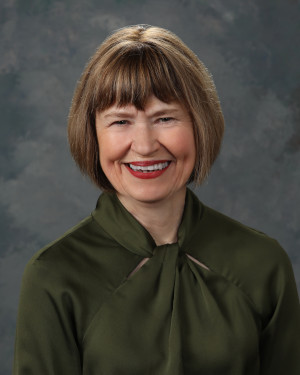

Discoveries
Patterns POLISCOPE noticed across the record. These are observations to investigate, not conclusions.
Expansion of Confidential Substitute Address Program
The bill extends eligibility for the confidential substitute address program from domestic violence victims to include protected health care providers.
Connected Entities
Sources
www.nmlegis.gov
Analysis Score
0–100- Significance20Lowered because this bill did not pass (its text scored 85)
- Controversy80Intensity of disagreement among stakeholders
- Entertainment10Compellingness for a non-policy-wonk reader
- Buzz45Current news / social attention level
Publisher tools