
The civic record
Read. Follow. Verify.West Virginia Bill Increases Penalties for Attempted First-Degree Murder and Modifies Parole Eligibility for…
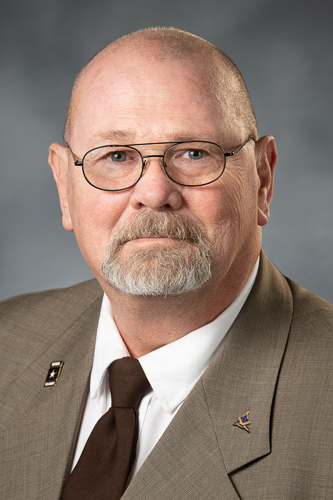
Last action · January 22, 2026: To House JudiciarySponsors: Dana Ferrell and 10 others
Track this bill to get notified when it advances a stage. One tap to stop, anytime.
What This Bill Proposed
House Bill 4758 establishes a mandatory sentencing range of 10 to 40 years in prison for attempted first-degree murder and lengthens the time inmates convicted of first-degree murder must serve before becoming eligible for parole. The legislation also designates these specific revisions as 'Todd's Law.'
Inmates convicted of first-degree murder face an extended wait of 25 years before parole eligibility compared to the previous 15-year requirement, and individuals convicted of attempted first-degree murder face specific statutory sentencing guidelines ranging from 10 to 40 years.
- West Virginia's criminal statutes govern felony sentencing tiers and parole board review processes through chapters 61 and 62 of the state code. context
- House Bill 4758 was introduced during the 2026 regular session of the West Virginia Legislature and referred to the House Judiciary Committee. context
Who It Would Have Affected
Groups the bill's text would have affected, as described in the record. Being affected is not a position for or against it.
Inmates convicted of first-degree murder
Inmates convicted of first-degree murder face an extended minimum service period of 25 years before becoming eligible for parole.
Individuals convicted of attempted first-degree murder
Individuals convicted of attempted first-degree murder are subject to a mandatory imprisonment term of 10 to 40 years.
Parole Board
The Parole Board must apply updated parole eligibility timeframes and review protocols when evaluating qualifying inmates.
Key Facts
You don't have to trust us. Each fact below is taken straight from the official document - click any one to see the exact passage, highlighted in the original.
Frequently Asked Questions
How long must a person convicted of first-degree murder serve before becoming eligible for parole under the bill?
What name is given to the revisions enacted in subsection (a) of Section 61-11-8?
What else do you want to know?
News Coverage
Follow the record
Votes, people, money & the original sourceWhere This Stands
This bill did not become law - Died at adjournment · in House committee.
Procedural history
4 actions- Jan 22, 2026HouseCommitteeTo House Judiciary
- Jan 22, 2026HouseIntroducedIntroduced in House
- Jan 22, 2026HouseCommitteeTo Judiciary
- Jan 22, 2026HouseIntroducedFiled for introduction
Version history
Only one version on file - nothing to compare yet. As later stages (committee substitute, engrossed, enrolled) are captured, the redline appears here.
View official text →Lobbying Activity
No state lobbying filings in our records match this bill. Federal lobbying reports (LDA) cover Congress, so they are not listed on state bills.
Full breakdown
Who this bill affects and the strongest case for and against it, written only from the bill’s own text.
Sponsors




Show 6 more sponsors




Discoveries
Patterns POLISCOPE noticed across the record. These are observations to investigate, not conclusions.
Extension of First-Degree Murder Parole Threshold
The bill shifts the parole eligibility threshold for first-degree murder convictions from 15 years to 25 years for offenses committed on or after July 1, 2026.
Connected Entities
Sources
www.wvlegislature.gov
Analysis Score
0–100- Significance20Lowered because this bill did not pass (its text scored 75)
- Controversy60Intensity of disagreement among stakeholders
- Entertainment10Compellingness for a non-policy-wonk reader
- Buzz35Current news / social attention level
Publisher tools