
POLISCOPE

The public record

FLORIDA · STATEWIDEHeld · official record pendingPartial coverage

Health Policy

Monday, January 26, 2026 · Government meeting record

The 30-second read

Record incomplete

This is a record of a meeting held by the Florida Senate Committee on Health Policy on January 26, 2026. The meeting lasted approximately two hours and four minutes.

Why it matters

This meeting serves as the official record for legislative discussions regarding health policy in Florida, which may influence future state healthcare regulations and funding.

What happens next

The scheduled meeting date has passed. Minutes or an action agenda are not published in the records we hold.
This meeting date has passed and no official outcome record has been published yet. Nothing on this page is a decision.

People and votes

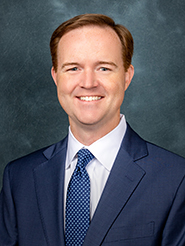
Clay Yarborough

State Senator District 4

Open person dossier

The reviewed record lists this person as present but does not attribute a motion, statement, or individual vote to them.

Transcript and record text

Closed captionsWhat was said at the meeting, transcribed Sep 28, 2026. Speech is not a decision.
  • Some speaker identities remain unresolved.

The opening of 110,071 stored characters

>> Good afternoon. The Committee on Health Policy will now come to order. On HR, please call the roll and announce the presence of a quorum. >> Senator Berman, Senator Codiod, Senator Davis, Senator Gates, Senator Leech. Senator Massullo. >> Here. >> Senator Osgood? Senator Passadomo. >> Here. >> Senator Trumbull. Senator Harold. >> Here. >> Chair Burton. >> Here. >> We do have a quorum. >> Thank you. Just a reminder to all of us on the committee as well as our audience members, please silence all your electronic devices. Also, anybody wishing to speak before the committee today should complete an appearance form and hand it to a member of our sergeant's office. Also, I want to note that Senator Berman is not here, but she is excused. If you choose to waive your time, if you'd like to speak, your position, if noted, and there's a place for you to note it on the form will be included in the committee meeting records. All right, Senators, we have a busy afternoon, and we're going to start with Tab one, which is Senate Bill 1082 on statewide Provider and Health Plan claim Dispute Resolution program by Senator Gall. After non Senator Gall, you're recognized on the bill. >> Thank you, Madam Chair. In 2016, Florida enacted strong protections preventing patients from receiving surprise medical bills when emergency care involves out of network providers. Patients with state regulated plans pay only in network cost sharing, no balance billing. Then the Federal No Surprises Act in 2022 strengthened these protections and applied them to all Floridians regardless of plan type. As a result, patients are held harmless. Balance billing is prohibited and payment disputes occur only between the insurer and provider, not the patient. Problem in Florida is that Florida's current method for resolving payment disputes between insurers and out of network providers is not truly effective. The state arbitration process is rarely used, time consuming, and difficult to navigate. Therefore, providers are often forced into expensive and prolonged litigation just to obtain payment for emergency services that have already been delivered. Federal No Surprises Act offers a better path of clear timelines, low cost, neutral trained dispute resolution experts and baseball style arbitration that encourages reasonable offers from both sides. Baseball style arbitration was a new concept to me as somebody who has litigated for years, it's still not a concept that I was familiar with, but it's basically where both parties put their best offer on the table, and one of them is selected. It's not going to be decided. You know, a different number is not going to be picked out. And so what it does, I believe, is it really helps. Both parties look realistically at the criteria and make a reasonable offer for those services that have been provided. The solution in this bill is to create an efficient statewide mechanism to resolve payment disputes by allowing either party, the provider or the insurer to opt into the federal independent process, dispute resolution process for emergency out of network claims under state regulated commercial plans. SB 1082 reduces unnecessary litigation, relieves pressure on the Florida court system, and speeds up payment decisions, lowers administrative costs for providers, and uses a proven, fair national standard while also maintaining strong patient protections that are already in place. That is the bill. >> Thank you. Senators, are there questions on the bill? See no questions? It looks like we have one amendment. We have Bar code 925054 by Senator Gall, which is late filed. Is there objection to taking up the late filed amendment? Seeing none. Should the amendment introduced. And, Senator Gall, you're recognized on the amendment? >> Thank you, Madam Chair. This amendment makes it clear that a provider or health plan can access the state program under specific circumstances. >> Thank you. Are there questions on the amendment? Senator Harold, you're recognized for a question on the amendment? >> Does this it's my understanding, let me make sure I'm clear. This clarifies the problem that exists in the original bill that if you have applied for the federal program, then you were ineligible to provide to apply. Should that not be allowable, you can still apply for the state program. >> You recognize. >> Thank you, Madam Chair. That is correct. That is what this is intended to correct. And my understanding is there may be some people speaking in favor of that today, and I'm obviously committed to the continued ongoing dialogue to make sure that it does, in fact, leave the state path open for those who wish to pursue it. >> Thank you. >> Additional questions on the amendments. Do we have appearance cards on the amendment? None. Okay. Is there a debate or opposition to the amendment? Seeing none. We'll show the amendment is adopted. We're back on the bill as amended. Do we have additional questions? Okay. See none? Are there appearance cards on the bill? Thank you. Just a couple. Blake Buchanan, doctor Buchanan. You. Good afternoon. You're recognized. >> Good afternoon. Thank you for giving me the time to speak today. As you said, I'm Blake Buchanan. I'm also the president elect of the Florida College of Emergency Physicians, and we support this bill and support the overall IDR process that the state has. We agree that there are definitely fixes that need to be made to the current process, although the process instituted by the legislature since 2016 has overall been working, but we think that while something needs to be fixed, we shouldn't just throw out the state system and shift more to the federal system. It's like if your car battery is broken, you're not going to just go get a new car. I think I think this is something we can work on and fix. And one of our main solutions we think would be beneficial that the amended language doesn't directly address at this time is that there's no way for our groups, the provider groups to know if a plan is state regulated or federally regulated, just looking at the process. And so if we had either on the ID cards or the claims forms, a way for us to be able to tell if it's state regulated, that would solve a lot of this problems and be able to allow us to know which process to go down and not inappropriately file at different levels. >> Thank you for being here. Heather Turnbull, on behalf of HCA. Was of thank you. Seeing no additional appearance cards? Is there debate on the bill? See no debate. Senator Groll are recognized to close. >> Wave close. >> On HR, will you please call the roll on Senate Bill 1082. >> Senator Berman. Senator Corio? Senator Davis? >> Yeah. >> Senator Gates? Senator Leak. Senator Masullo? >> Yes. >> Senator Osgood? Senator Pasdomo? Senator Trumbull. >> Yes. >> Senator Harold? >> Yes. >> Share Burton? >> Yes. By your vote, Senate Bill 1082 is reported favorably as a committee substitute. Don't go too far, Senator Gall. Committee members will now take up tab two, which is Senate Bill 11 68 on background screenings. By Senator Gall, and Senator Gall you're recognized on the bill. >> You, Madam Chair. Currently, the eight specified agencies defined by statute 435.02 sub seven that are part of the care provider clearinghouse have different processes to address their own background screenings. And there are challenges that come with this decentralized process where each agency must staff its own background screening unit, complete with staff to fill phone calls, answer emails, process screenings and exemptions from disqualification and perform administrative tasks. Decentralized process of screening across multiple agencies leads to inefficiencies, inconsistent determinations, and increased costs. If we centralize this process to ACA, which is what this bill seeks to do, we believe that there will be faster turnaround times and better communication. Integration with the licensure systems of participating agencies would allow for seamless display of eligibility decisions, would reduce provider liability by maintaining real time notifications of employee arrests. Reduces workforce duplication and streamlines business processes, resulting in cost savings and faster turnaround times, and the care provider networks and qualified entities will benefit from more reliable and timely background screening information, allowing make better informed hiring decisions. Each specified agency will continue to maintain its own processes for exemptions and other specific functions. Currently, ACA processes more than 50% of the clearinghouse work items with turnaround times twice as fast as other agencies using 1/3 the staff. Currently, there are 200 positions across all specified agencies that assist in processing background screenings, and ACO would only need 60 new positions to handle the entire workload presently managed by those 200 positions. Modernization of the clearinghouse system in 2024 enables the centralization of all screenings to one agency with minimal additional development required. The bill also addresses the coach's background screening that we talked about a little bit last year and incorporates the language that passed the Senate last year. >> Thank you. Are there questions of the Bill sponsor? See none. I see we have an amendment. You do. >> Thank you, Madam. >> I'll take up Amendment Bar code 266302. Senator Gall, you're recognized on the amendment. >> Thank you, Madam Chair. Per Sections 943.0 585 and 943.059 of the Florida statutes, specified agencies in the clearinghouse are allowed to review sealed and expunged information when making eligibility determinations of those required to be screened through the clearinghouse for qualified entities to receive the benefit of the sharing of criminal histories through the clearinghouse, as the legislation intended. This is the legislation from 2023 intended, then screenings conducted for qualified entities need to include sealed and expunged records. That is the amendment. >> Are there questions on the amendment? Okay, see none? Any appearance cards on the amendment? No. Is there debate or opposition to the amendment? See none show the amendment adopted, so we're back on the bill as amended. Do we have any questions? Senator Davis, you recognized. >> Thank you, Madam Chair. Just please forgive me, Senator. I see that there's a fiscal attached to it, of the impact with ACA taking over this process. Are you confident with the 60 positions that you're proposing here that ACA will be able to handle this load, as we know ACA can have challenges of their own without this. So I guess my question is, are we confident that ACA, with the 60 positions will be able to accomplish the goal of your legislation? >> You're recognized. >> Thank you, Madam Chair. I'm confident based on what I have seen ACA do in the last number of years that I've worked on this type of legislation with them with a repurposing of a number of positions at other agencies that are currently handling the background screening, and with this appropriation of 4.5 million, which has been pretty consistent in terms of building out the clearinghouse and its capabilities to bring in, whether or not it's healthcare providers or educators, this appropriation is fairly consistent with what they've needed over the last number of years. But I'm happy to get you additional information from them, but what we've seen in this space has, I think, been truly remarkable. And those entities that are already using the clearinghouse as it was intended to make it easier to bring someone on or bring volunteers on, they really see the potential for not only the cost savings for the state, but also for the individuals who want to be screened to participate in employment, different employment opportunities, different volunteer opportunities, where they will be paying one fee, renewing every five years, and allowing that individual to move more freely throughout the marketplace. >> Any additional questions? See none. Are there appearance cards? I think we have a couple on this one, as well. Shaun Stafford. Was Waving support Orange County Public Schools. I'm sorry, the name is Marquise Mc Miller. Waving support. Thank you. No additional public comment cards. Is there debate on the bill? See none, Senator Gall you're recon I'm sorry, Senator Osgood. >> Thank you, Madam Chair and thank you, Senator Gall. As a mother and former school board member, I am very excited to see this bill. There are a lot of horrible people that do horrible things to children, and they continue to find a way to get in settings to have access to children. I really like this bill because I think that protecting our most vulnerable communities and ensuring our systems work clearly consistently and fairly is our job as legislators. So as we look at this bill, it strengthens our background screening framework for people working with children, seniors and individuals with disabilities. And these are the settings where trust is not optional. It is essential. And this bill gives us a more uniform way of addressing this by relying on systems to talk to each other. And it draws a line from what's needed, even to the point where we're now looking at nonviolent issues because something can be nonviolent but it does not mean that it's not harmful and it's not serious. There are a lot of bad people taking advantage of the elderly with fraud and taking their homes and different things like that. So I wanted to make sure to speak out about this bill, even with strengthening the safeguards for youth athletics. A lot of times we have coaches and people working with kids, and on the face value, they are very nice people, and most of them are, but sometimes some of them are not. So this legislation, for me, is about prevention. It's another step in the right direction to give some clarity and make sure that our laws keep pace with the real risk that we face in these vulnerable communities every day. So I think this bill strikes a balance as I was reading through it of fairness and accountability. It don't just eliminate second chances, but it puts enough things in place that puts us in a better position with background screenings and giving people access to vulnerable communities without the due diligence of the background screening. So thank you. I'm in support of this bill. >> Additional debate. I miss anybody? Seeing none. Senator Gall, you're recognized to close on the bill. >> Thank you. I would like to thank Senator Osgood for closing for me and [LAUGHTER] ask for your favorable support of the bill. >> Thank you. On HR, please call the roll on Senate Bill 11 68. >> Senator Berman. Senator Catiod. Senator Davis? >> Yes. >> Senator Gates? >> Yeah. >> Senator Leak. Senator Masullo? >> Yes. >> Senator Osgood? >> Yes. >> Senator Pasdomo? >> Yes. >> Senator Trumbull? [NOISE] Senator Harold? >> Chair. >> Yes. By your vote so Senate Bill 11 68 will be reported favorably as amended. Excuse me, as Comitee substitute. Senators, we will now move to take up Tab 4. Is Senate Bill 11 56 on ambulatory surgical centers by Senator Trumbull. Senator Trumbull, you're recognized on the bill. >> Thank you very much, Madam Chair. Senators, this is the same bill that this committee saw last year, which moves the regulation of ambulatory surgery centers out of Chapter 395 and into their own standalone section of Florida law. Chapter 395 was originally written and is primarily designed for hospitals and ambulatory surgery centers are outpatient facilities with a much more narrow scope of services. So we believe that this move is the right move for ambulatory surgery centers. >> Thank you. Do we have questions of the bill sponsor? Are there appearance cards on the bill? No. Is there debate? Senator Trumbull, you're recognized to close. >> wave close. >> Thank you. On her, please call the roll on Senate Bill 11 56. >> Senator Berman. Senator Codio? >> Yeah. >> Senator Davis? >> Yeah. >> Senator Gates? >> Yes. >> Senator Leek. Senator Mazlo? >> Yes. Senator Osgood? Senator Pasadomo? >> Yes. >> Senator Trumbull? >> Yes. >> Senator Haol? >> Senator Burton. >> Yes. By your vote, Senate Bill 1156 is reported favorably. So now we're going to go to Tab 5, and I am going to pass the gavel to President Passidomo, Senator Passidomo. >> Thank you, Madam Chair. Taking up Tab 5, SB 1480 on temporary certificates for practice in areas of critical need. Senator Burton, you have a strike all pending. Do you wish to move directly to the strike? >> Yes, please. >> The strike is Bar Code 755302. It's timely filed. Senator Burton, you recognized to explain the strike all. >> Thank you. Senators, I know you read, we have excellent staff analysis of the bill, previously the underlying bill here that explains to all of us the role of healthcare practitioners in areas of critical need here in Florida. And as we all know, Florida has critical shortages in all areas of healthcare. The federal government is responsible for designating the areas of critical need within our state. Happened over the years. We had physicians and practitioners in areas of critical need for decades now. Best we can tell it's from the '80s here in Florida. And every year, when the revision happened, it just continued to roll on in the same areas where continued to be areas of critical need, so no changes were necessary. These physicians practice under a limited license here in Florida that can only practice in this particular area. And we're looking at the possibility of a new designation occurring sometime within this calendar year, whereby many of these areas would no longer be designated areas of critical need. So there's a critical need there, I believe, for us to act today, this session to protect the Floridians, the patients of these healthcare providers in Florida. This bill, this amendment, which is really now the bill, does that by creating a simple grandfathering process for any ACN certificate holder has an active primary care relationship at the time of designation by the federal government to be allowed to continue practicing in that area. It does not guarantee them that they get a certificate to practice as the Board of Medicine still retains oversight. It simply creates a pathway for the continuation of their practices to protect their current patients and other potential patients in that immediate area where they currently practice. That is the amendment. >> Are there any questions on the strike all amendment? Are there any appearance forms on the? >> No ma'am. >> Is there any debate on the strike all? Senator Burton, you're recognized to close. >> I think I'll waive close. All in favor of the amendment, say Yea. >> Yea. >> All opposed, say Nay. The amendment is adopted. We're back on the bill as amended. Any further questions on the bill? Is there any appearance cards on the bill? Now we have some. Thank you. Dr. Rick Shinto from Orlando. You are recognized. Did I say it right? >> Close enough. >> Well, you tried Passidomo. [LAUGHTER] >> Okay. Thank you. Thank you, Chair. Thank you, senators for the time. My name's Dr. Rick Shinto. I'm the CEO of InnovaCare. We serve over 100,000 patients in Florida, and we have about 37 clinics. I'm here today speaking on behalf of the Coalition for Alliance for Healthcare Access. This organization is put together with medical groups that provide medical care in the state of Florida. And within our clinics, we cover the entire state with many of our clinics in areas underserved. So this bill is very important to us because we have both ACN and fully licensed doctors all working together. The purpose of the bill has two fold. Number 1, it's to provide some security for our patients because they want to know that their doctors are always going to be there for them and that if something should change all of a sudden, we would lose access. And that's one thing we want to address is making sure they have continued access no matter when the bills similar to this changes. Others for the providers. A lot of these providers have come up here to support and have been providing a lot of care. They've really built an infrastructure with their patients, a lot of them serve the underserved area. Many of them help support our Spanish speaking populations. And so it really solves and addresses an issue that I think the chairman has taken a very strong position for. We as the organization would like to show our support for this bill and for all their hard work. So any questions? >> Thank you for your testimony. >> Thank you. >> Next, Jeff Scott, who is waving in support from the FMA, it looks like. Daniel Martinez, Americans for Prosperity waves in support. Is there any debate on the bill? No debate. You look like you want to debate. You're recognized. >> Thank you, Jeff Passidomo. I'm just going to ask Senator Burton, could you talk about because we got past it really quickly. In the amendment, it removes the requirement that the active treatment relationship with a patient is established before January 2026. And I'm just curious about that. So on your clothes, could you just talk about that a little bit for me? >> Any other debate? >> Senator Burton, you're recognized to close and answer the question. >> Certainly. And one of the things that we have attempted to do in this bill was to not only limit practitioners to the current patients that they have on a given date in time in the event that the area of critical need areas should change, but establish them as practicing physicians and providers in those communities who can also take new patients, but only in the area in which they currently are practicing. And here again, as I said, I think we are all keenly aware. I'm sure we all hear from constituents from one corner of our state to the other who have difficulty getting appointments, accessing health care. And I think the last thing I would like us to do would be to, quite frankly leave Floridians high and dry without the physician they've been seeing that's been serving their area, and these physicians are important community members and serve an important need here in Florida. So I would hope we would continue to support them in the good work that they do. So with that, I would appreciate your support of the bill. >> Thank you. Anna, please call the roll on SB 14 80. >> Senator Berman? Senator Calatayud? >> Yes. >> Senator Davis? >> Yes. >> Senator Gaetz? >> Yes. >> Senator Leek? Senator Massulo? Senator Osgood? >> Yes. >> Senator Passidomo? >> Yes. >> Senator Trumbull? >> Yes. >> Senator Harrell? >> Yes. >> Chair Burton. >> Yes. >> By your vote, SB 1480 will be reported favorably, and I'll turn the gavel back to you. >> Thank you very much. And our final bill will be Tab 3, and we are going to be in a brief recess. Please don't leave while we wait for the Bill sponsor to join us. He'll be here in a moment. Thank you. Senators, I believe we have our Bill sponsor here, and we will get started in just a moment. We are now on Tab 3, which is Senate Bill 1756 on Medical freedom by Senator Yarborough. Good afternoon, Senator Yarborough. And you, sir, are recognized to explain the bill. >> Thank you, Madam Chair. Good afternoon to you and the committee. Thank you for adding this bill to your agenda for today. Madam Chair. Madam Chair, Vice Chair Herald and distinguished members of the committee, I appreciate the opportunity to present this legislation today. Senate Bill 1756 makes great strides to ensure Florida parents can make educated medical decisions for their school aged children. And this bill directs the Board of Medicine and Osteopathic Medicine to approve educational materials, which clearly outline the risks, benefits, safety and efficacy of each vaccine on the CDC's child and adolescent immunization schedule. Further, licensed healthcare practitioners will be required to provide these materials as well as alternative vaccination schedules to parents prior to administering vaccines and obtain a signed acknowledgment of receipt of these materials. Bill also clarifies that the surgeon general's authority to order an individual to be treated during a public health emergency does not include authority to order the individual to be vaccinated. The bill also expands school entry health exam and immunization exemptions to include conscience based objections and requires the Department of Health to make an exemption form available on its website. Finally, the proposed legislation authorizes pharmacists to provide ivormectin behind the counter without a prescription and requires that they provide written information on appropriate use, contraindications, dosage and follow up recommendations when doing so. This ensures patient access while maintaining appropriate safeguards. Members, this bill supports the values we all hold dear transparency, autonomy, educated medical decision making, the right to an education, and the right of Florida's parents to make decisions they believe are best for their children. Madam Chair, that's the bill. >> Thank you. Senators, are there questions of the bill sponsored? Senator Harrell, go ahead. Senator Harrell, you're ready. >> Madam Chair, I have quite a few questions. >> How about you'll ask a question and then we'll bounce back a couple, and then we'll go Senator Davis. >> Being back and forth. >> I have quite few. >> Thank you. Julie, pretty much everybody has a question for you, Senator. Senator Harrell, you're recognized. >> I get one to start with. >> You can have two. Go. >> Thank you. Well, I'll take one from each part of the bill. Then I'm going to start first with the education requirement of parents if they're going to have their child vaccinated. You must get the form. You must acknowledge to the physician and sign it that you have read the form and that you are aware and understand the implications of a vaccination or non vaccination. So this is an educational process. I have no problem with parents having that education. But can you tell me why you're not requiring that if you want an exemption from the vaccinating your child? >> You're recognize. >> Thank you, Madam Chair. Senator Harrell, thank you so much for that question. So the main thrust of this bill is that parents be in charge of the decisions of their children's health care, similar to what this legislature has done and the state has done over the past several years with regard to strengthening our parental rights statutes with regard to healthcare education, other areas. But specifically with regard to healthcare, this is a policy. It's a philosophical decision. It's a position I'm putting forward for your consideration. I believe if parents are wanting to get information related to vaccinations and different information related to those that now more than ever we have that information available if they wish to take advantage of. >> Madam Chair, a follow up for clarification. >> You're recognize. >> Thank you. Can you tell me specifically why you're having one set of parents who we want them to make informed decision, but not the other set of parents not being required to have the same information. You're requiring one but not the other. Can you tell me why? >> You're recognize. >> Thank you. So in regard to our current religious exemption, through the chair to Senator Harrell, we don't require parents to sign off on the fact that they have reviewed information or received information or anything of that nature. If they say, I wish to have a religious exemption because it somehow conflicts with their religious beliefs, there's no questions asked. They can currently do that. And in fact, we try to help in the bill to streamline that process as we include the conscience based exemption. But that's up to the parents, Senator Harrell, if they wish to avail themselves of information available. But for those same parents, if they choose to have their child vaccinated, then they can do that, but we want to make sure that is a new piece to bring in that educational component, but that's where I believe we have balance in the bill. There's no barrier to them seeking the immunizations for their children, the vaccinations, but we're making sure that they have the information for the risk, for the benefits, a balance of information available so that they can review it before they do that. >> You have an additional question, Senator Harrell? >> Yes, let me just finish up with this one because I've been doing a lot of research, and I've been reading a lot of articles on this. And I know there was an article recently in September where and also I do know from my very long involvement with Departments of Health and babies and vaccination having run a medical practice that previously to the COVID epidemic. Parents were required to have that information when they opted out, when they went to the health department to get that form, they had a consultation with someone from the vaccine department, and they were given information, and they actually had to sign something. When they went. That was eliminated during COVID, even though statute still, I believe, requires that. And can you tell me why the Surgeon General at that point hasn't reinstituted that is part of the procedure that was pre COVID for many, many years? >> You're recognized. >> Thank you, Madam Chair. To part to answer to your question. Senator, first, I haven't reviewed the article that you mentioned second. Second, that's a question that the Surgeon General would have to answer. I can't speak on his behalf. >> Senator Harrell, do you have a new question? >> Yes, I have a new question. >> You're recognized. Go ahead. You recognize. >> Thank you. I appreciate it. >> I told you too. You're good. >> Thank you. I'll go off. I had many more questions on that, but I know other members have questions, and I don't want to go down that line, but I do want to divert to the second topic of the bill and talk about ivermectin. And that is a prescription medication that is required under FDA requirements. It's federally regulated and approved by FDA. And in order for a patient to get that, they must have a prescription. This bill now currently eliminates the require for a prescription only for a pharmacist. They may dispense it and have no criminal or legal liability under that requirement. How would an insurance company process the claim? Is there a DX code for it? Who's the provider number for that? >> If this is an OTC. Is there a requirement behind the counter OTC? Is there a requirement that you at least have to take a copy of the driver's license and have some other than just giving them a form on the pros and cons of the medication? Is there any requirement for documentation, billing, provider number, DX code? What is going to be the safeguard that is in this? >> You're recognized. >> Thank you, Madam Chair. Thank you, Senator Harold. And respectfully, I think I heard six or seven questions there. I want to make sure that I get the thrust, though, of what you're talking about. So we've looked at some other states in adding this provision in, and Tennessee and Louisiana, in particular, have both adopted language authorizing pharmacists to provide Ivermectin to individuals age 18 or older pursuant to either a valid collaborative practice agreement or a standing order issued by an authorized prescriber, and their statutes further direct the respective state boards of pharmacy to adopt rules establishing standard procedures for dispensing Ivermectin. Just two examples. There are several others. I think there's 13 or 14 more that have different iterations of what they've done related to this. But where I believe we have balance is we are doing exactly what you said, which is to ensure that the pharmacist is number 1, telling anyone who they would give Ivermectin to, you need to follow up with your primary care doctor. Here's information, here's risks, here's benefits. We bake that into this. And I believe we have an amendment also that speaks to the overall fairness on how we would be treating pharmacists and physicians as well, that we'll take up. That to me is a balanced approach. So there were several technical questions in there, too, Senator, that I don't have an answer for you today on, but we can get that for you. But the overall thrust of this is to make it available, and then those who wish to seek it who are over 18 can do so, but they will be informed as to the risks or benefits when they receive. >> Well, one more little follow-up on this. >> If it's a follow-up to this one, yes, ma'am. You recognize. >> Yes, I just would like you to address the safety mechanisms and the over almost 3,000 deaths that have excuse me, poisonings that have that have occurred as a result of consuming Ivermectin so the death that was in Oregon, and what is in this bill that is going to make sure that there is total understanding of the risks involved in this, especially since the pharmacist is absolved of all liability should there be an untoward event? >> Senator, Yarborough, you're recognized. >> Thank you, Madam Chair. I'll do my best to speak to it, Senator, and I read like you did the situation in Oregon. But what we also know is that Ivermectin is pointed out in our BL analysis, as well as was, I think the Oregon situation. Ivermectin is generally well-tolerated when used at FDA-approved doses for approved indications. However, adverse effects may occur and can be dose-related. FDA has issued warnings in comingling it with other medications, but also there are dosages that are used or should only be used for animals in some cases. But overall, again, as our analysis points out, and I agree, generally well tolerated when used at the FDA-approved doses for approved indications. So if we're making this available again, with information from the pharmacist, and we're allowing Floridians to go and pursue this. If they're adults and they've acknowledged they received this information, then we are working it this way because we recognize that it's still prescription only under federal guidelines, but this is where we find balance in allowing it to be available in Florida, similar to what many other states have already done in allowing people in our state to use it if they choose to. >> One more follow-up on that. >> One more center, Harold. >> Thank you. You're so kind. >> Senator Davis is next. >> Yes, Senator Davis. If we're doing this for Ivermectin, we're setting a precedent. We're allowing pharmacists to dispense without a prescription. And the bill sponsor has made the determination that this is safe, even though we've had many incidences of poisoning, and this is truly a medication mostly used by veterinarians for horses. But can you tell me what other medications given this precedent? Then it would be very logical to move forward and eliminate the requirement for many other medications, even various scheduled medications, various drugs that are scheduled and are very limited. Why not do it for all drugs at this point? >> Senator Yarborough, you recognized. >> Thank you, Madam Chair. Thank you, Senator Gall, for the thoughtful question. Our bill contemplates Ivermectin. I'm reviewing that on its merits based on what we know coming out of COVID, and it's not to suggest there wouldn't be risks if someone were to overdose in the situation like some that you've described, but at the same time, we also have heard from many constituents. I have personally, and perhaps you have, too, some of the benefits, especially in the midst of COVID, where it brought relief, and it brought healing, if you want to call it that, in some of those cases, and we wish to make it available, I wish to make it available so Floridians can make that choice. They don't have to, but they have the choice if they want to. And it's a balanced approach, in my opinion. >> Senator Davis, you have a question, ma'am? Senator Harold asked your question. Okay. >> Senator, you recognized. >> Thank you, and thank you, Senator Yaboro. You and I have had some preliminary discussion. And as I continue to look at this bill, I think I'm in a place where I'm a little more specific and just want to ask for some clarity. With the changes that this bill is recommending, what safeguards does the bill provide for parents of immunocompromised children who may have no choice but to send their children to school alongside unvaccinated classmates? >> Sorry, Yarborough, you recognized. >> Thank you. Madam Chair, Senator, and current law, we have a process that and it's actually administered at the county level, and we have some of this made reference to in our bill analysis that's before you, but the counties have the ability. The health departments at the local level have the ability to declare a communicable disease emergency if there is a disease for which vaccination is required by DOH, and then presents itself in a public or private school. Upon declaration of such an emergency, the district board or governing authority of a private school, if it's a private school, must identify all students and attendants who have not completed the required immunizations as documented on a certificate of immunization, and then those students can actually be excluded from school until the county health department director or administrator specifies otherwise. That is current, and we are not pursuing any change to that. So I understand your question is specific to immunocompromised students. This is already in place. We've had some examples related to this. But again, the overall thrust of what we're doing, and what I believe we need to do, is make sure parents are in the driver's seat to make those decisions for their children. If they wish to have them vaccinated, they can. If not, that's their choice, not to. >> Additional questions, you recognized. >> Thank you. And let me ask. Are you aware of the Manatee Bay Elementary situation that happened in Broward County with the measles outbreak? >> Through the chair. Yes, ma'am. >> And during that time, the surgeon general didn't close the school. And the standard protocol recommends that unvaccinated children stay home for 21 days. So, in your thinking, explain to me a little bit about, at what point should the surgeon general's role kick in? Because in my understanding, I'm a parent, but I'm not on the level of expertise, or I shouldn't be on the level of expertise about things like this than the surgeon general. So I'm trying to find a balance. >> Senator Yarborough. >> Thank you, Madam Chair. Through the chair to the Senator and the committee. So I read, as you did, and as we have pointed out in the bill analysis about that situation in Broward County, Senator, what I understand from the information, as you have mentioned, Broward County issued a public health advisory February 18, 2024, in response to the outbreak of measles cases at Manatee Bay Elementary. Initially, the superintendent declared the school was 92% vaccinated against measles. And then the County Health Department subsequently began offering MMR immunizations at the school, excuse me, the measles vaccination, then, excuse me, Broward County School District superintendent later gave an update claiming that 33 of the 1067 Manatee-based students were unimmunized against measles. So, mathematically, the suggestion is made. And again, this is in our analysis, 97% of students had at least one dose of the MMR, reflecting a 5% increase in immunization, with roughly 3% of the students totally unprotected from the virus. So I say all that and add it back into the discussion simply to make the point that before the health officials went in and started to offer the vaccinations for those who then wished to avail themselves of it. If they had not previously, they were already at a very high immunization rate at the school. And then after that, they brought it up to 97%. It had been at 92, and then it was up to 97. And so there was already a very low amount of exemptions that had been used in that situation before the outbreak occurred. >> Thank you, Madam Chair. Thank you for that response. I would have preferred the surgeon general that a state of emergency is called to allow the school to close to help the children, but I'll move to my next question. When I look at this bill, I'm trying to find a protection. I think about the workplace safety of teachers and being a governing body of a school board during COVID, where we had to provide 1,700 accommodations because people had cancer and other pre-existing issues. So when I think about reducing or restricting public health authority and more exemptions for vaccines, just gives me a pause, as to let me just say, did you consider what consideration was given to workplace safety for teachers and people on jobs with cancer in preexisting conditions? >> You're recognized. >> Thank you, Chair. Thanks for the question. The bill specifically relates to childhood immunizations. So what you're asking about isn't specifically addressed in the bill. The focus is on parents having the ability to opt their children out from a conscience standpoint. >> You recognize, sir. >> Thank you, Madam Chair. It's on childhood immunizations. It involves teachers, trust me, but I'll go to another question. Have you considered the recent conversation as it relates to the measles outbreaks? I know your bill is trying to give additional exemptions other than religion, to it being a conscious. I guess I'll just ask a direct question. Senator Yarborough, why do you feel that this bill is needed at this time? >> Yarborough, you recognized? >> Thank you. Thank you, Senator Osgood, for the question. And I, too, appreciate the opportunity we've had to speak about this before the meeting today. As I said, in the opening to the bill, parents need to be in the driver's seat for every aspect of their children's education, their healthcare, their well-being, anything related there too. And so that's the reason that this bill is in front of you today, and I believe very strongly in it because, again, we have done a lot over the past several years in this legislature to bolster, add to, increase, and amplify parental rights with regard to those aspects over their children. This comes alongside that and provides them with an opportunity if they wish to file an objection based on a conscience-based objection or belief, then they're free to do that. And so your question is valid. That's why I believe we should do this. We have other provisions, too, but we want to make sure that they are able to do that and make those decisions for their children. And even I'll go one step further to say two. And I've been asked this question before today. Even though we have the religious exemption today in statute, even a religious person may not feel compelled, and this isn't directed at you, Senator, but it's relevant to the conversation. Even a religious person may not be compelled by their religion or their religious beliefs, per se, to opt out, but they may have a philosophical or conscience-based objection that they still might want to take advantage of and then file an objection related to it. And so we want to make sure that they have the opportunity to truthfully, if they choose, while they could say one and it not really be the case. We want to make sure that that's in front of them so that they can make a decision to do that and that it's truthful. That stands at the end of the day in support of those parents. >> Thank you. >> Additional questions. Senator Passidomo. >> Thank you. Actually, one question. In this bill, which everybody acknowledges is a little controversial. There's one little nugget that I love, and that is the ability of a parent to spread out or ask the doctor to spread out the vaccines over a period of time. Because, as you know, one of the concerns that we hear is that a little tiny baby goes in and has multiple vaccines at one shot. So with this passage of this bill, a physician can then spread it out over a period of time if the parent asks. The only concern I have is my understanding is that the insurance companies may not pay for multiple visits. So would you consider, maybe at the next stop, adding a provision that if that's the case, the insurance companies would have to cover that? >> Senator Yarborough. >> Thank you, Chair. President Passidomo, for the question. Very happy to have that conversation, look forward to it, and certainly will consider it. Happy to do that. >> Senator Massullo, you're recognized. >> Thank you, Madam Chair. Senator Yarborough, can you be a little more specific for us on the type of information that would be available to parents besides risks and benefits? And I'll give you a little, for instance, any history about efficacy of the vaccines, anything to debunk some of might be social media type news that some people are getting regarding, false statements about vaccines causing autism, et cetera. >> Senator Yarborough you're recognized. >> Thank you, Dr. Massullo for the question. As you have stated from the bill, we would provide information based on risk, benefits, safety, efficacy of each vaccine, and we put in there using materials approved and adopted by joint rule of the Board of Medicine and the Board of Osteopathic Medicine. So my intent here and what we want to see is that those boards look at all of the information available that they would then be able to provide for parents so that they can make that informed decision. But I would say there's not a limitation to the points you're making and there's many more of what they should include in there to make sure that that information is broad, widespread and encompasses everything it can. >> You're recognized, Senator Massullo. >> Thank you Madam Chair. >> So then would the Department of Health be responsible for collating such information and creating some document for parents and any interested party? >> You're recognized. >> Thank you, Chair. Yes, sir. >> Thank you. >> Additional questions. Senator Harrell, yes, you're recognized. >> I get a second shot. Thank you. Second bite at the apple. I appreciate that greatly. Thank you. Yes, I still want to go back to the standard operating procedure that had been in effect for so long, for so many years for those who are getting religious exemptions, and they had to have that consultation with a medical professional in the department of health and that was eliminated. I understand from the articles I've read that the Board of Health, I guess, or that the health department is although under statute, still, there's that requirement that they are in the process or we're changing this. Do you have any details on that? And why was that happening if there's already statute that required that? And why are you including now not even requiring it any longer? >> Senator Yarborough. >> I've been told that we have representatives from the Department of Health here. So if you'd like to defer to them to answer any detailed questions pertaining to the work that they're doing certainly have that option I know you probably can answer the question. >> I appreciate that. Thank you, Chair, for that deference. I do believe it's been partially asked and answered, but I want to make sure Senator Harrell is comfortable and gets an answer to your question. So if they're willing to, I don't know the history like they would on that particular item, so I'd welcome them if they want to. >> So behind you, sir, we have somebody answer the question, and good afternoon. I know you and I know each other, but for the audience, if you'll state your name, and also, I'm sure you probably filled out a card already. You're recognized. >> Thank you. Hi, I'm Melissa Jordan with the Department of Health. And Senator Harrell, if I could ask you just to repeat that, I heard most of it as I was walking over, but you make me understand clearly. >> As you know, practice for many years for at least 40 years that I know of, was that you had to go and get your form from the health department. You had to sign off on it, and you had to have a consultation with a medical professional in the health department when you did that. And presumably there would be a discussion on the pros and cons and whatever. That was eliminated during COVID in a medical emergency. That was I don't think there was one declared, but that was eliminated. And why did it not go back into practice? And how is it that without statutory ability to do that, that the department moved forward with changing that rule. >> You're recognized. >> Thank you. So to be fair to the complete discussion, I'd like to come up with that timeline. But you're right. There was a point in time many years ago, where the health department the staff at the County Health Department did have an educational consultation at the time that an individual would come in to request the religious exemption. That's no longer a requirement, but I will need to pull the specifics, and I'm happy to share that with the committee on that change specifically. But right now it just requires that they go in, they fill out the form, and that's it. There's not the same level of educational discussion. Thank you. >> Thank you. Follow up. And I don't know. You probably cannot answer this since Dr. Ladapo is not here, but I understand I was part of the confirmation hearings when he went through, and he at that point, said that our statutes were adequate to address that. And why is the Department of Health now coming up with this at this point? >> You're recognized. >> Thank you for that. Of course, if that's from him, I would like for him to speak to that, but I will say, we've had a lot of discussions, requests, and just really a demand, if you will, for the idea of the personal or philosophical exemptions. You know, we have a lot of families and other members, you know, here today who have contacted us who have individuals and constituents who've gone to the health department. They've done the religious exemption, but it's not really how they feel. They feel they should be able to based on personal belief receive an exemption. And so that's really the main thing we're trying to open up here is that discussion around that and just making sure that there's an opportunity for discussion about the individual vaccines that families are being offered at one time and an opportunity to have that discussion about a potential alternative vaccination schedule. >> Thank you. Senator Harrell, do you have a question for the sponsor of the bill, perhaps, because I think we're going down the path with maybe some amendments we're going to consider here as well. >> No. I'll hold for next. >> Do we have any more questions for Senator Yarborough? Senator Claude, do you recognize? >> Thank you, Madam Chair. Senator, my question is, what percentage of Florida's children are currently vaccinated? >> Senator Yarborough, you're recognized. >> Thank you, Madam Chair. The most recent data that I have, Senator is ending with 2024. We may have updated numbers with regard to 2025, but for 2024, I show that out of 3,288,892, that we had an 88.7% fully vaccinated rate. >> I just follow. You're recognized. >> Thank you, Madam Chair. Thank you, Senator. Is there any information we could gather from other states? Is there anything we know about what the likelihood of increase of unvaccinated or partially vaccinated children by percentage, we might see if this policy passes in Florida? >> Senator Yarborough. >> Thank you, Madam Chair. Thank you, Senator Kati, for the question. Glad you asked. I've some information on that, too. So, according to the CDC, August of 2025, other states are fairly similar to where we are, and this takes into account the current exemption. And I again, don't believe sincerely that we'll see necessarily an increase if we were to make this change and add conscience. But for example, Idaho, which saw fewer than ten cases of measles each year in 2024 and 2025, that was despite having a 79.6% vaccination rate. Alaska had an 84.3% statewide vaccination rate, yet saw no measles cases in 2024 and less than ten in 2025. And the same is true with Iowa's 89% rate, Hawaii's 89% rate, and Arkansas is 92.5% rate. CDC available data shows no statistically significant relationship between the differences in state vaccination rates and measles incidents. As they stand, vaccination levels appear sufficient to prevent sustained transmission. So that was a long answer to your question. The short answer is yes, absolutely. That's what I've spent most of my time doing related to this bill is looking across not only with other states in our country, but also other countries, too. And this relates very pertinently to this very relevantly, I guess, if that's the right word to this conversation. Denmark and Sweden do not have vaccine mandates for children, but they both realize a 97% vaccination rate among their children, and that's without a mandate. And so just because we were to add another exemption does not automatically mean that we would see significant changes, but even a step further, we need to look at what happens as a result of it. And so I appreciate that thoughtful question that you've asked. >> You're recognized Senator Claude. >> Thank you, Madam Chair. Thank you, Senator. What percentage of vaccinated children would be too low for public health purposes? >> Senator Yarborough. >> Thank you, Madam Chair, can you clarify that question, Senator? >> Senator Claude. >> Thank you. We're currently at 87% of vaccination. We don't have a great deal of outbreaks. Nationally states at similar levels of vaccination. What percentage of vaccinated children do we know for public health purposes, I would still be safe for the public health. I guess my question is, if your belief is that this additional exemption of conscience would not exponentially increase the number of unvaccinated children in Florida. If it did, what percentage of vaccinated children would be safe for the public health? >> Senator Yarborough. >> Thank you. This is where I will acknowledge humbly I'm a lay person on this and not an expert who would be able to answer that question specifically. I've heard different statistics. Senator I had a visit from someone from out of state last week who made a suggestion on a certain percentage. I've heard from others who are within our state that have said different numbers. I'm sure with the number of individuals who you may hear from shortly, there could be a specific answer to that question, but I don't believe I should or that I'm qualified to make an answer on that question that you're asking. >> Additional questions on my right. Do you have a question, Senator Claude, you? Any additional questions to my right on my left? >> Thank you, Senator Yarborough. We have three amendments on the bill. We will begin by taking a amendment Bar code 882450 by Senator Harrell. Senator Harrell, you are recognized on the amendment. >> Thank you very much, Madam Chair. And given that the bill provides immunity from both state, civil and criminal liability, I believe that if you're going to allow those who dispense the medication without a prescription, a pharmacist to have that type of an immunity, yet a physician who is required to do a physical exam, have a take a history, and only, prescribe medication that is appropriate to that specific condition. I think if you're holding the individual who has no training to do this whatsoever, free from liability, immune from liability, you ought to do it for those who are actually qualified to do this. And that's what the bill does. >> Thank you. Are there any questions on the amendment? Do we have appears guards on the amendment? Senator Yarborough, do you wish to speak to the amendment? You're recognized. >> I do. Thank you, Madam Chair. I wanted to thank Senator Harrell for offering this friendly amendment, and I would encourage the committee to support it. I think it strikes the right balance, and it's fair, and we should adopt it into the bill. So thank you, senator, for bringing it forward. >> Is there a debate on the amendment? I see none. Senator Harrell, you're recognized to close on amendment Bar Code 882450. >> Thank you. Close. I wave close. >> All in favor of the amendment, say yay. >> Yay. >> All opposed say nay. The amendment is adopted. We will next take up amendment Bar Code 560756 by Senator Harrell. And Senator Harrell, I see, we have a substitute amendment pending. Without objection, we will take up the substitute amendment, which is Bar Code 205828 by Senator Harrell. Senator Harrell, you are recognized on the substitute amendment. >> Thank you very much, Madam Chair. And this simply reinstates the process we had in place for over 50 years, where if you are requesting an exemption, whether it's for religious purposes or for conscience purpose, whatever, it doesn't matter, that you would have to at least when you download now, you don't have to go to the health department because this permits you to download it. You must have that consultation. So you have that conversation that you would have had previously. And you would le everything that we are requiring parents to learn who are getting their children vaccinated. So it equalizes the playing field. Every parent needs to have the knowledge base, as Governor DeSantis says, parents with appropriate knowledge will make appropriate decisions. Let's make sure all parents have the appropriate knowledge in order to make that decision to not have their child vaccinated as well as to have their child vaccinated. And that is the bill. That is the amendment. >> Are there questions on the substitute amendment? Senator Massullo, you're recognized. >> Thank you, Madam Chair and Senator Harrell, thank you for the amendment. And my question to you will be similar to the one I asked Senator Yarborough. The information that is going to be provided to these parents, how will it be constructed? Who will be actually authorized to give it? And what record keeping will we have? Who will keep the records that the pediatrician or the health department, etc? >> Senator Harrell. >> Thank you very much for that very important question. And presumably, whether it is the physician, the nurse practitioner, whoever's having that consultation, would keep the record. Also, if it's the health department, they would keep the record just as they have done in the past. And by the way, there happens to be a CPT code exactly for this specific consultation, and that would be available for free through our health departments. So there would not be any charge that consultation, as there was no charge previously for similar type consultation when you picked up the form at the health department. This amendment specifically says that you can have that consultation via telehealth. And there are ways to electronically sign via telehealth. Everything can be done electronically. And the department would write the rules to make sure this was as convenient as possible. But the information would be essentially what we are requiring of those who choose to have their children vaccinated. >> Additional questions on the substitute Amendment. Senator Osgood, you're recognize. >> Thank you, Madam Chair. And thank you, Senator Harrell. And I'm trying to understand. I don't like the existing way. So with the amendment, if I'm taking a religious exemption or a conscious exemption, the amendment is saying that I would have this consultation. I could do it through public health. Explain to me, in your opinion, how that does not contradict what we're already doing. If it's my religion, if I feel like God is leading me to do something, it's my conscience. I don't care what

Meeting record textHealth Policy

Skip to Navigation | Skip to Main Content | Skip to Site Map

FLHouse.gov | Mobile Site

Senate Tracker: Sign Up | Login

Go to Bill:

Session:

2026F

2026E

2026D

2026

2025

2025C

2025B

2025A

2024 Org.

2024

2023C

2023

2023B

2022A

2022 Org.

2022D

2022C

2022

2021B

2021A

2021

2020 Org.

2020

2019 I

2019

2018 Org.

2018

2017A

2017

2016 Org.

2016

2015C

2015B

2015A

2015

Official record

ArtifactSourceState
AgendaNot published in the sources we holdunavailable
Agenda packetNot published in the sources we holdunavailable
BudgetNot published in the sources we holdunavailable
Action agendaNot published in the sources we holdunavailable
MinutesNot published in the sources we holdunavailable
Transcript or captionsSource recordingread transcript
AttachmentNot published in the sources we holdunavailable

Coverage and corrections

Records considered

  • Health Policy

Not claimed by this page

  • Verified meeting decisions with item-specific public-source evidence
  • Item-level plain-language summaries are not available; this page does not infer individual agenda items.
  • Item-linked, attributed deliberation
  • A source-grounded next meeting date
  • Official outcomes have not been published.
  • Transcript coverage is partial.
  • Named people and places have not been reliably resolved.
  • An individual roll-call roster is not available.

No source correction or revision history is recorded for this meeting. A corrected artifact will appear here as a new version rather than replacing what is shown above.

Canonical record: 2576329645c6507b90358569482b467a. This page changes as stronger artifacts are published; it never overwrites an agenda with minutes.

Publisher tools

Share or embed this record

POLISCOPE publisher tools

Share or embed this record