
The civic record
Read. Follow. Verify.Maryland mandates kilowatt-hour pricing and contact disclosures for retail electric vehicle chargers
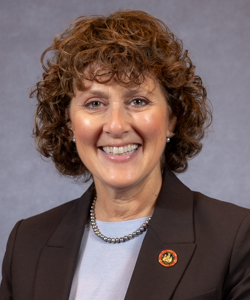
Last action · April 28, 2026: Approved by the Governor - Chapter 280Sponsor: Shelly Hettleman
Track this bill to get notified when it advances a stage. One tap to stop, anytime.
What This Bill Does
Maryland requires electric vehicle charging stations to measure electricity strictly in s, display local contact details, itemize any additional fees on customer receipts, and sell electricity at or above a minimum price determined annually by the Comptroller, effective July 1, 2026.
Drivers purchasing electric vehicle fuel at retail will see standardized pricing units, itemized auxiliary fees, and readily available local contact information for charging equipment issues.
- Senate Bill 649 was enacted during the 2026 regular session of the Maryland General Assembly and signed into law by Governor Wes Moore. context
- State agricultural and weights and measures departments traditionally oversee retail fuel dispensing equipment like gasoline pumps, a framework this bill extends to electric vehicle charging stations. context
Who It Affects
Groups the bill's text affects, as described in the record. Being affected is not a position for or against it.
Owners or possessors of a weight and measure used for retail sale of electricity
Must display local contact details, measure fuel exclusively in kilowatt-hours, and itemize any auxiliary fees on customer receipts.
Retail electric vehicle fuel consumers
Will purchase electricity measured in standard kilowatt-hours, receive itemized receipts for additional fees, and have access to local contact information for equipment issues.
Key Facts
- Owners or possessors of EV charging equipment must clearly and conspicuously display the name, address, and phone number of a local person responsible for the equipment.
- All electricity sold at retail as a vehicle fuel must be measured and sold exclusively in units of kilowatt-hours.
- Customers may be charged only for the kilowatt-hours of electricity actually dispensed during a charging session.
- The Comptroller must determine and publish the minimum price for the retail sale of electricity as a vehicle fuel on or before July 1 each year.
Show all 6 facts
- Station owners may charge additional service fees that are either fixed or time-based, applied only at the conclusion of a session, and itemized on the receipt.
- The Act takes effect on July 1, 2026.
Frequently Asked Questions
How must electric vehicle fuel be measured when sold at retail?
Can charging station operators charge additional fees beyond the cost of electricity?
Who determines the minimum price for retail EV charging?
What else do you want to know?
News Coverage
Follow the record
Votes, people, money & the original sourceWhere This Stands
Current status: Signed into law.
Procedural history
14 actions- Apr 28, 2026Governor of MarylandEnrolledApproved by the Governor - Chapter 280
- Apr 13, 2026SenateFloorReturned Passed
- Apr 13, 2026HouseFloorThird Reading Passed (95-34)
- Apr 13, 2026HouseFloor Amendment { 693728/1 (Delegate Hornberger) Rejected (38-94)
- Apr 11, 2026HouseFloorFavorable Adopted Second Reading Passed
- Apr 10, 2026HouseCommitteeFavorable Report by Environment and Transportation
Show 8 earlier actions
- Apr 10, 2026HouseCommitteeRereferred to Environment and Transportation
- Apr 9, 2026HouseCommitteeReferred Rules and Executive Nominations
- Apr 9, 2026SenateFloorThird Reading Passed (29-11)
- Apr 8, 2026SenateFloorSecond Reading Passed with Amendments
- Apr 8, 2026SenateFavorable with Amendments { 683825/1 Adopted
- Apr 8, 2026SenateCommitteeFavorable with Amendments Report by Education, Energy, and the Environment
- Feb 10, 2026SenateHearing 3/03 at 1:00 p.m.
- Feb 6, 2026SenateIntroducedFirst Reading Education, Energy, and the Environment
Version history
Only one version on file - nothing to compare yet. As later stages (committee substitute, engrossed, enrolled) are captured, the redline appears here.
View official text →Lobbying Activity
No state lobbying filings in our records match this bill. Federal lobbying reports (LDA) cover Congress, so they are not listed on state bills.
Full breakdown
Who this bill affects and the strongest case for and against it, written only from the bill’s own text.
Sponsors
Discoveries
Patterns POLISCOPE noticed across the record. These are observations to investigate, not conclusions.
Standardization of Retail EV Charging
Shifts retail electric vehicle charging to regulated units of measurement and explicit consumer disclosure rules similar to traditional fuel pump regulations.
Sources
mgaleg.maryland.gov
Analysis Score
0–100- Significance60How much this matters to a regular citizen
- Controversy15Intensity of disagreement among stakeholders
- Entertainment5Compellingness for a non-policy-wonk reader
- Buzz40Current news / social attention level
Publisher tools