
The civic record
Read. Follow. Verify.Deterring American AI Model Theft Act of 2026
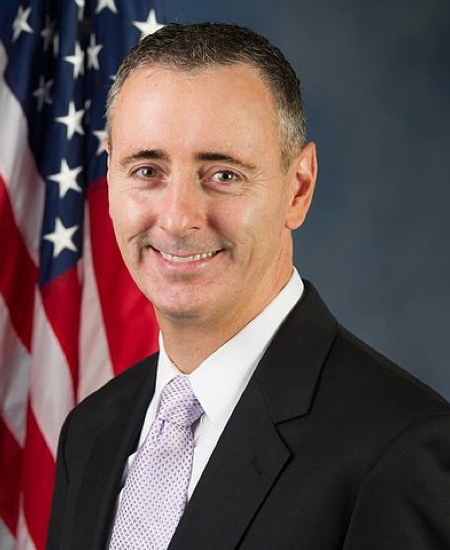
Last action · April 22, 2026: Ordered to be Reported (Amended) by the Yeas and Nays: 43 - 0.Sponsors: Bill Huizenga and 21 others
Track this bill to get notified when it advances a stage. One tap to stop, anytime.
What This Bill Would Do
This bill aims to protect American-owned, closed-source artificial intelligence models from unauthorized data extraction by foreign adversaries. It establishes legal definitions for 's' and 'entities of concern' to help the U.S. government identify and deter the theft of proprietary AI technical features.
The bill creates a federal framework to identify and potentially penalize foreign entities that bypass security controls to steal proprietary AI technology, impacting how U.S. AI companies manage access to their models.
Who It Would Affect
Groups the bill's text would affect if enacted, as described in the record. Being affected is not a position for or against it.
U.S. AI Companies
These companies are the owners of closed-source models and would be the primary entities protected by the identification and deterrence of extraction attacks.
Foreign entities in countries of concern
These entities face potential identification and penalties if they are found to be conducting unauthorized model extraction attacks.
Key Facts
- Defines 'closed-source AI models' as proprietary models with restricted access, governed by terms of service, and not publicly available.
- Defines 'model extraction attacks' as unauthorized querying to replicate or train other AI models by circumventing access controls or violating terms of service.
- Identifies 'countries of concern' as China (including Hong Kong and Macau), Russia, and other nations designated by the Secretary of State.
- Defines 'entities of concern' as foreign persons or entities headquartered in countries of concern or those conducting unauthorized model extraction.
Show all 9 facts
- Defines 'fraudulent account network providers' as foreign entities that knowingly provide access to restricted AI models for entities of concern.
- Excludes from the definition of 'fraudulent account network provider' entities that provide internet access for freedom of expression purposes.
- Allows the purpose of a model extraction attack to be inferred from query volume, patterns, coordination, and correlation with other AI development timelines.
- States that authorized model training consistent with terms of service is a legitimate research method and distinct from extraction attacks.
- Designates the House Committee on Foreign Affairs and the Senate Committee on Banking, Housing, and Urban Affairs as the appropriate congressional committees for oversight.
Frequently Asked Questions
Does this bill stop me from using AI for research?
What counts as a 'model extraction attack'?
What else do you want to know?
News Coverage
Follow the record
Votes, people, money & the original sourceWhere This Stands
Currently in committee. The next step in the legislative lifecycle is Floor Vote.
Procedural history
4 actions- Apr 22, 2026HouseCommitteeOrdered to be Reported (Amended) by the Yeas and Nays: 43 - 0.
- Apr 22, 2026HouseCommittee Consideration and Mark-up Session Held
- Apr 15, 2026HouseCommitteeReferred to the House Committee on Foreign Affairs.
- Apr 15, 2026HouseIntroducedIntroduced in House
Version history
Only one version on file - nothing to compare yet. As later stages (committee substitute, engrossed, enrolled) are captured, the redline appears here.
View official text →Full breakdown
Who this bill affects and the strongest case for and against it, written only from the bill’s own text.
Sponsors
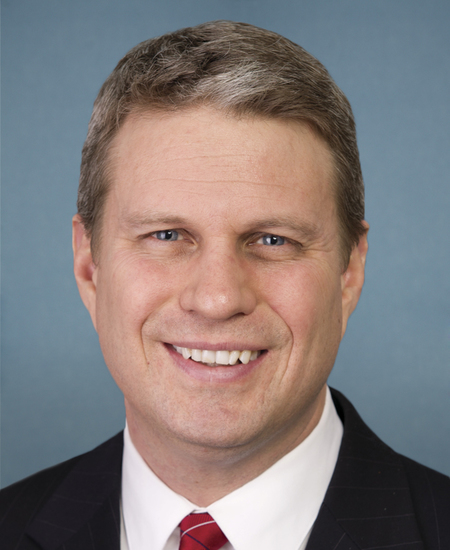




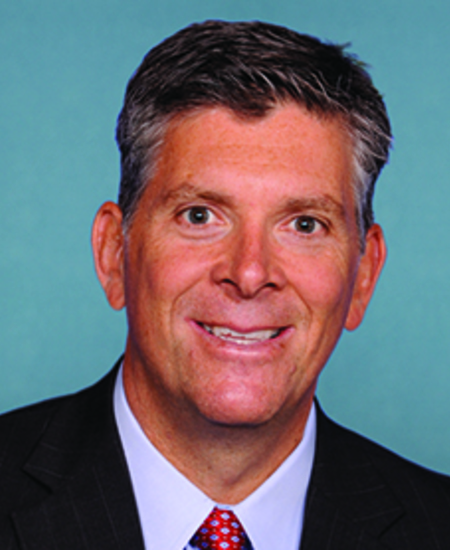
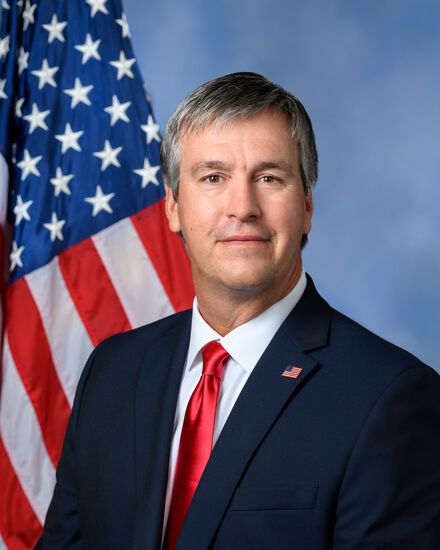
Show 17 more sponsors


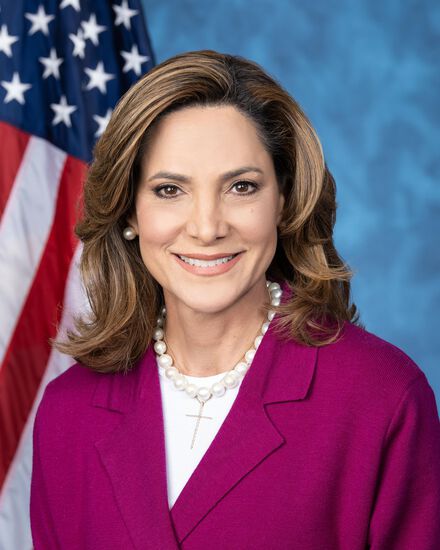


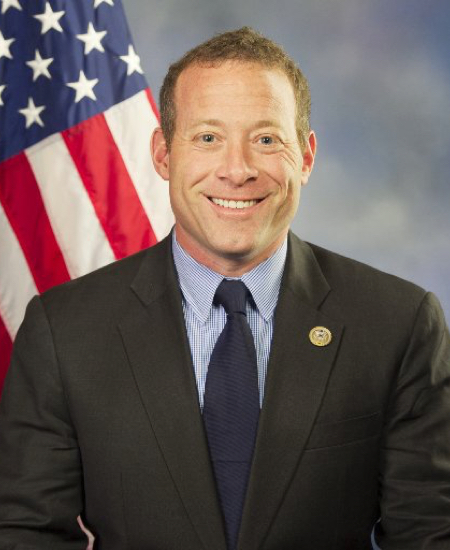
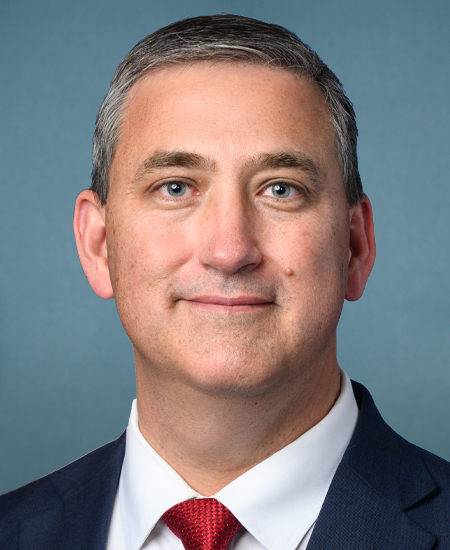

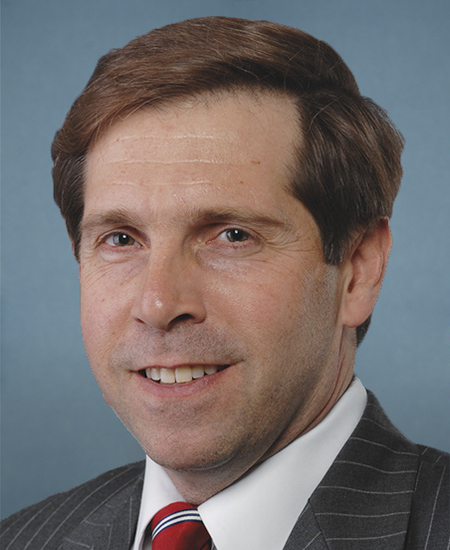


Discoveries
Patterns POLISCOPE noticed across the record. These are observations to investigate, not conclusions.
Inference-based Enforcement
The bill allows the government to infer malicious intent based on the 'totality of circumstances' of query patterns, rather than requiring direct evidence of intent.
Connected Entities
Sources
www.congress.gov
Analysis Score
0–100- Significance85How much this matters to a regular citizen
- Controversy40Intensity of disagreement among stakeholders
- Entertainment10Compellingness for a non-policy-wonk reader
- Buzz60Current news / social attention level
Publisher tools