
NewsWSVN 7 News MiamiJuly 31, 2026Miami-Dade County
Abandoned SpaceX Rocket Set to Crash Into the Moon
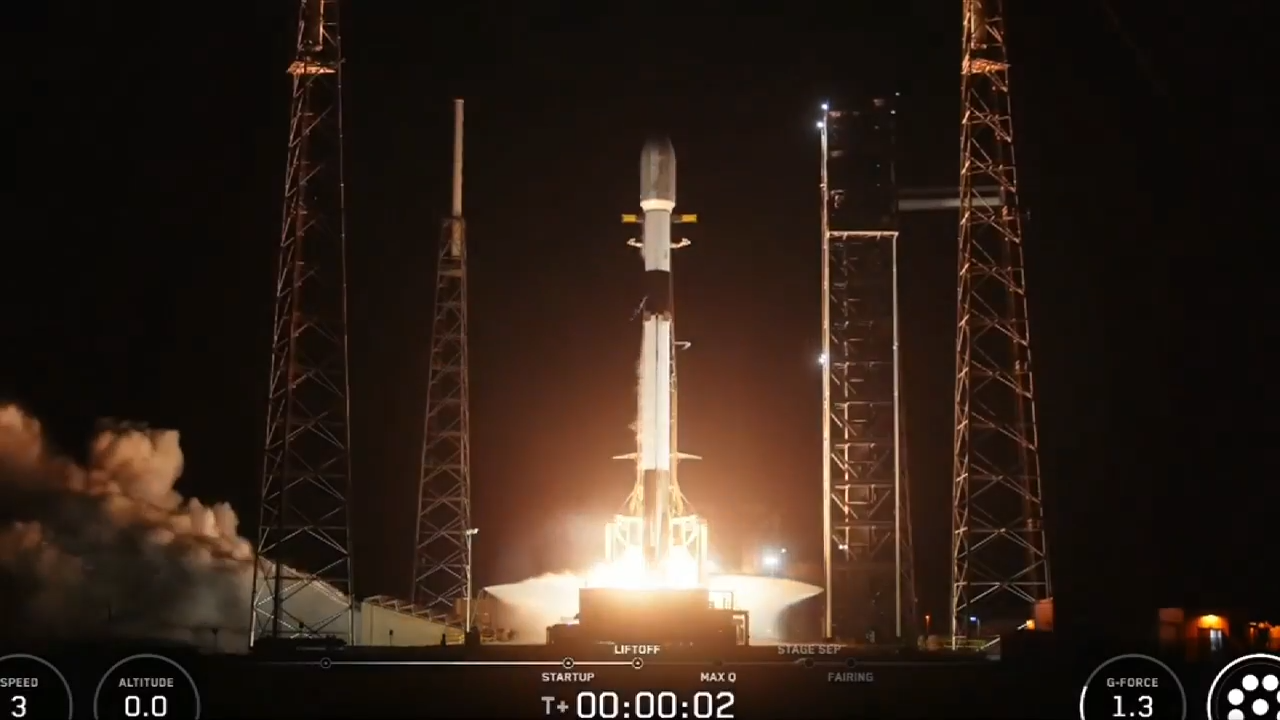
Photo: WSVN 7 News Miami
A discarded SpaceX rocket stage is expected to crash into the moon's surface on Wednesday at 5,400 mph. Scientists plan to observe the impact to study lunar debris and improve future space traffic safety.
Read the full story at WSVN 7 News MiamiWhy It Matters
The event provides a rare opportunity for scientists to study the impact of human-made debris on the lunar surface, which helps inform safety protocols for future astronaut missions and lunar bases.
Key Facts
- A SpaceX rocket upper stage will impact the moon on Wednesday.
- The impact speed is estimated at 5,400 mph (8,700 kph).
- The rocket segment measures 40 feet (12 meters) and weighs approximately 10,000 pounds (4,500 kilograms).
- The impact is expected to create a crater nearly 90 feet across and 16 feet deep.
- The crash will occur near the Einstein Crater on the moon's sunlit western limb.
- The energy of the impact is equivalent to three tons of TNT.
- The rocket was originally launched on Jan. 15, 2025, carrying two lunar landers.
- NASA's Lunar Reconnaissance Orbiter and South Korea's Danuri orbiter will monitor the crash site.
- This is the second known accidental crash of a dead rocket into the moon, following a Chinese rocket segment in 2022.
- The impact flash will likely be too dim to see from Earth, but ejected dust may be visible via telescope.
Who's Mentioned
OrganizationFirefly Aerospace“Company that operated the Blue Ghost lunar lander.”Organizationispace“Japan-based company that operated a lunar lander on the same mission.”PersonJonathan McDowell“Retired astrophysicist providing commentary on space debris.”OrganizationSpaceX“The company that launched the rocket stage currently on a collision course with ”PersonBill Gray“Space tracking expert who predicted the impact speed and location.”OrganizationNASA“U.S. space agency involved in lunar exploration and debris monitoring.”PersonBenjamin Fernando“Scientist from Los Alamos National Laboratory studying the impact.”