
NewsTimes of San DiegoSeptember 1, 2026California
Researchers and advocates evaluate environmental impacts of agricultural plastic use in California
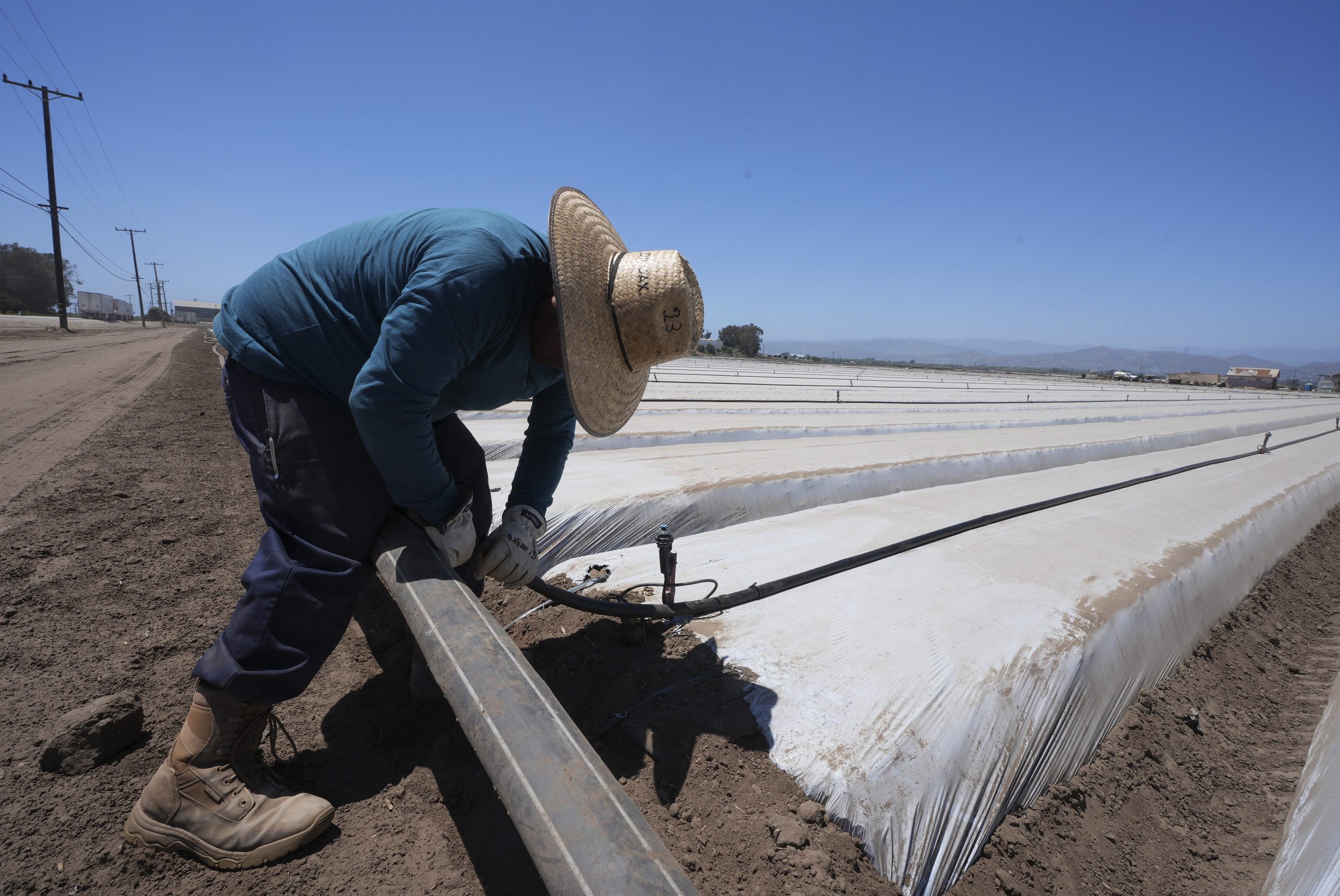
Photo: Times of San Diego
Scientists and environmental advocates are investigating the accumulation of microplastics in California soil and waterways caused by agricultural materials like mulch and irrigation tape. While plastic tools have historically boosted crop yields, researchers are now calling for legislative action to reduce plastic inputs and develop effective biodegradable alternatives.
Read the full story at Times of San DiegoWhy It Matters
Agricultural plastic debris is accumulating in California soils and potentially contaminating the food supply, prompting calls for state-level policy changes to manage plastic waste in a $60 billion industry.
Key Facts
- Global agricultural plastic use exceeds 12.5 million metric tons annually.
- Plastic production has grown from 2 million tons in 1950 to 460 million tons in 2019, with projections to triple by 2060.
- Researchers found over 215,000 pieces of plastic per hectare in California coastal agricultural fields.
- Monterey County growers used nearly 8 million pounds of plastic mulch annually as of 2019, primarily for strawberries.
- Plastic mulch fragments into microplastics that remain in soil even after the plastic film is removed.
- High concentrations of plastic in soil have been linked to reduced levels of crop-nourishing nutrients.
- Biodegradable plastic alternatives tested in multiple states took up to six years to break down, longer than the two-year certification.
- California's agricultural industry is valued at approximately $60 billion.
- Studies indicate that plants can absorb microplastics through their tissues.
Who's Mentioned
OrganizationCalifornia Farm Bureau“Representative of agricultural interests.”OrganizationWestern Growers Association“Representative of agricultural interests.”locationMonterey County“Region where plastic mulch usage was studied.”PersonNorm Groot“Executive director of the Monterey County Farm Bureau.”PersonJazmine Mejia-Muñoz“Water quality program manager at the California Marine Sanctuary Foundation.”PersonSeeta Sistla“Soil ecologist at California Polytechnic State University, San Luis Obispo.”OrganizationCalifornia Marine Sanctuary Foundation“Nonprofit working to prevent plastic from entering the ocean.”