
The civic record
Read. Follow. Verify.Oklahoma restricts social media access for minors under 16 and requires parental consent for 16- and…
Last action · April 22, 2025: Placed on General OrderSponsors: Mark Lepak and 2 others
Track this bill to get notified when it advances a stage. One tap to stop, anytime.
What This Bill Would Do
Oklahoma HB 1275 prohibits social media companies from allowing minors under 16 to hold accounts and requires explicit parental consent for users aged 16 and 17. The measure mandates , restricts data collection and of minors, and establishes financial liabilities and enforcement powers for the Office of the Attorney General.
Social media platforms must implement strict age-verification procedures and data restrictions for users under 18 or face statutory penalties of $2,500 per violation, while commercial entities and third-party age verification vendors are restricted from retaining user identification data for more than 30 days.
- State legislatures nationwide have increasingly introduced bills aimed at regulating children's online safety, requiring age verification, and restricting social media features such as algorithmic feeds and infinite scrolling for minors. context
Who It Would Affect
Groups the bill's text would affect if enacted, as described in the record. Being affected is not a position for or against it.
Minors
Individuals under eighteen years of age face restrictions on account creation, data profiling, geolocation tracking, and access to specific social media platforms.
Parents and legal guardians
Guardians must provide express consent for 16- and 17-year-olds to hold social media accounts.
Social media companies
Platforms must implement age-verification systems, obtain parental consent, alter data processing practices regarding minors, and face potential financial liability for non-compliance.
Commercial entities and third-party vendors
Vendors conducting age verification are prohibited from retaining user identifying information for more than thirty days.
Key Facts
You don't have to trust us. Each fact below is taken straight from the official document - click any one to see the exact passage, highlighted in the original.
Frequently Asked Questions
Can 16- and 17-year-olds still use social media in Oklahoma?
What methods can be used to verify a user's age?
What happens if a social media company violates these rules?
How long can third-party age verification vendors keep my personal identification data?
What else do you want to know?
News Coverage
Follow the record
Votes, people, money & the original sourceWhere This Stands
Currently passed both. The next step in the legislative lifecycle is Law.
Procedural history
19 actions- Apr 22, 2025SenatePlaced on General Order
- Apr 17, 2025SenateEnacting clause stricken
- Apr 17, 2025SenateFloorReported Do Pass as amended Technology and Telecommunications committee; CR filed
- Apr 1, 2025SenateCommitteeSecond Reading referred to Technology and Telecommunications
- Mar 25, 2025SenateIntroducedFirst Reading
- Mar 25, 2025HouseEngrossed, signed, to Senate
Show 13 earlier actions
- Mar 24, 2025HouseCommitteeReferred for engrossment
- Mar 24, 2025HouseFloorThird Reading, Measure passed and Emergency failed: Ayes: 64 Nays: 30; Ayes: 64 Nays: 30
- Mar 24, 2025HouseTitle stricken
- Mar 24, 2025HouseAmended
- Mar 24, 2025HouseCoauthored by Representative(s) Lepak, Moore, Kendrix
- Mar 24, 2025HouseGeneral Order
- Mar 10, 2025HouseFloorCR; Do Pass, amended by committee substitute Commerce and Economic Development Oversight Committee
- Feb 5, 2025HouseAuthored by Senator Seifried (principal Senate author)
- Feb 5, 2025HouseFloorPolicy recommendation to the Commerce and Economic Development Oversight committee; Do Pass Government Modernization and Technology
- Feb 4, 2025HouseCommitteeReferred to Government Modernization and Technology
- Feb 4, 2025HouseCommitteeSecond Reading referred to Commerce and Economic Development Oversight
- Feb 3, 2025HouseAuthored by Representative Caldwell (Chad)
- Feb 3, 2025HouseIntroducedFirst Reading
Version history
Only one version on file - nothing to compare yet. As later stages (committee substitute, engrossed, enrolled) are captured, the redline appears here.
View official text →Lobbying Activity
No state lobbying filings in our records match this bill. Federal lobbying reports (LDA) cover Congress, so they are not listed on state bills.
Full breakdown
Who this bill affects and the strongest case for and against it, written only from the bill’s own text.
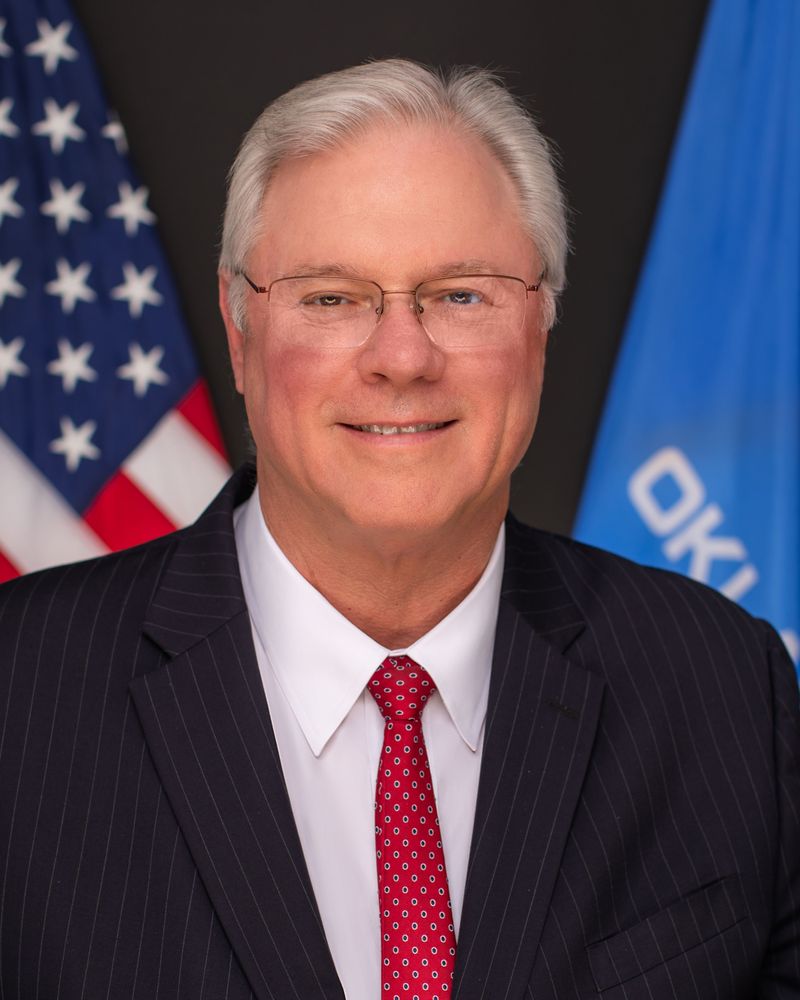
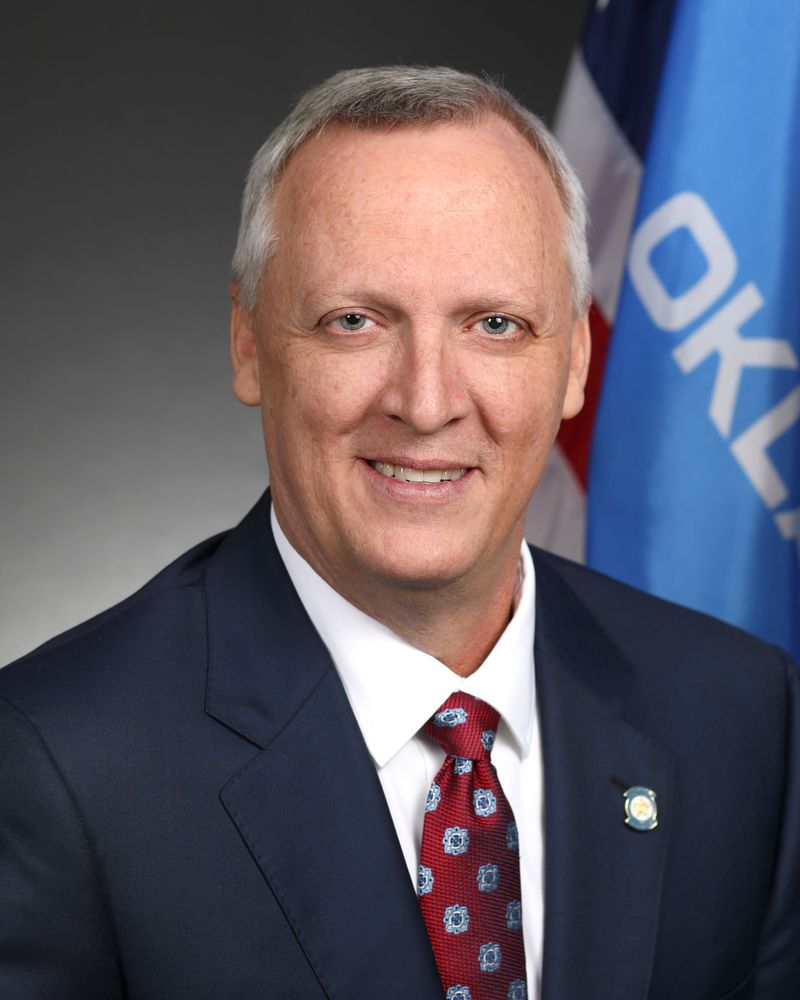
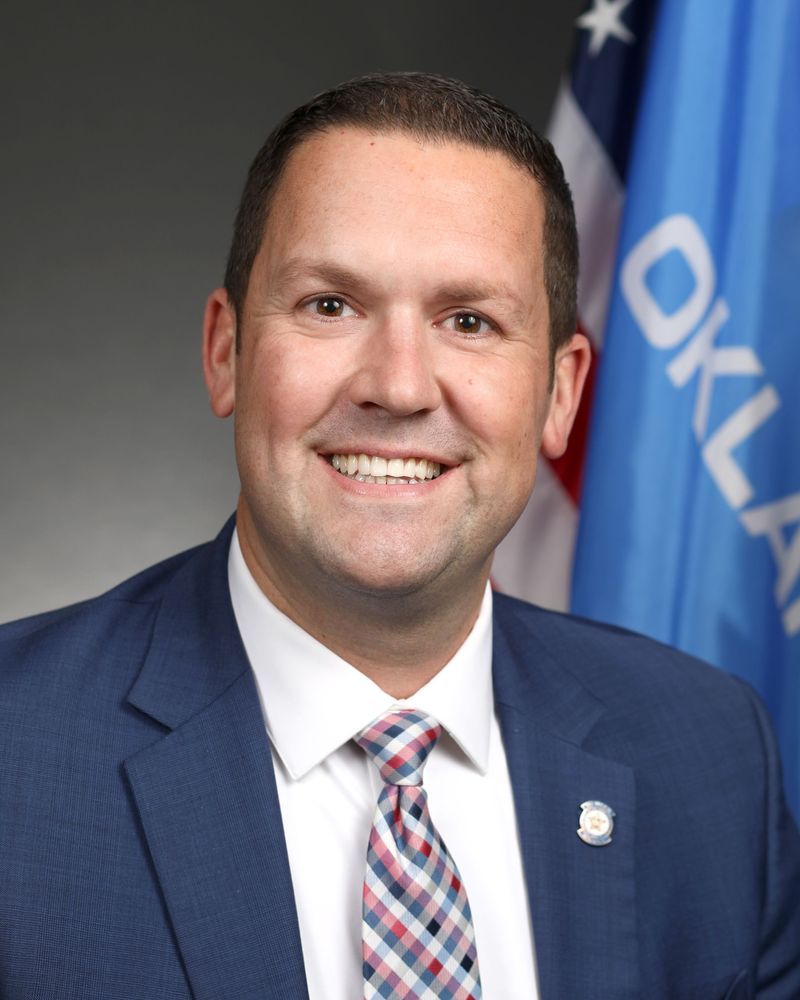
Sponsors
Discoveries
Patterns POLISCOPE noticed across the record. These are observations to investigate, not conclusions.
Establishment of Statutory Age Verification and Data Limits for Minors
The bill creates a comprehensive statutory framework in Oklahoma imposing affirmative age-verification duties and strict data-processing limits on social media companies regarding minor users.
Connected Entities
Sources
www.oklegislature.gov
Analysis Score
0–100- Significance85How much this matters to a regular citizen
- Controversy75Intensity of disagreement among stakeholders
- Entertainment10Compellingness for a non-policy-wonk reader
- Buzz65Current news / social attention level
Publisher tools