
NewsWPLG Local 10 – Main FeedSeptember 2, 2026Miami-Dade County
Brazil's electoral court defines AI deepfakes and sets new political advertising standards
Photo: WPLG Local 10 – Main Feed
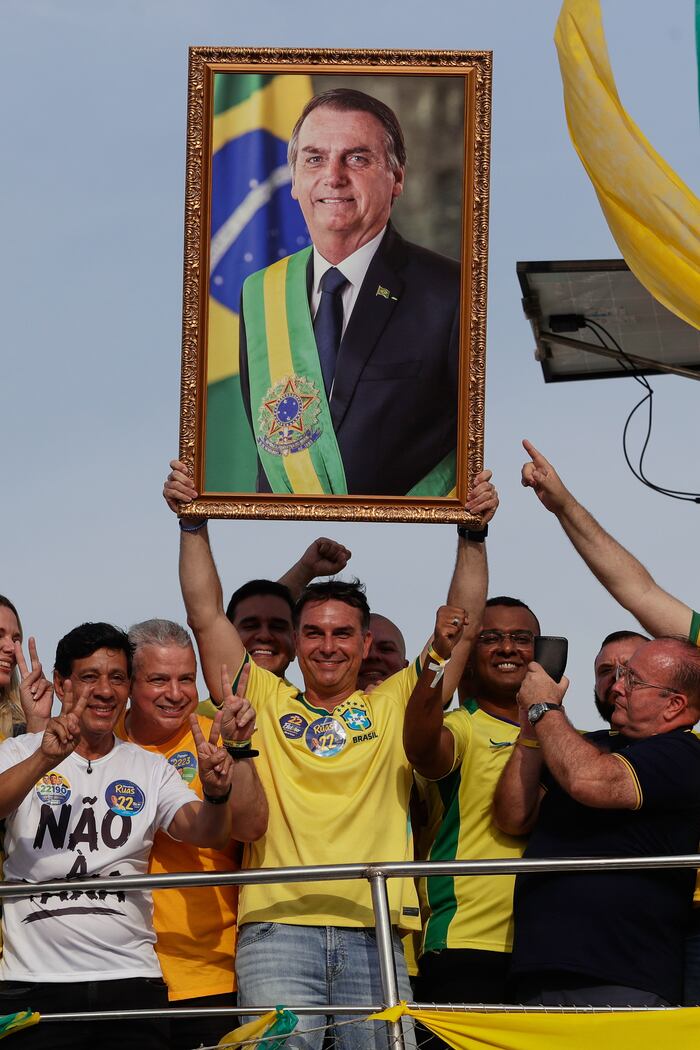
Brazil's top electoral court has established a formal definition for AI-generated 'deepfakes' in political advertising to combat misinformation ahead of the October elections. While the court declined to sanction Senator Flávio Bolsonaro for a specific AI-generated video used at a private party event, it set clear rules for future public campaign content.
Read the full story at WPLG Local 10 – Main FeedWhy It Matters
The ruling establishes legal standards for the use of synthetic media in political campaigns, directly impacting how candidates can use AI technology in advertisements leading up to the October 4th election.
Key Facts
- The electoral court voted 5-2 to define deepfakes as synthetic content created or manipulated by AI to realistically alter a person's image, voice, or speech.
- The court voted 4-3 not to sanction Senator Flávio Bolsonaro for using an AI-generated video of his father at a private party convention.
- The ruling applies to all political advertising content leading up to the October 4th election.
- Broadcasters are required to reserve 14 minutes daily for political advertisements.
- Political ads are standardized at 30 seconds each.
- Broadcasters must provide 12.5-minute blocks exclusively for presidential candidates.
- Jair Bolsonaro was previously sentenced to 27 years in prison for leading a coup attempt.
Who's Mentioned
PersonLuiz Inácio Lula da Silva“Current president of Brazil.”OrganizationPartido Liberal“Political party that held the convention where the AI video was shown.”PersonJair Bolsonaro“Former president whose AI-generated image was used in a campaign event.”PersonFlávio Bolsonaro“Senator and candidate whose use of AI imagery prompted the court's ruling.”