
The civic record
Read. Follow. Verify.West Virginia creates civil cause of action and blocks state cooperation against foreign censorship laws
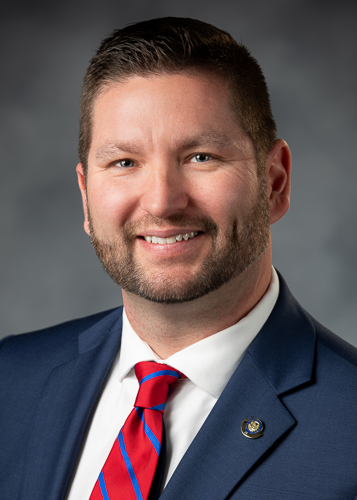
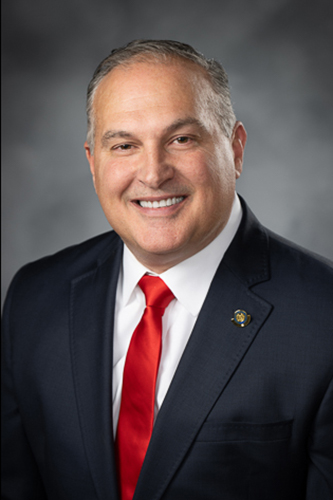
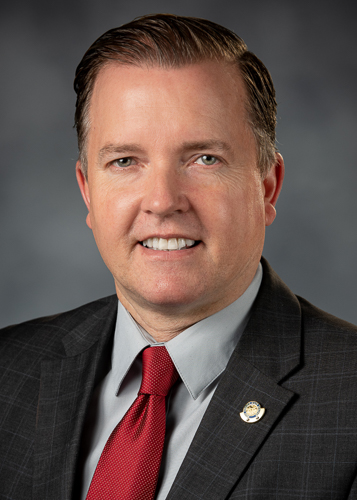
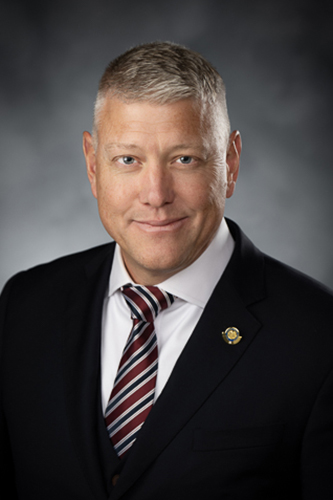
Last action · February 12, 2026: To JudiciarySponsors: Patricia Rucker and 8 others
Track this bill to get notified when it advances a stage. One tap to stop, anytime.
What This Bill Proposed
The West Virginia Legislature introduced the GRANITE Act to establish civil remedies and personal jurisdiction for residents and local businesses facing foreign censorship demands, while prohibiting state courts and agencies from enforcing foreign judgments or extradition requests that violate constitutional free speech protections.
Residents, digital infrastructure operators, and West Virginia companies can sue foreign states or international organizations in local courts for speech suppression threats, and state agencies are barred from assisting in foreign legal actions or extradition requests.
- State legislatures have increasingly proposed measures addressing digital rights and extraterritorial actions by foreign regulatory bodies. context
- The federal SPEECH Act of 2010 prohibits United States courts from recognizing or enforcing foreign defamation judgments that are inconsistent with the First Amendment. context
Who It Would Have Affected
Groups the bill's text would have affected, as described in the record. Being affected is not a position for or against it.
West Virginia residents
Residents gain a civil cause of action in local courts against foreign entities threatening or enforcing censorship laws and are protected from state enforcement of foreign judgments.
West Virginia business entities
Local businesses and entities with principal places of business in the state receive protections against extraterritorial foreign censorship demands and local jurisdictional remedies.
State and local law enforcement agencies
Law enforcement personnel are prohibited from cooperating with foreign censorship judgments or extradition requests and are subject to new rules promulgated by the Attorney General.
Foreign states and international organizations
Foreign governments and international bodies become subject to personal jurisdiction in West Virginia courts and potential civil liability for enforcing censorship laws against protected persons.
Key Facts
You don't have to trust us. Each fact below is taken straight from the official document - click any one to see the exact passage, highlighted in the original.
Frequently Asked Questions
Who is eligible to file a lawsuit under the GRANITE Act?
Can state and local law enforcement in West Virginia assist in executing foreign arrest warrants for speech offenses?
What is the deadline for filing a claim under this Act?
What else do you want to know?
News Coverage
Follow the record
Votes, people, money & the original sourceWhere This Stands
This bill did not become law - Died at adjournment · in Senate committee.
Procedural history
4 actions- Feb 12, 2026SenateCommitteeTo Judiciary
- Feb 12, 2026SenateIntroducedIntroduced in Senate
- Feb 12, 2026SenateCommitteeTo Judiciary
- Feb 12, 2026SenateIntroducedFiled for introduction
Version history
Only one version on file - nothing to compare yet. As later stages (committee substitute, engrossed, enrolled) are captured, the redline appears here.
View official text →Lobbying Activity
No state lobbying filings in our records match this bill. Federal lobbying reports (LDA) cover Congress, so they are not listed on state bills.
Full breakdown
Who this bill affects and the strongest case for and against it, written only from the bill’s own text.
Sponsors





Discoveries
Patterns POLISCOPE noticed across the record. These are observations to investigate, not conclusions.
State-level Interception of Extraterritorial Foreign Enforcement
The bill attempts to counteract foreign regulatory enforcement by international bodies and foreign courts directly through state civil courts and non-cooperation mandates.
Connected Entities
Sources
www.wvlegislature.gov
Analysis Score
0–100- Significance20Lowered because this bill did not pass (its text scored 75)
- Controversy65Intensity of disagreement among stakeholders
- Entertainment20Compellingness for a non-policy-wonk reader
- Buzz50Current news / social attention level
Publisher tools