
The civic record
Read. Follow. Verify.Maryland authorizes municipalities to use secure electronic transmission systems for elections and restricts voter data use
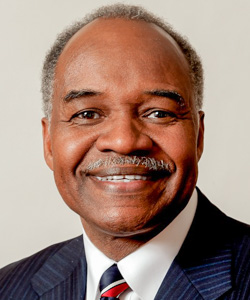
Last action · February 10, 2026: Hearing 2/25 at 1:00 p.m.Sponsors: Lewis Young and 1 other
Track this bill to get notified when it advances a stage. One tap to stop, anytime.
What This Bill Would Do
Maryland municipalities are newly authorized to conduct municipal elections using secure electronic voting systems, provided the systems meet specific data security standards. The legislation explicitly prohibits municipalities from using voter information gathered through these systems for any purpose outside of election administration and voter participation statistics.
Gives local governments the option to deploy electronic voting infrastructure while establishing statutory privacy boundaries on the data collected from voters.
Who It Would Affect
Groups the bill's text would affect if enacted, as described in the record. Being affected is not a position for or against it.
Maryland municipalities
Municipalities gain the legal authority to implement electronic voting systems for local elections and must adhere to data restriction rules regarding voter information.
Qualified voters in municipal elections
Voters may receive, mark, and return ballots electronically using systems equipped with security features, while having their personal data restricted from non-election uses.
Key Facts
You don't have to trust us. Each fact below is taken straight from the official document - click any one to see the exact passage, highlighted in the original.
Frequently Asked Questions
What is a qualified electronic transmission system under this bill?
Can municipalities share or use the voter data collected through these electronic systems for other local government purposes?
What else do you want to know?
News Coverage
Follow the record
Votes, people, money & the original sourceWhere This Stands
Currently filed. The next step in the legislative lifecycle is Committee.
Procedural history
2 actions- Feb 10, 2026SenateHearing 2/25 at 1:00 p.m.
- Feb 6, 2026SenateIntroducedFirst Reading Education, Energy, and the Environment
Version history
Only one version on file - nothing to compare yet. As later stages (committee substitute, engrossed, enrolled) are captured, the redline appears here.
View official text →Lobbying Activity
No state lobbying filings in our records match this bill. Federal lobbying reports (LDA) cover Congress, so they are not listed on state bills.
Full breakdown
Who this bill affects and the strongest case for and against it, written only from the bill’s own text.
Sponsors
Connected Entities
Sources
mgaleg.maryland.gov
Analysis Score
0–100- Significance60How much this matters to a regular citizen
- Controversy45Intensity of disagreement among stakeholders
- Entertainment10Compellingness for a non-policy-wonk reader
- Buzz35Current news / social attention level
Publisher tools