
The civic record
Read. Follow. Verify.West Virginia Bill Prohibits Federal Commandeering of State Police and Grants Attorney General Challenge…
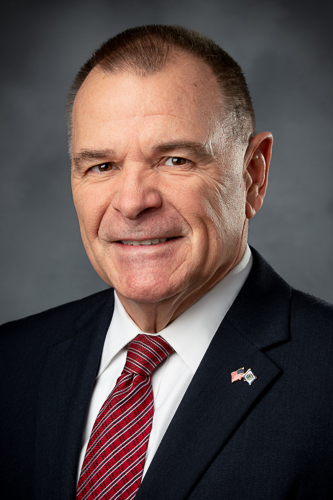
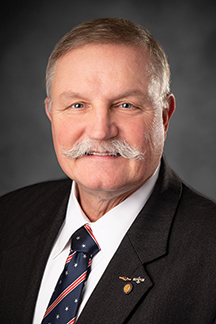
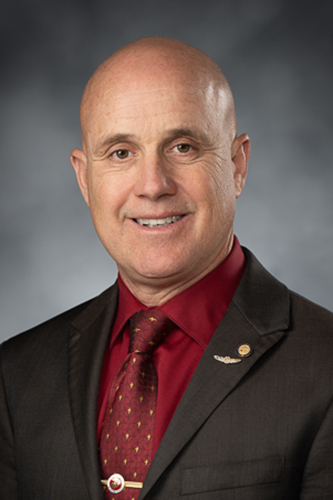
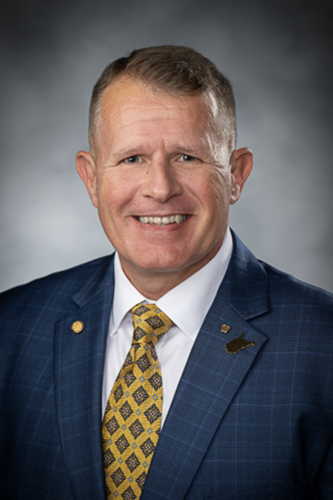
Last action · January 26, 2026: To House JudiciarySponsors: Bill Ridenour and 10 others
Track this bill to get notified when it advances a stage. One tap to stop, anytime.
What This Bill Proposed
House Bill 4812 establishes the Anti-Federal Act, prohibiting federal authorities from commandeering West Virginia law enforcement agencies, personnel, or assets. The measure bans state and local police from participating in federal law enforcement activities suspected of having a political motivation, while explicitly authorizing the Attorney General to challenge unconstitutional federal actions in court and provide model resistance policies by January 1, 2027.
The legislation protects state law enforcement officers from civil and criminal liability, termination, or decertification if they refuse to enforce federal rules determined by the Attorney General to infringe upon constitutional rights, while setting specific legal pathways for state-level challenges against federal directives.
Who It Would Have Affected
Groups the bill's text would have affected, as described in the record. Being affected is not a position for or against it.
West Virginia law enforcement officers
Law enforcement officers are prohibited from participating in politically motivated federal activities and are granted legal immunity and attorney's fees reimbursement if they refuse to enforce challenged federal rules.
Office of the Attorney General
The Attorney General is authorized and directed to initiate legal challenges against unconstitutional federal actions and must publish model resistance policies for police agencies by January 1, 2027.
Key Facts
You don't have to trust us. Each fact below is taken straight from the official document - click any one to see the exact passage, highlighted in the original.
Frequently Asked Questions
What is considered 'federal commandeering' under this bill?
Can state police still participate in joint federal-state task forces?
What protections are provided to police officers who refuse to enforce certain federal orders?
What else do you want to know?
News Coverage
Follow the record
Votes, people, money & the original sourceWhere This Stands
This bill did not become law - Died at adjournment · in House committee.
Procedural history
4 actions- Jan 26, 2026HouseCommitteeTo House Judiciary
- Jan 26, 2026HouseIntroducedIntroduced in House
- Jan 26, 2026HouseCommitteeTo Judiciary
- Jan 26, 2026HouseIntroducedFiled for introduction
Version history
Only one version on file - nothing to compare yet. As later stages (committee substitute, engrossed, enrolled) are captured, the redline appears here.
View official text →Lobbying Activity
No state lobbying filings in our records match this bill. Federal lobbying reports (LDA) cover Congress, so they are not listed on state bills.
Full breakdown
Who this bill affects and the strongest case for and against it, written only from the bill’s own text.
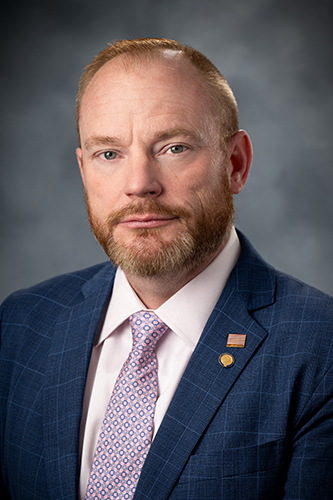
Sponsors





Discoveries
Patterns POLISCOPE noticed across the record. These are observations to investigate, not conclusions.
Establishment of State-Level Resistance Framework
The bill creates a formal statutory mechanism allowing state officials to challenge federal executive or congressional actions and protects local officers from penalties when refusing cooperation.
Connected Entities
Sources
www.wvlegislature.gov
Analysis Score
0–100- Significance20Lowered because this bill did not pass (its text scored 75)
- Controversy80Intensity of disagreement among stakeholders
- Entertainment15Compellingness for a non-policy-wonk reader
- Buzz60Current news / social attention level
Publisher tools