
The civic record
Read. Follow. Verify.PHIT Act of 2025: Tax Deductions for Fitness Expenses
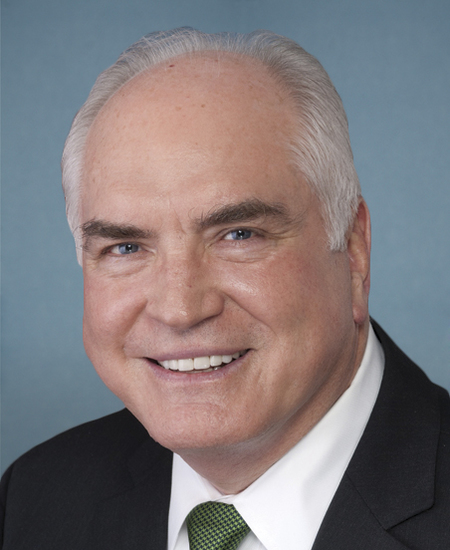
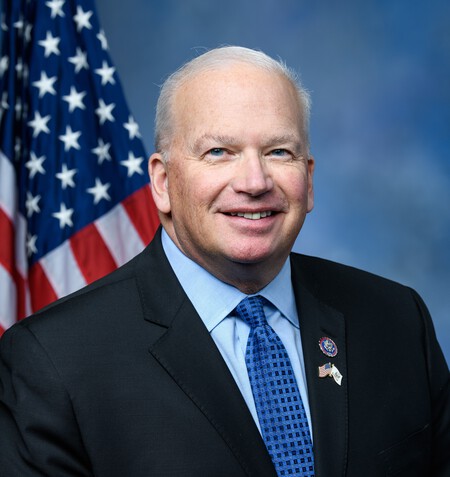
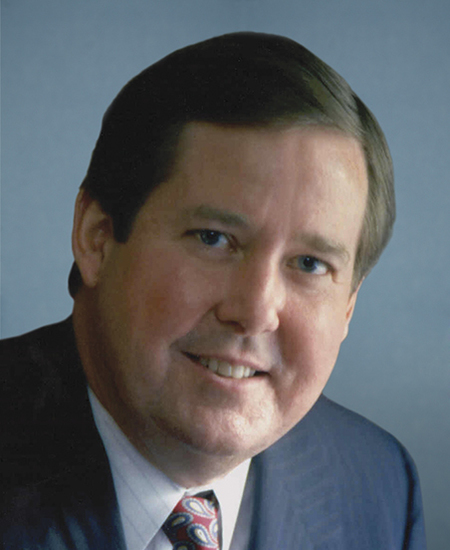
Last action · March 26, 2025: Referred to the House Committee on Ways and Means.Sponsors: Mike Kelly and 29 others
Track this bill to get notified when it advances a stage. One tap to stop, anytime.
What This Bill Would Do
The PHIT Act of 2025 proposes allowing taxpayers to treat certain fitness-related costs as tax-deductible medical expenses. This would include memberships at fitness facilities, exercise instruction, and specific sports equipment.
If passed, this bill would allow individuals to deduct up to $1,000 (or $2,000 for joint/head of household filers) annually from their taxable income for qualified physical activity expenses.
Who It Would Affect
Groups the bill's text would affect if enacted, as described in the record. Being affected is not a position for or against it.
Individual Taxpayers
Taxpayers would be eligible to claim a deduction for fitness-related expenses on their federal income tax returns.
Fitness Facility Operators
Facilities meeting the bill's criteria may see changes in demand for memberships as a result of the tax incentive.
Key Facts
- The bill amends the Internal Revenue Code to classify 'qualified sports and fitness expenses' as medical care expenses.
- The annual deduction limit is $1,000 for an individual taxpayer.
- The annual deduction limit is $2,000 for joint returns or heads of household.
- Qualified expenses include fitness facility memberships, exercise instruction, and equipment for physical activity.
Show all 11 facts
- Fitness facilities must be open to the public, not private member-owned clubs, and cannot offer golf, hunting, sailing, or riding.
- Exercise videos, books, and digital materials qualify if they provide instruction in physical exercise.
- Sports equipment is only eligible if used exclusively for physical activity.
- Apparel and footwear are only eligible if they are necessary for and used exclusively for a specific physical activity.
- Individual items of sports equipment (excluding exercise equipment) are capped at $250 per item for deduction purposes.
- Travel and accommodations associated with fitness programs are excluded from the deduction.
- The changes would apply to taxable years beginning after the date of the bill's enactment.
Frequently Asked Questions
Can I deduct my golf club membership?
Does this cover my running shoes?
Is there a limit on how much I can claim?
What else do you want to know?
News Coverage
Follow the record
Votes, people, money & the original sourceWhere This Stands
Currently in committee. The next step in the legislative lifecycle is Floor Vote.
Procedural history
2 actions- Mar 26, 2025HouseCommitteeReferred to the House Committee on Ways and Means.
- Mar 26, 2025HouseIntroducedIntroduced in House
Version history
Only one version on file - nothing to compare yet. As later stages (committee substitute, engrossed, enrolled) are captured, the redline appears here.
View official text →Full breakdown
Who this bill affects and the strongest case for and against it, written only from the bill’s own text.
Sponsors




Show 25 more sponsors




















Discoveries
Patterns POLISCOPE noticed across the record. These are observations to investigate, not conclusions.
Expansion of Medical Expense Definition
The bill represents a shift in federal policy by categorizing preventative fitness activities as 'medical care' for tax purposes.
Connected Entities
Sources
www.congress.gov
Analysis Score
0–100- Significance65How much this matters to a regular citizen
- Controversy20Intensity of disagreement among stakeholders
- Entertainment5Compellingness for a non-policy-wonk reader
- Buzz30Current news / social attention level
Publisher tools