
The civic record
Read. Follow. Verify.Vermont Creates Airspace Safety and Unidentified Anomalous Phenomena Task Force
Last action · January 13, 2026: Read first time and referred to the Committee on Government Operations and Military AffairsSponsor: Troy Headrick
Track this bill to get notified when it advances a stage. One tap to stop, anytime.
What This Bill Would Do
Vermont establishes a 10-member task force within the Department of Public Safety to evaluate , assess airspace safety risks, and coordinate incident reporting starting July 1, 2026.
Creates a state-level mechanism backed by scientific advisors to investigate unexplained low-altitude aerial sightings and drone-like activity affecting local aviation safety.
Who It Would Affect
Groups the bill's text would affect if enacted, as described in the record. Being affected is not a position for or against it.
Vermont residents
Residents may utilize a confidential, voluntary reporting process for unidentified anomalous phenomena sightings and participate in at least one annual public meeting.
General aviation operators
Aviation operators and airport representatives are included on the task force and affected by risk assessments and recommended incident response procedures.
Scientific Coalition for UAP Studies
Serves as the principal scientific analyst for data and evidence, providing detailed analytical reports and findings to the Task Force.
Key Facts
You don't have to trust us. Each fact below is taken straight from the official document - click any one to see the exact passage, highlighted in the original.
Frequently Asked Questions
What is the main purpose of the newly created Task Force?
Who serves on the Task Force?
Can Vermont residents report sightings confidentially?
What else do you want to know?
News Coverage
Follow the record
Votes, people, money & the original sourceWhere This Stands
Currently in committee. The next step in the legislative lifecycle is Floor Vote.
Procedural history
1 action- Jan 13, 2026HouseIntroducedRead first time and referred to the Committee on Government Operations and Military Affairs
Version history
Only one version on file - nothing to compare yet. As later stages (committee substitute, engrossed, enrolled) are captured, the redline appears here.
View official text →Lobbying Activity
No state lobbying filings in our records match this bill. Federal lobbying reports (LDA) cover Congress, so they are not listed on state bills.
Full breakdown
Who this bill affects and the strongest case for and against it, written only from the bill’s own text.
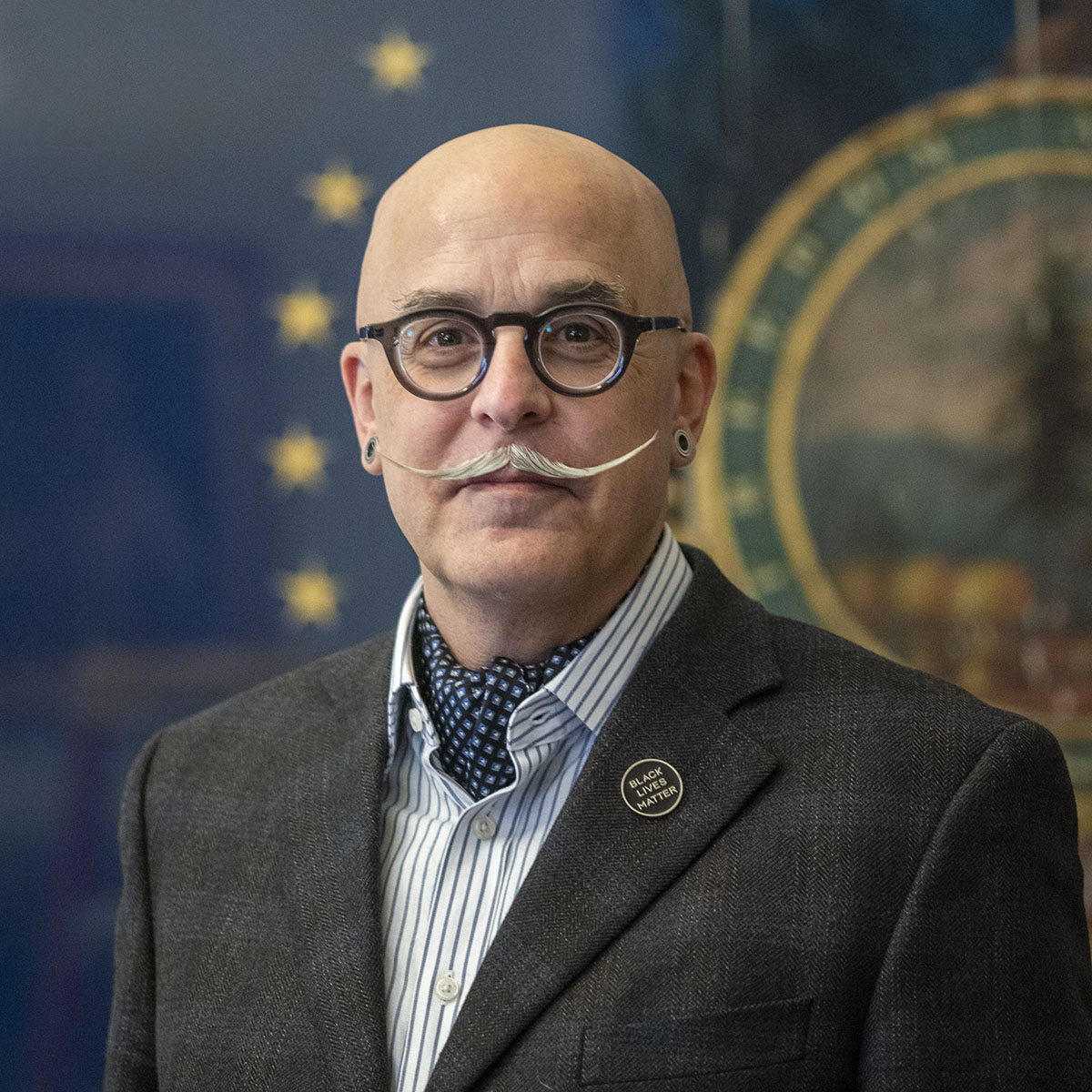
Sponsors
Discoveries
Patterns POLISCOPE noticed across the record. These are observations to investigate, not conclusions.
State-Level UAP Framework
Vermont is formalizing a state-level structure to evaluate anomalous airspace reports in coordination with federal agencies and independent scientific organizations.
Connected Entities
Sources
legislature.vermont.gov
Analysis Score
0–100- Significance45How much this matters to a regular citizen
- Controversy20Intensity of disagreement among stakeholders
- Entertainment35Compellingness for a non-policy-wonk reader
- Buzz30Current news / social attention level
Publisher tools