
NewsFOX 13 Tampa BayJuly 29, 2026Hillsborough County
Tracking Vibrio vulnificus: Flesh-eating bacteria cases in the U.S.
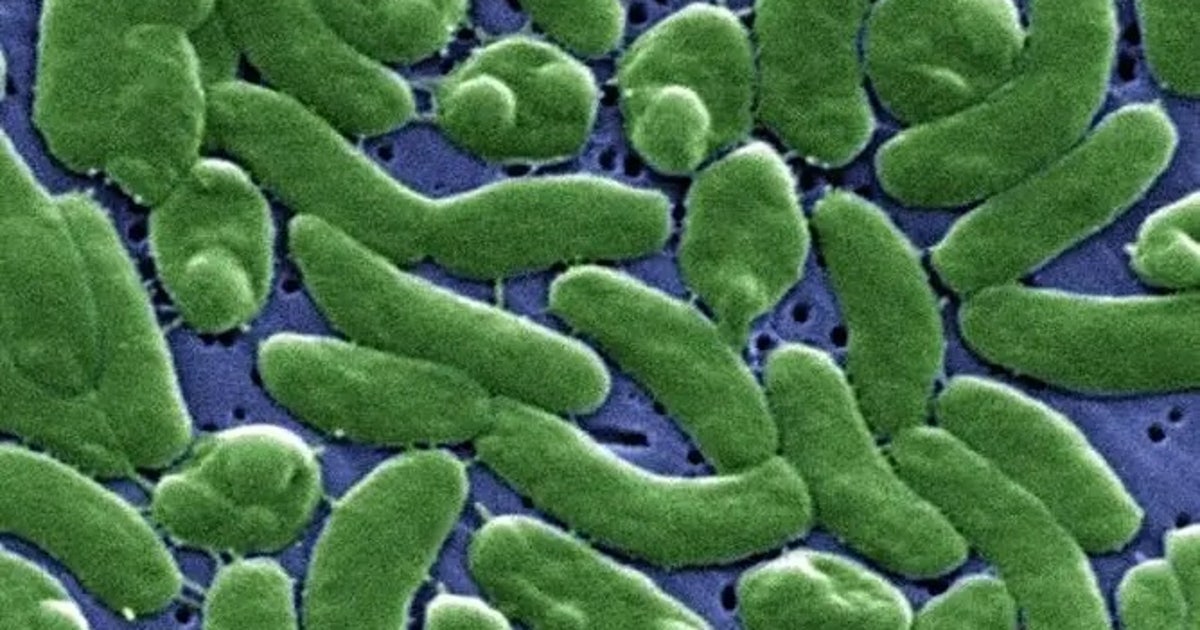
Photo: FOX 13 Tampa Bay
Health officials have confirmed the first U.S. death of 2026 from the rare flesh-eating bacteria Vibrio vulnificus in Palm Beach County, Florida. The report highlights ongoing cases across Florida, Alabama, and Connecticut linked to coastal water exposure and contaminated shellfish.
Read the full story at FOX 13 Tampa BayWhy It Matters
Residents in coastal areas face a risk of severe infection from through open wounds in saltwater or consumption of raw shellfish, with a mortality rate of approximately 20% for this specific strain.
Key Facts
- The first U.S. death from Vibrio vulnificus in 2026 occurred in Palm Beach County, Florida.
- Florida has confirmed 11 other cases of the bacteria in addition to the reported death.
- The CDC estimates approximately 80,000 cases of vibriosis occur annually in the U.S.
- Vibrio vulnificus has a mortality rate of roughly one in five people who contract the infection.
- Infection can occur through open wounds exposed to saltwater or brackish water.
- Infection can occur through the consumption of contaminated, raw shellfish.
- Symptoms of vibriosis include nausea, diarrhea, fever, low blood pressure, and blistering skin lesions.
- The Mobile County, Alabama, Health Department confirmed a case of vibriosis on April 24, 2026.
- The Connecticut Department of Public Health reported a case in February 2026 linked to oysters harvested outside the state.
Who's Mentioned
OrganizationFlorida Health Department“Reporting agency for Florida cases and the Palm Beach County death.”OrganizationConnecticut Department of Public Health“Reported a case linked to contaminated oysters in February.”OrganizationCenters for Disease Control (CDC)“Provides national data on vibriosis and infection symptoms.”OrganizationMobile County Health Department“Confirmed a case of vibriosis in Alabama on April 24.”locationPalm Beach County“Location of the first reported Vibrio vulnificus death in the U.S. in 2026.”