
The civic record
Read. Follow. Verify.Find It Early Act: Eliminating Out-of-Pocket Costs for Breast Cancer Screenings
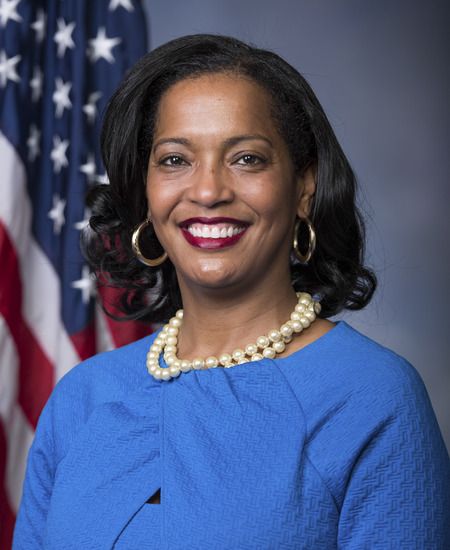
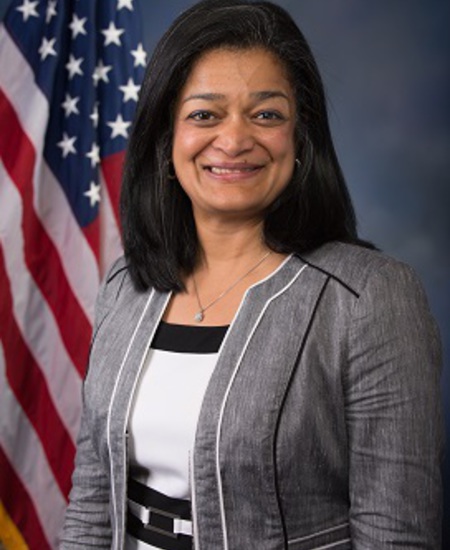
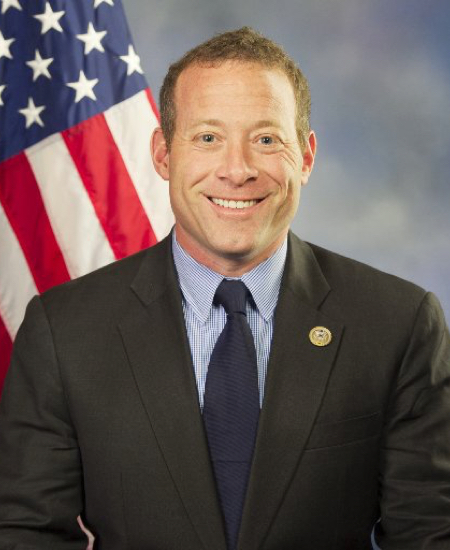
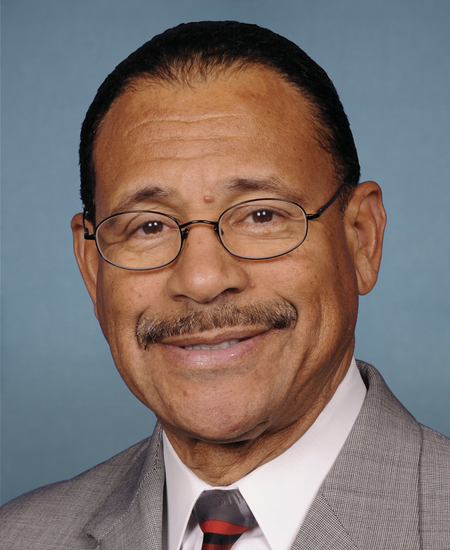
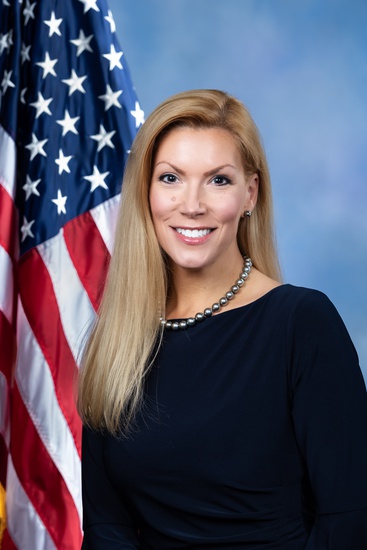
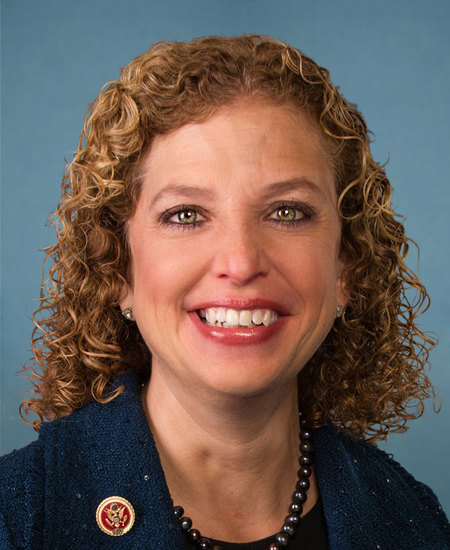
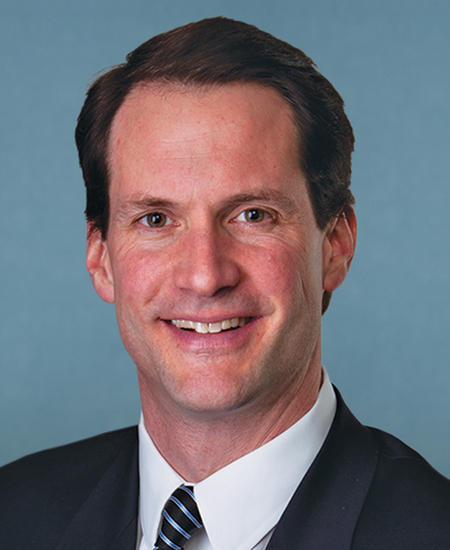
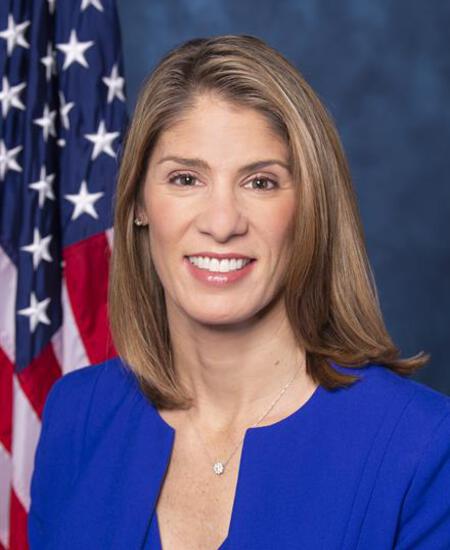
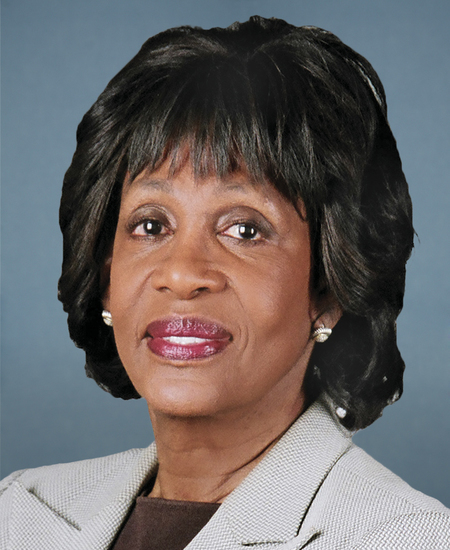
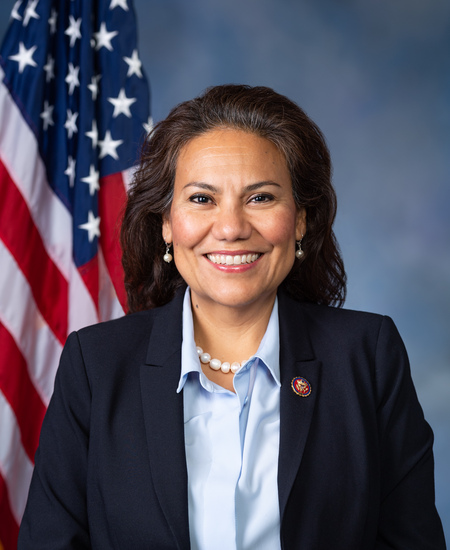
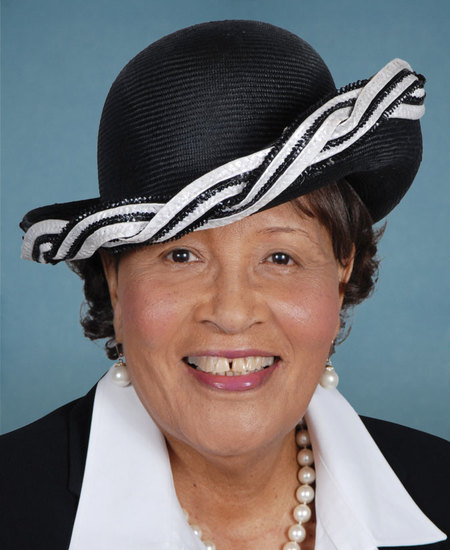
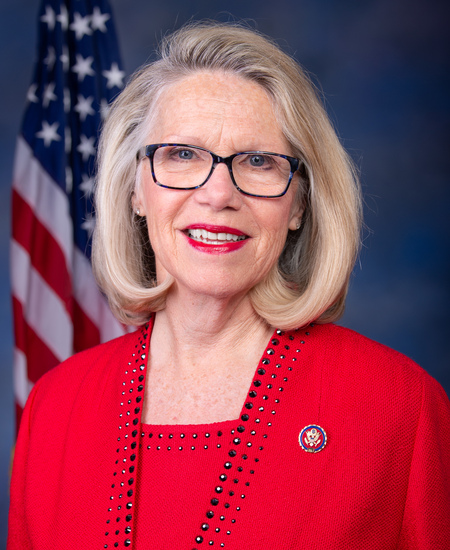
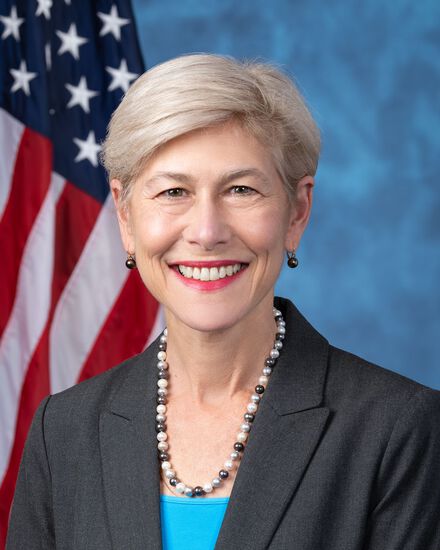
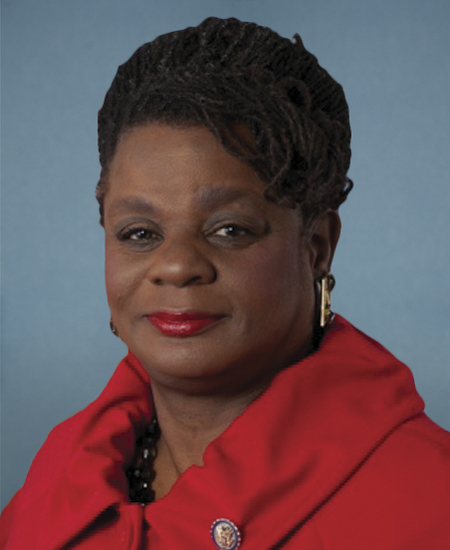
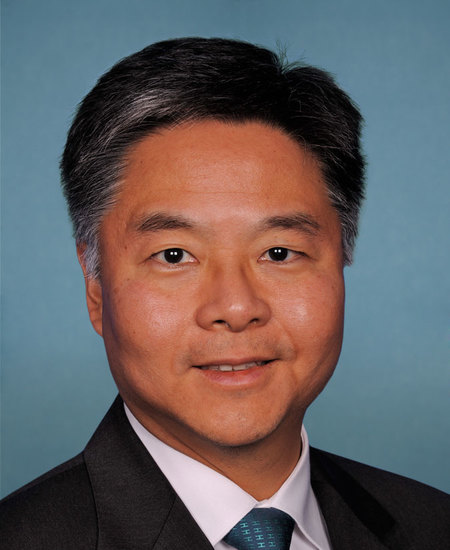
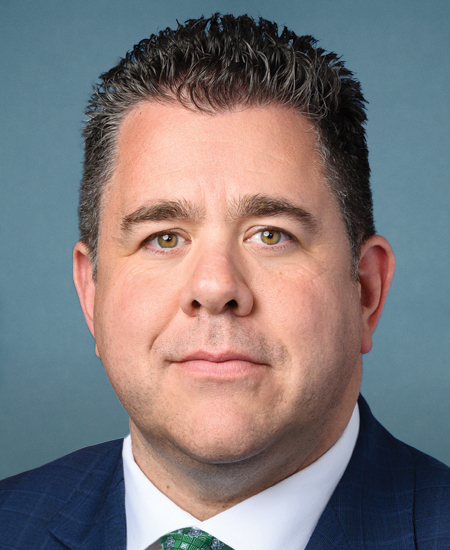
Last action · January 15, 2026: Referred to the Subcommittee on Health.Sponsors: Rosa DeLauro and 74 others
Track this bill to get notified when it advances a stage. One tap to stop, anytime.
What This Bill Would Do
The Find It Early Act would require most health insurance plans to cover additional breast cancer screening and without charging patients for co-pays, deductibles, or coinsurance. This mandate applies to individuals at increased risk for breast cancer, those with dense breast tissue, or those whose healthcare providers determine imaging is medically necessary based on personal or family history.
Starting January 1, 2026, this bill would remove out-of-pocket costs for advanced breast cancer screenings for millions of Americans covered by group or individual health insurance plans.
Who It Would Affect
Groups the bill's text would affect if enacted, as described in the record. Being affected is not a position for or against it.
Health insurance issuers
They are required to provide coverage for specified breast screenings without cost-sharing starting in 2026.
Individuals with dense breast tissue
They are explicitly included as a group eligible for no-cost screening and diagnostic imaging.
Healthcare providers
They are responsible for determining if a patient requires screening based on medical history, age, or other risk factors.
Key Facts
- The bill mandates that group and individual health insurance plans provide coverage for breast cancer screening and diagnostic imaging with zero cost-sharing.
- The mandate takes effect for plan years beginning on or after January 1, 2026.
- Coverage applies to individuals at increased risk of breast cancer, as determined by American College of Radiology or National Comprehensive Cancer Network guidelines.
- Coverage applies to individuals with heterogeneously or extremely dense breast tissue, as defined by the Breast Imaging Reporting and Data System.
Show all 9 facts
- Coverage applies to individuals determined by a healthcare provider to require imaging based on factors like age, race, ethnicity, or medical history.
- Covered technologies include 2D/3D mammograms, breast ultrasounds, breast MRIs, molecular breast imaging, and contrast-enhanced mammography.
- The frequency of screenings must follow guidelines set by the National Comprehensive Cancer Network.
- The bill amends the Public Health Service Act, the Employee Retirement Income Security Act (ERISA), and the Internal Revenue Code.
- The mandate applies to grandfathered health plans under the Affordable Care Act.
Frequently Asked Questions
Will I have to pay a co-pay for my breast MRI under this bill?
Does this apply to all insurance plans?
Who determines if I am at 'increased risk' for breast cancer?
What else do you want to know?
News Coverage
Follow the record
Votes, people, money & the original sourceWhere This Stands
Currently in committee. The next step in the legislative lifecycle is Floor Vote.
Procedural history
3 actions- Jan 15, 2026HouseCommitteeReferred to the Subcommittee on Health.
- Nov 20, 2025HouseCommitteeReferred to the Committee on Energy and Commerce, and in addition to the Committees on Ways and Means, Education and Workforce, Armed Services, and Veterans' Affairs, for a period to be subsequently determined by the Speaker, in each case for consideration of such provisions as fall within the jurisdiction of the committee concerned.
- Nov 20, 2025HouseIntroducedIntroduced in House
Version history
Only one version on file - nothing to compare yet. As later stages (committee substitute, engrossed, enrolled) are captured, the redline appears here.
View official text →Full breakdown
Who this bill affects and the strongest case for and against it, written only from the bill’s own text.
Sponsors




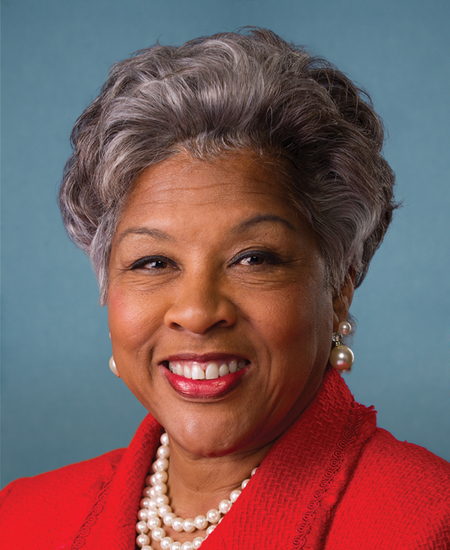
Show 70 more sponsors




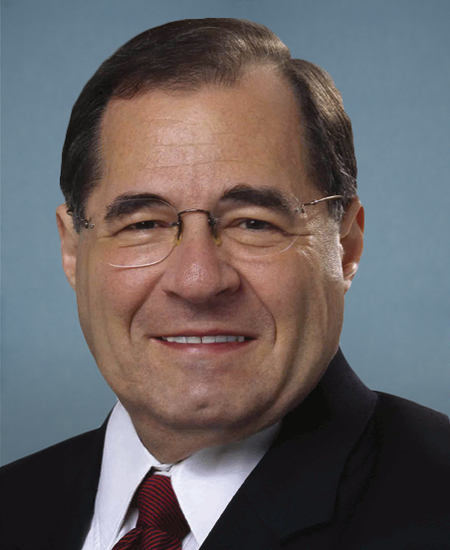





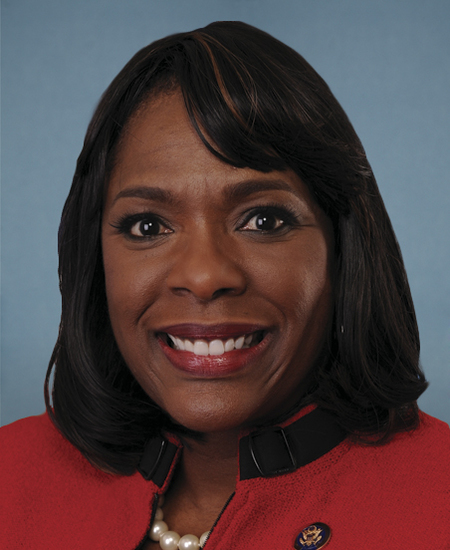



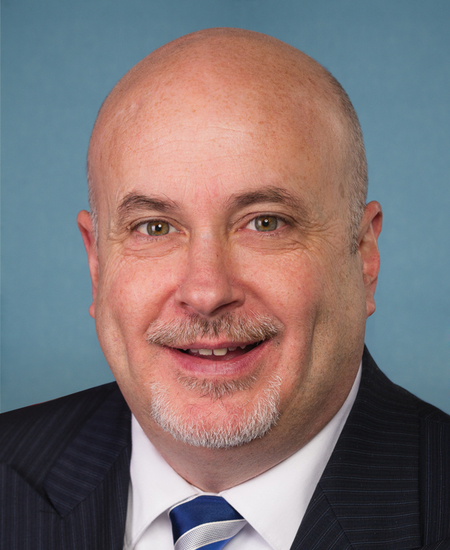






































Discoveries
Patterns POLISCOPE noticed across the record. These are observations to investigate, not conclusions.
Expansion of Preventive Coverage
The bill represents a shift toward mandating coverage for diagnostic imaging (not just routine screening) without cost-sharing, specifically targeting high-risk groups and those with dense breast tissue.
Connected Entities
Sources
www.congress.gov
Analysis Score
0–100- Significance85How much this matters to a regular citizen
- Controversy20Intensity of disagreement among stakeholders
- Entertainment5Compellingness for a non-policy-wonk reader
- Buzz30Current news / social attention level
Publisher tools