
The civic record
Read. Follow. Verify.Barriers to Suicide Act of 2025
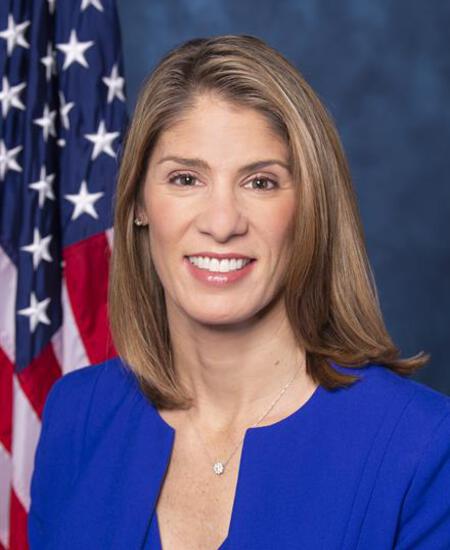
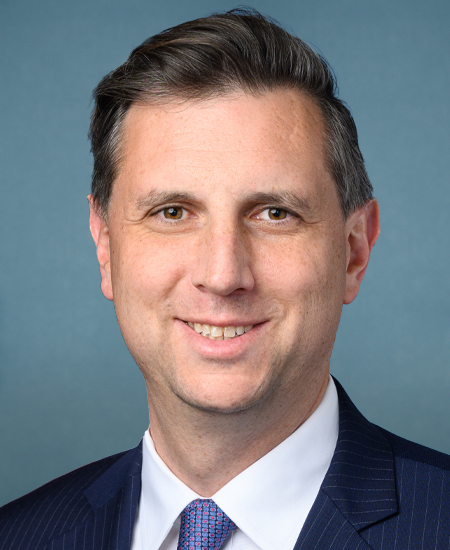
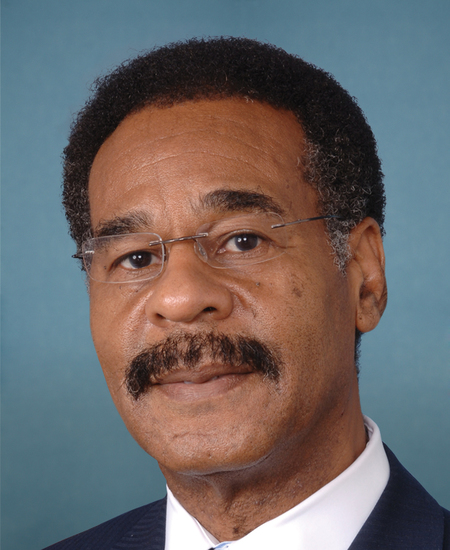
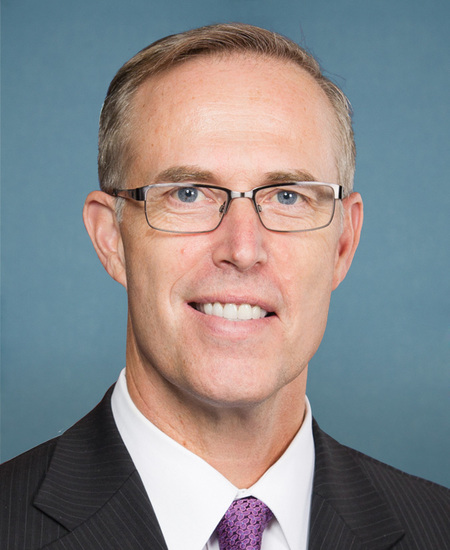
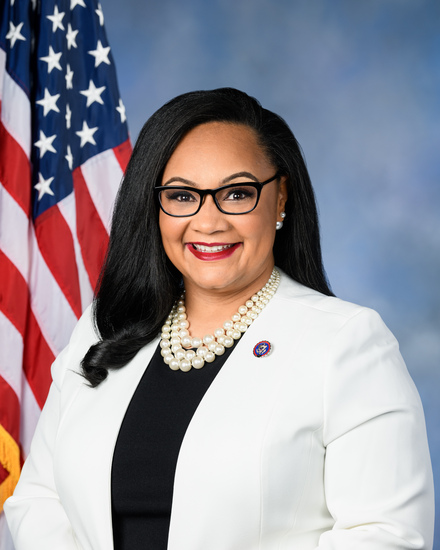
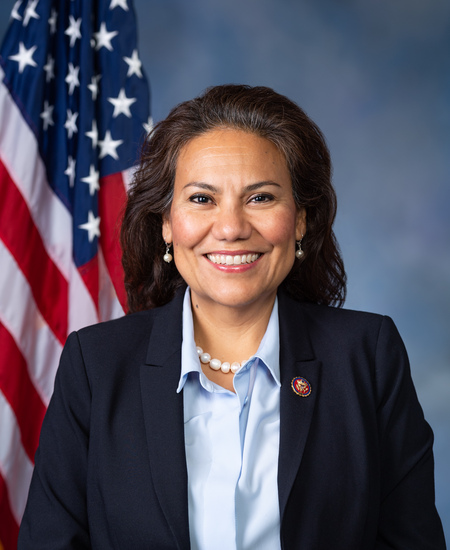
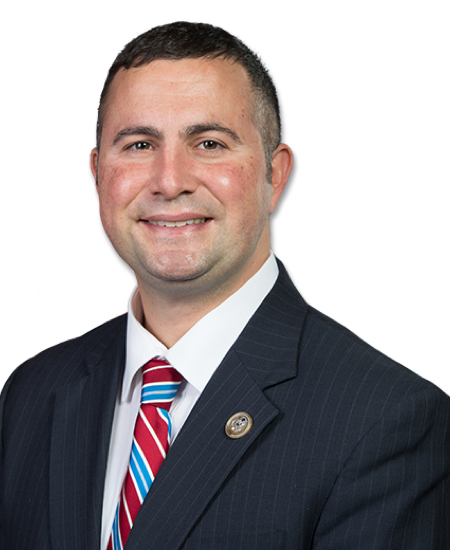
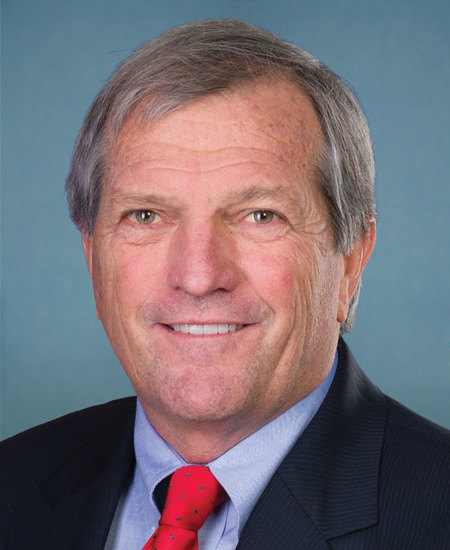
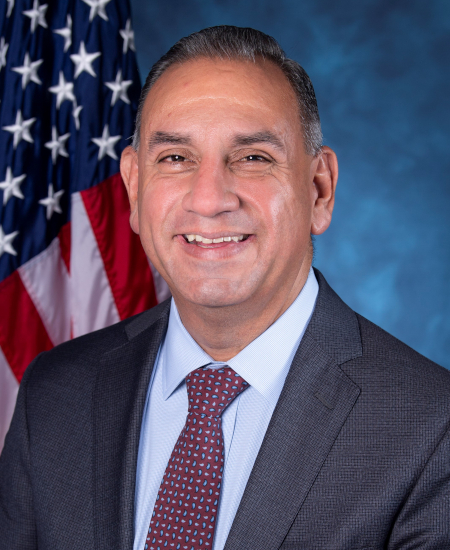
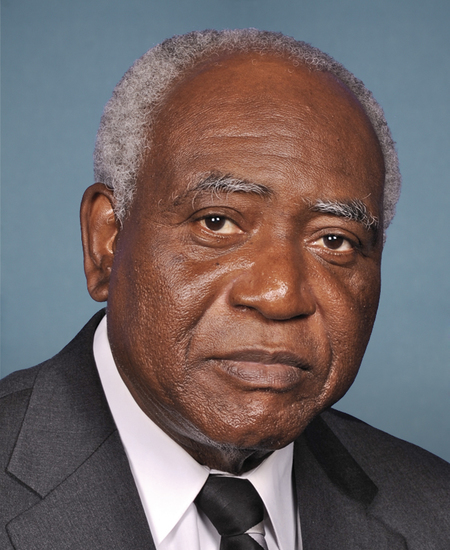
Last action · May 20, 2025: Referred to the House Committee on Transportation and Infrastructure.Sponsors: Donald Beyer and 45 others
Track this bill to get notified when it advances a stage. One tap to stop, anytime.
What This Bill Would Do
This bill directs the U.S. Department of Transportation to create a grant program for installing suicide prevention nets and barriers on bridges, buildings, parking garages, and rail infrastructure. It also mandates a federal study to identify effective suicide deterrents for structures other than bridges.
The bill authorizes $10 million annually from 2026 through 2030 for state and local governments to install suicide deterrents on public infrastructure, with the federal government covering up to 80% of project costs.
Who It Would Affect
Groups the bill's text would affect if enacted, as described in the record. Being affected is not a position for or against it.
State and local governments
These entities are eligible to apply for federal grants to install suicide deterrents on local infrastructure.
Department of Transportation
The agency is required to establish and administer the new grant program and determine eligibility criteria.
Key Facts
- Authorizes $10 million in annual appropriations for fiscal years 2026 through 2030.
- Limits the federal share of project costs to a maximum of 80%.
- Requires the Secretary of Transportation to establish the grant program within one year of enactment.
- Defines 'covered locations' as bridges, buildings, parking garages, highway-rail grade crossings, and rail stations.
Show all 9 facts
- Prioritizes grant funding for areas with high suicide rates or per capita suicide statistics.
- Amends Title 23 of the U.S. Code to explicitly include safety barriers and nets on National Highway System bridges as eligible projects.
- Mandates a study by the Comptroller General on suicide deterrents for structures other than bridges.
- Requires the Comptroller General to report study findings to four specific Congressional committees within one year of enactment.
- Defines 'evidence-based suicide deterrent' as a method supported by high-quality research or positive evaluation.
Frequently Asked Questions
Who can apply for these grants?
What types of infrastructure are eligible for these deterrents?
Does the federal government pay for the entire project?
What else do you want to know?
News Coverage
Follow the record
Votes, people, money & the original sourceWhere This Stands
Currently in committee. The next step in the legislative lifecycle is Floor Vote.
Procedural history
2 actions- May 20, 2025HouseCommitteeReferred to the House Committee on Transportation and Infrastructure.
- May 20, 2025HouseIntroducedIntroduced in House
Version history
Only one version on file - nothing to compare yet. As later stages (committee substitute, engrossed, enrolled) are captured, the redline appears here.
View official text →Full breakdown
Who this bill affects and the strongest case for and against it, written only from the bill’s own text.
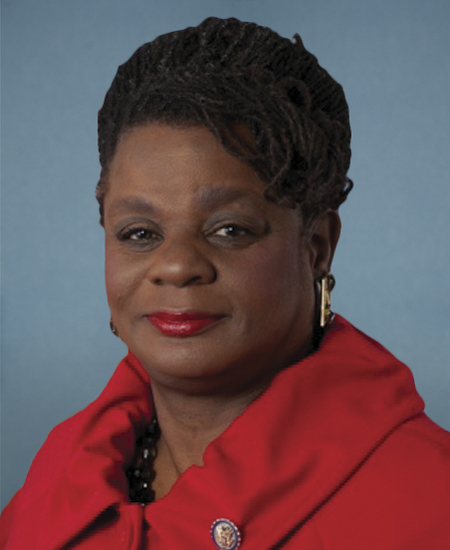
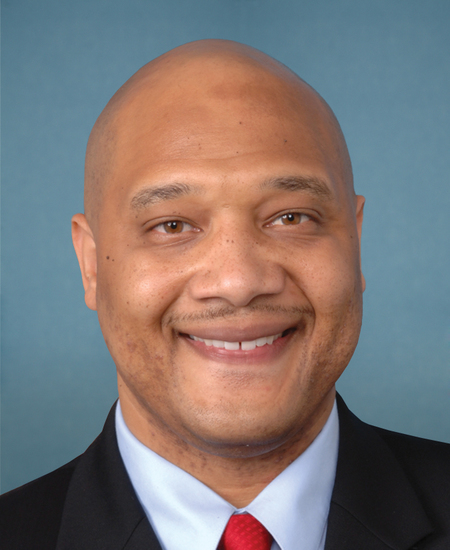
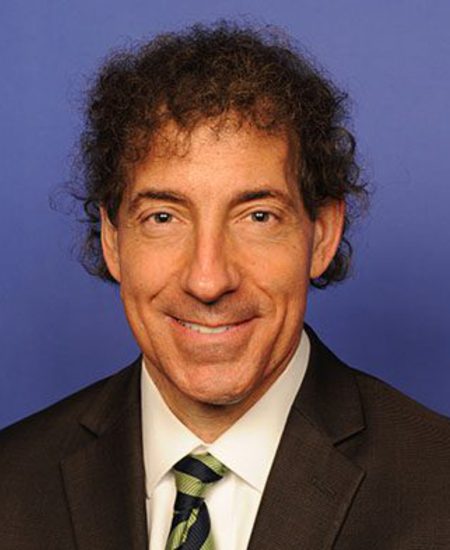
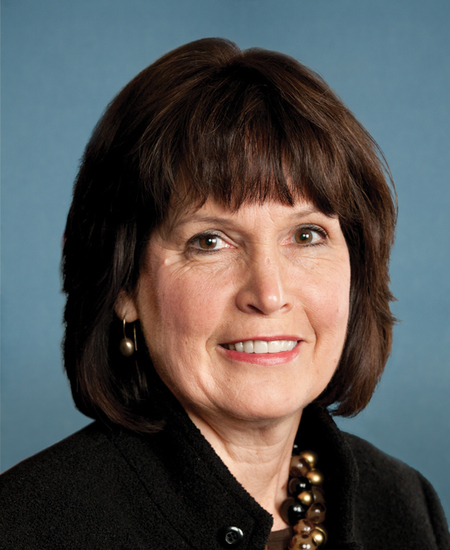
Sponsors
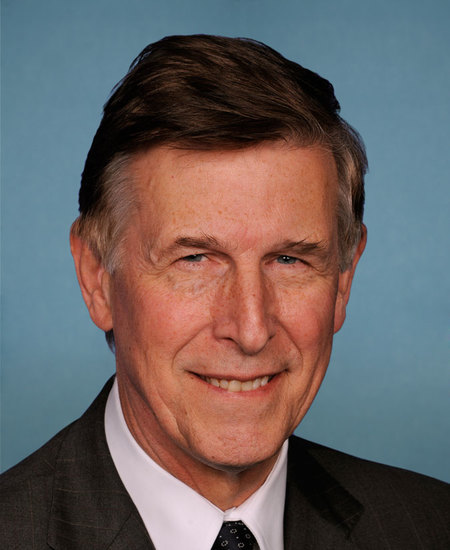
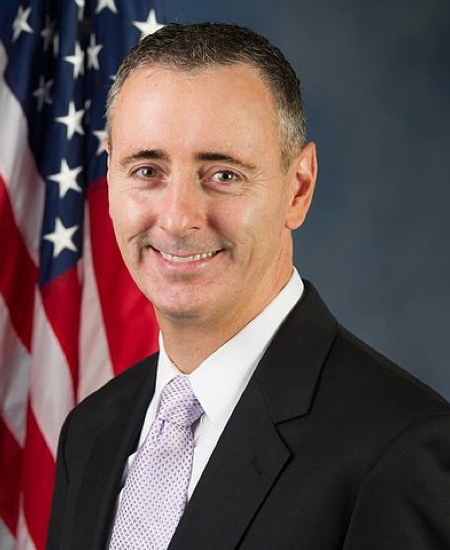
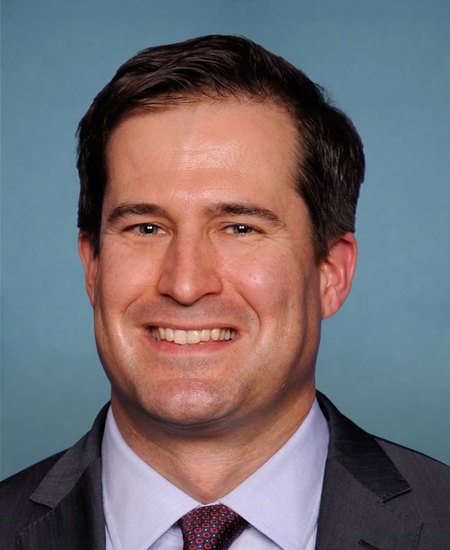


Show 41 more sponsors






















Discoveries
Patterns POLISCOPE noticed across the record. These are observations to investigate, not conclusions.
Expansion of Infrastructure Safety
The bill explicitly expands the definition of eligible National Highway System projects to include suicide deterrents, signaling a shift toward integrating mental health safety into standard transportation infrastructure planning.
Connected Entities
Sources
www.congress.gov
Analysis Score
0–100- Significance65How much this matters to a regular citizen
- Controversy10Intensity of disagreement among stakeholders
- Entertainment5Compellingness for a non-policy-wonk reader
- Buzz20Current news / social attention level
Publisher tools