
The civic record
Read. Follow. Verify.The HALT Fentanyl Act
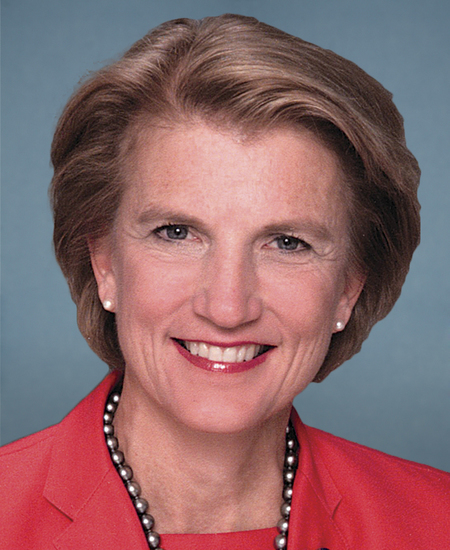
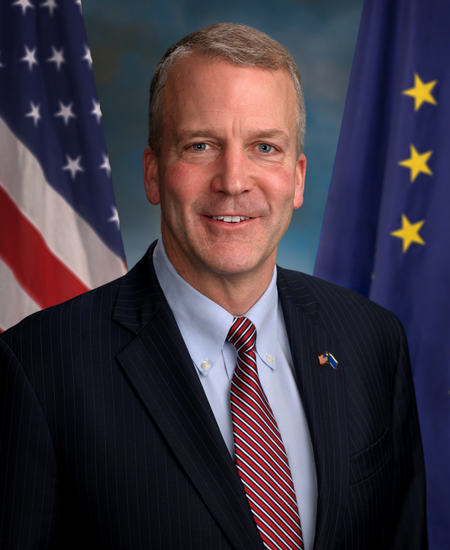
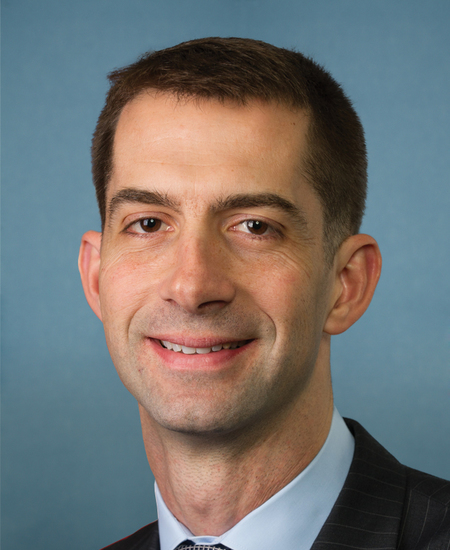
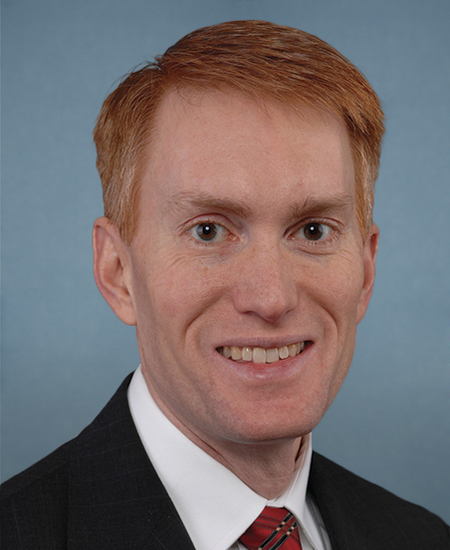
Last action · July 16, 2025: Became Public Law No: 119-26.Sponsors: Bill Cassidy and 31 others
Track this bill to get notified when it advances a stage. One tap to stop, anytime.
What This Bill Does
This law permanently classifies a broad range of fentanyl-related substances as controlled substances. It also creates an expedited registration process for researchers to study these substances if they are working with federal agencies or have specific investigational drug exemptions.
This law changes the legal status of various chemical compounds to , which increases federal penalties for their possession, distribution, and manufacture, while simultaneously streamlining the research application process for scientists.
Who It Affects
Groups the bill's text affects, as described in the record. Being affected is not a position for or against it.
Medical and scientific researchers
Researchers must follow new notification and registration procedures to study Schedule I substances.
Federal law enforcement
Law enforcement agencies gain expanded authority to prosecute the possession and distribution of a wider range of fentanyl-related compounds.
Department of Health and Human Services, DoD, and VA
These agencies are required to verify research information for applicants upon request from the Attorney General.
Key Facts
- Permanently adds 'fentanyl-related substances' to Schedule I of the Controlled Substances Act.
- Defines 'fentanyl-related substance' based on specific structural chemical modifications to the fentanyl molecule.
- Allows the Attorney General to publish a list of these substances in the Federal Register, though absence from the list does not exempt a substance if it meets the structural definition.
- Creates an expedited registration process for researchers studying Schedule I substances if the research is funded by HHS, DoD, or VA, or has an investigational use exemption.
Show all 10 facts
- Requires researchers with existing Schedule I/II registrations to provide 30 days' notice to the Attorney General before starting research on these substances.
- Requires the Attorney General to register new researchers or issue an order to show cause within 45 days of receiving a complete application.
- Mandates that the Attorney General provide an electronic submission system for research notifications.
- Limits researchers to possessing only the quantities of substances identified in their notifications to the Attorney General.
- Allows for supplemental notifications if a researcher requires additional quantities of a substance.
- Specifies that this law does not alter existing requirements for the importation or exportation of controlled substances.
Frequently Asked Questions
What does it mean for a substance to be 'Schedule I'?
Does this law stop all research on fentanyl-related substances?
How does the government decide if a new substance is a 'fentanyl-related substance'?
What else do you want to know?
News Coverage
Follow the record
Votes, people, money & the original sourceWhere This Stands
Current status: Signed into law.
Procedural history
38 actions- Jul 16, 2025PresidentEnrolledBecame Public Law No: 119-26.
- Jul 16, 2025PresidentEnrolledSigned by President.
- Jul 8, 2025PresidentEnrolledPresented to President.
- Jun 12, 2025HouseMotion to reconsider laid on the table Agreed to without objection.
- Jun 12, 2025HouseFloorOn passage Passed by the Yeas and Nays: 321 - 104 (Roll no. 166). (text: 6/11/2025 CR H2625-2627)
- Jun 12, 2025HouseFloorPassed/agreed to in House: On passage Passed by the Yeas and Nays: 321 - 104 (Roll no. 166). (text: 6/11/2025 CR H2625-2627)
Show 32 earlier actions
- Jun 12, 2025HouseConsidered as unfinished business. (consideration: CR H2806)
- Jun 11, 2025HousePOSTPONED PROCEEDINGS - At the conclusion of debate on S. 331, the Chair put the question on passage of the bill and by voice vote, announced that the ayes had prevailed. Mr. Pallone demanded the yeas and nays and the Chair postponed further proceedings until a time to be announced.
- Jun 11, 2025HouseThe previous question was ordered pursuant to the rule.
- Jun 11, 2025HouseDEBATE - The House proceeded with one hour of debate on S. 331.
- Jun 11, 2025HouseRule provides for consideration of H.R. 884, H.R. 2056, H.R. 2096 and S. 331. The resolution provides for consideration of H.R. 884, H.R. 2056, H.R. 2096, and S. 331 under a closed rule with one hour of general debate for each bill. The resolution provides for one motion to recommit on H.R. 884, H.R. 2056, and H.R. 2096, and one motion to commit on S. 331.
- Jun 11, 2025HouseConsidered under the provisions of rule H. Res. 489. (consideration: CR H2625-2633)
- Jun 10, 2025HouseRule H. Res. 489 passed House.
- Jun 9, 2025HouseRules Committee Resolution H. Res. 489 Reported to House. Rule provides for consideration of H.R. 884, H.R. 2056, H.R. 2096 and S. 331. The resolution provides for consideration of H.R. 884, H.R. 2056, H.R. 2096, and S. 331 under a closed rule with one hour of general debate for each bill. The resolution provides for one motion to recommit on H.R. 884, H.R. 2056, and H.R. 2096, and one motion to commit on S. 331.
- Mar 18, 2025HouseHeld at the desk.
- Mar 18, 2025HouseReceived in the House.
- Mar 14, 2025SenateMessage on Senate action sent to the House.
- Mar 14, 2025SenateFloorPassed Senate with an amendment by Yea-Nay Vote. 84 - 16. Record Vote Number: 127.
- Mar 14, 2025SenateFloorPassed/agreed to in Senate: Passed Senate with an amendment by Yea-Nay Vote. 84 - 16. Record Vote Number: 127.
- Mar 14, 2025SenateThe committee substitute agreed to by Unanimous Consent.
- Mar 14, 2025SenateConsidered by Senate. (consideration: CR S1762-1765)
- Mar 13, 2025SenateConsidered by Senate. (consideration: CR S1735)
- Mar 13, 2025SenateCloture on the measure invoked in Senate by Yea-Nay Vote. 84 - 15. Record Vote Number: 124. (CR S1735)
- Mar 11, 2025SenateCloture motion on the measure presented in Senate. (CR S1659)
- Mar 11, 2025SenateConsidered by Senate. (consideration: CR S1659)
- Mar 10, 2025SenateMeasure laid before Senate by motion.
- Mar 10, 2025SenateMotion to proceed to consideration of measure agreed to in Senate by Voice Vote. (consideration: CR S1623)
- Mar 10, 2025SenateMotion to proceed to measure considered in Senate. (CR S1623)
- Mar 6, 2025SenateCloture on the motion to proceed to the measure invoked in Senate by Yea-Nay Vote. 82 - 12. Record Vote Number: 110. (CR S1596)
- Mar 6, 2025SenateMotion to proceed to measure considered in Senate. (CR S1596)
- Mar 5, 2025SenateMotion to proceed to measure considered in Senate. (CR S1521)
- Mar 4, 2025SenateCloture motion on the motion to proceed to the measure presented in Senate. (CR S1488)
- Mar 4, 2025SenateMotion to proceed to consideration of measure made in Senate. (CR S1488)
- Mar 3, 2025SenatePlaced on Senate Legislative Calendar under General Orders. Calendar No. 18.
- Mar 3, 2025SenateCommittee on the Judiciary. Reported by Senator Grassley with an amendment in the nature of a substitute. Without written report.
- Feb 27, 2025SenateCommittee on the Judiciary. Ordered to be reported with an amendment in the nature of a substitute favorably.
- Jan 30, 2025SenateCommitteeRead twice and referred to the Committee on the Judiciary.
- Jan 30, 2025SenateIntroducedIntroduced in Senate
Version history
Only one version on file - nothing to compare yet. As later stages (committee substitute, engrossed, enrolled) are captured, the redline appears here.
View official text →Voting Record
Total
425
- Yes
- 321
- No
- 104
- Present
- 0
- Not voting
- 0
- Abstain
- 0
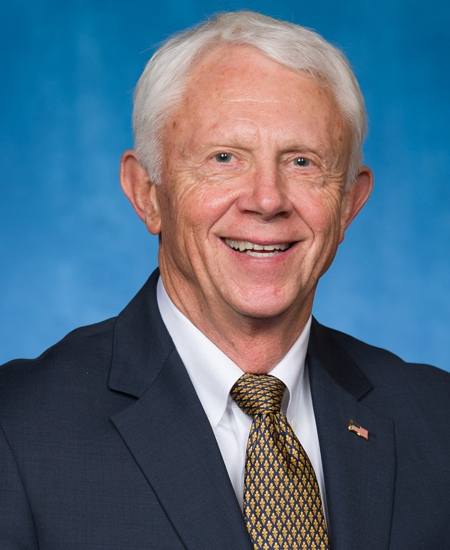
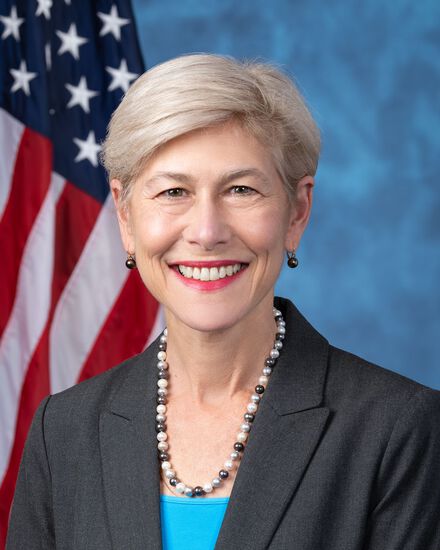
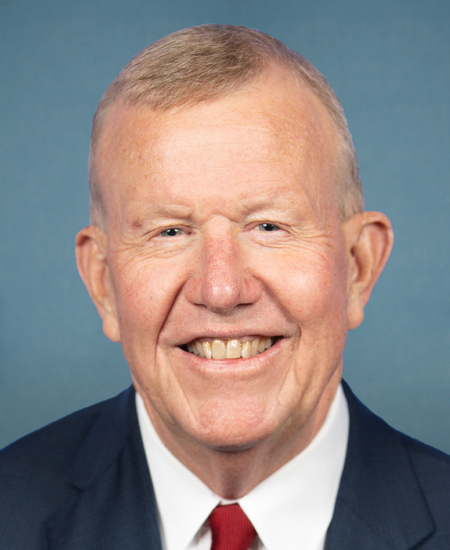
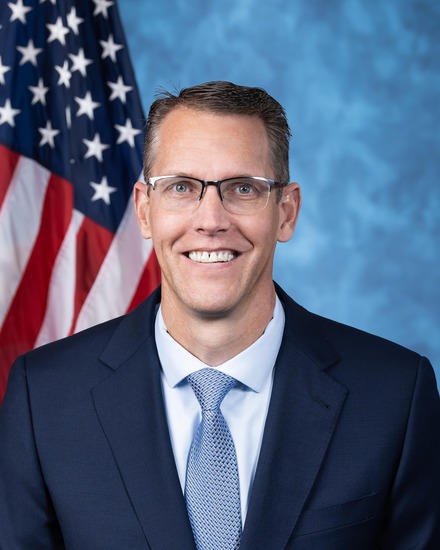
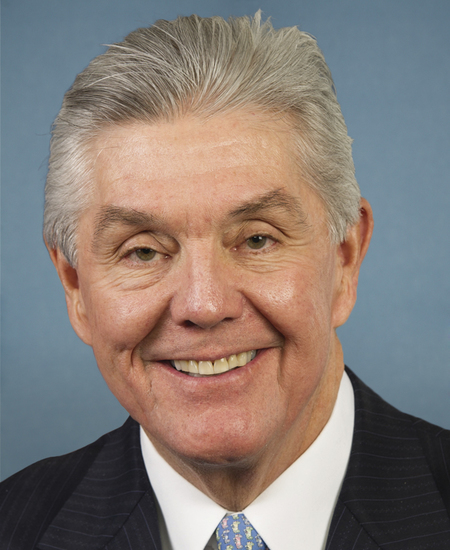
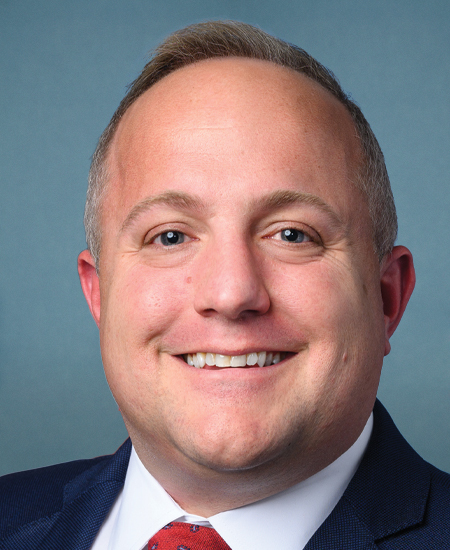
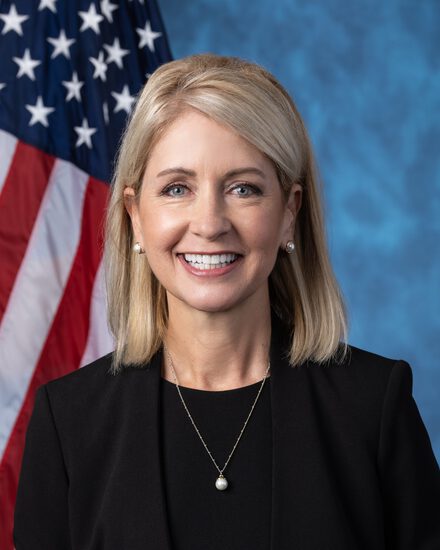
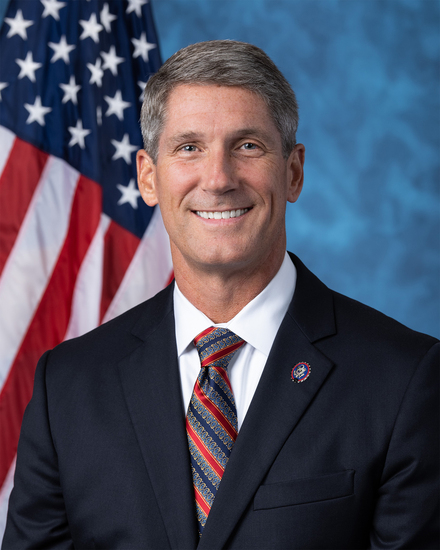
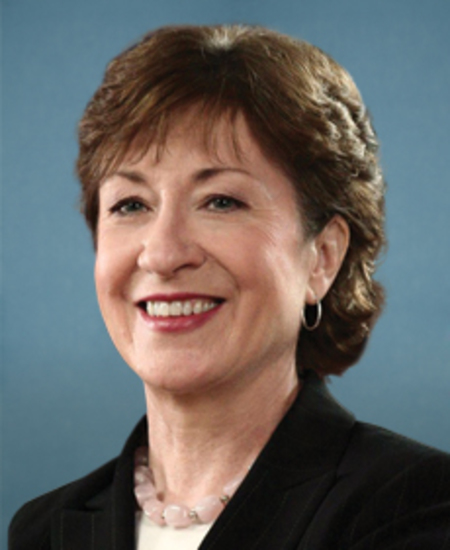
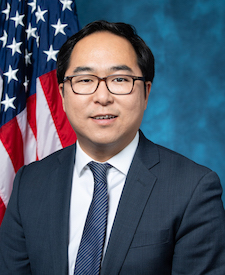
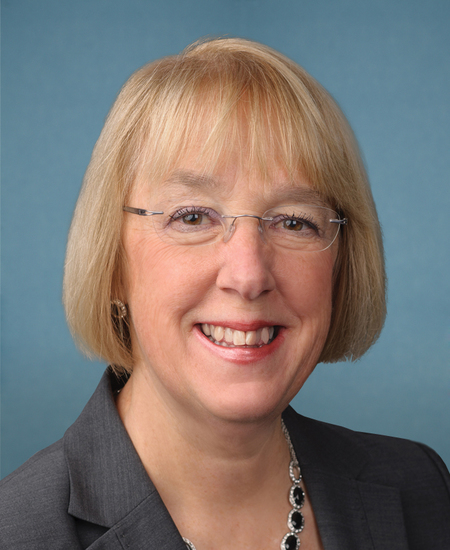
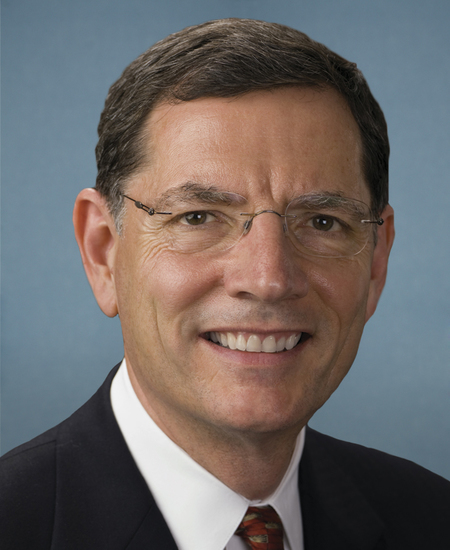
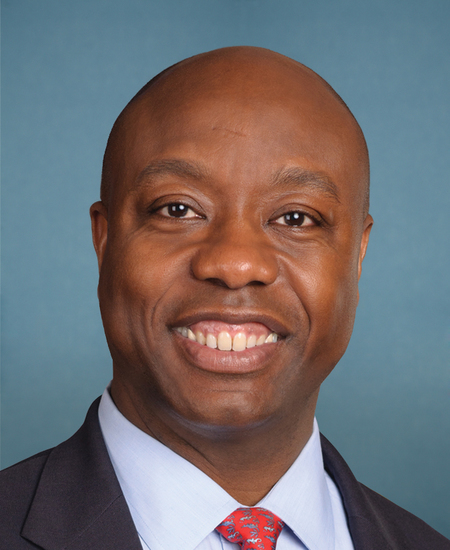
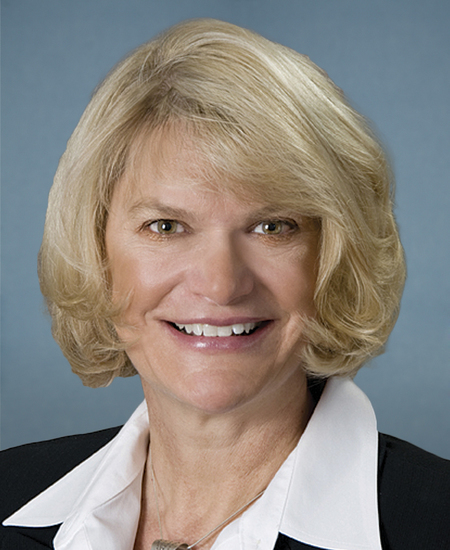
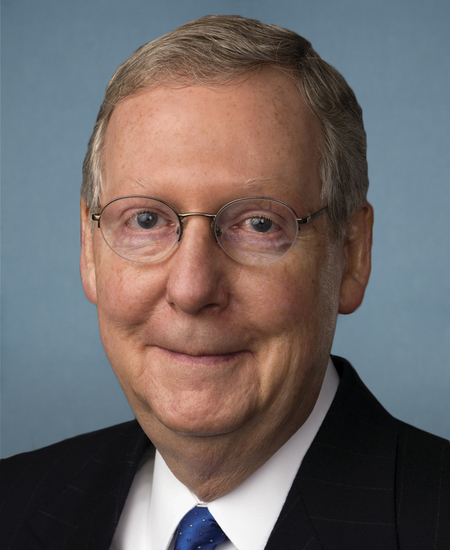
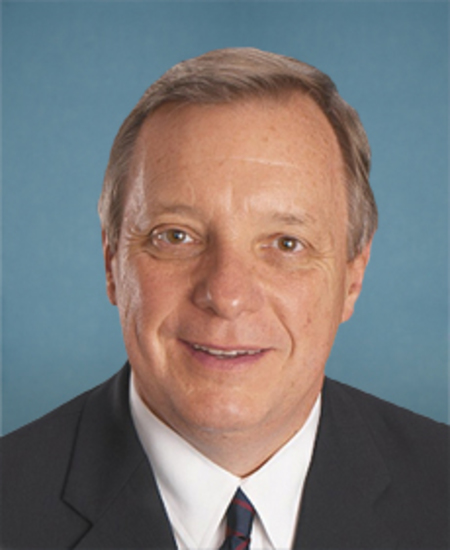
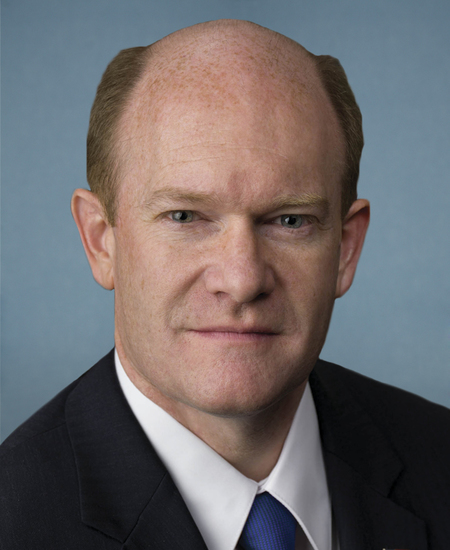
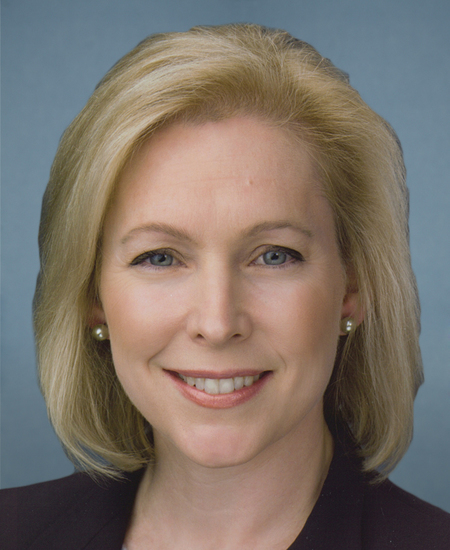
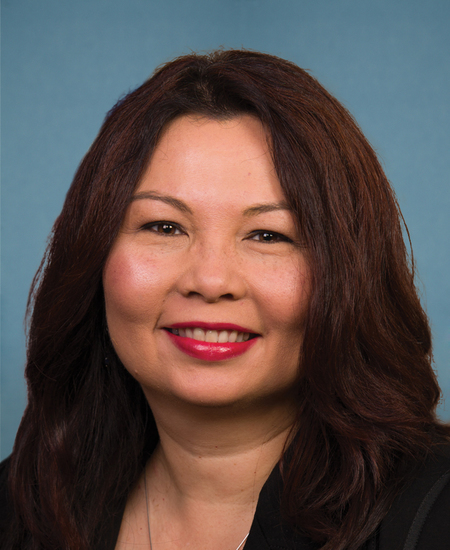
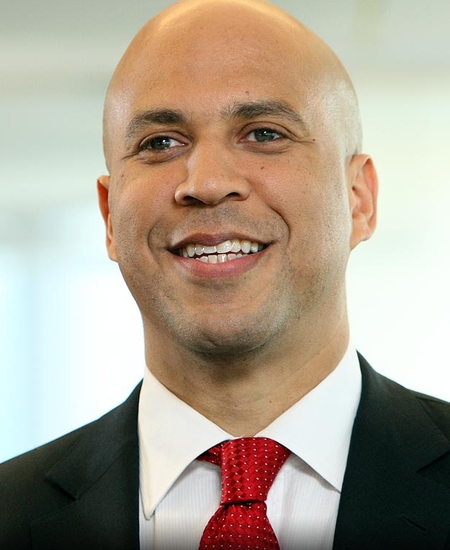
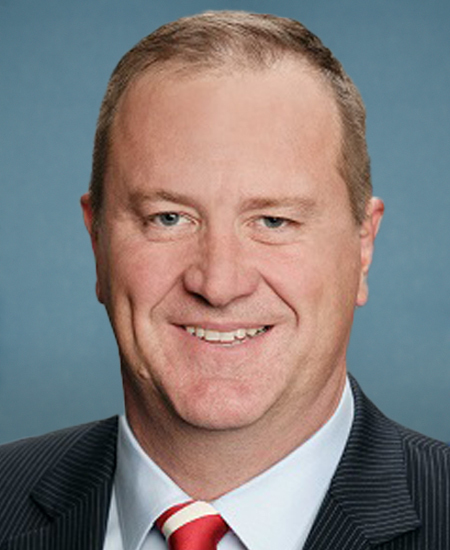
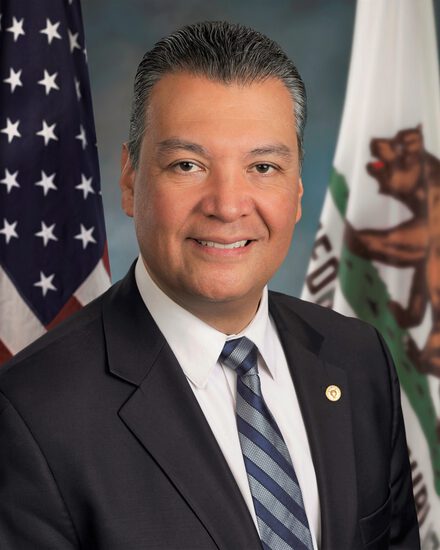
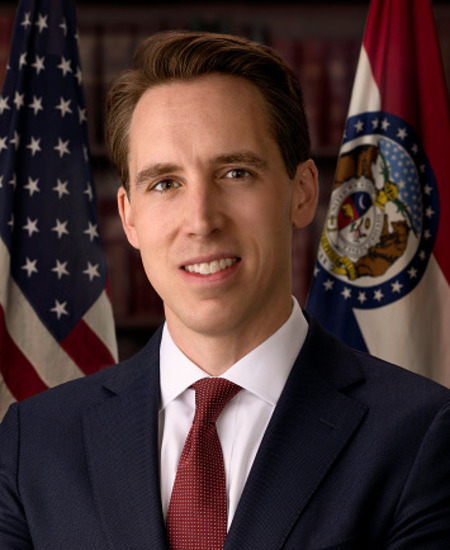
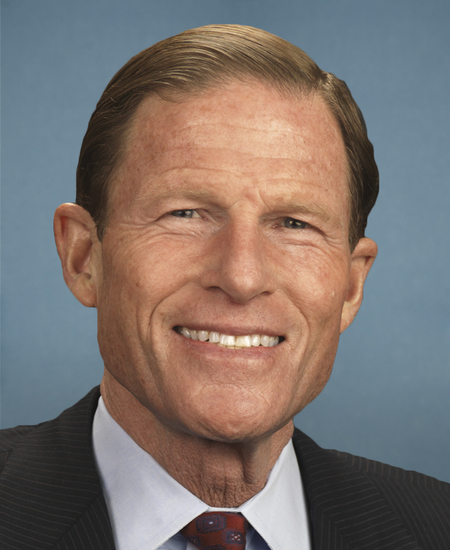
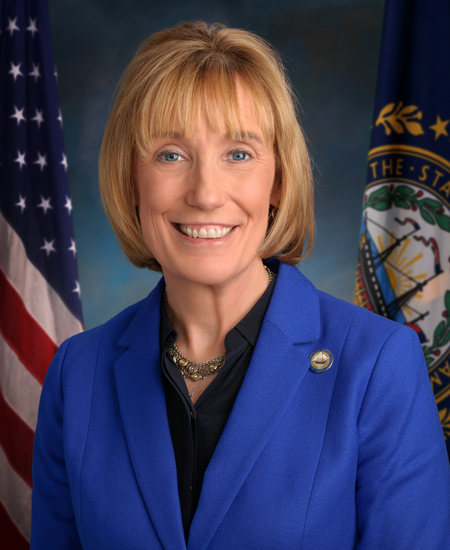
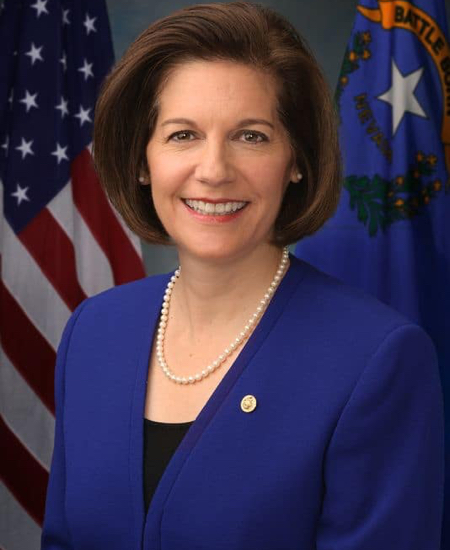
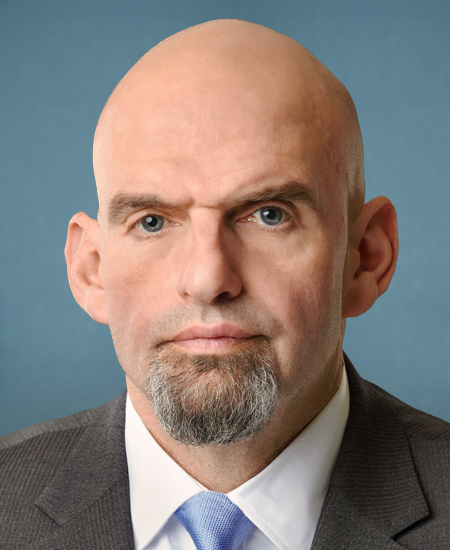
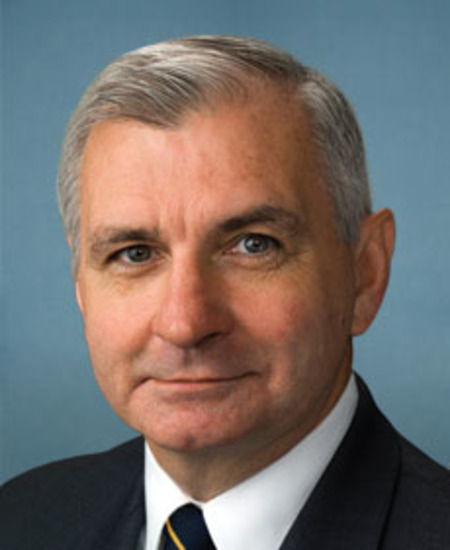
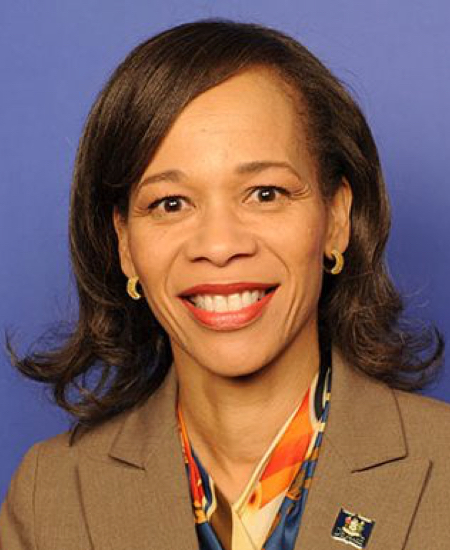
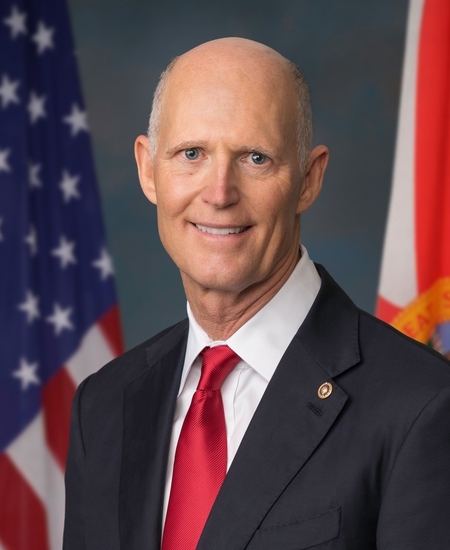
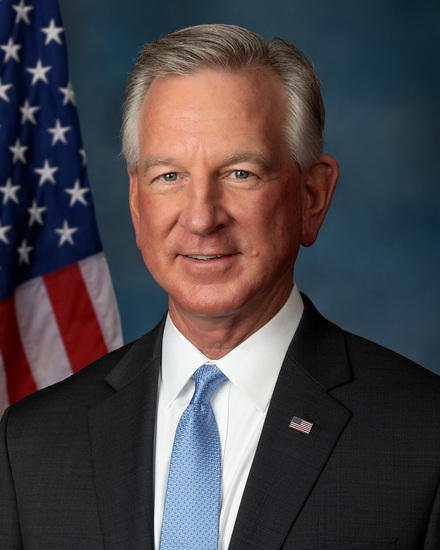
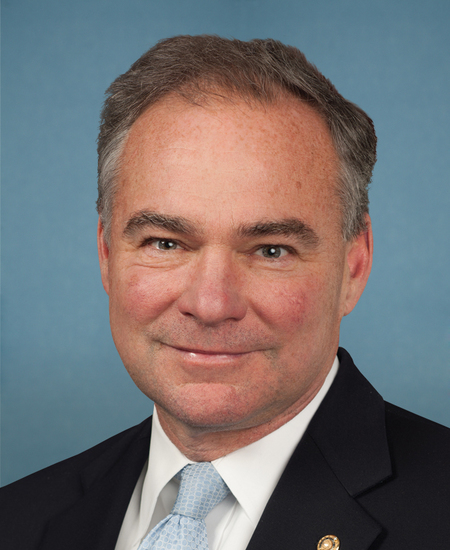
How they voted (425)
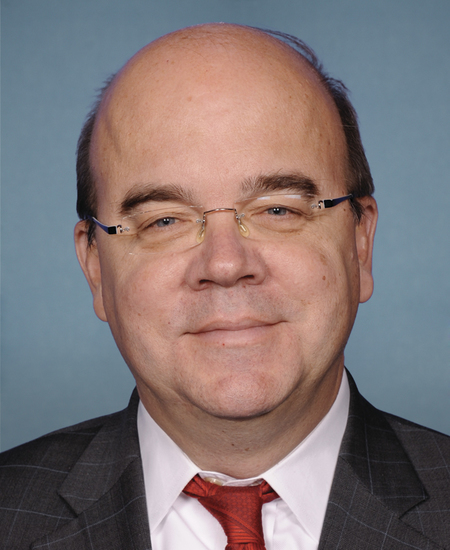
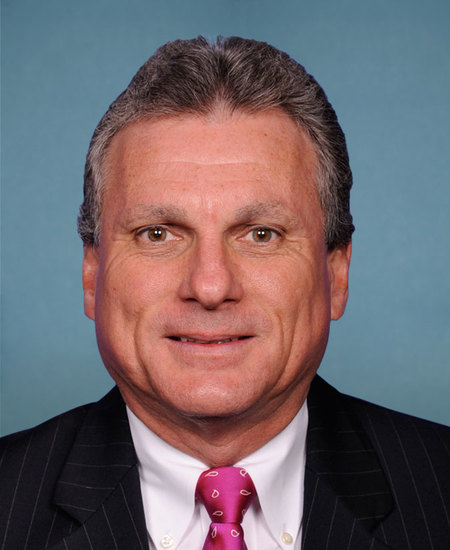

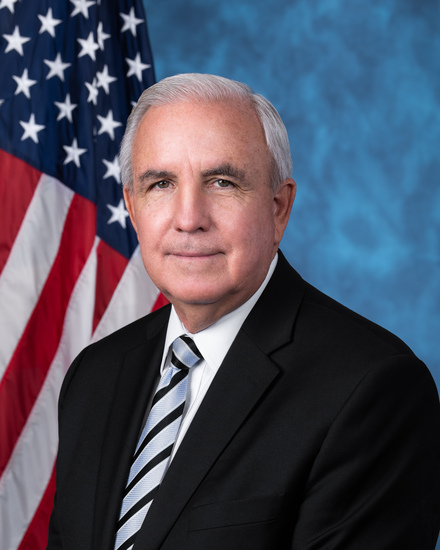
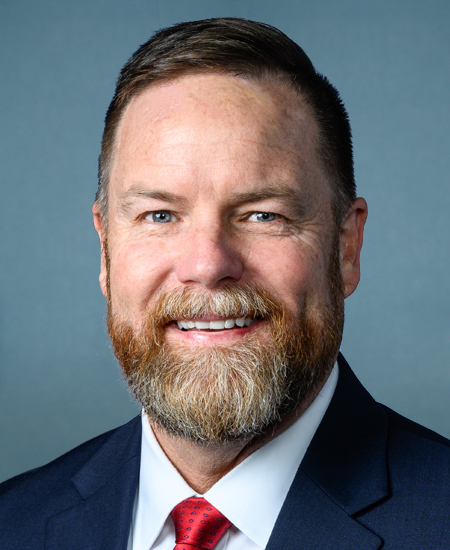
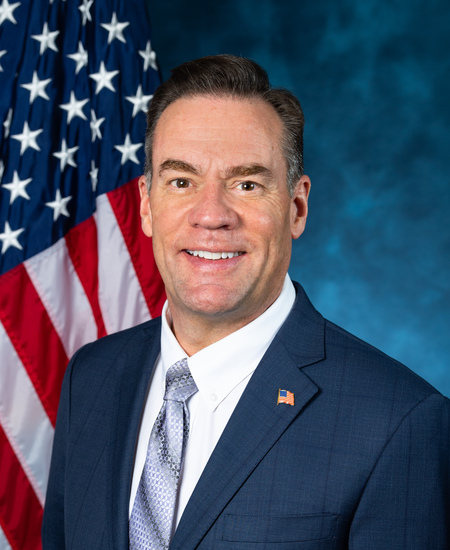
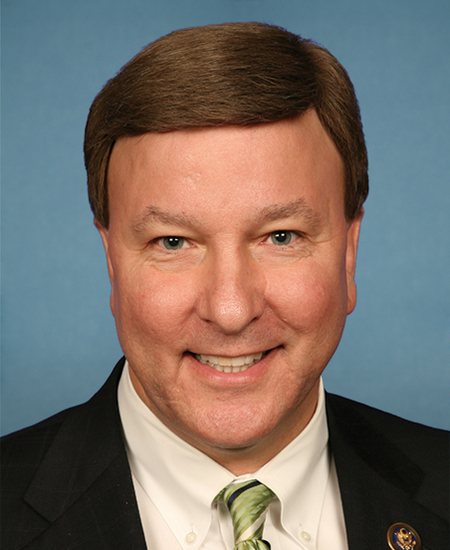
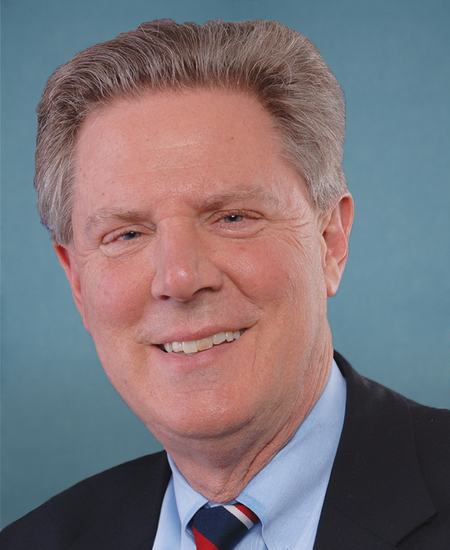
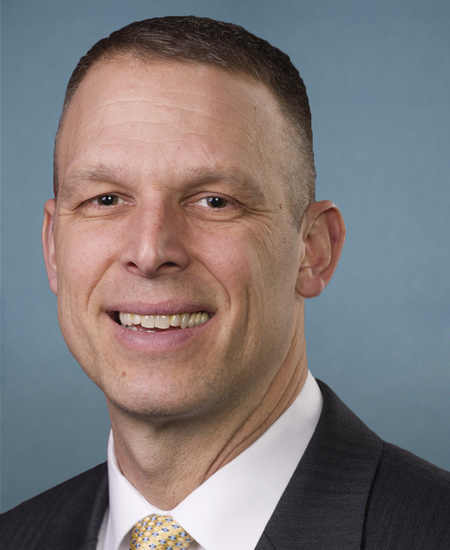
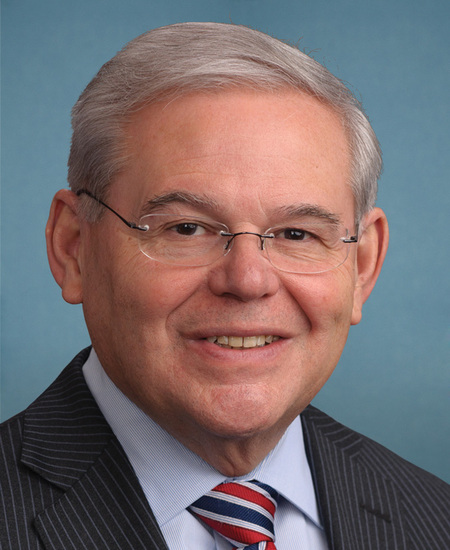
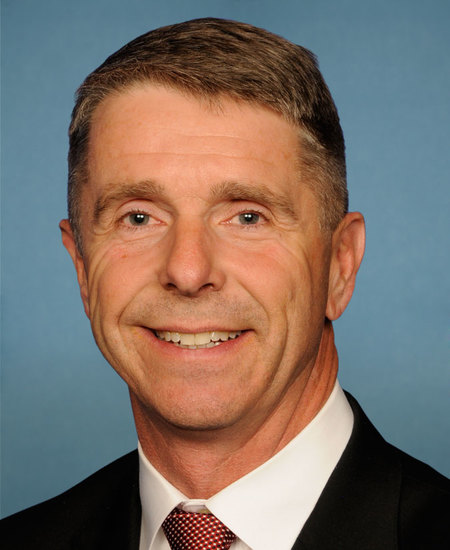
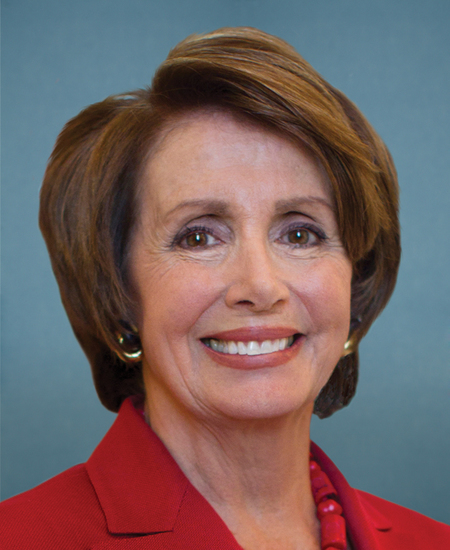
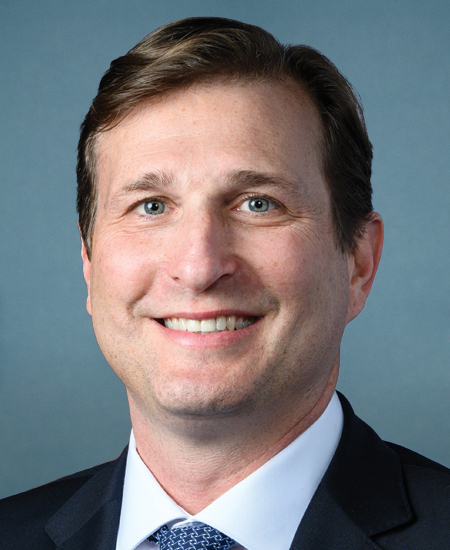
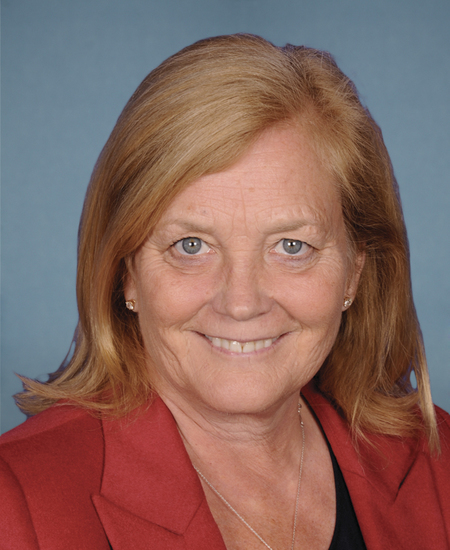

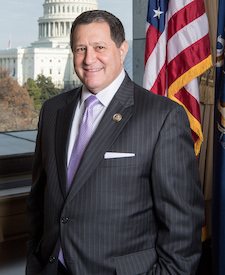

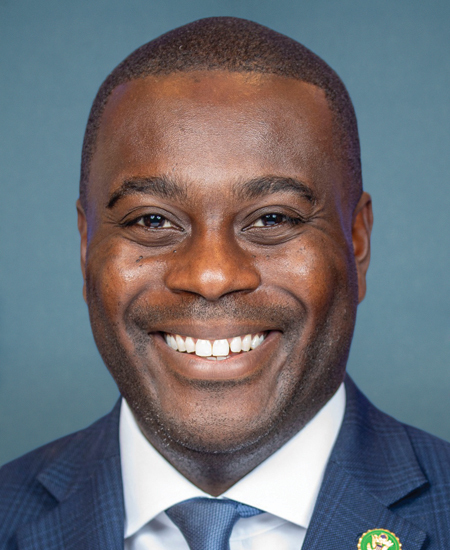

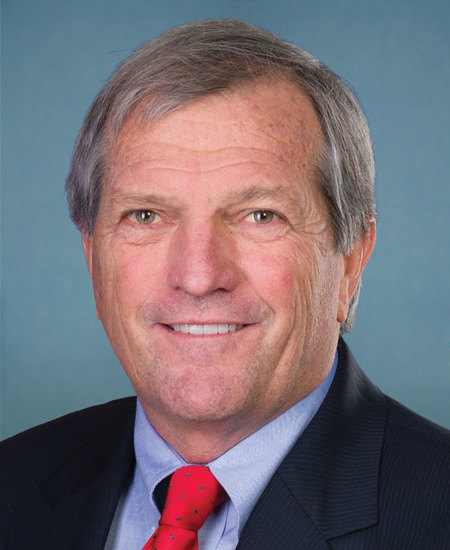

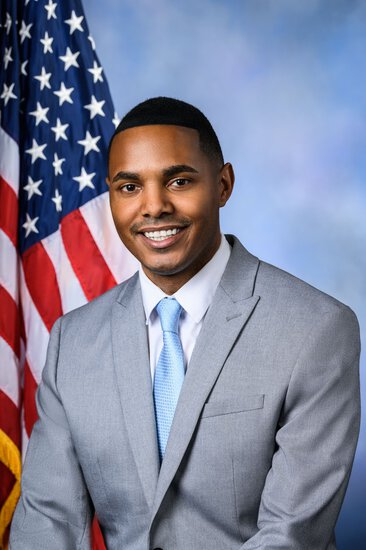

401 more members
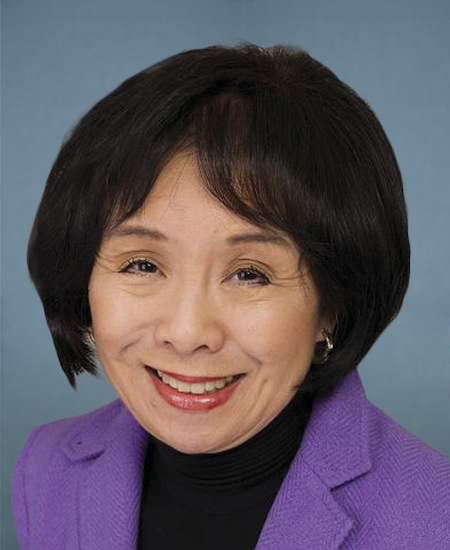



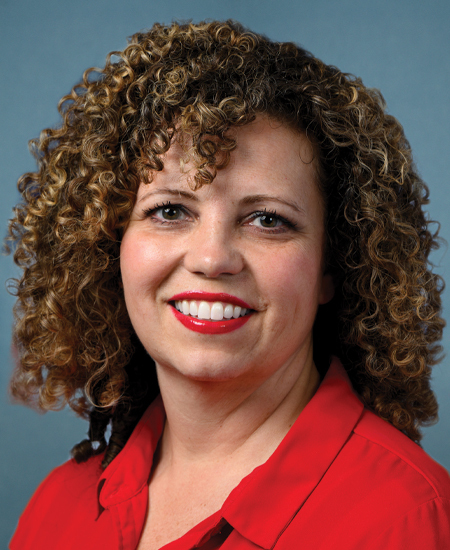
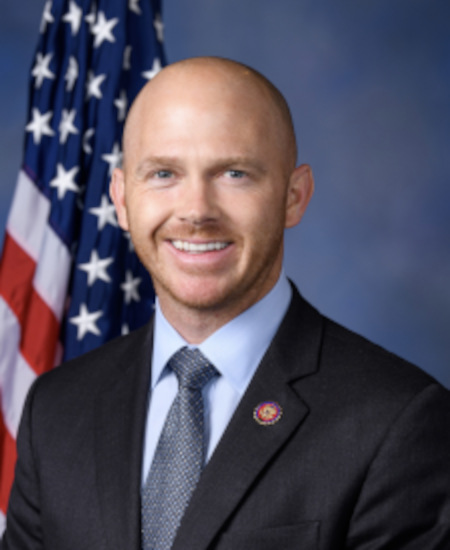
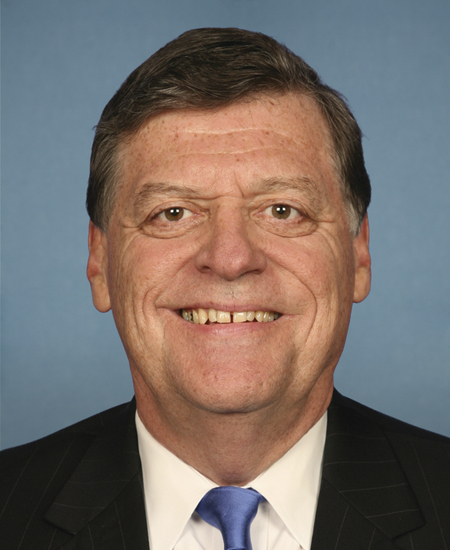
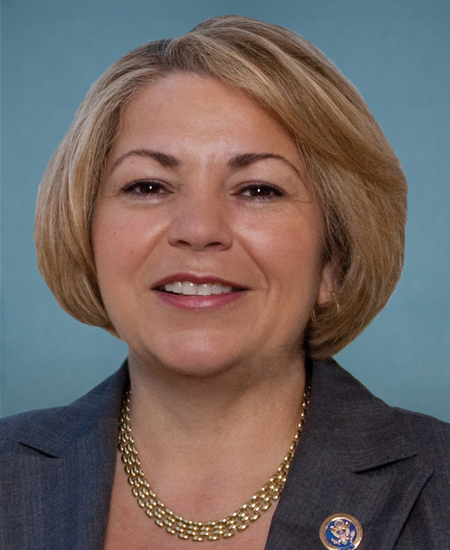
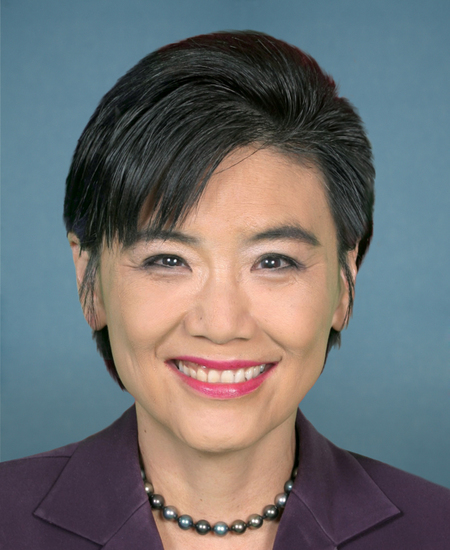



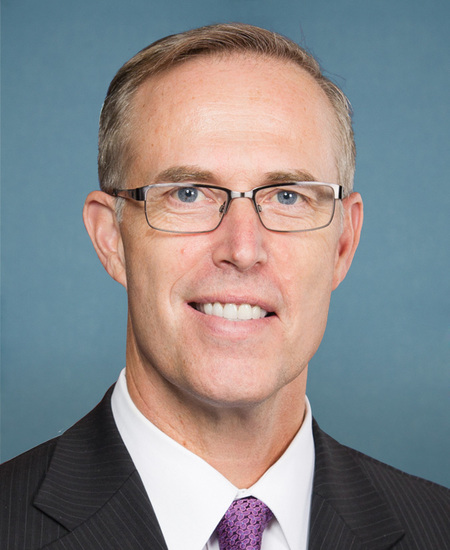





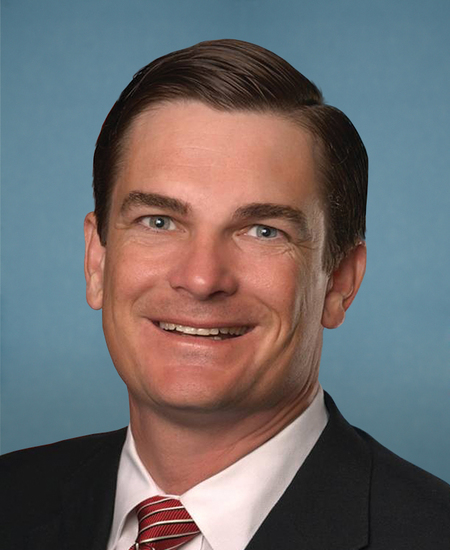

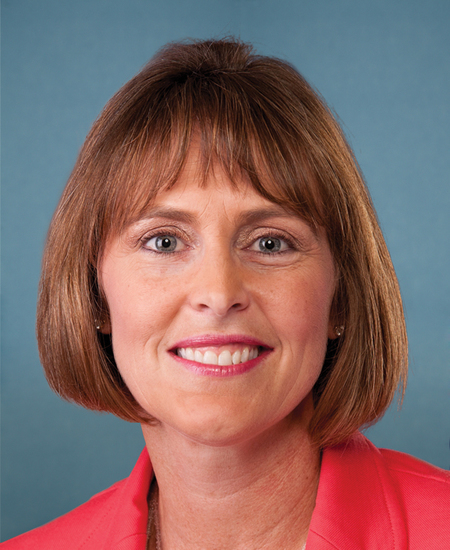
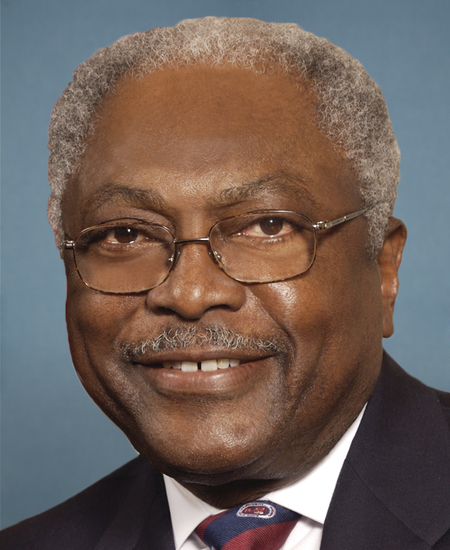
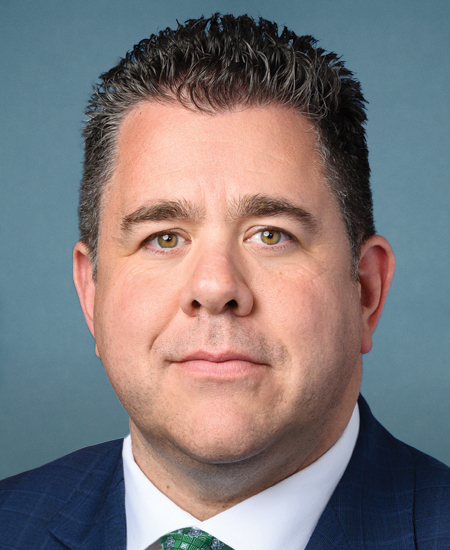




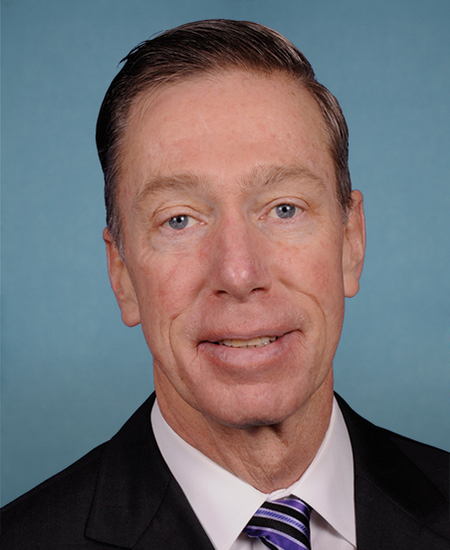
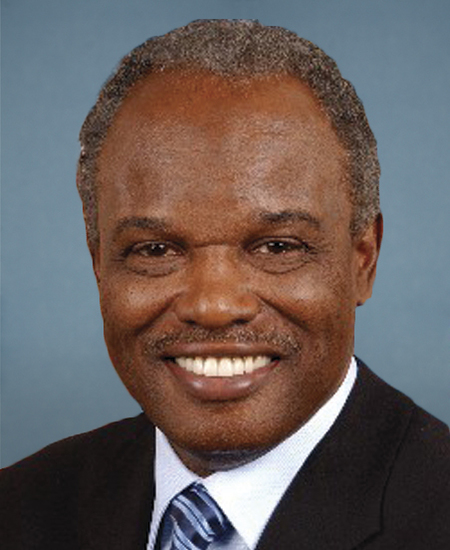
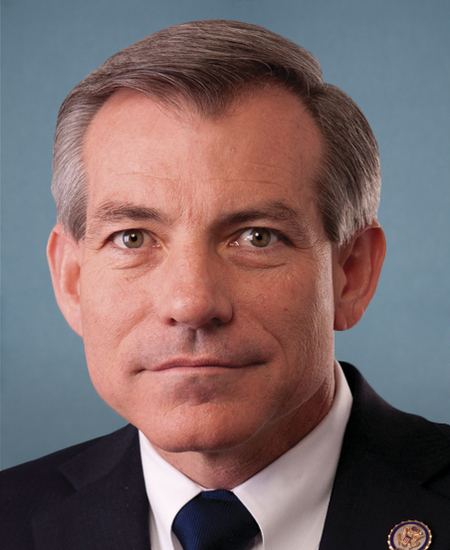
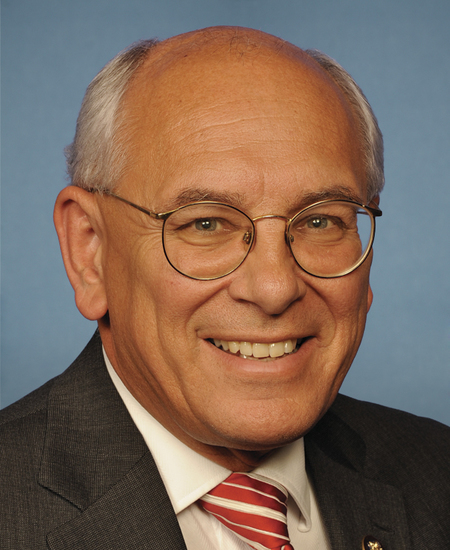





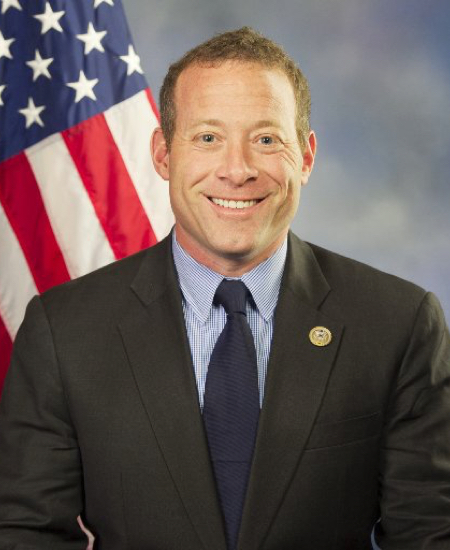

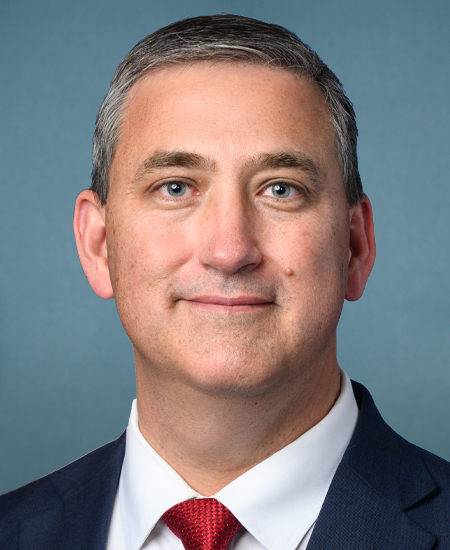

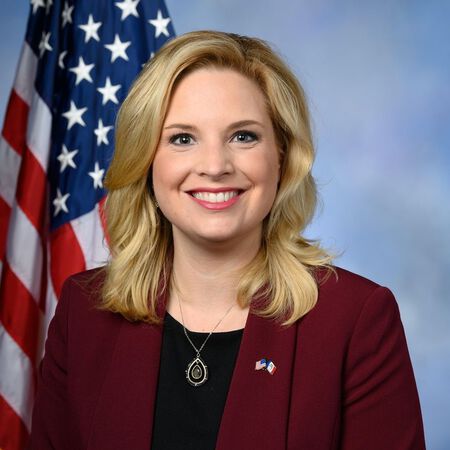
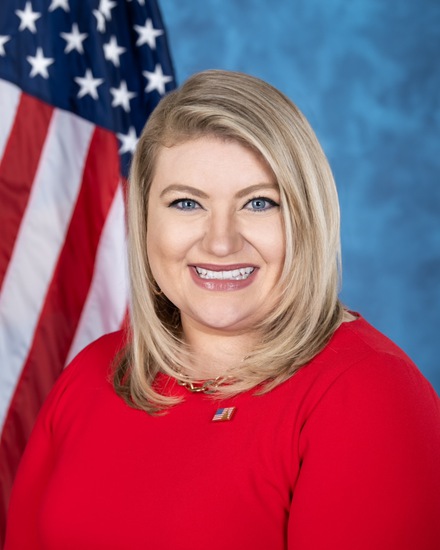
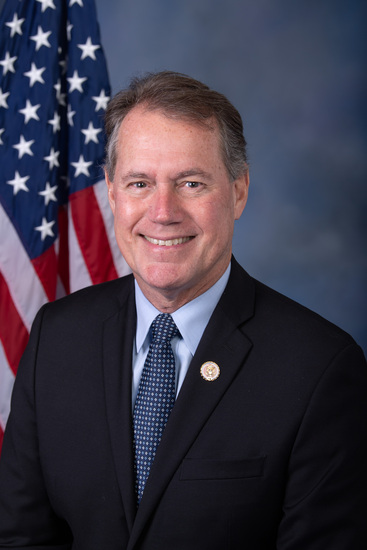
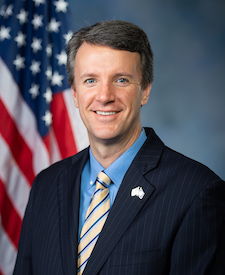
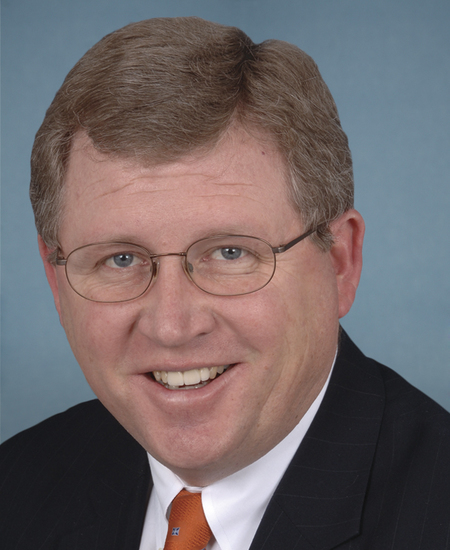
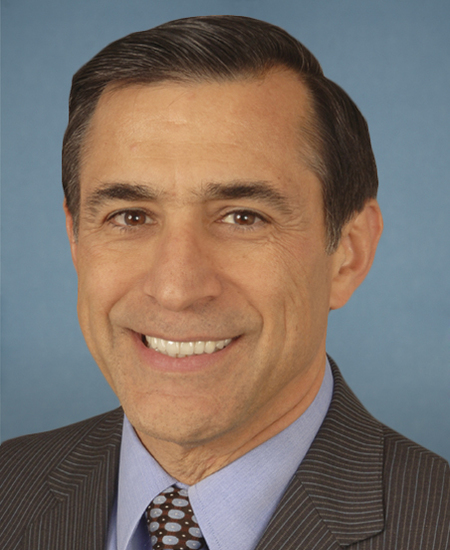







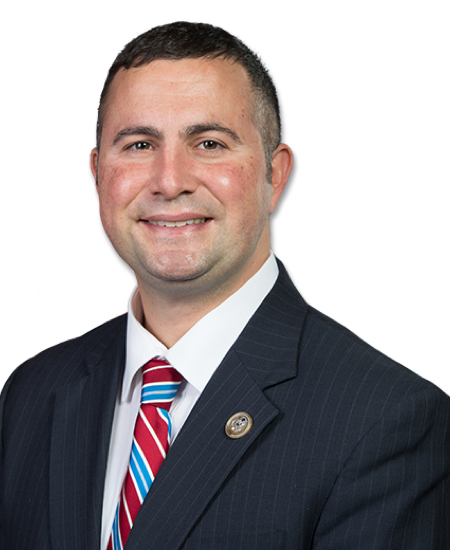
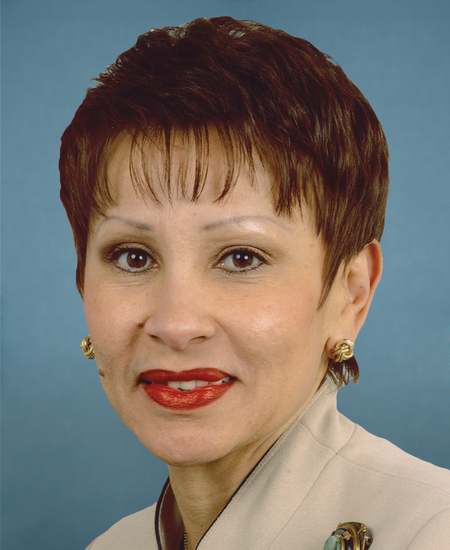
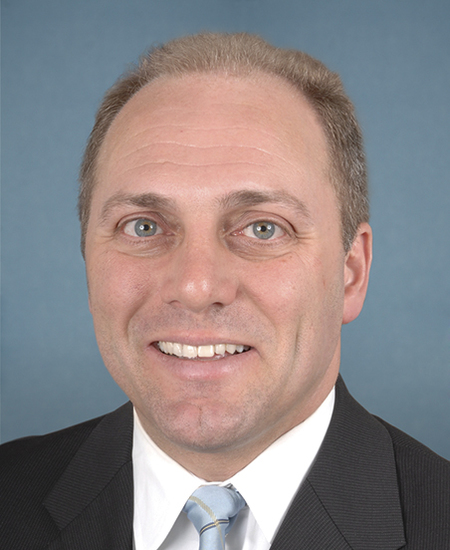

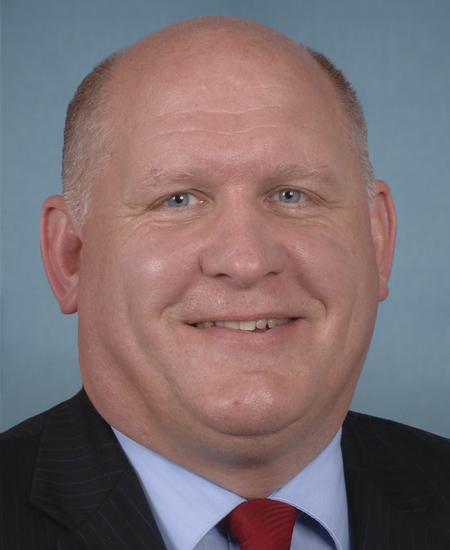
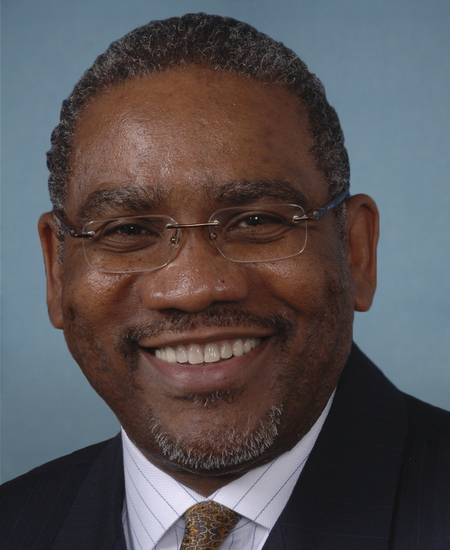

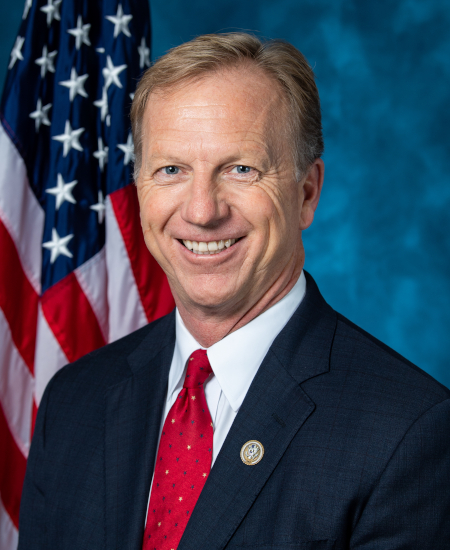
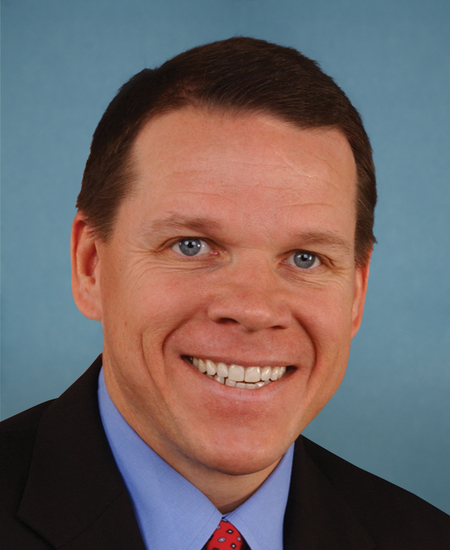

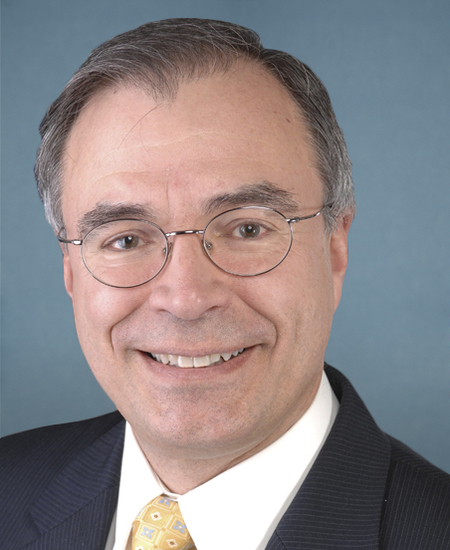

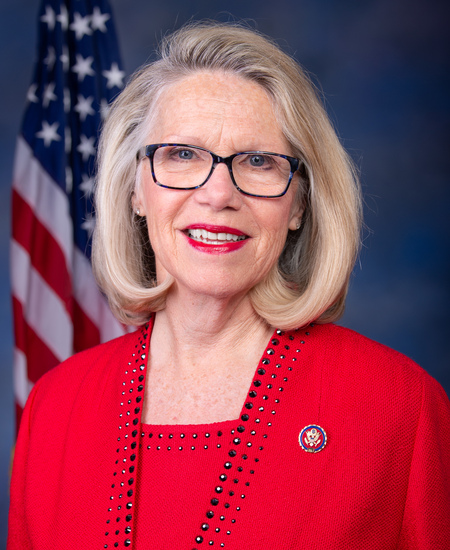
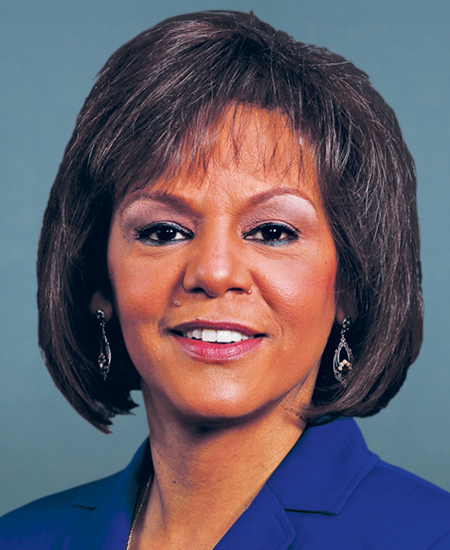
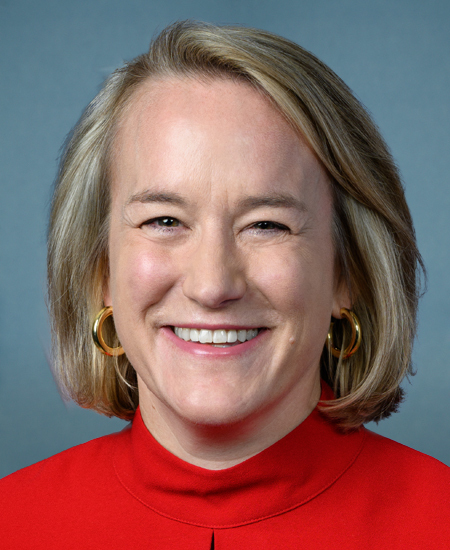
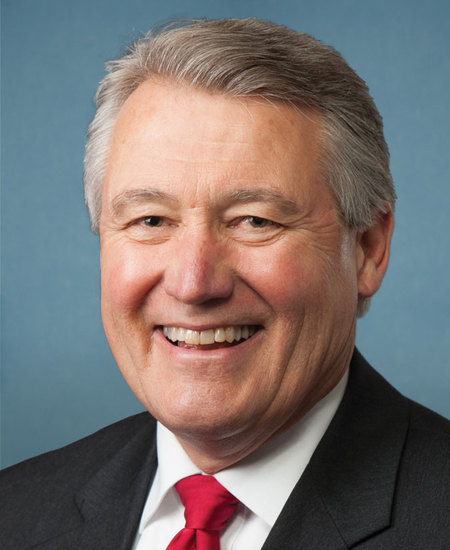
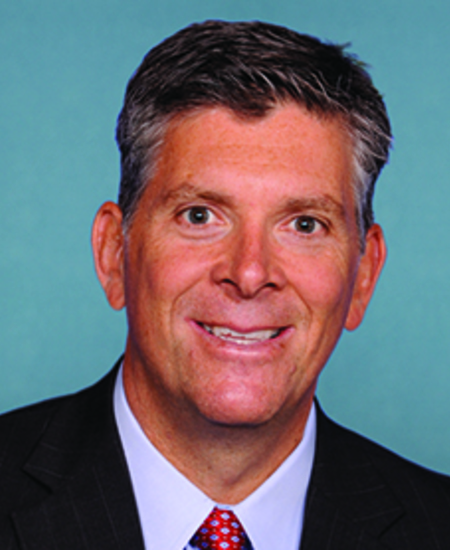
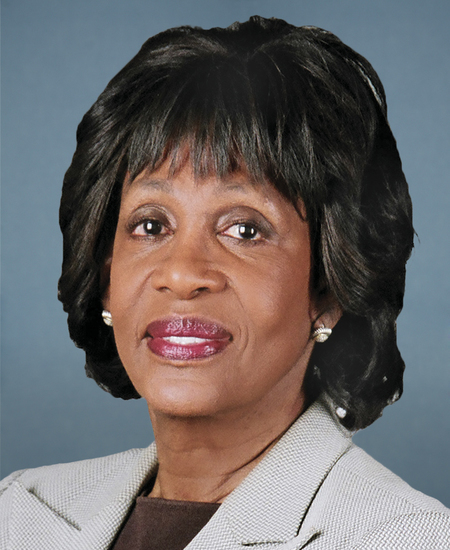
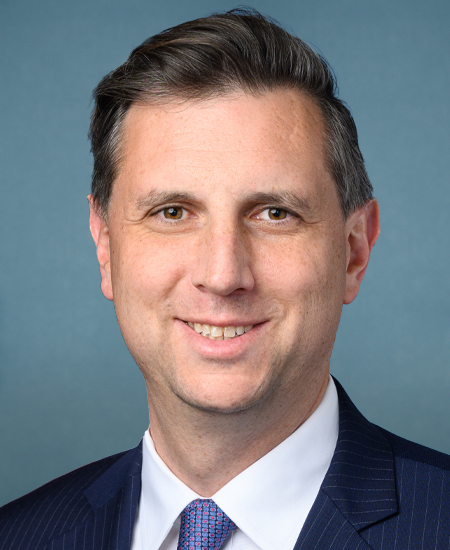





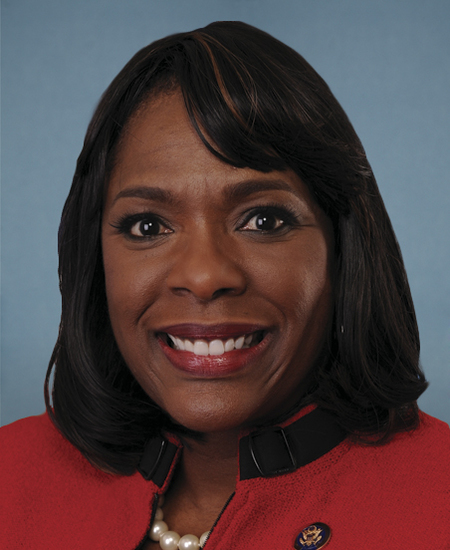

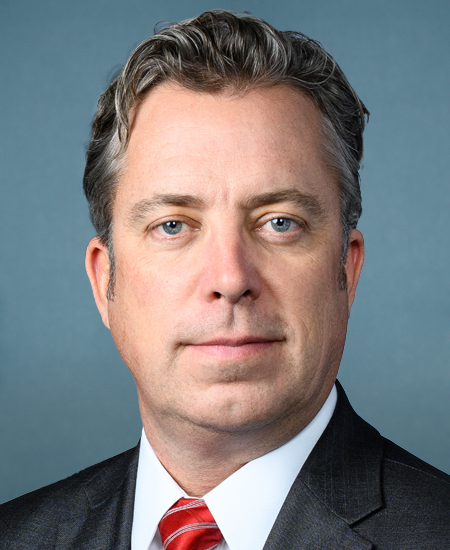
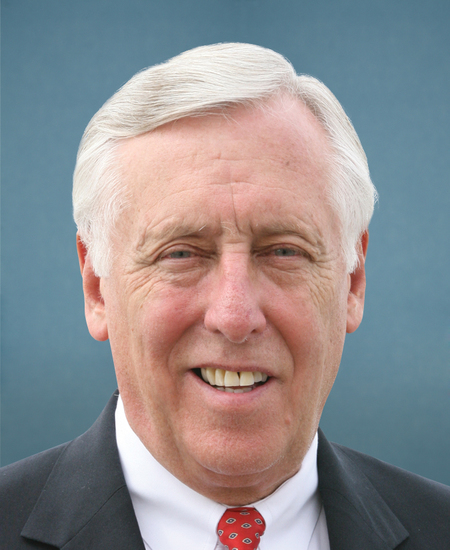
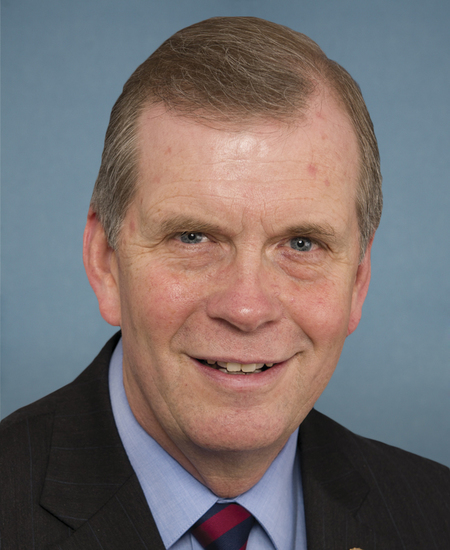









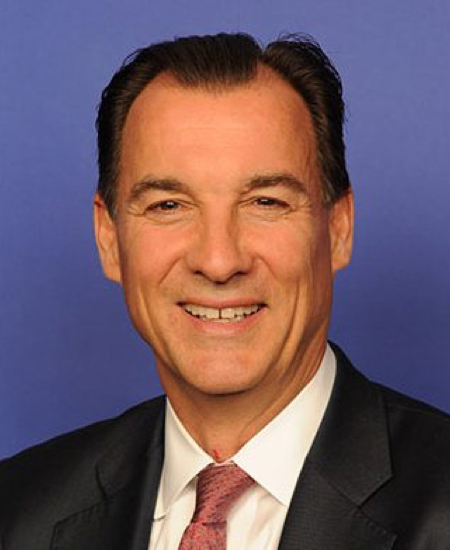
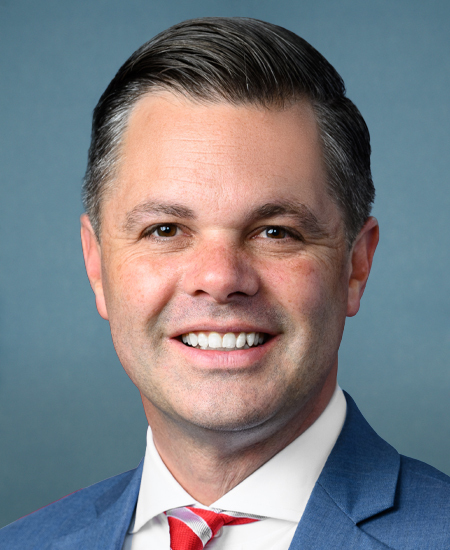
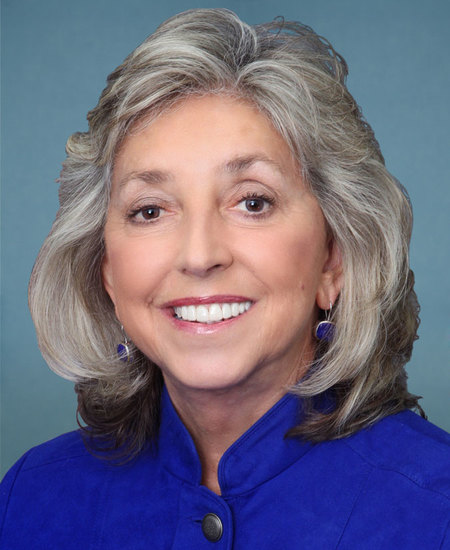
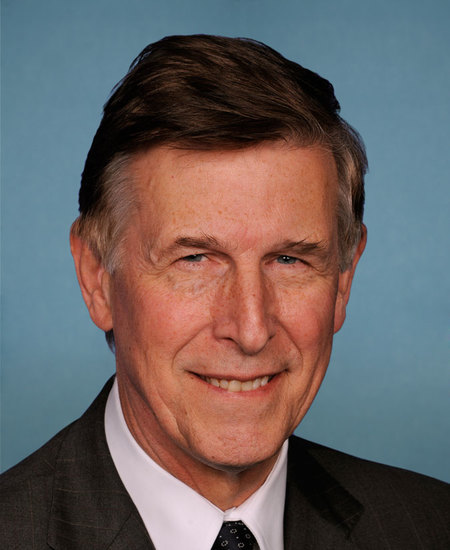


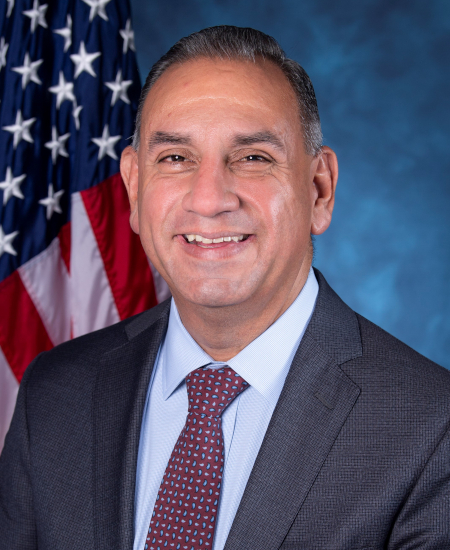
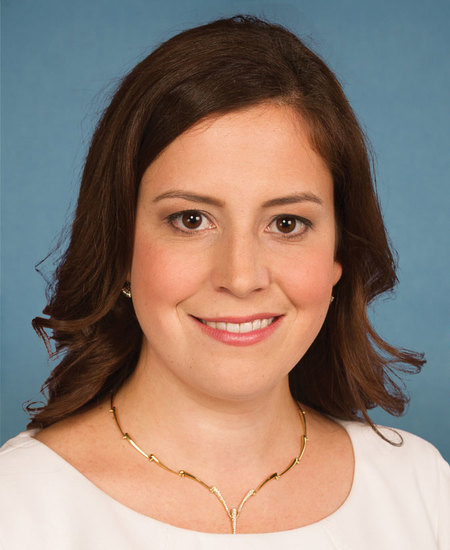
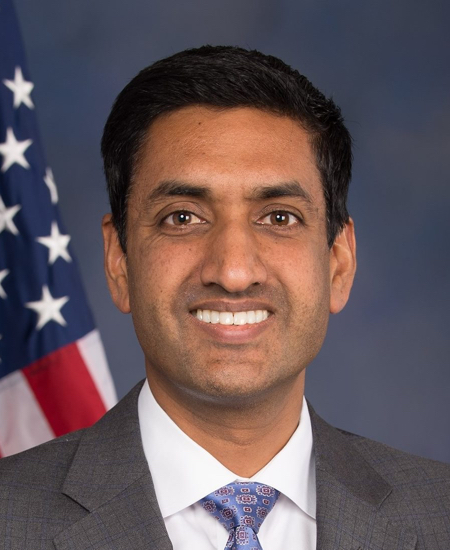
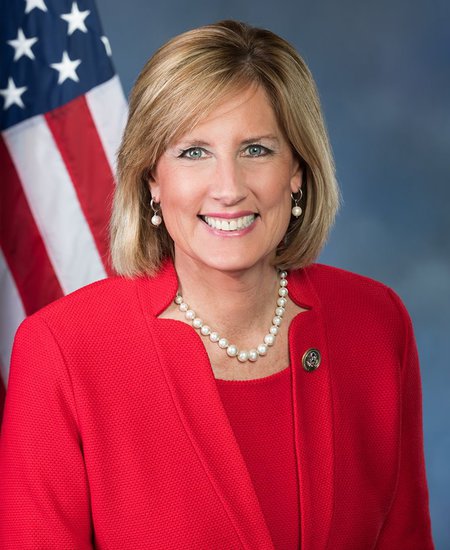

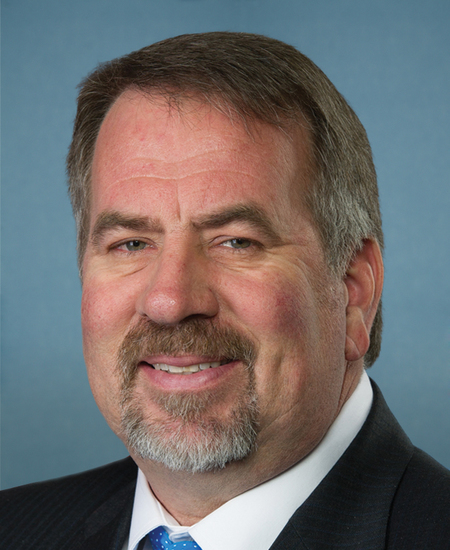

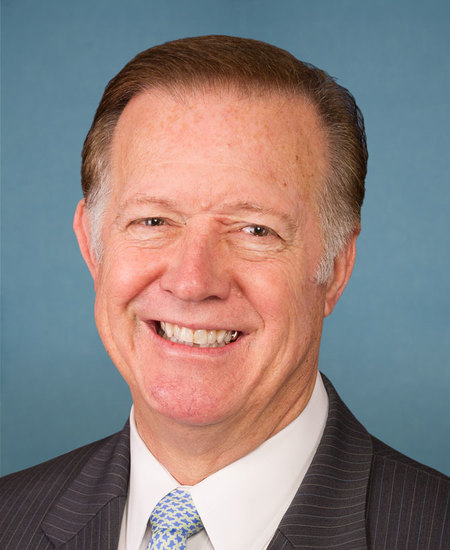
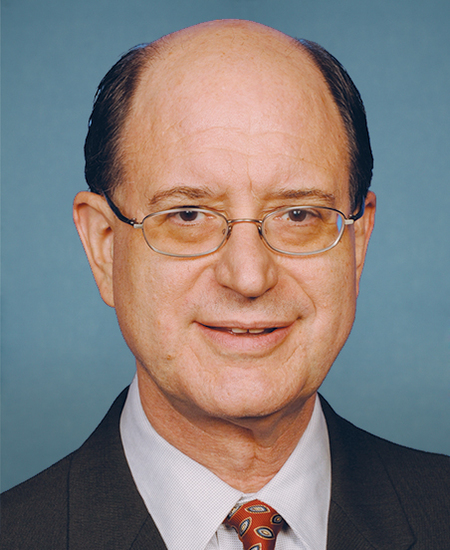
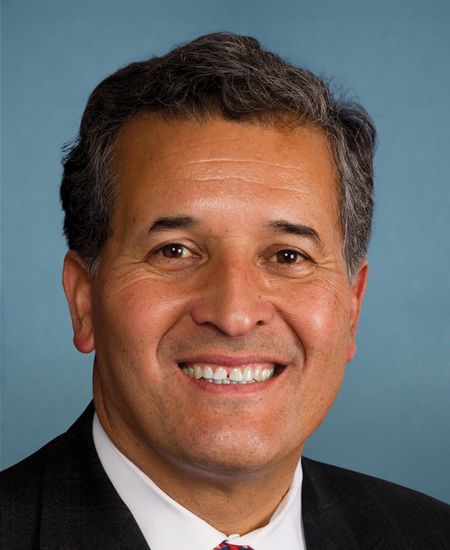






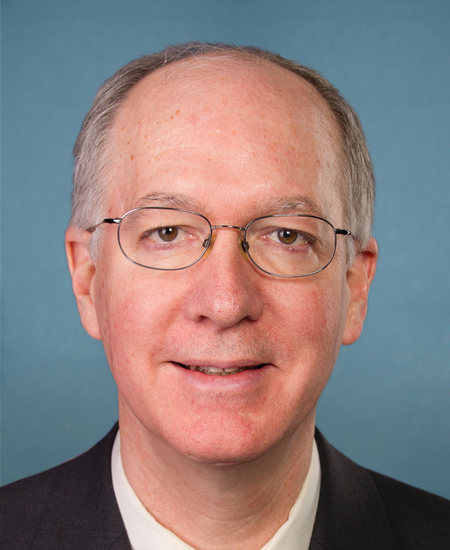

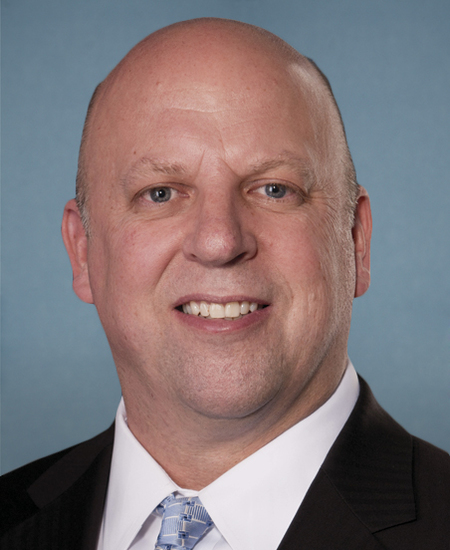
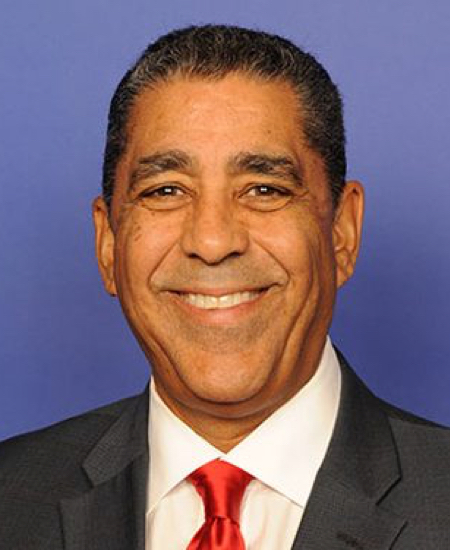
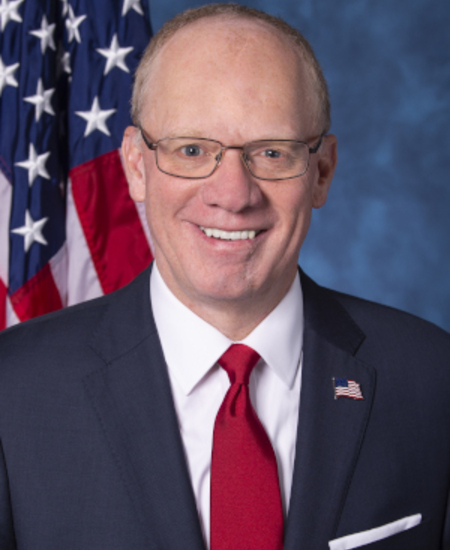
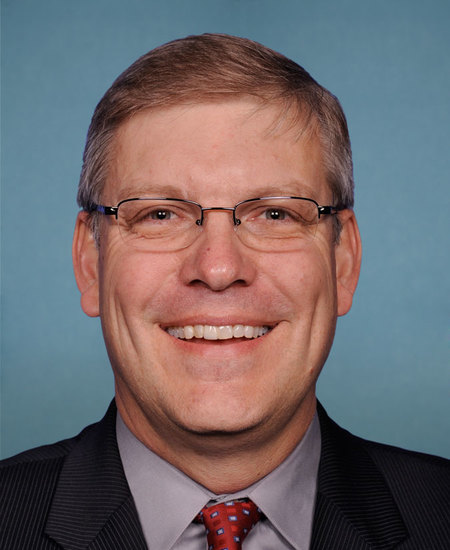
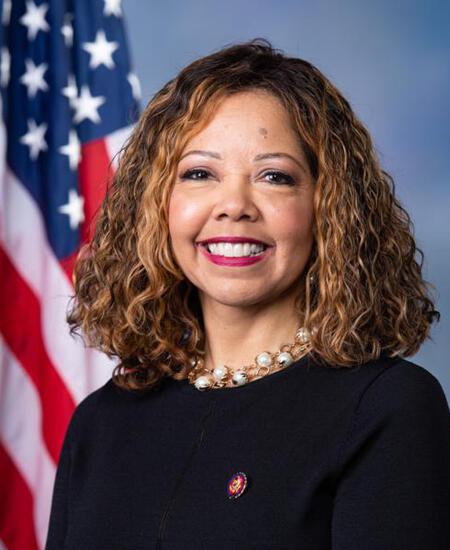
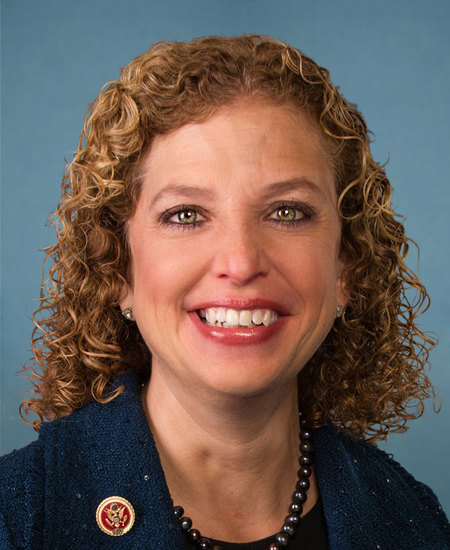

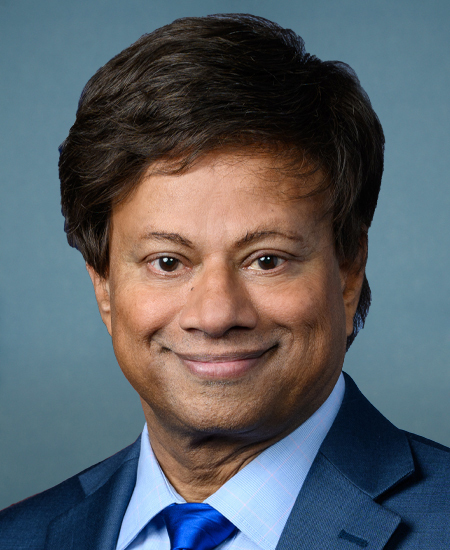



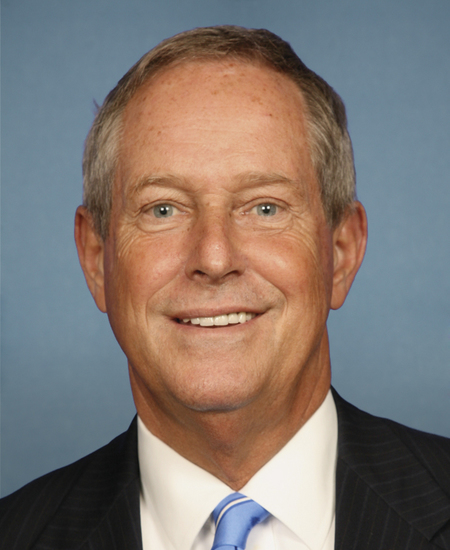

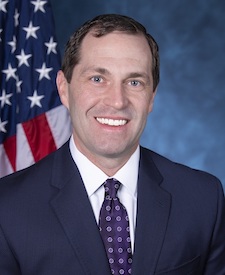
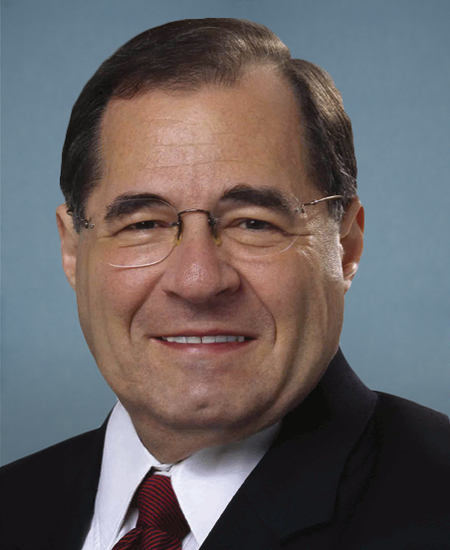
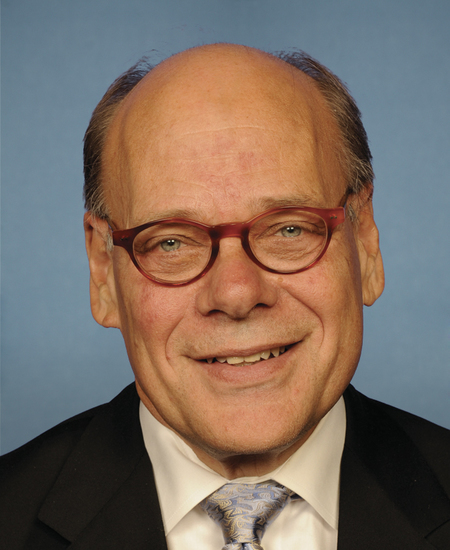



















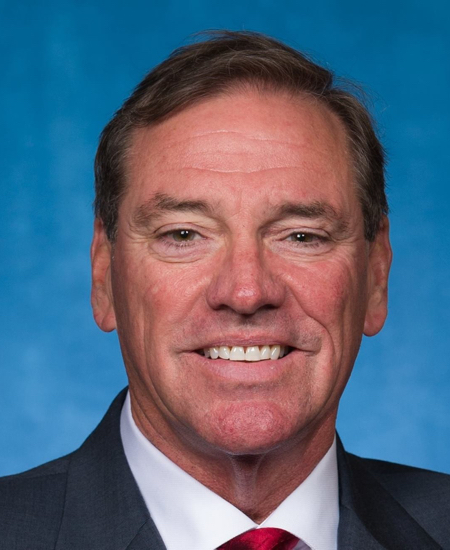
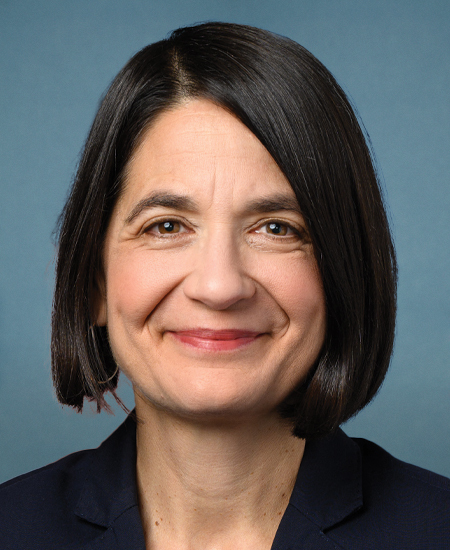
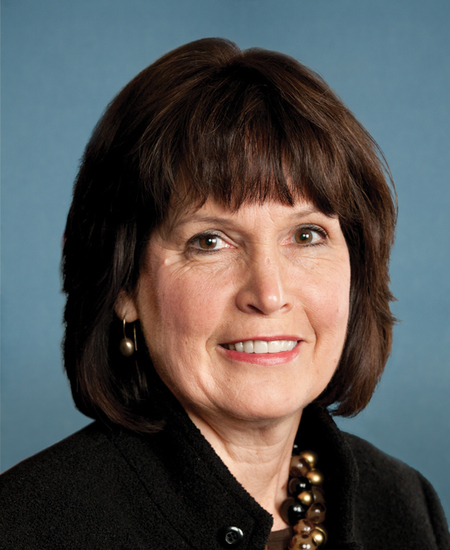


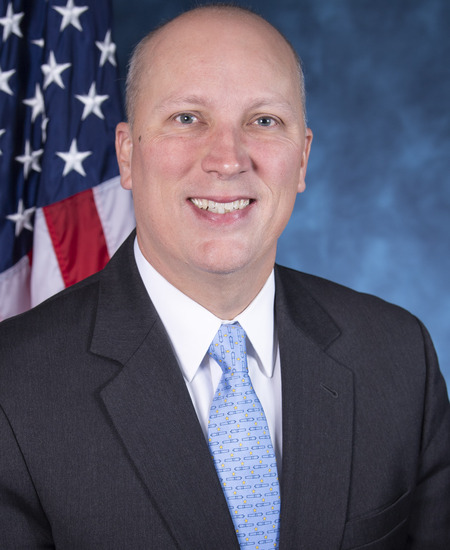

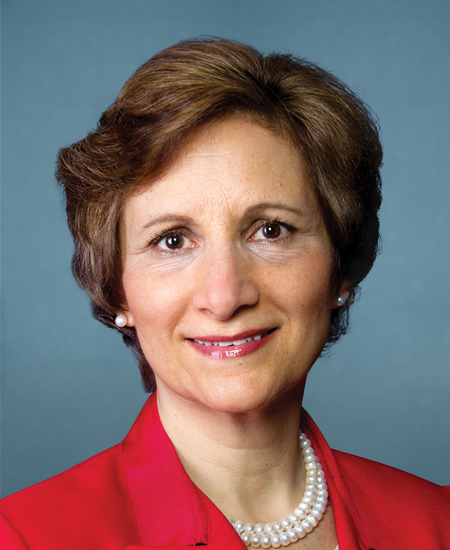
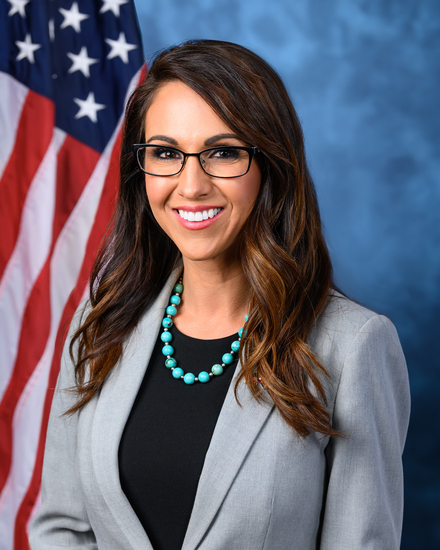

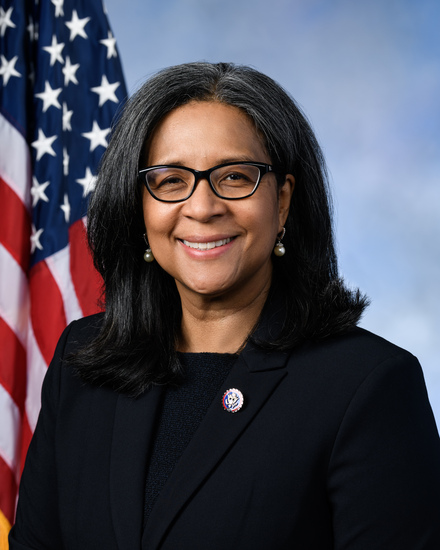
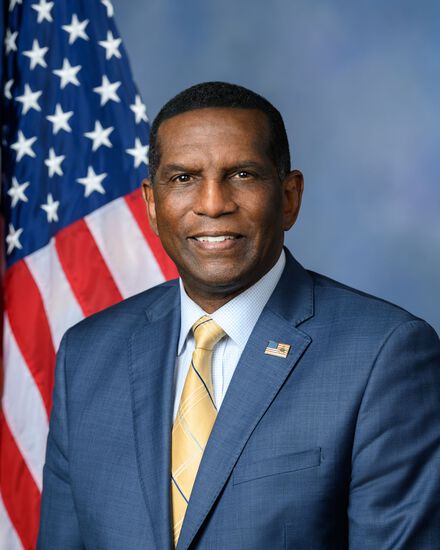
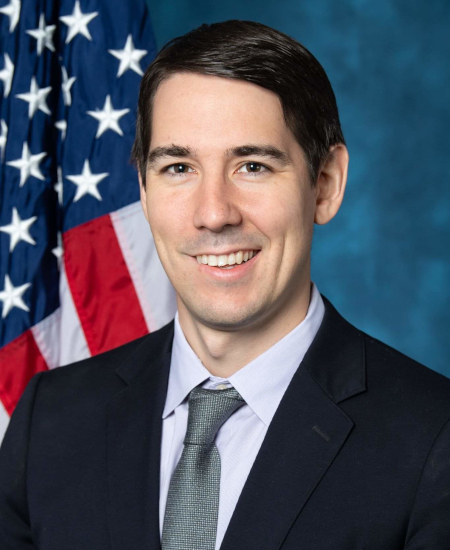
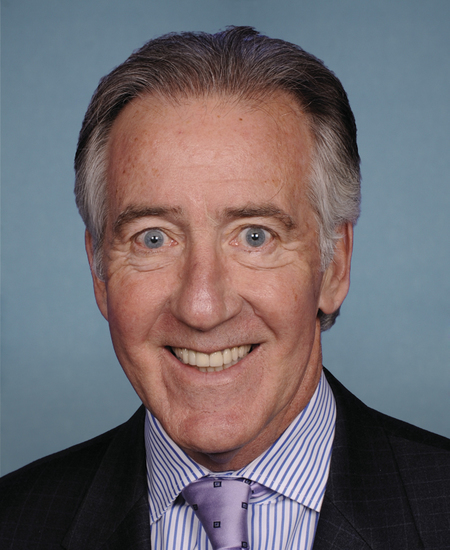
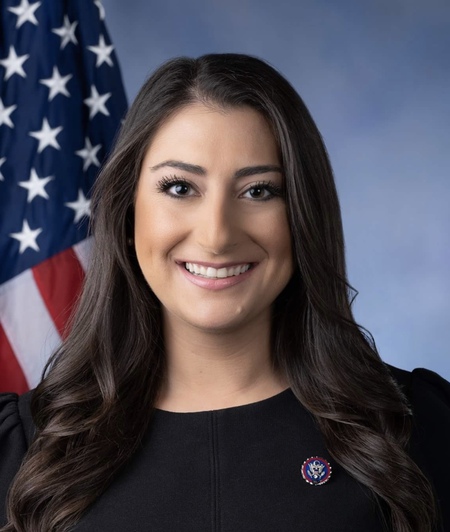











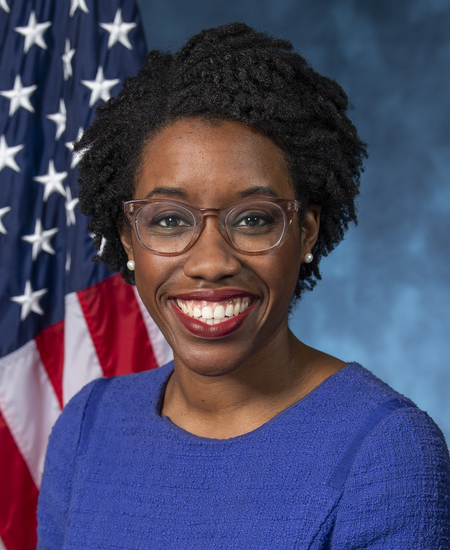
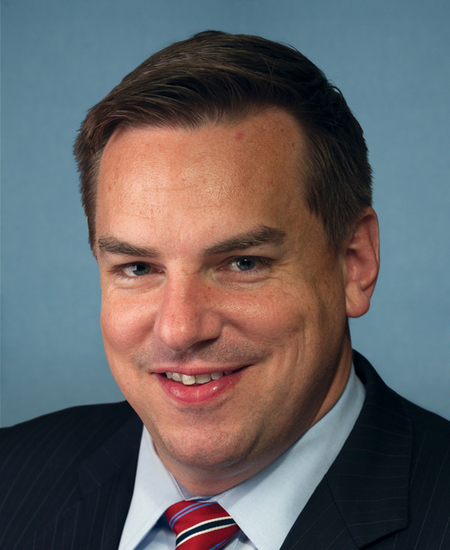
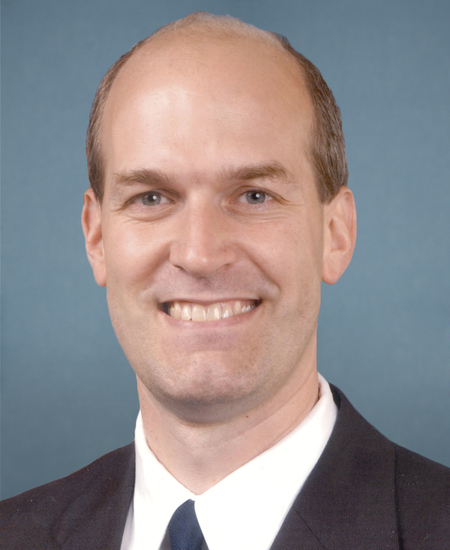
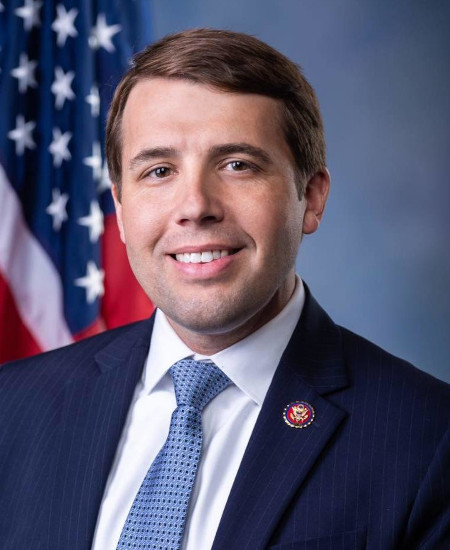
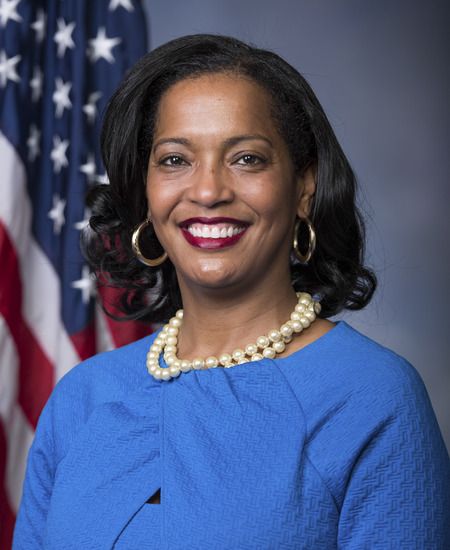
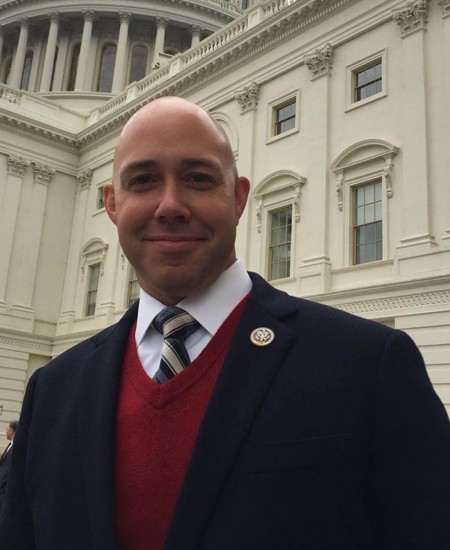
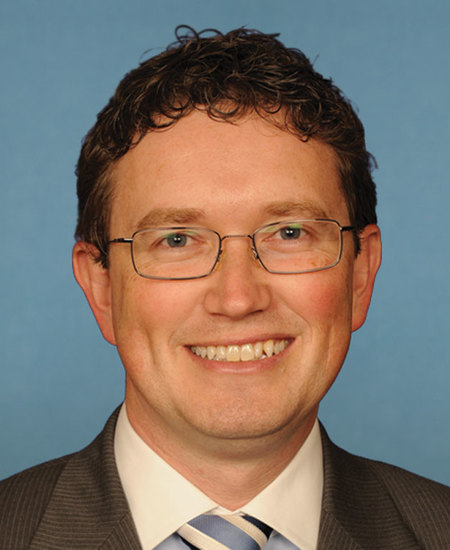







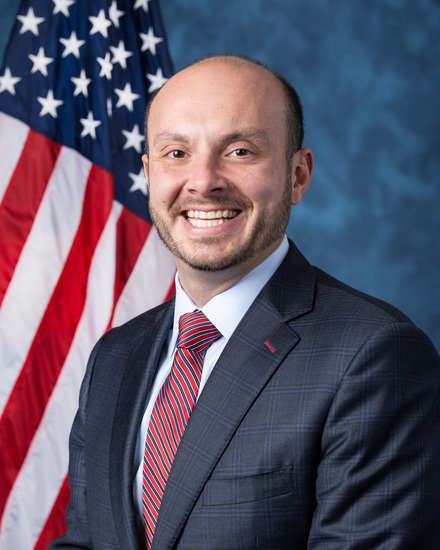
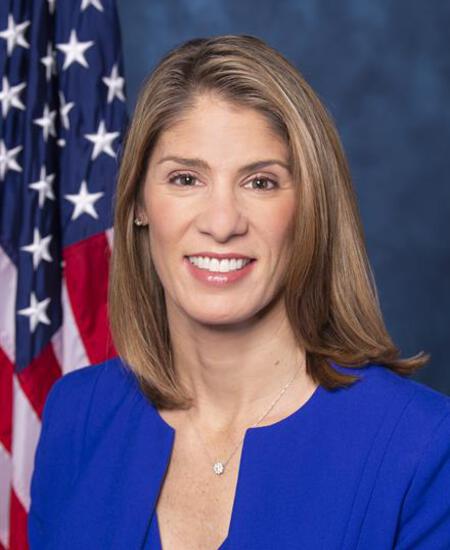



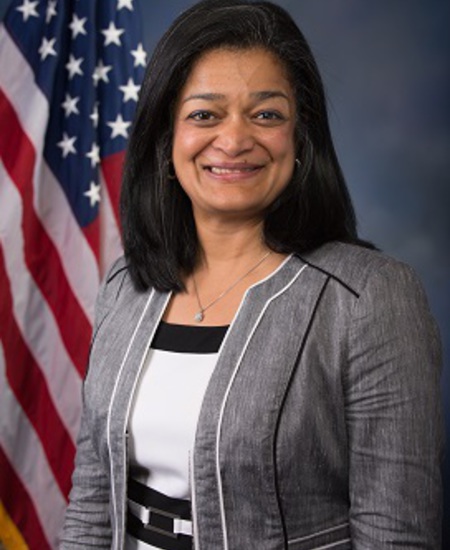
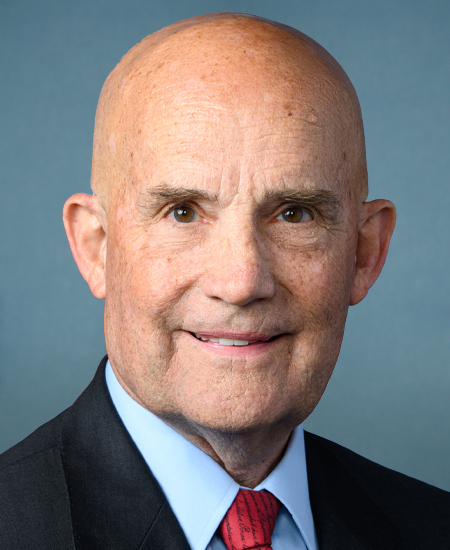


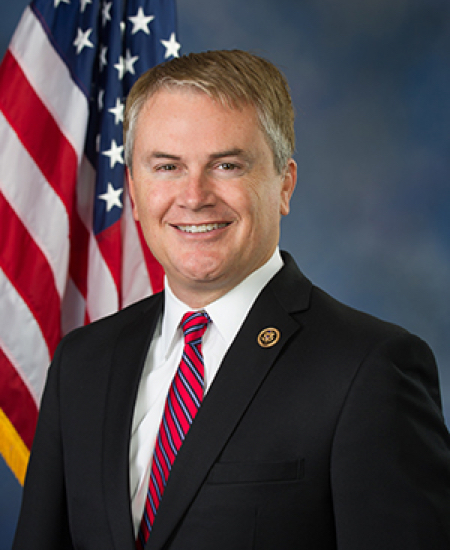
Show 1 earlier roll call
Total
100
- Yes
- 84
- No
- 16
- Present
- 0
- Not voting
- 0
- Abstain
- 0
How they voted (100)
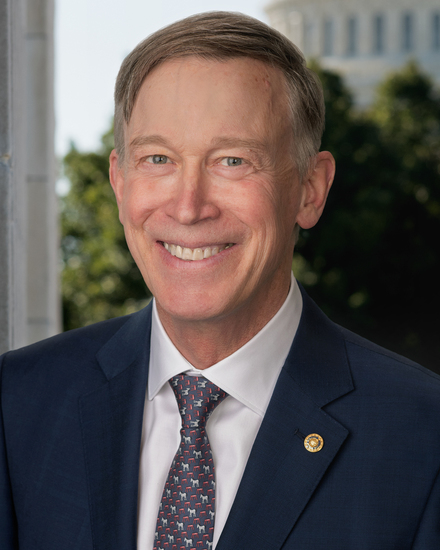
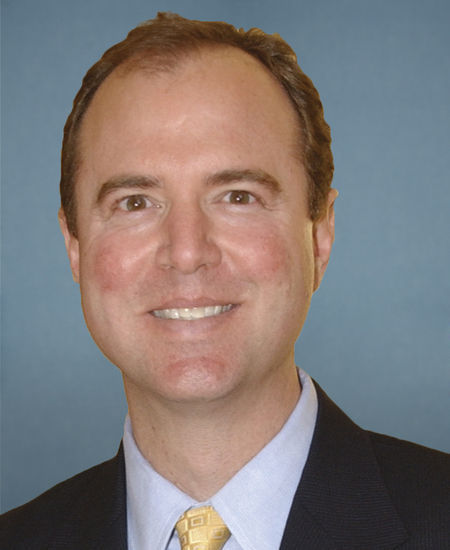
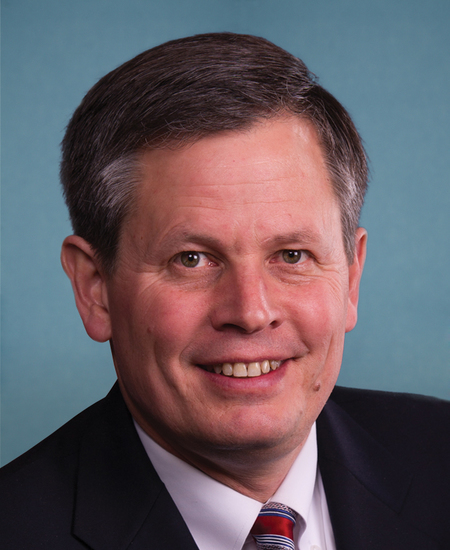
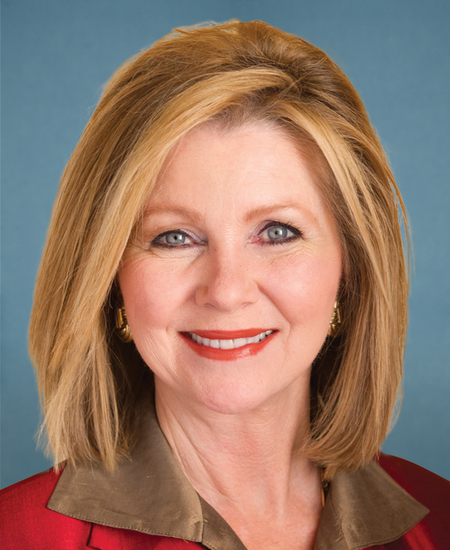


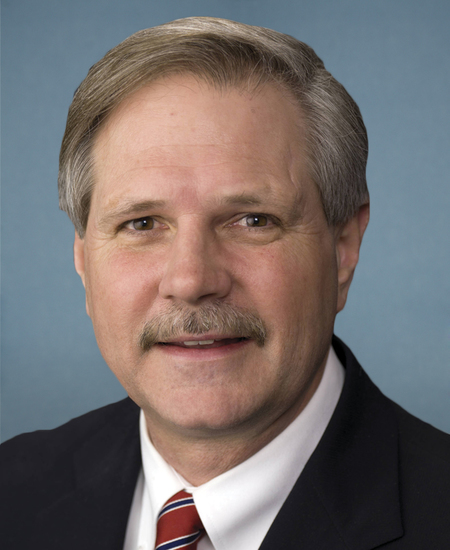
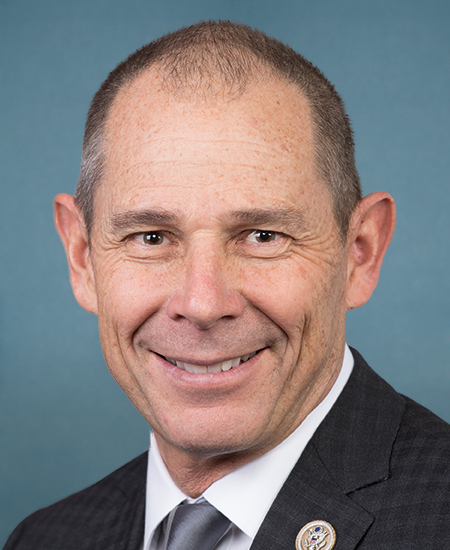
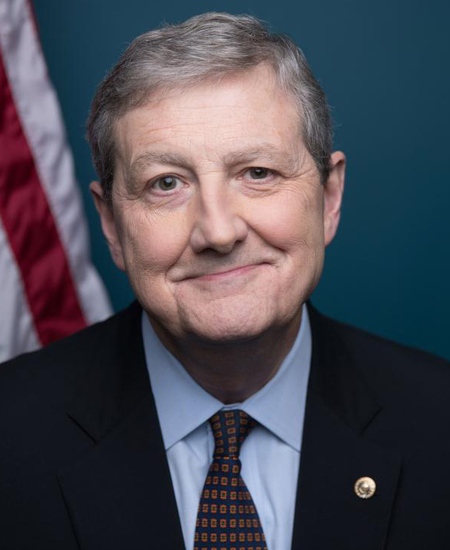
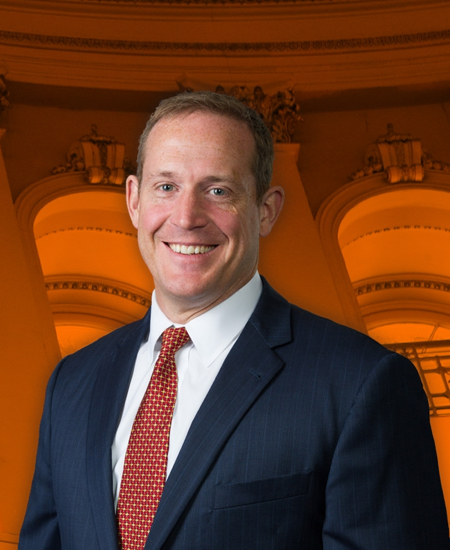
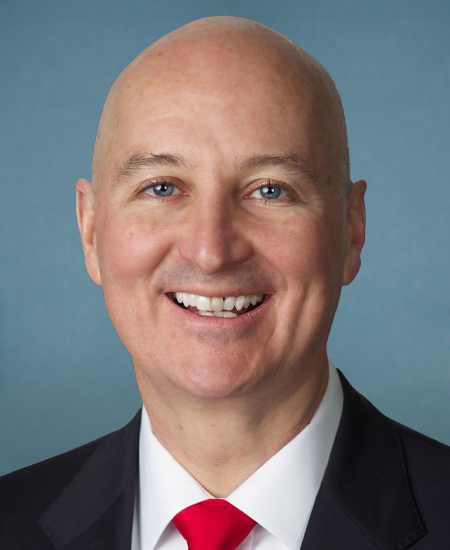
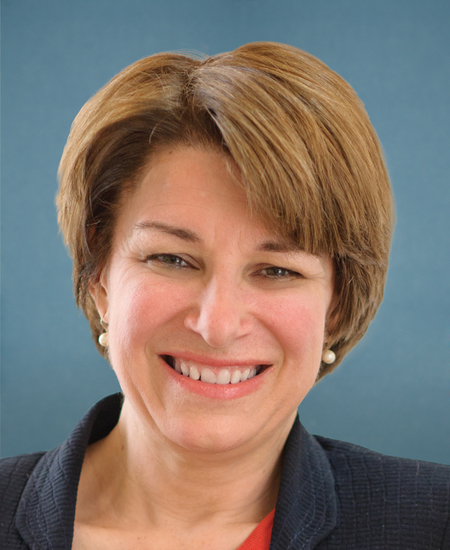
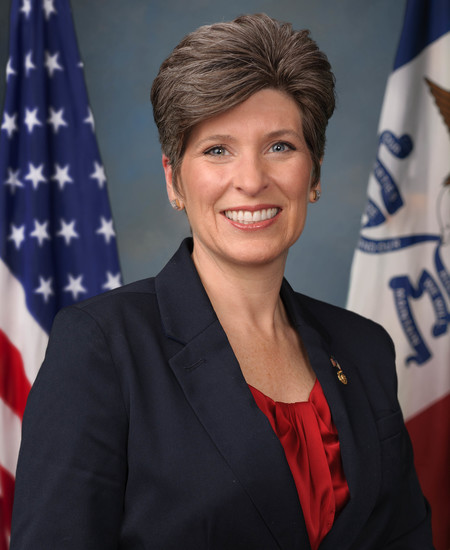
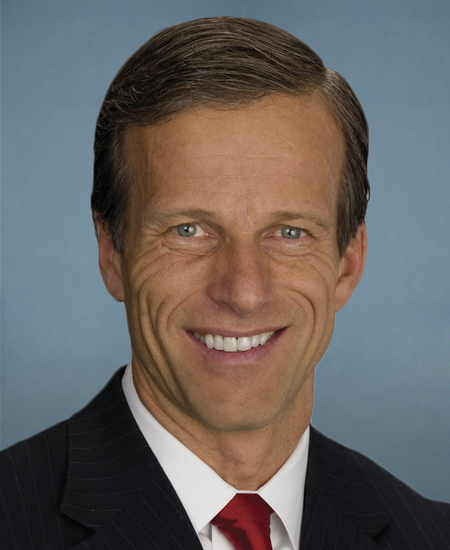
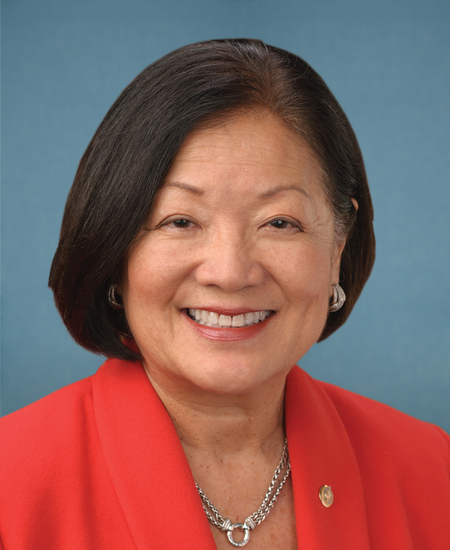
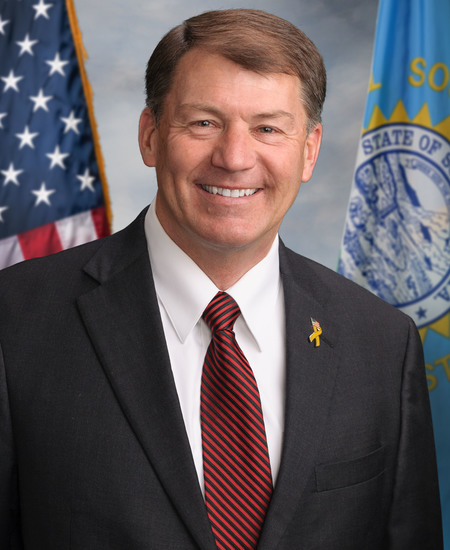
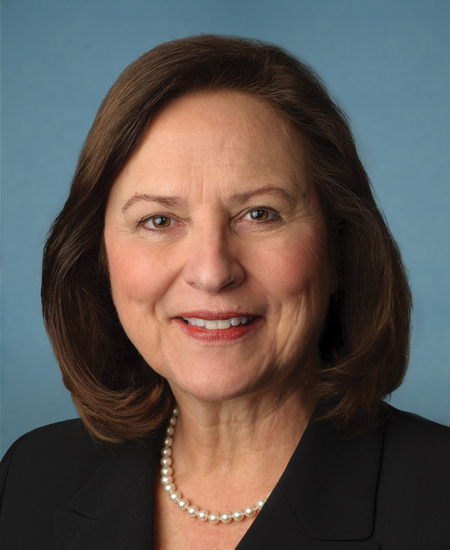
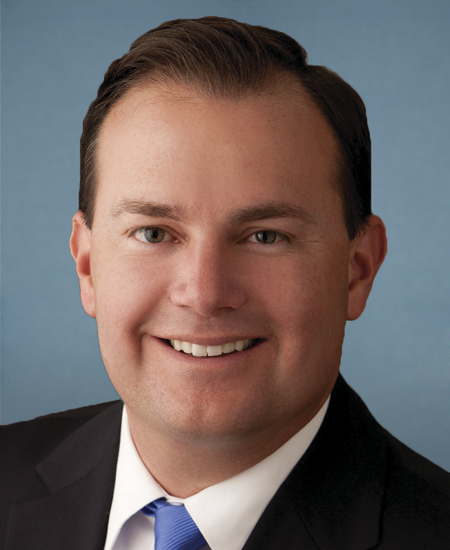
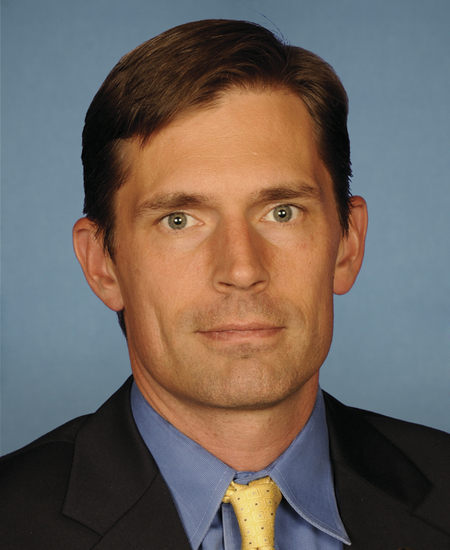
76 more members

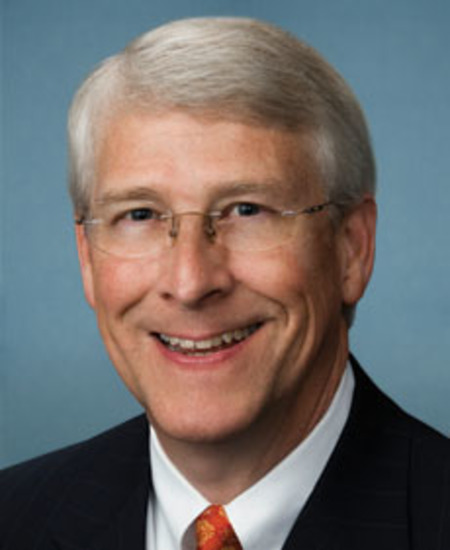
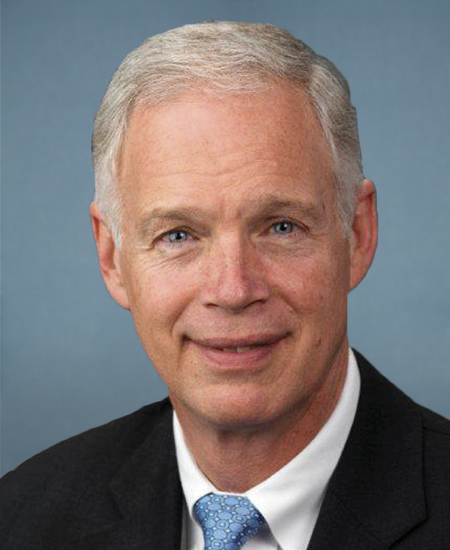

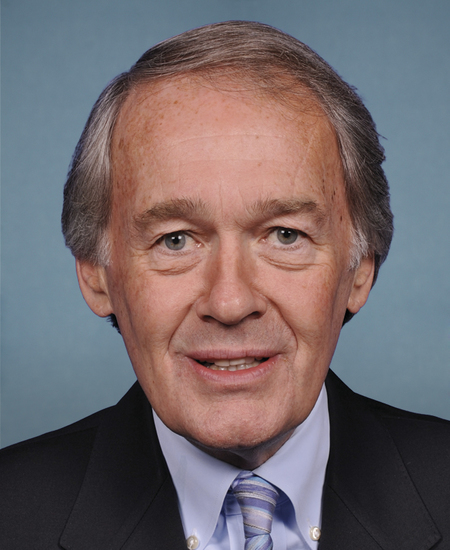
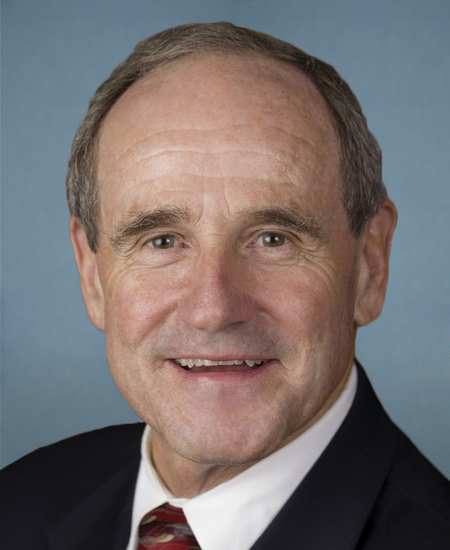
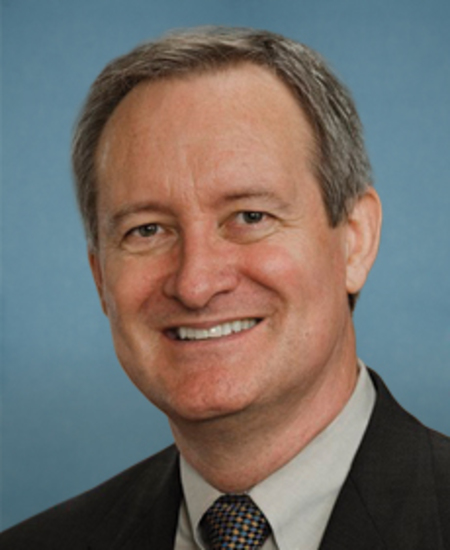
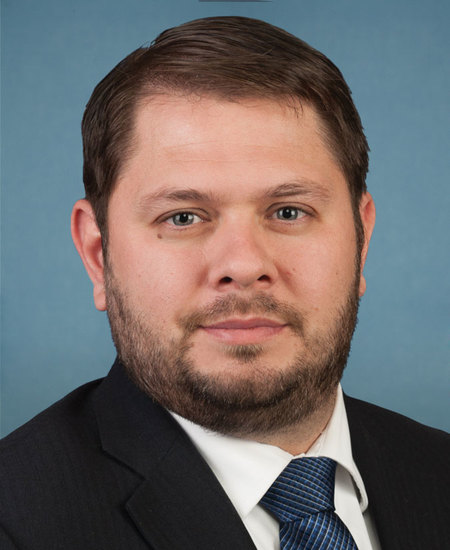

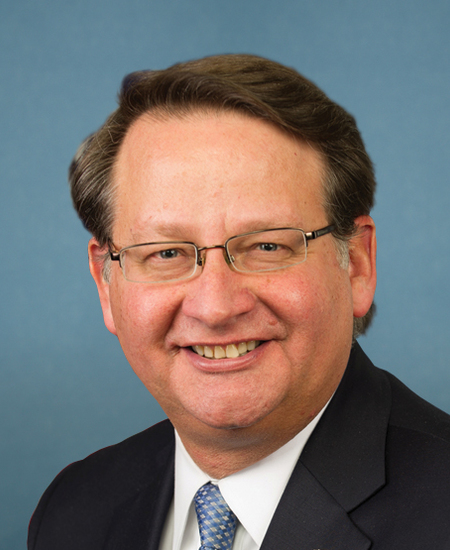
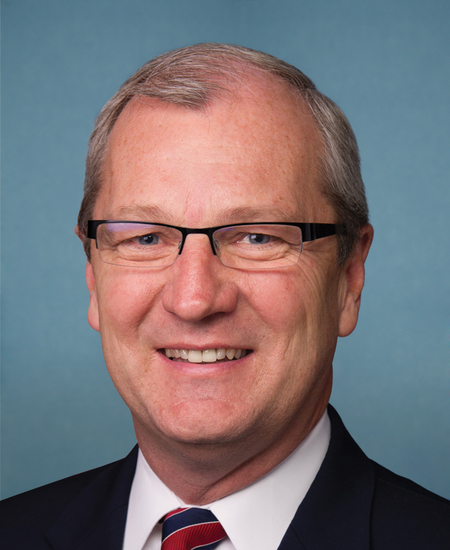
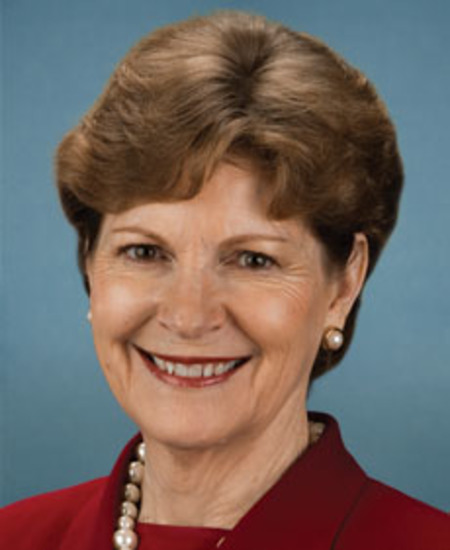
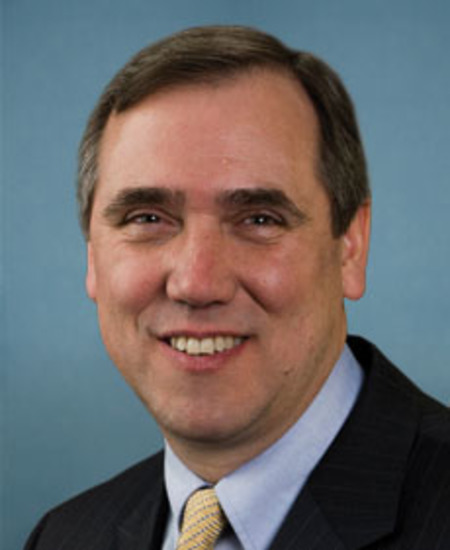

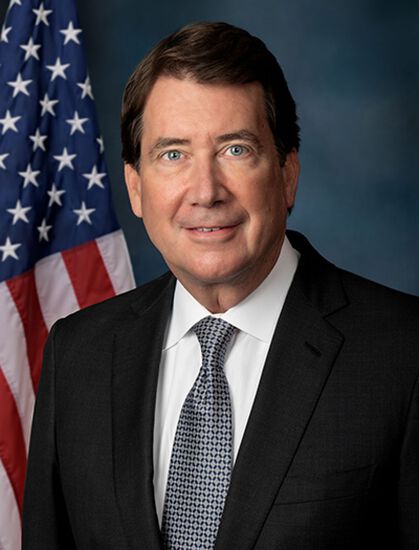

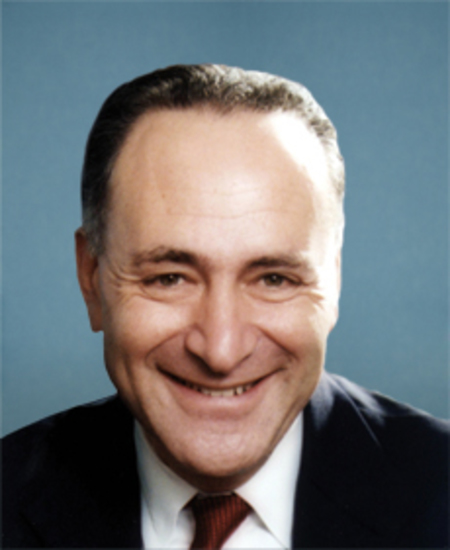
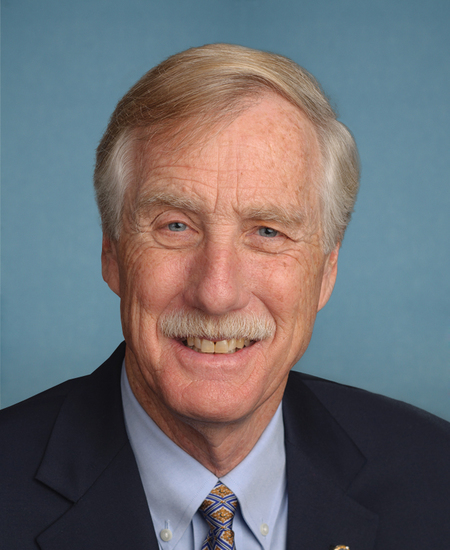
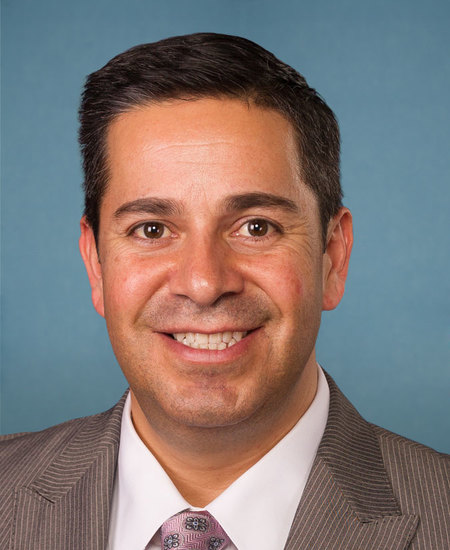












Full breakdown
Who this bill affects and the strongest case for and against it, written only from the bill’s own text.
Sponsors
Show 27 more sponsors
Discoveries
Patterns POLISCOPE noticed across the record. These are observations to investigate, not conclusions.
Broadening of Controlled Substance Definitions
The law shifts from scheduling individual substances to scheduling entire classes of substances based on structural chemical definitions.
Connected Entities
Sources
www.congress.gov
Analysis Score
0–100- Significance90How much this matters to a regular citizen
- Controversy65Intensity of disagreement among stakeholders
- Entertainment10Compellingness for a non-policy-wonk reader
- Buzz50Current news / social attention level
Publisher tools