
The civic record
Read. Follow. Verify.West Virginia Bill 5548 criminalizes sharing non-consensual intimate deepfake media
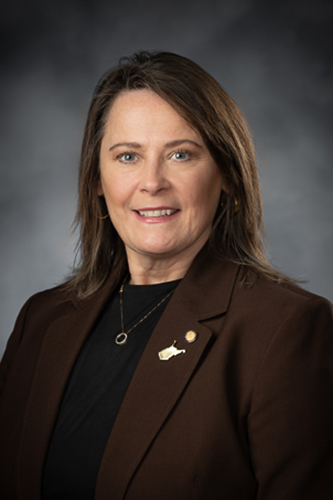
Last action · February 16, 2026: To House JudiciarySponsors: Laura Kimble and 2 others
Track this bill to get notified when it advances a stage. One tap to stop, anytime.
What This Bill Proposed
West Virginia House Bill 5548 establishes criminal penalties and civil for intentionally distributing non-consensual, sexually explicit deepfake media without a person's consent. The measure applies to individuals who share altered digital media with the intent to coerce, harass, intimidate, or damage reputation.
Residents face potential criminal misdemeanor or felony charges, fines of up to $10,000, and jail sentences ranging from 90 days to five years for unauthorized distribution of sexually explicit deepfakes, while depicted victims gain the right to seek court injunctions.
- House Bill 5548 was introduced during the 2026 Regular Session of the West Virginia Legislature and referred to the House Committee on the Judiciary. context
- Interactive computer service protections referenced in the bill fall under federal communications law governing online platform liability. context
Who It Would Have Affected
Groups the bill's text would have affected, as described in the record. Being affected is not a position for or against it.
Natural persons depicted in media
Individuals gain the legal standing to seek injunctive relief against unauthorized intimate deepfakes and are protected from non-consensual dissemination.
Interactive computer service providers
Platforms and service providers are explicitly exempted from liability under 47 U.S.C. § 230(f) for information provided by other content providers.
The Attorney General and county prosecutors
Law enforcement officials receive explicit statutory authority to maintain a cause of action for injunctive relief against violators.
Key Facts
You don't have to trust us. Each fact below is taken straight from the official document - click any one to see the exact passage, highlighted in the original.
Frequently Asked Questions
What qualifies as a deepfake under this bill?
Are satire, parody, and political commentary exempt from the law?
Who can file for an injunction to stop the distribution of deepfake media?
What else do you want to know?
News Coverage
Follow the record
Votes, people, money & the original sourceWhere This Stands
This bill did not become law - Died at adjournment · in House committee.
Procedural history
4 actions- Feb 16, 2026HouseCommitteeTo House Judiciary
- Feb 16, 2026HouseIntroducedIntroduced in House
- Feb 16, 2026HouseCommitteeTo Judiciary
- Feb 16, 2026HouseIntroducedFiled for introduction
Version history
Only one version on file - nothing to compare yet. As later stages (committee substitute, engrossed, enrolled) are captured, the redline appears here.
View official text →Lobbying Activity
No state lobbying filings in our records match this bill. Federal lobbying reports (LDA) cover Congress, so they are not listed on state bills.
Full breakdown
Who this bill affects and the strongest case for and against it, written only from the bill’s own text.
Sponsors


Discoveries
Patterns POLISCOPE noticed across the record. These are observations to investigate, not conclusions.
Creation of Specific Deepfake Penalties
The bill creates a dedicated statutory framework to penalize the distribution of non-consensual sexually explicit deepfake media, graduating penalties based on repeat offenses and intent to cause physical harm.
Connected Entities
Sources
www.wvlegislature.gov
Analysis Score
0–100- Significance20Lowered because this bill did not pass (its text scored 75)
- Controversy35Intensity of disagreement among stakeholders
- Entertainment15Compellingness for a non-policy-wonk reader
- Buzz60Current news / social attention level
Publisher tools