
The civic record
Read. Follow. Verify.Baby Hygiene Tax Relief Act (H.R. 4674)
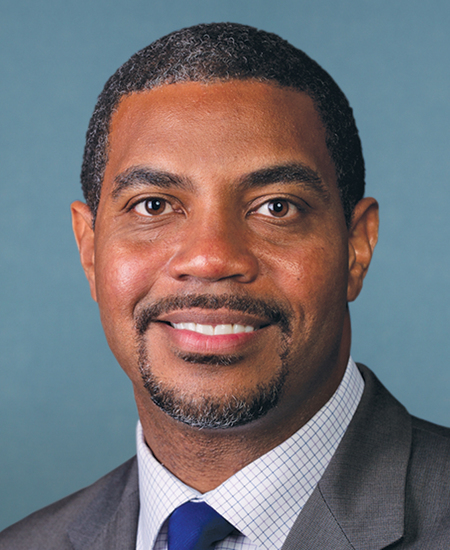
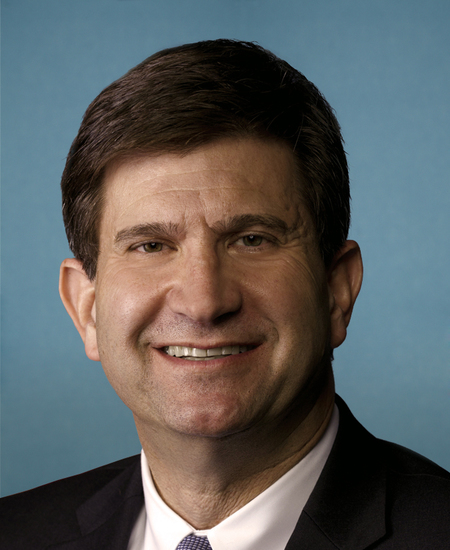
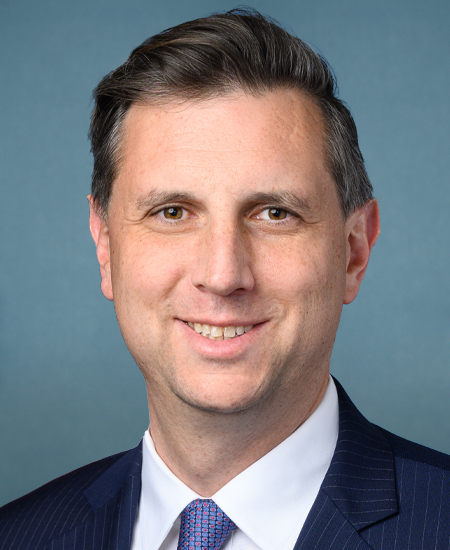
Last action · July 23, 2025: Referred to the Committee on Ways and Means, and in addition to the Committee on Foreign Affairs, for a period to be subsequently determined by the Speaker, in each case for consideration of such provisions as fall within the jurisdiction of the committee concerned.Sponsors: Steven Horsford and 7 others
Track this bill to get notified when it advances a stage. One tap to stop, anytime.
What This Bill Would Do
This bill proposes to prevent the President from placing new import taxes () on specific baby hygiene and care products under the . It also requires the termination of any existing duties on these items currently imposed under that specific law.
If passed, this bill would prohibit the use of emergency economic powers to tax imported baby essentials like diapers, wipes, and soap, potentially affecting the retail cost of these items for families.
Who It Would Affect
Groups the bill's text would affect if enacted, as described in the record. Being affected is not a position for or against it.
Parents and caregivers
The bill could influence the retail price of imported baby hygiene products by restricting the President's ability to impose specific import duties.
Importers of baby products
Importers would no longer be subject to duties imposed under the International Emergency Economic Powers Act for the listed baby items.
Key Facts
- The bill prohibits the President from imposing duties on specific baby hygiene items under the International Emergency Economic Powers Act.
- Existing duties on these items imposed under the International Emergency Economic Powers Act must be terminated upon the bill's enactment.
- Any duties imposed under other authorities that are 'substantially similar' to those under the International Emergency Economic Powers Act are rendered void.
- The list of covered items includes: diapers, diaper liners, diaper cream, diaper bags, changing tables, baby wipes, baby soap, baby shampoo, baby bathtubs, and baby towels.
Frequently Asked Questions
Does this bill remove all taxes on baby products?
What items are covered by this bill?
What else do you want to know?
News Coverage
Follow the record
Votes, people, money & the original sourceWhere This Stands
Currently in committee. The next step in the legislative lifecycle is Floor Vote.
Procedural history
2 actions- Jul 23, 2025HouseCommitteeReferred to the Committee on Ways and Means, and in addition to the Committee on Foreign Affairs, for a period to be subsequently determined by the Speaker, in each case for consideration of such provisions as fall within the jurisdiction of the committee concerned.
- Jul 23, 2025HouseIntroducedIntroduced in House
Version history
Only one version on file - nothing to compare yet. As later stages (committee substitute, engrossed, enrolled) are captured, the redline appears here.
View official text →Full breakdown
Who this bill affects and the strongest case for and against it, written only from the bill’s own text.
Sponsors




Discoveries
Patterns POLISCOPE noticed across the record. These are observations to investigate, not conclusions.
Limiting Executive Trade Authority
The bill represents an attempt to constrain the President's use of emergency economic powers specifically regarding consumer goods for infants.
Connected Entities
Sources
www.congress.gov
Analysis Score
0–100- Significance45How much this matters to a regular citizen
- Controversy20Intensity of disagreement among stakeholders
- Entertainment5Compellingness for a non-policy-wonk reader
- Buzz15Current news / social attention level
Publisher tools