
The civic record
Read. Follow. Verify.Veterans ACCESS Act of 2025
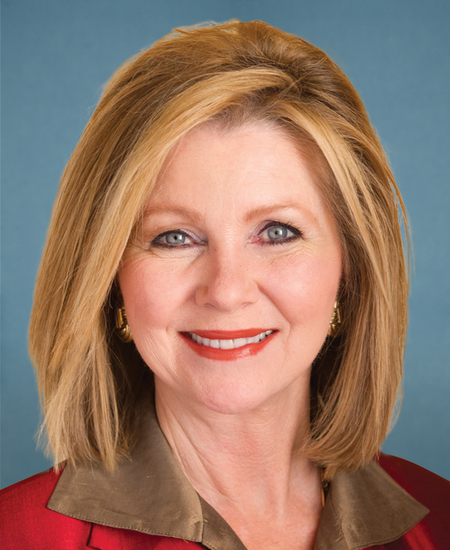
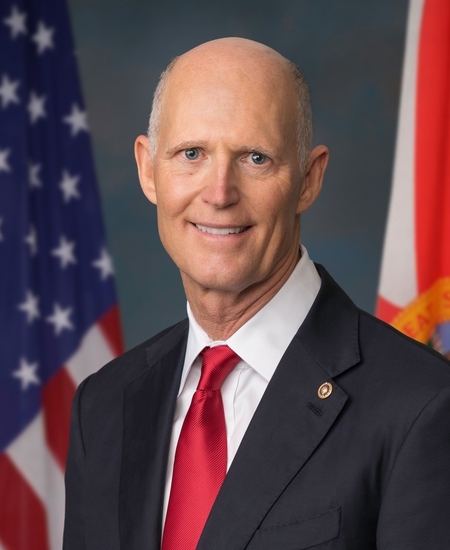
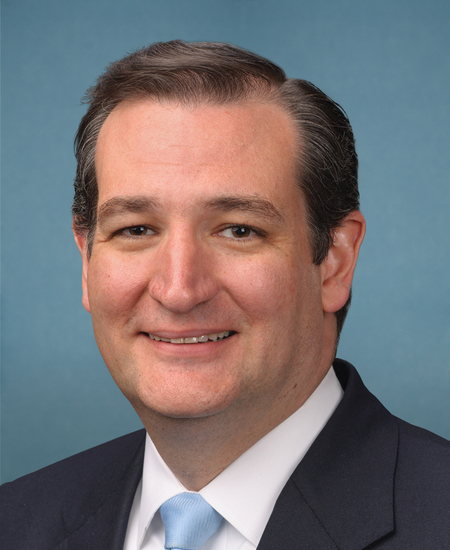
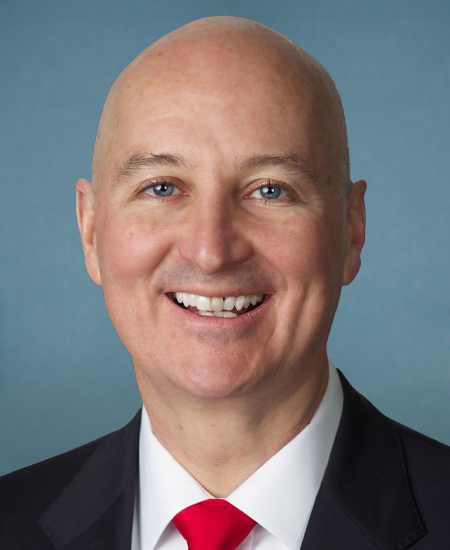
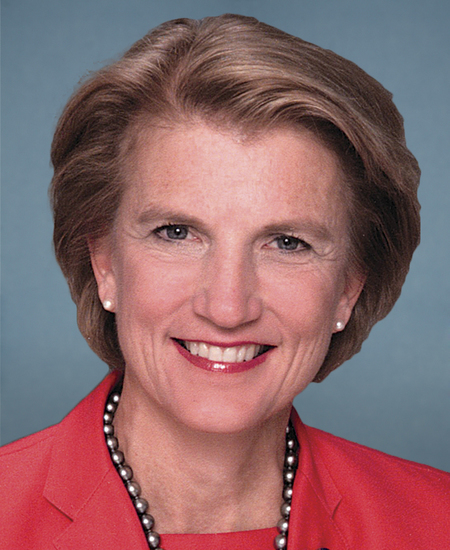
Last action · July 30, 2025: Committee on Veterans' Affairs. Ordered to be reported with an amendment in the nature of a substitute favorably.Sponsors: Jerry Moran and 15 others
Track this bill to get notified when it advances a stage. One tap to stop, anytime.
What This Bill Would Do
This bill proposes changes to the Veterans to standardize how veterans qualify for non-VA medical care. It sets specific driving time and wait-time limits for appointments and requires the VA to improve communication regarding care options, mental health programs, and telehealth.
The bill establishes federal law for when veterans can seek private-sector medical care at government expense based on specific wait times and travel distances, impacting how and where millions of veterans receive healthcare services.
Who It Would Affect
Groups the bill's text would affect if enacted, as described in the record. Being affected is not a position for or against it.
Veterans
Veterans' eligibility for private-sector care and their rights to notification and scheduling are defined by these new standards.
Department of Veterans Affairs
Private health care providers
Providers participating in the Veterans Community Care Program will be subject to updated prompt payment standards and reporting requirements.
Key Facts
- Sets primary care eligibility for private care at 30 minutes driving time or 20 days wait time.
- Sets specialty care eligibility for private care at 60 minutes driving time or 28 days wait time.
- Prohibits the VA from using telehealth availability to disqualify a veteran from seeking in-person community care.
- Requires the VA to calculate wait times from the original request date if the VA cancels an appointment.
Show all 10 facts
- Mandates that any agreement by a veteran to accept longer drive times or later dates must be documented in their electronic health record.
- Requires the VA to notify veterans of their eligibility for the Community Care Program.
- Requires the VA to provide formal notification when a request for community care is denied.
- Mandates a periodic review of access standards every three years, including consultation with private sector entities and veterans service organizations.
- Requires the VA to establish a standardized process for determining eligibility for mental health treatment programs.
- Directs the creation of an interactive, online self-service module for veteran care.
Frequently Asked Questions
Does this bill change how I qualify for private care?
Can the VA deny me community care because they offer telehealth?
What happens if the VA cancels my appointment?
What else do you want to know?
News Coverage
Follow the record
Votes, people, money & the original sourceWhere This Stands
Currently in committee. The next step in the legislative lifecycle is Floor Vote.
Procedural history
4 actions- Jul 30, 2025SenateCommittee on Veterans' Affairs. Ordered to be reported with an amendment in the nature of a substitute favorably.
- Mar 11, 2025SenateCommittee on Veterans' Affairs. Hearings held. Hearings printed: S.Hrg. 119-35.
- Jan 28, 2025SenateCommitteeRead twice and referred to the Committee on Veterans' Affairs.
- Jan 28, 2025SenateIntroducedIntroduced in Senate
Version history
Only one version on file - nothing to compare yet. As later stages (committee substitute, engrossed, enrolled) are captured, the redline appears here.
View official text →Full breakdown
Who this bill affects and the strongest case for and against it, written only from the bill’s own text.
Sponsors
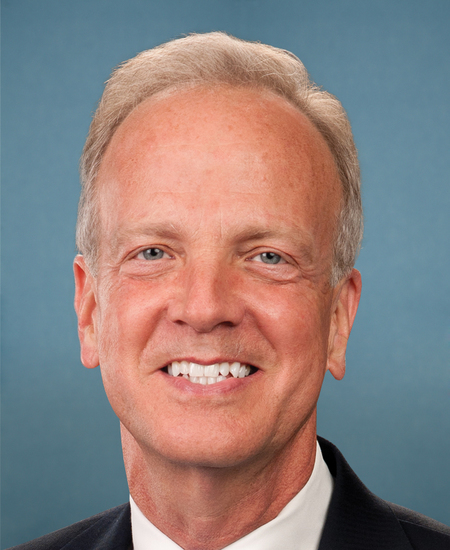

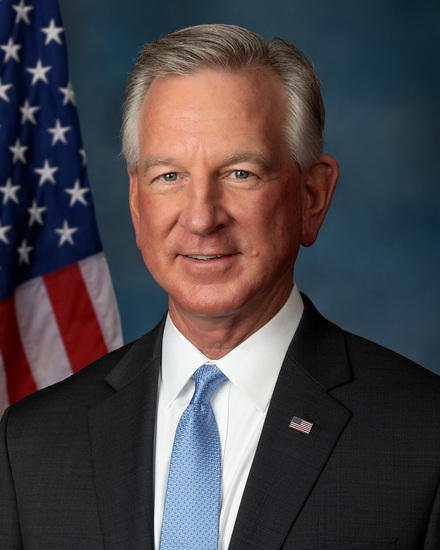

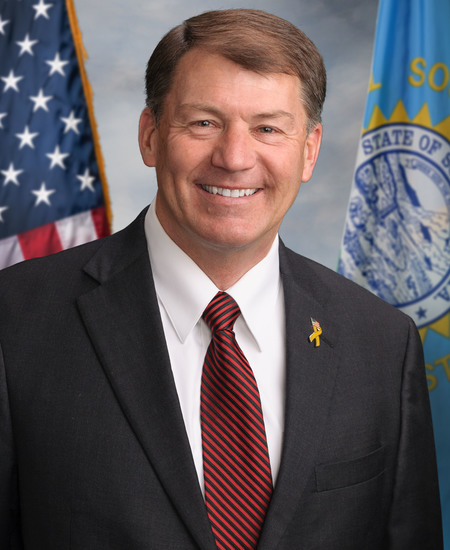
Show 11 more sponsors



Discoveries
Patterns POLISCOPE noticed across the record. These are observations to investigate, not conclusions.
Telehealth Exclusion
The bill explicitly prevents the VA from using telehealth as a 'loophole' to avoid meeting in-person care access standards.
Connected Entities
Sources
www.congress.gov
Analysis Score
0–100- Significance85How much this matters to a regular citizen
- Controversy20Intensity of disagreement among stakeholders
- Entertainment5Compellingness for a non-policy-wonk reader
- Buzz30Current news / social attention level
Publisher tools