
The civic record
Read. Follow. Verify.Senate Resolution Supporting 'Fair Chance Jobs Month' in April 2025
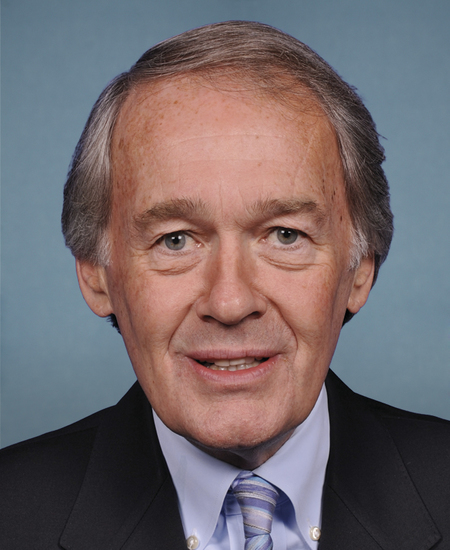
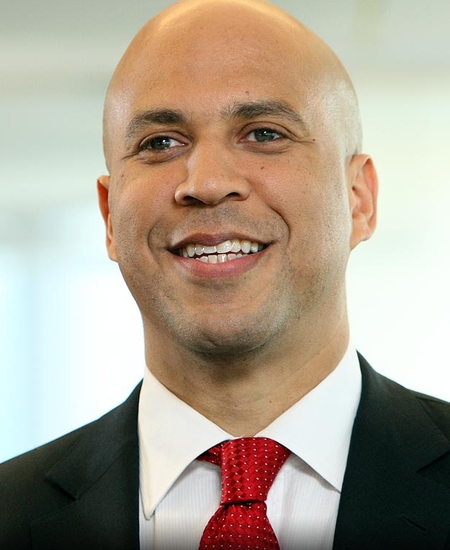
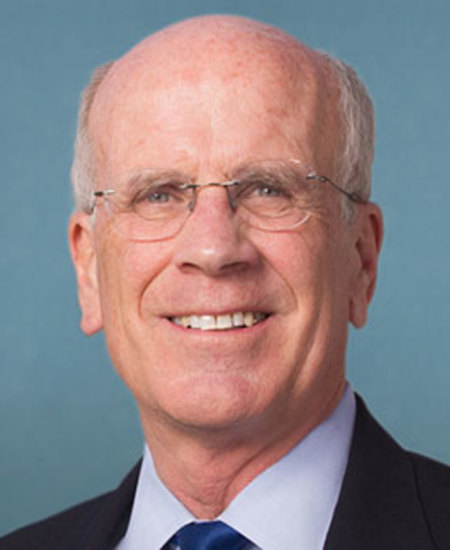
Last action · April 30, 2025: Referred to the Committee on Health, Education, Labor, and Pensions. (text: CR S2717-2718)Sponsors: Edward Markey and 9 others
Track this bill to get notified when it advances a stage. One tap to stop, anytime.
What This Bill Would Do
This Senate resolution formally supports designating April 2025 as 'Fair Chance Jobs Month' to highlight the employment challenges faced by formerly incarcerated individuals. It outlines federal support for initiatives aimed at reducing barriers to hiring, improving access to vocational training, and fostering collaboration between employers and .
This resolution establishes official federal recognition of the employment barriers faced by formerly incarcerated people, signaling support for policy changes that could affect hiring practices, occupational licensing, and workforce development programs nationwide.
Who It Would Affect
Groups the bill's text would affect if enacted, as described in the record. Being affected is not a position for or against it.
Formerly incarcerated individuals
The resolution focuses on their access to employment, housing, and social services.
Employers
The resolution encourages employers to adopt fair-chance hiring practices and utilize workforce development programs.
Labor unions
The resolution supports their efforts to engage with and assist returning citizens in finding employment.
Key Facts
- The Senate supports designating April 1, 2025, through April 30, 2025, as 'Fair Chance Jobs Month'.
- Nearly 80 million people in the U.S. have a record of arrest or conviction.
- Approximately 600,000 people are released from federal and state prisons annually.
- Nearly two-thirds of the formerly incarcerated population is jobless at any given time.
Show all 10 facts
- There are nearly 14,000 laws and 48,000 collateral consequences restricting formerly incarcerated individuals from obtaining professional licenses.
- Recidivism rates show 44 percent of released individuals return to incarceration within one year.
- Formerly incarcerated individuals earn nearly $100 less per week than the average worker.
- The resolution supports dismantling structural barriers such as licensing restrictions, employer liability, and insurance restrictions.
- The resolution encourages expanding workforce development programs, including pre-apprenticeships, registered apprenticeships, and career coaching.
- The resolution supports matching job providers with returning citizens and publicizing job opportunities open to those with records.
Frequently Asked Questions
Does this resolution change any laws?
What is the goal of 'Fair Chance Jobs Month'?
What else do you want to know?
News Coverage
Follow the record
Votes, people, money & the original sourceWhere This Stands
Currently in committee. The next step in the legislative lifecycle is Floor Vote.
Procedural history
2 actions- Apr 30, 2025SenateCommitteeReferred to the Committee on Health, Education, Labor, and Pensions. (text: CR S2717-2718)
- Apr 30, 2025SenateIntroducedIntroduced in Senate
Version history
Only one version on file - nothing to compare yet. As later stages (committee substitute, engrossed, enrolled) are captured, the redline appears here.
View official text →Full breakdown
Who this bill affects and the strongest case for and against it, written only from the bill’s own text.
Sponsors







Discoveries
Patterns POLISCOPE noticed across the record. These are observations to investigate, not conclusions.
Focus on Structural Barriers
The resolution explicitly links employment insecurity to broader systemic issues like housing, nutrition access, and health outcomes, rather than treating employment as an isolated issue.
Connected Entities
Sources
www.congress.gov
Analysis Score
0–100- Significance30How much this matters to a regular citizen
- Controversy20Intensity of disagreement among stakeholders
- Entertainment5Compellingness for a non-policy-wonk reader
- Buzz15Current news / social attention level
Publisher tools