
The civic record
Read. Follow. Verify.Congressional Disapproval of EPA Clean Air Act Rule
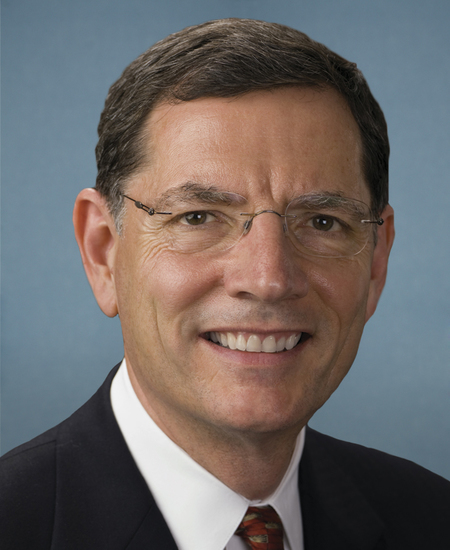
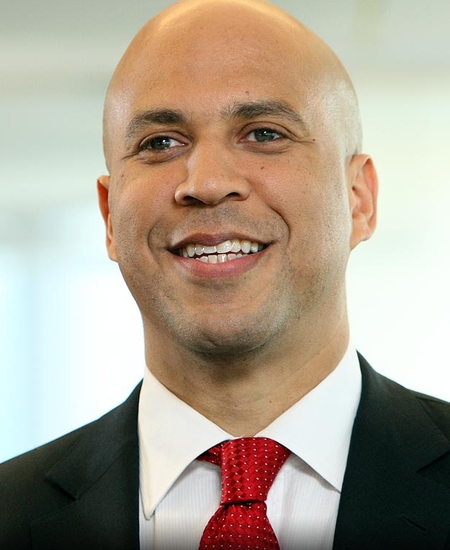
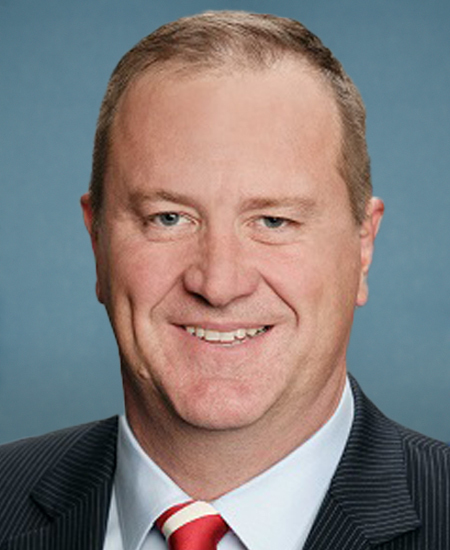
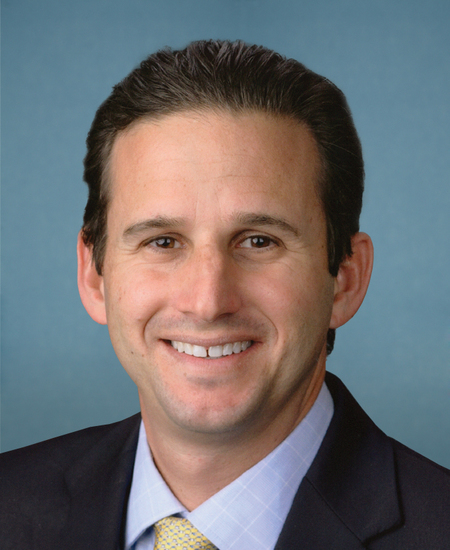
Last action · June 20, 2025: Became Public Law No: 119-20.Sponsors: John Curtis and 5 others
Track this bill to get notified when it advances a stage. One tap to stop, anytime.
What This Bill Does
Congress has passed a joint resolution to nullify an Environmental Protection Agency (EPA) rule regarding how industrial facilities are classified under the Clean Air Act. This action effectively cancels the rule, preventing it from having any legal force or effect.
This resolution immediately invalidates an EPA regulation that governed how 'major sources' of air pollution could be reclassified as 'area sources,' which changes the regulatory requirements and oversight levels for industrial facilities across the country.
Who It Affects
Groups the bill's text affects, as described in the record. Being affected is not a position for or against it.
Industrial facilities
These entities are subject to the regulatory classification standards under the Clean Air Act that were the subject of the nullified rule.
Environmental Protection Agency
The agency is prohibited from enforcing the specific rule that was disapproved by Congress.
Key Facts
- Congress formally disapproved the EPA rule titled 'Review of Final Rule Reclassification of Major Sources as Area Sources Under Section 112 of the Clean Air Act'.
- The disapproved rule was originally published in the Federal Register at 89 Fed. Reg. 73293 on September 10, 2024.
- The resolution mandates that the EPA rule shall have no force or effect.
- The resolution was enacted as Public Law 119-20.
Show all 7 facts
- The Senate passed the resolution on April 30 and May 1, 2025.
- The House of Representatives passed the resolution on May 21, 2025.
- The resolution was signed into law on June 20, 2025.
Frequently Asked Questions
What does it mean for a rule to have 'no force or effect'?
Does this change how much pollution factories can emit?
What else do you want to know?
News Coverage
Follow the record
Votes, people, money & the original sourceWhere This Stands
Current status: Signed into law.
Procedural history
26 actions- Jun 20, 2025PresidentEnrolledBecame Public Law No: 119-20.
- Jun 20, 2025PresidentEnrolledSigned by President.
- Jun 10, 2025PresidentEnrolledPresented to President.
- May 22, 2025HouseMotion to reconsider laid on the table Agreed to without objection.
- May 22, 2025HouseFloorOn passage Passed by the Yeas and Nays: 216 - 212 (Roll no. 143).
- May 22, 2025HouseFloorPassed/agreed to in House: On passage Passed by the Yeas and Nays: 216 - 212 (Roll no. 143).
Show 20 earlier actions
- May 22, 2025HouseConsidered as unfinished business. (consideration: CR H2232-2233)
- May 21, 2025HousePOSTPONED PROCEEDINGS - At the conclusion of debate on S.J. Res. 31, the Chair put the question on passage of the joint resolution and by voice vote, announced that the ayes had prevailed. Mr. Pallone demanded the yeas and nays and the Chair postponed further proceedings until a time to be announced.
- May 21, 2025HouseThe previous question was ordered pursuant to the rule.
- May 21, 2025HouseDEBATE - The House proceeded with one hour of debate on S.J. Res. 31.
- May 21, 2025HouseRule provides for consideration of S.J. Res. 13 and S.J. Res. 31. The resolution provides for consideration of S.J. Res. 13 and S.J. Res. 31 under a closed rule with one hour of general debate on each joint resolution. The resolution also provides for a motion to commit on both joint resolutions.
- May 21, 2025HouseConsidered under the provisions of rule H. Res. 426. (consideration: CR H2212-2217)
- May 20, 2025HouseRule H. Res. 426 passed House.
- May 19, 2025HouseRules Committee Resolution H. Res. 426 Reported to House. Rule provides for consideration of S.J. Res. 13 and S.J. Res. 31. The resolution provides for consideration of S.J. Res. 13 and S.J. Res. 31 under a closed rule with one hour of general debate on each joint resolution. The resolution also provides for a motion to commit on both joint resolutions.
- May 5, 2025HouseHeld at the desk.
- May 5, 2025HouseReceived in the House.
- May 1, 2025SenateMessage on Senate action sent to the House.
- May 1, 2025SenateFloorPassed Senate without amendment by Yea-Nay Vote. 52 - 46. Record Vote Number: 229.
- May 1, 2025SenateFloorPassed/agreed to in Senate: Passed Senate without amendment by Yea-Nay Vote. 52 - 46. Record Vote Number: 229.
- May 1, 2025SenateConsidered by Senate. (consideration: CR S2723, S2727)
- Apr 30, 2025SenateMeasure laid before Senate by motion. (consideration: CR S2707-2709)
- Apr 30, 2025SenateMotion to proceed to consideration of measure agreed to in Senate by Yea-Nay Vote. 52 - 40. Record Vote Number: 227.
- Mar 14, 2025SenatePlaced on Senate Legislative Calendar under General Orders. Calendar No. 31.
- Mar 14, 2025SenateSenate Committee on Environment and Public Works discharged, by petition, pursuant to 5 U.S.C. 802(c).
- Mar 6, 2025SenateCommitteeRead twice and referred to the Committee on Environment and Public Works.
- Mar 6, 2025SenateIntroducedIntroduced in Senate
Version history
Only one version on file - nothing to compare yet. As later stages (committee substitute, engrossed, enrolled) are captured, the redline appears here.
View official text →Voting Record
Total
428
- Yes
- 216
- No
- 212
- Present
- 0
- Not voting
- 0
- Abstain
- 0
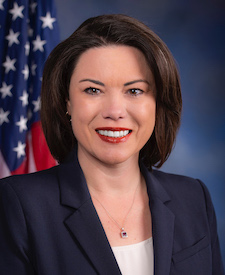
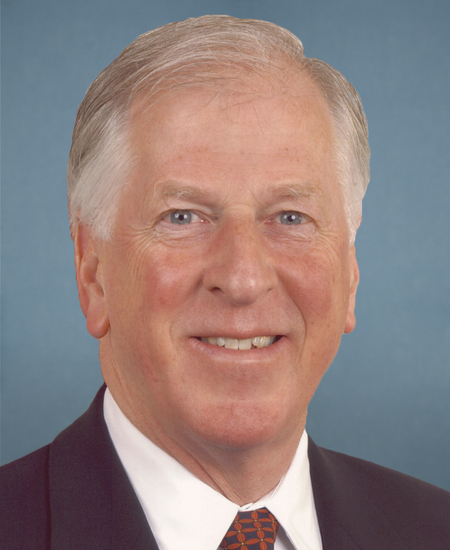
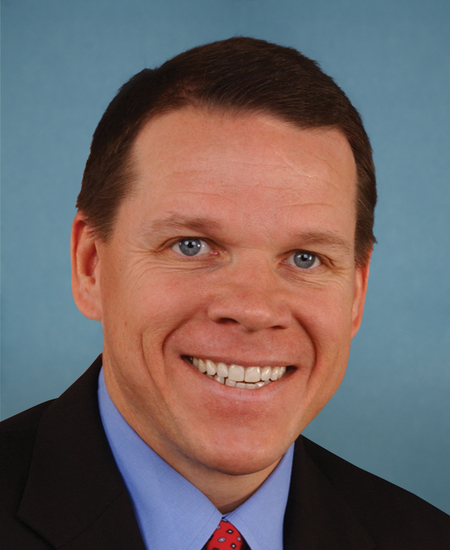
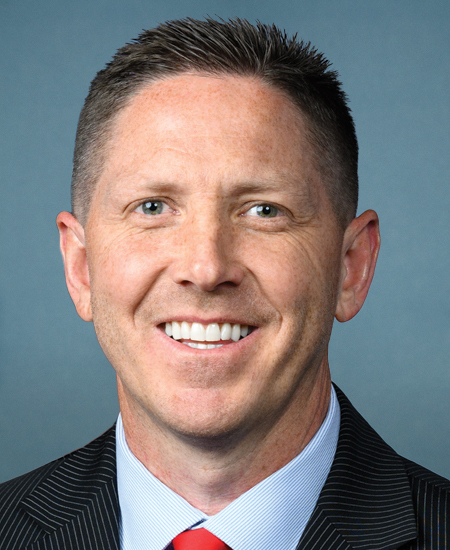
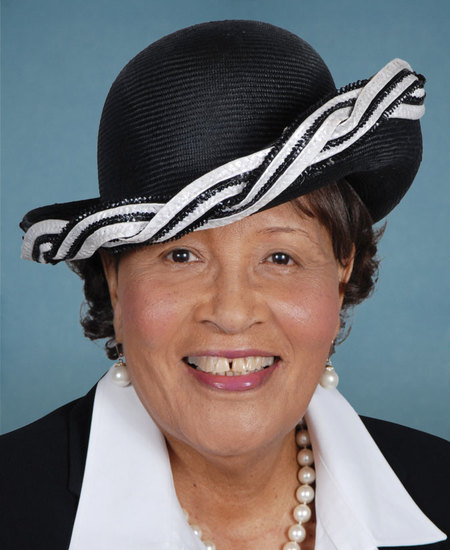
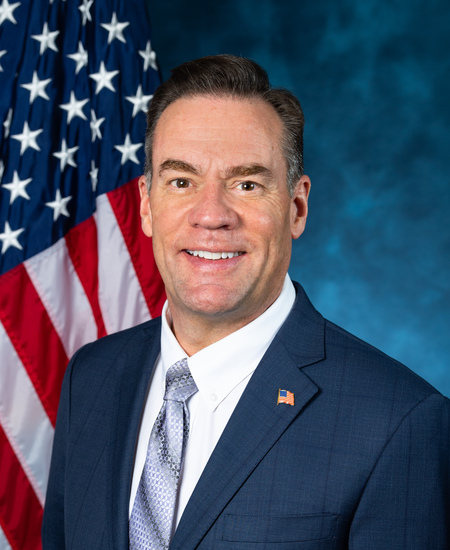
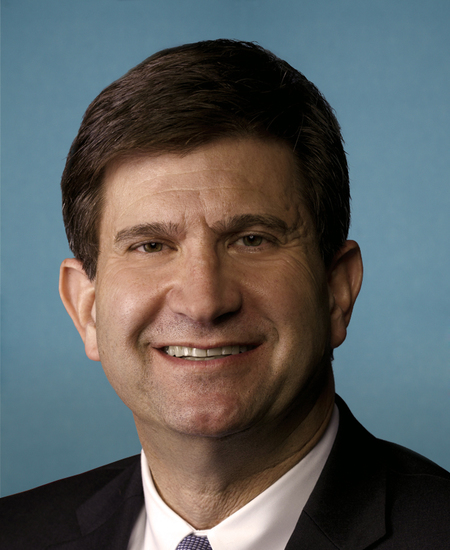
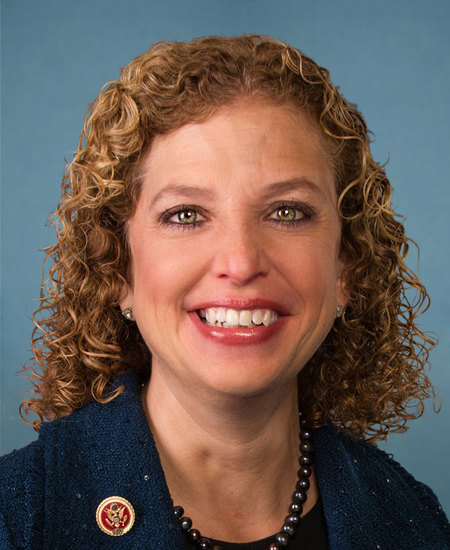
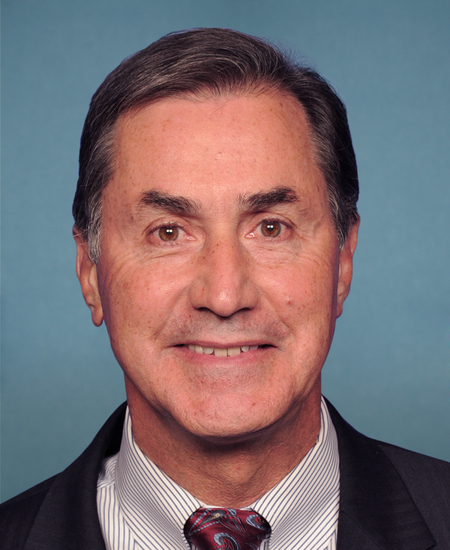
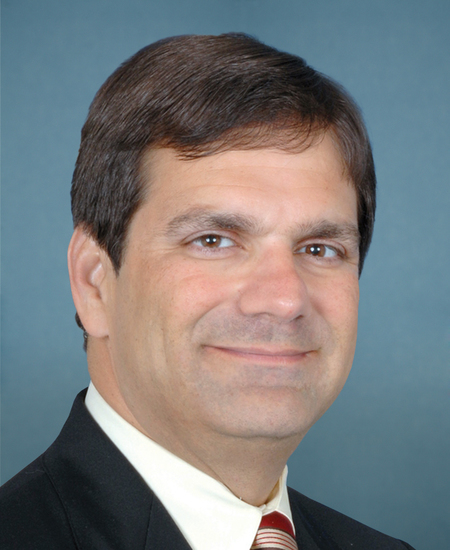
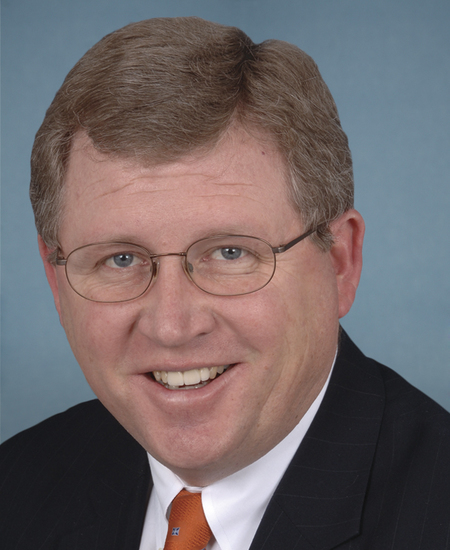
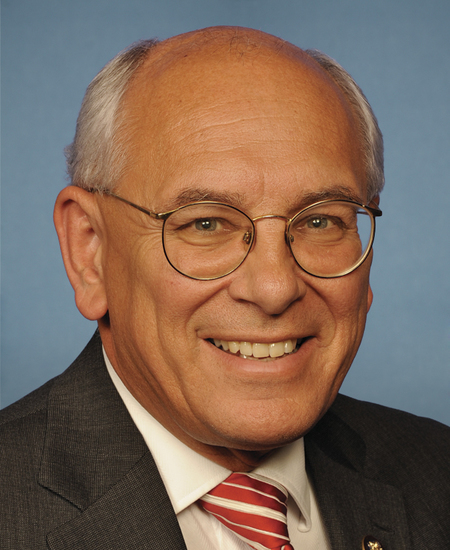
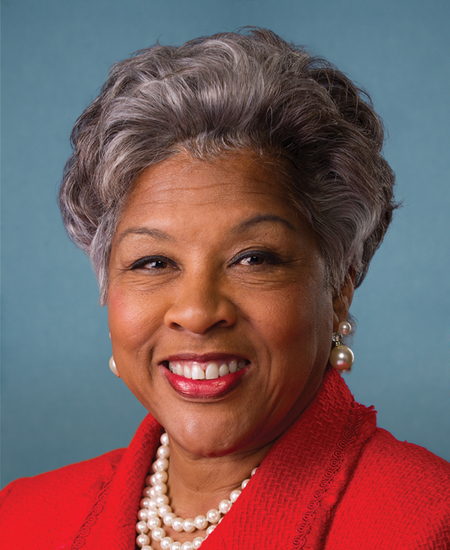
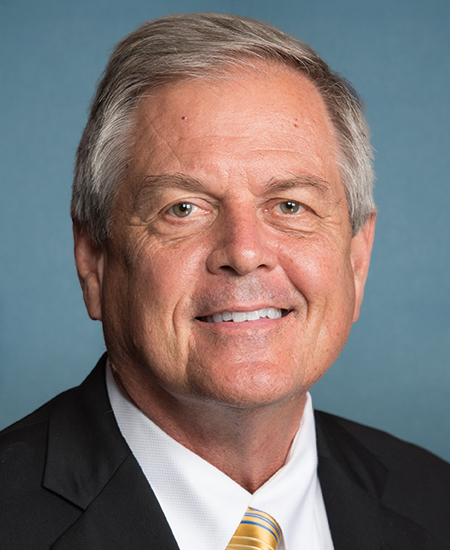
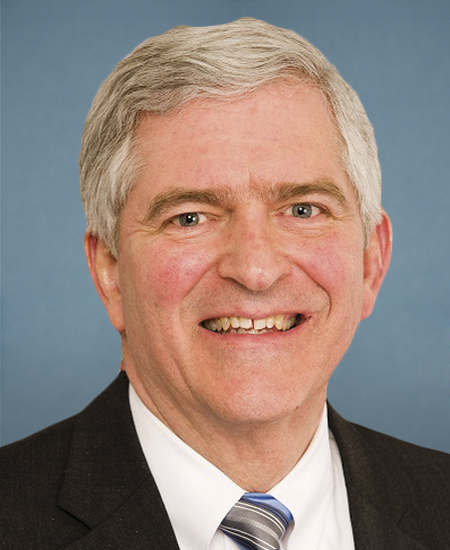
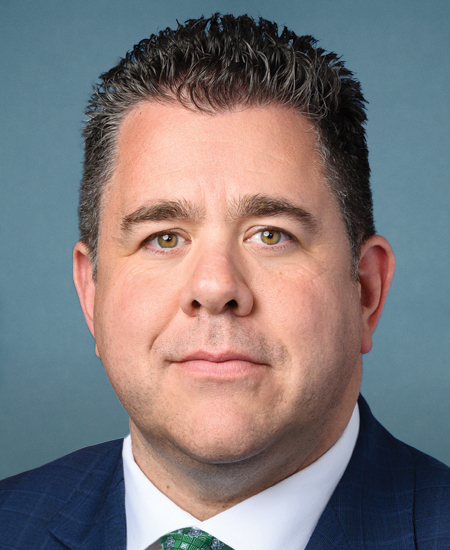
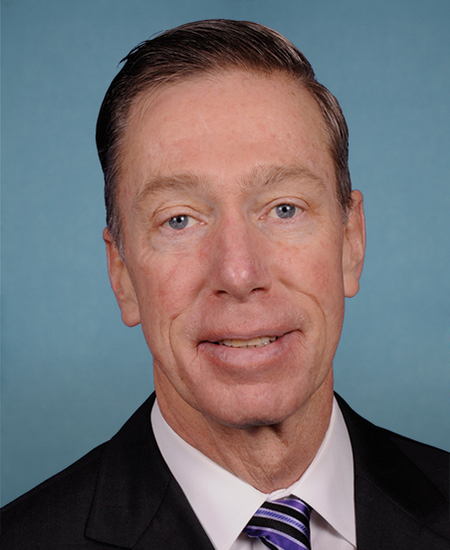
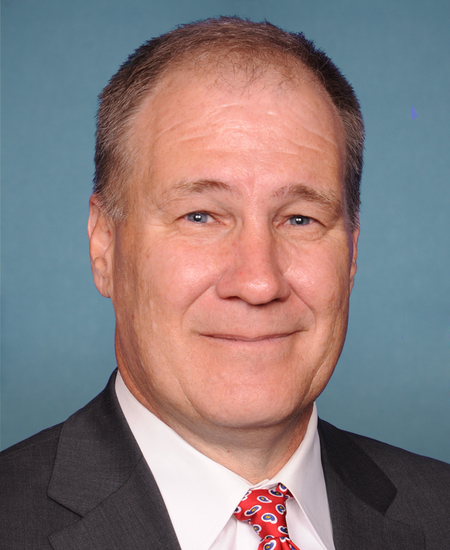
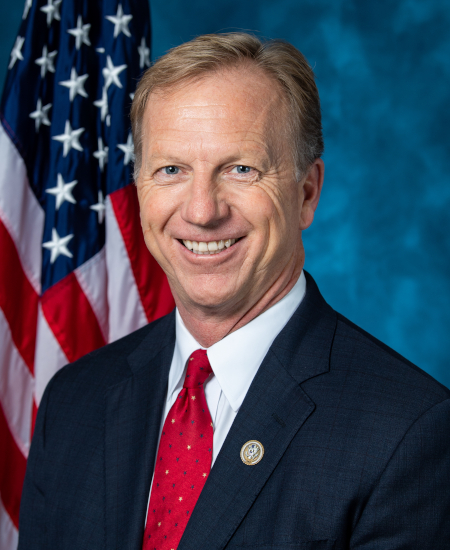
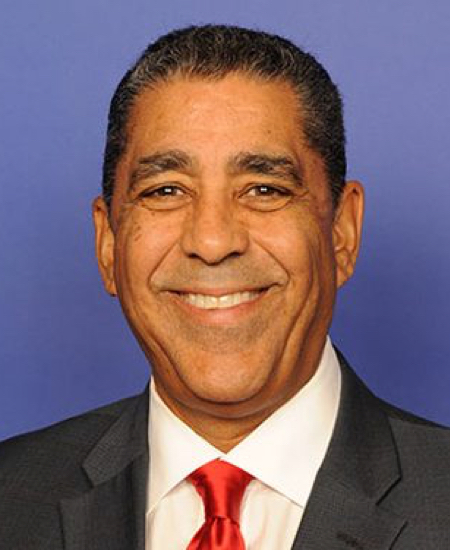
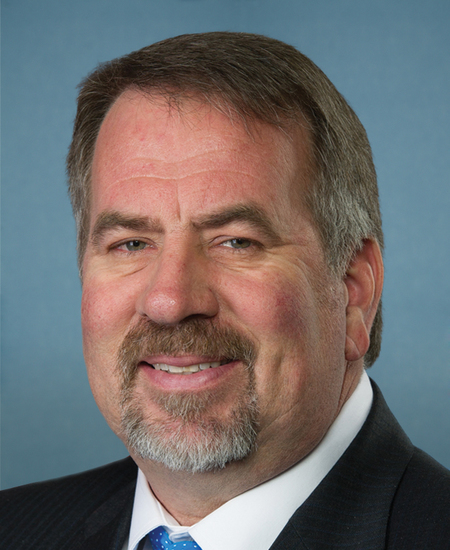
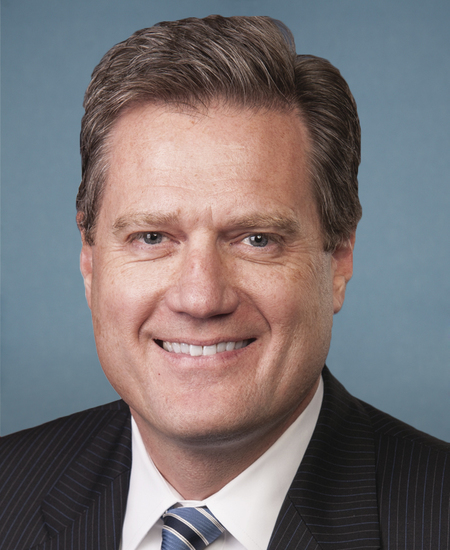
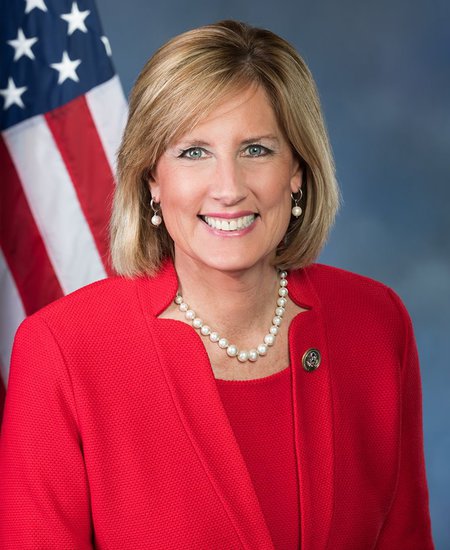
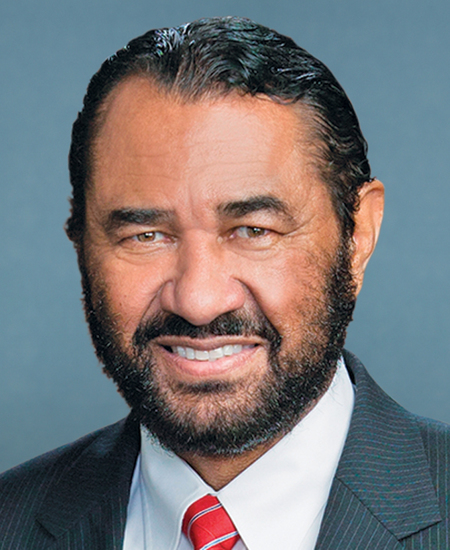
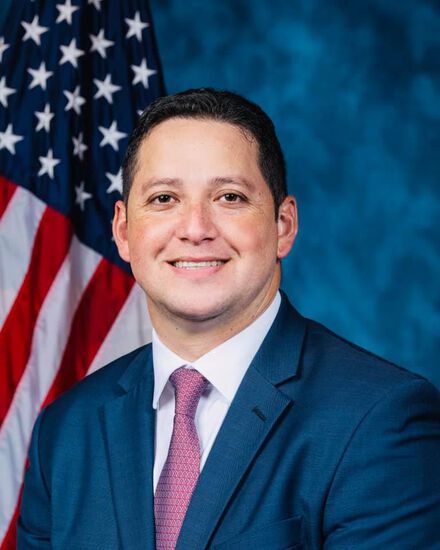
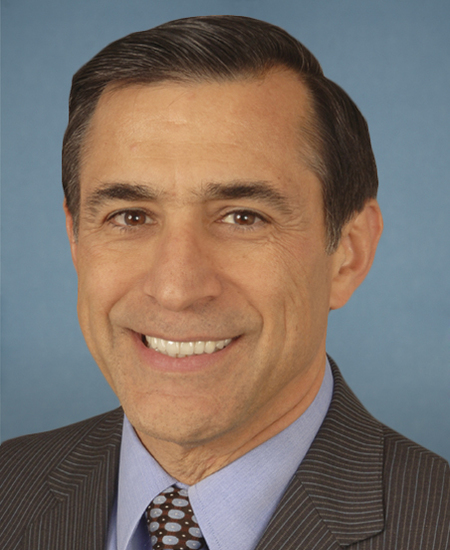
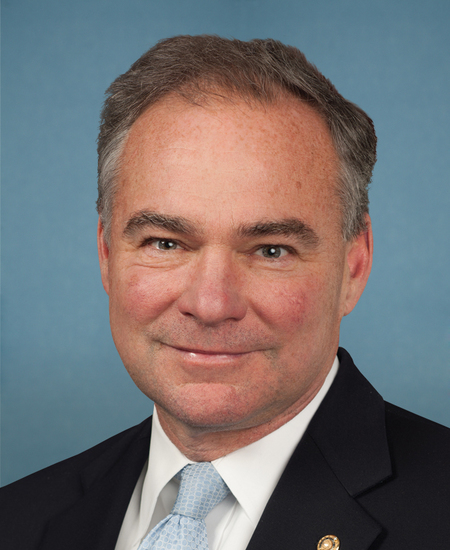
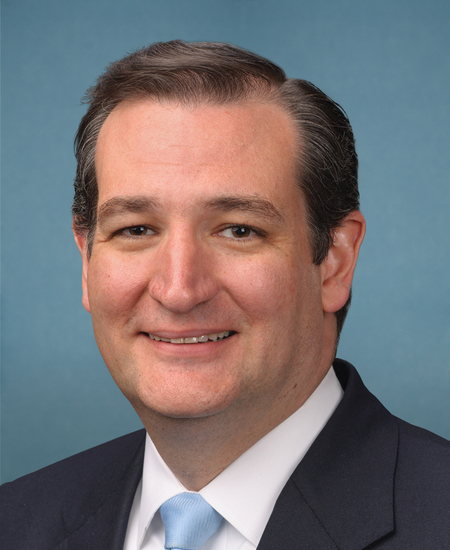
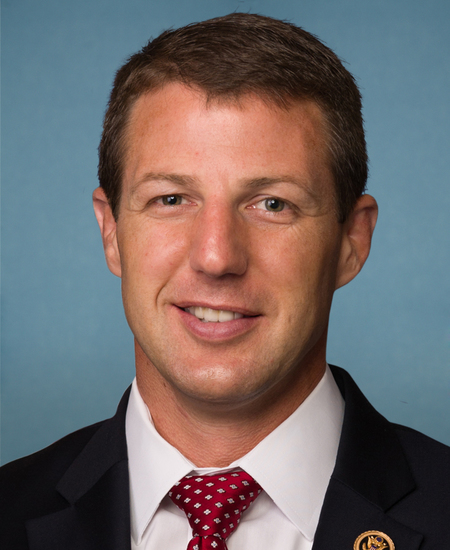
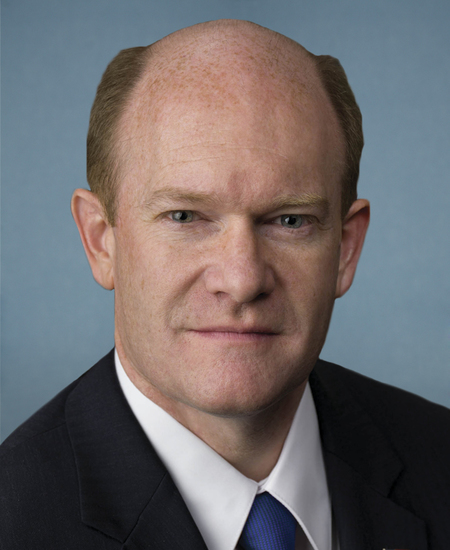
How they voted (428)
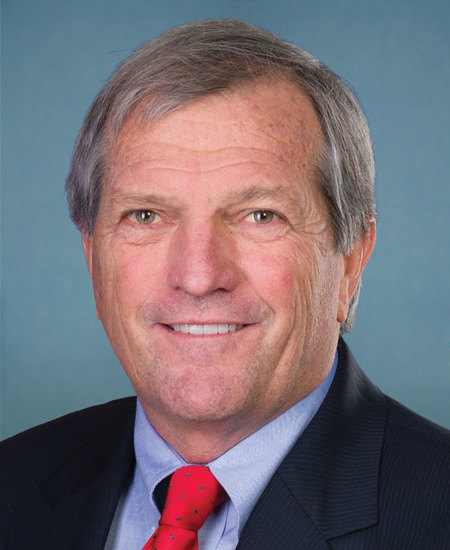

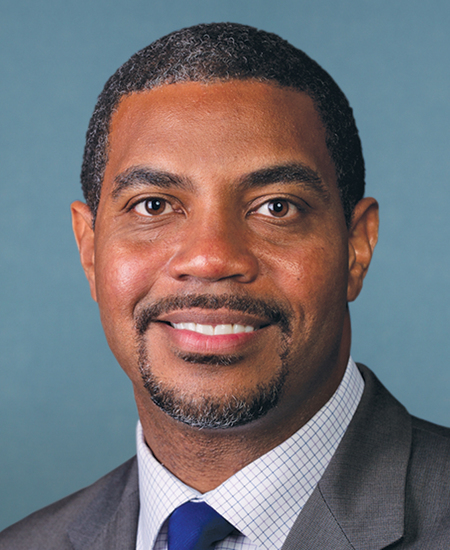

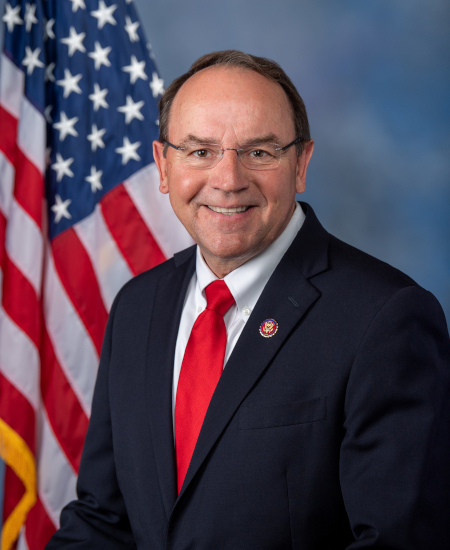







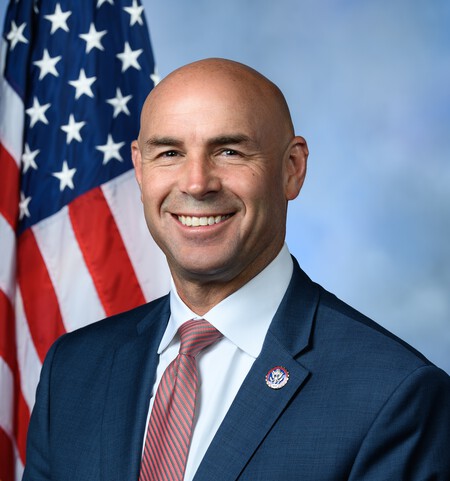









404 more members









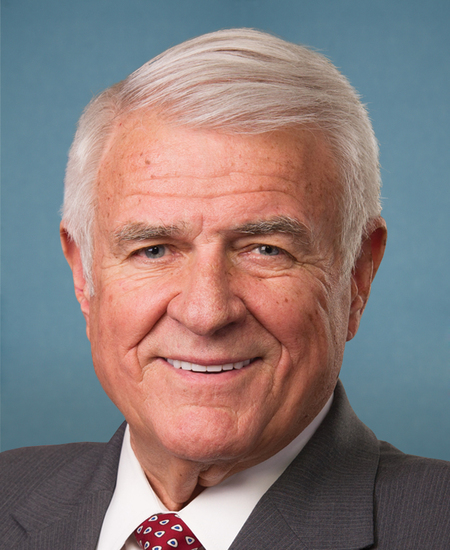

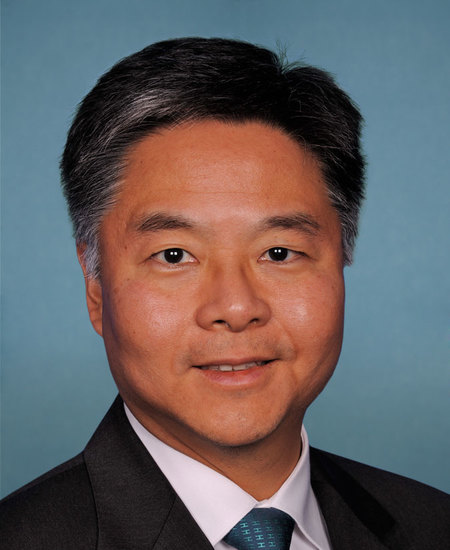


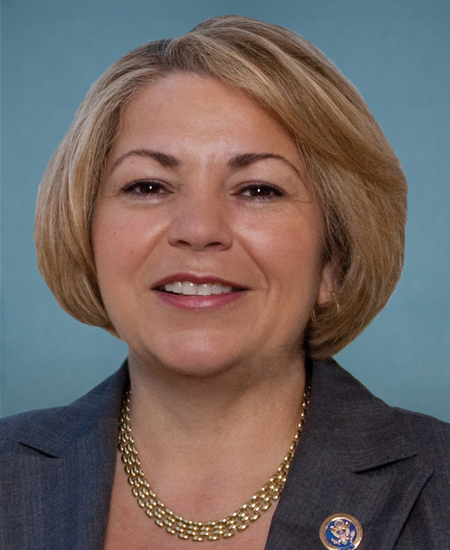

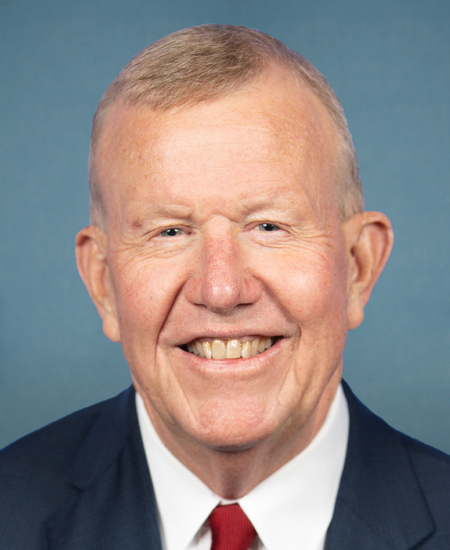
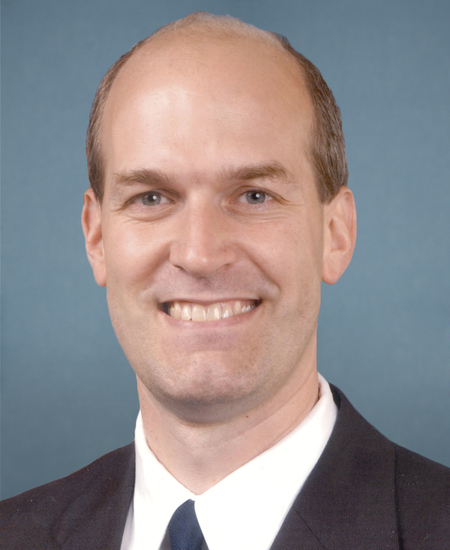









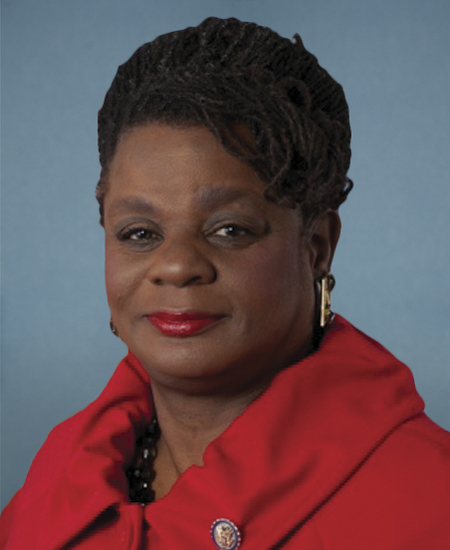


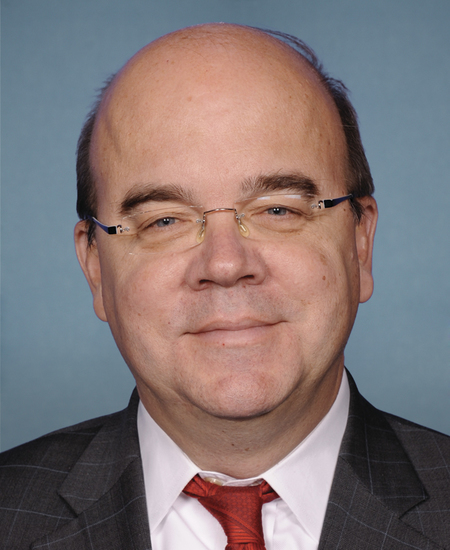

























































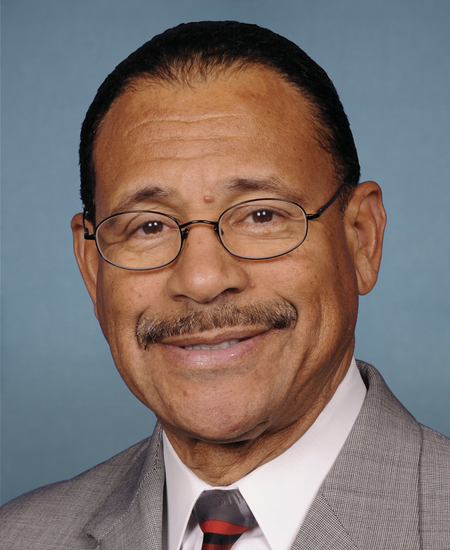




















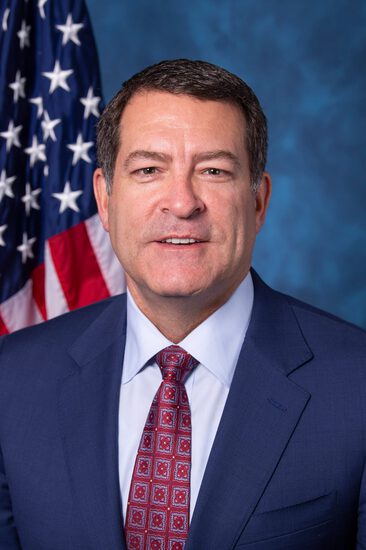



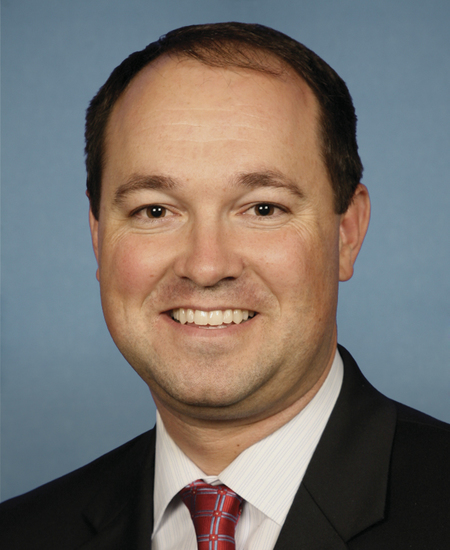





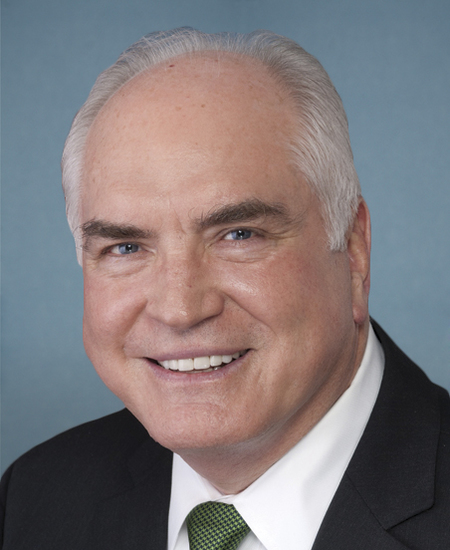






















































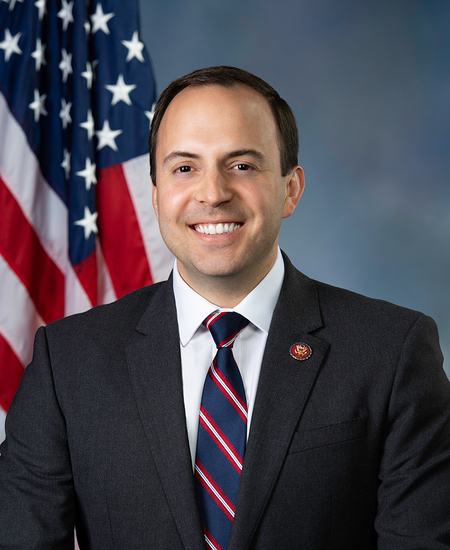




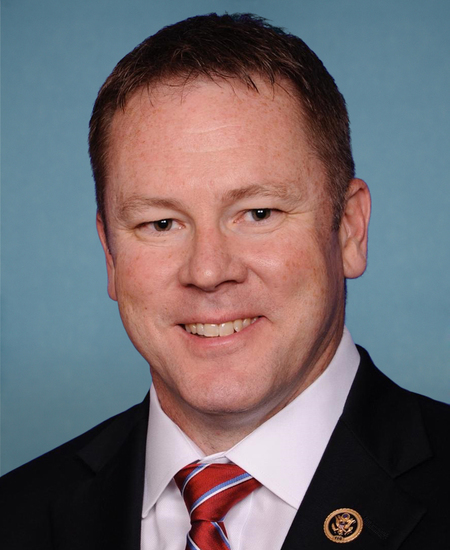





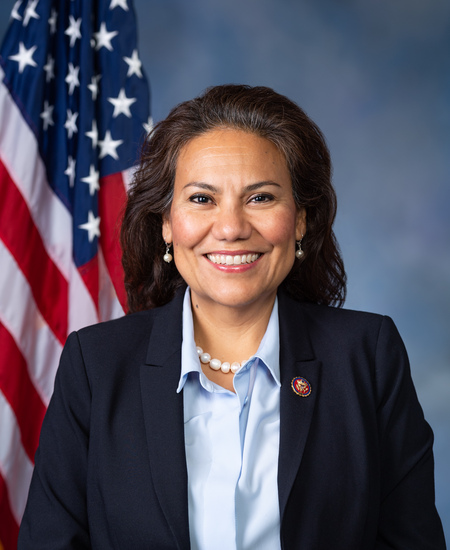


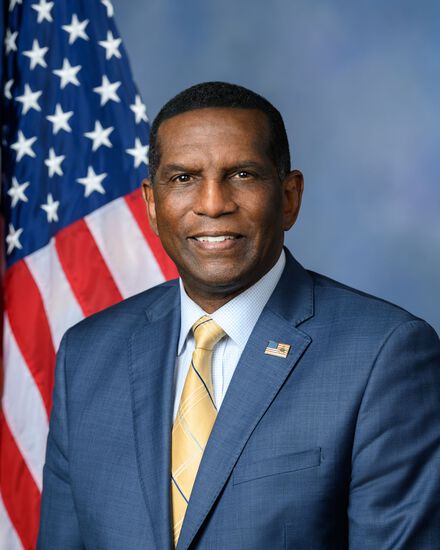







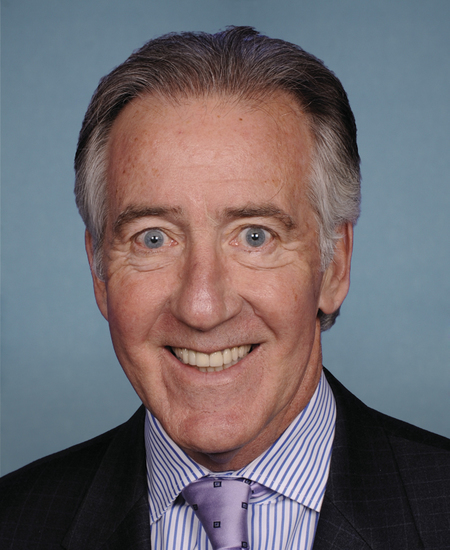






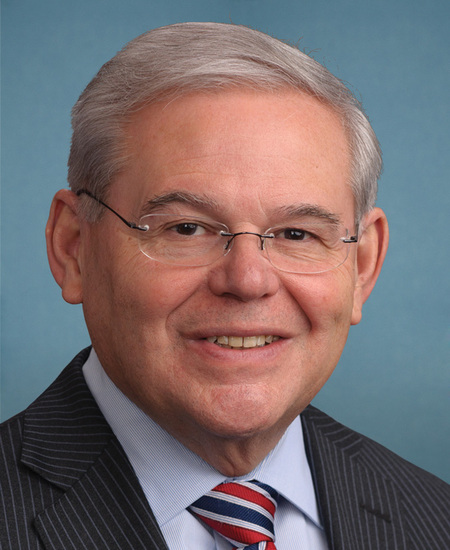





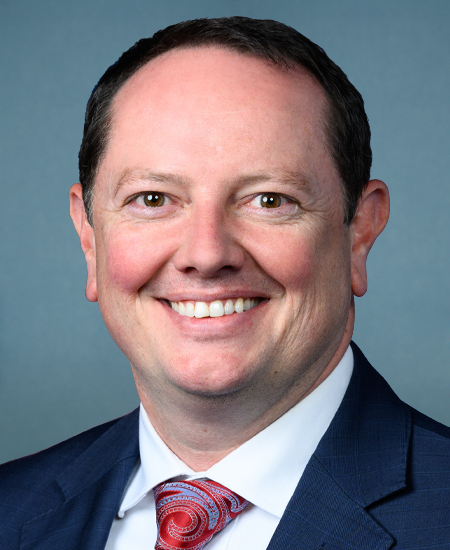
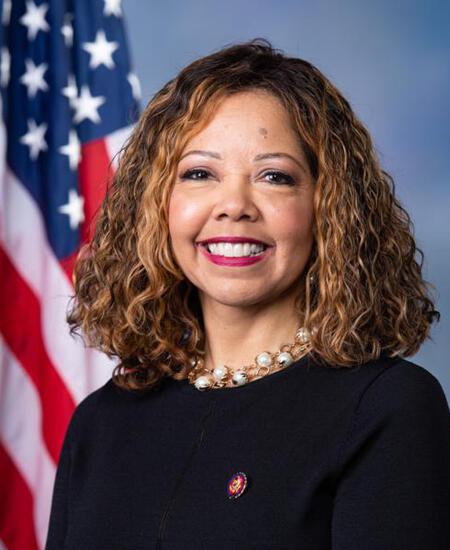


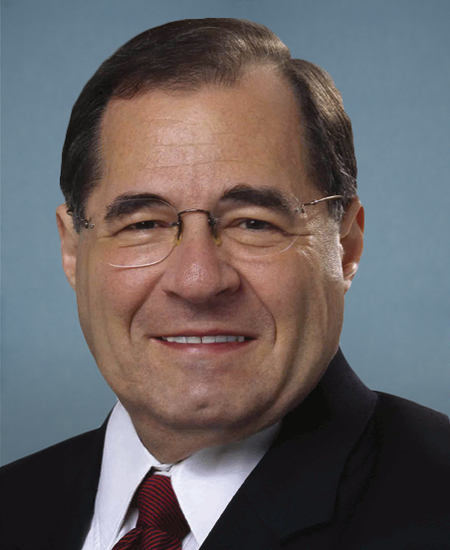








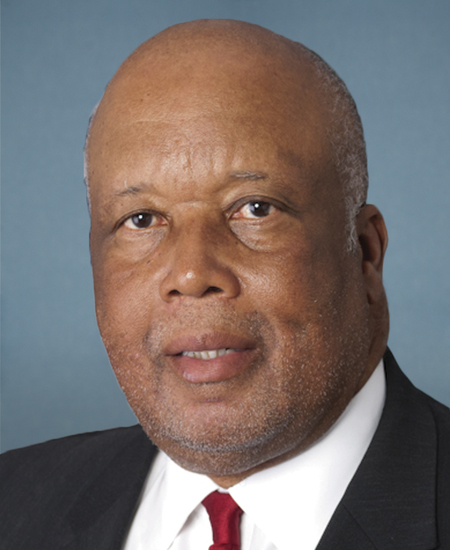

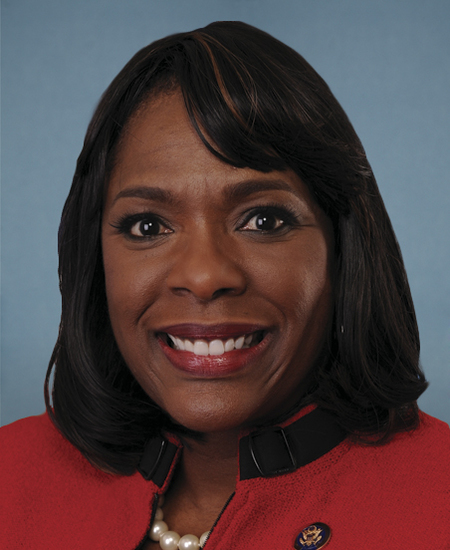









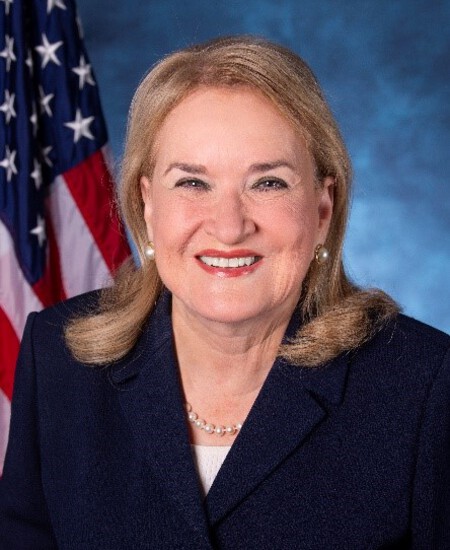



























































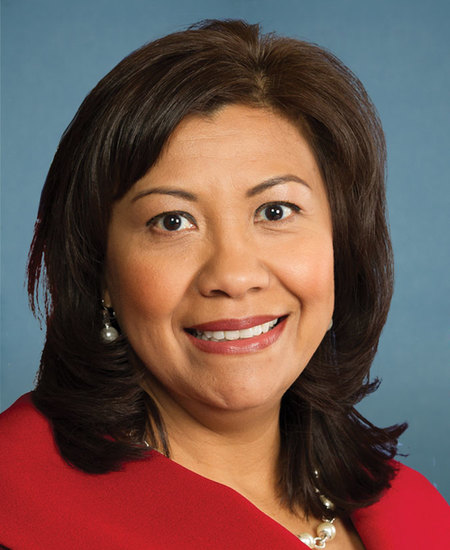



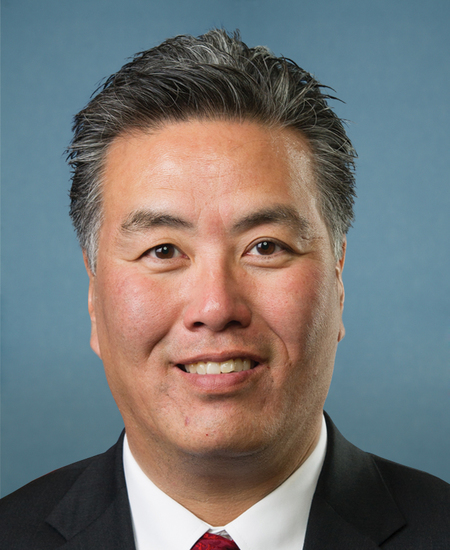

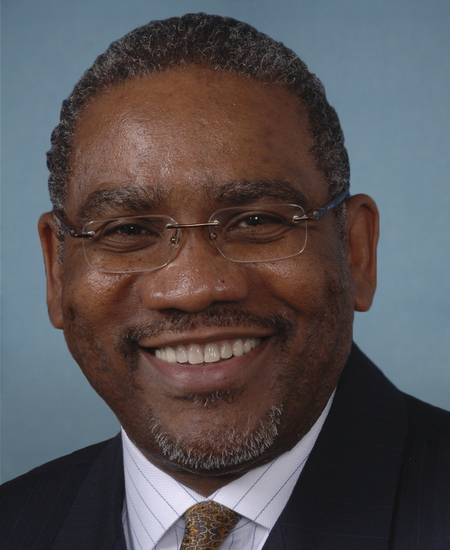
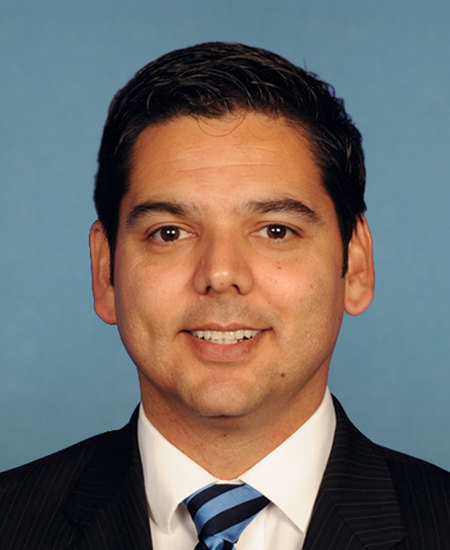

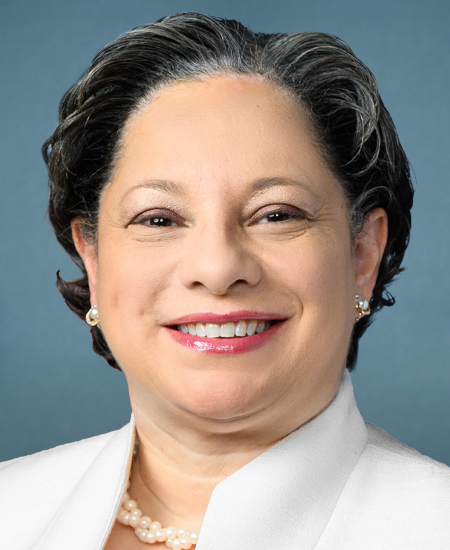

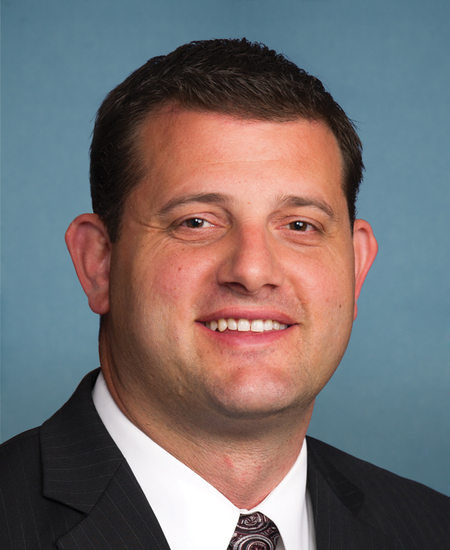







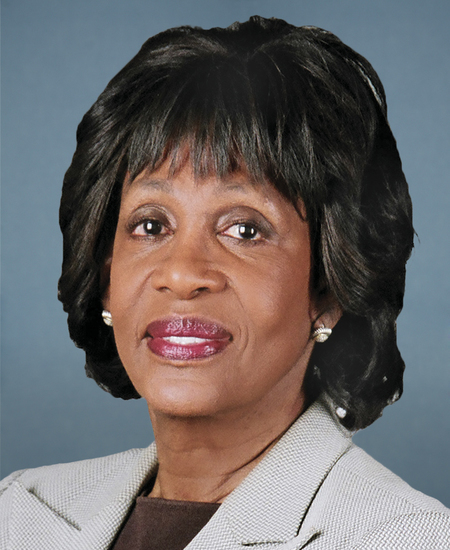


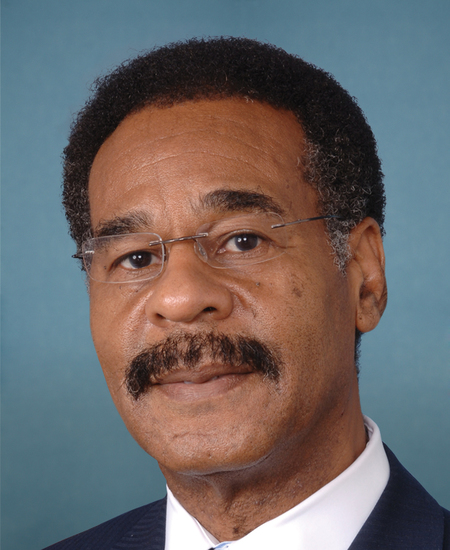









Show 1 earlier roll call
Total
98
- Yes
- 52
- No
- 46
- Present
- 0
- Not voting
- 0
- Abstain
- 0
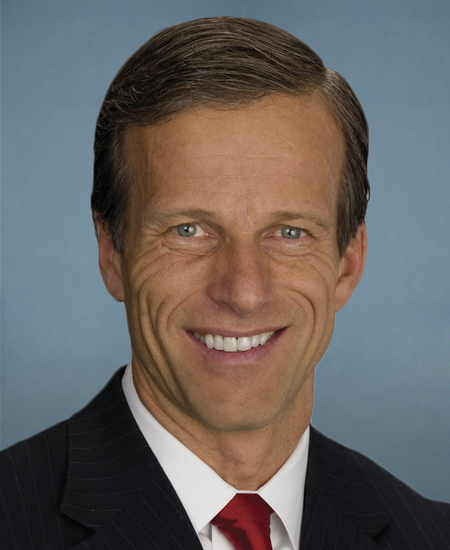
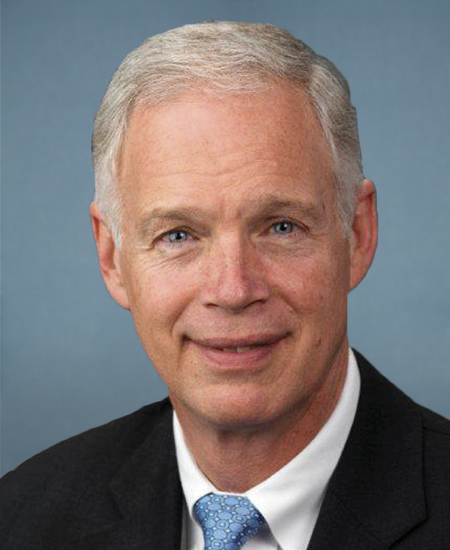
How they voted (98)














74 more members




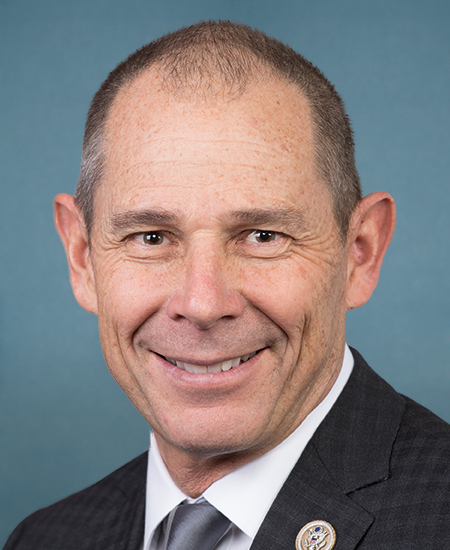



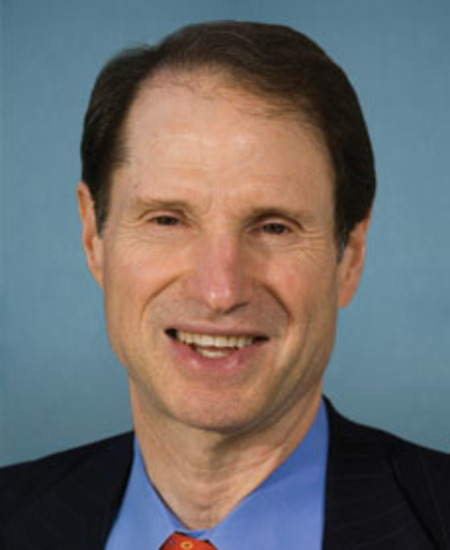
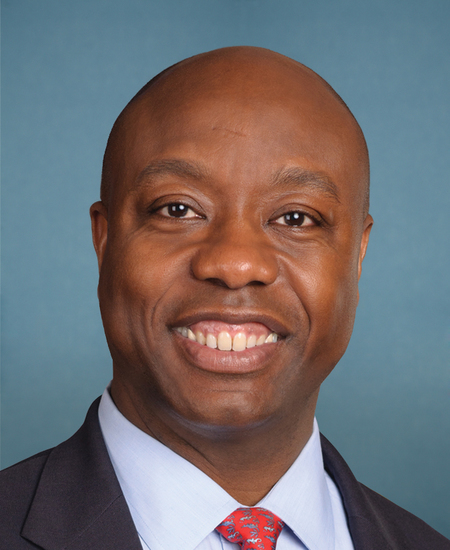



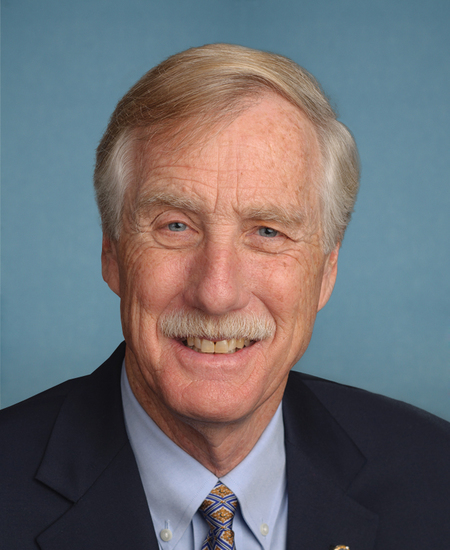




































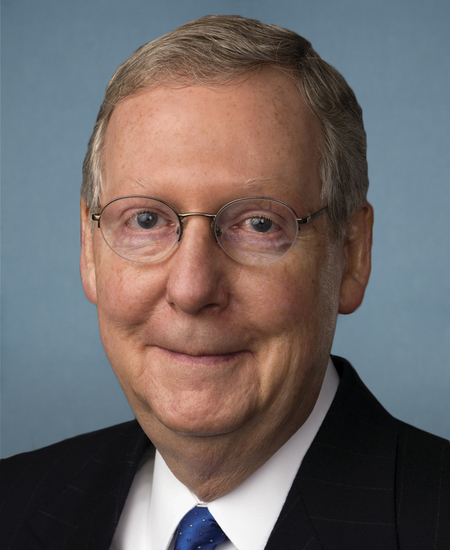

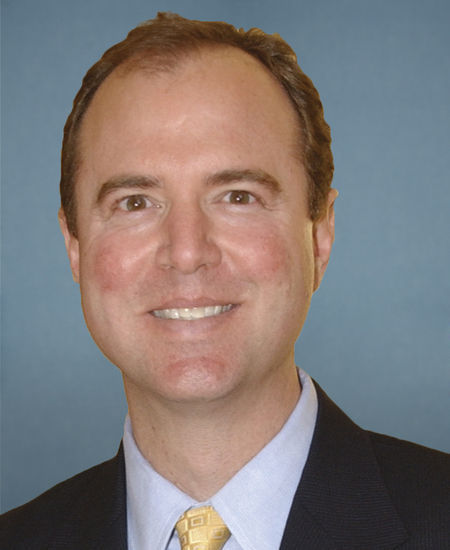




Full breakdown
Who this bill affects and the strongest case for and against it, written only from the bill’s own text.
Sponsors
Discoveries
Patterns POLISCOPE noticed across the record. These are observations to investigate, not conclusions.
Use of Congressional Review Act
The document demonstrates a direct legislative intervention to override agency-level rulemaking using the Congressional Review Act.
Connected Entities
Sources
www.congress.gov
Analysis Score
0–100- Significance85How much this matters to a regular citizen
- Controversy60Intensity of disagreement among stakeholders
- Entertainment10Compellingness for a non-policy-wonk reader
- Buzz40Current news / social attention level
Publisher tools