
The civic record
Read. Follow. Verify.Maryland Restricts Law Enforcement Face Coverings and Requires Visible Officer Identification
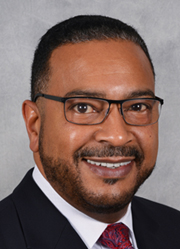
Last action · May 26, 2026: Approved by the Governor - Chapter 612Sponsors: Malcolm Augustine and 17 others
Track this bill to get notified when it advances a stage. One tap to stop, anytime.
What This Bill Does
Maryland law enforcement officers are prohibited from wearing opaque face coverings while on duty, starting October 1, 2026, except during specified tactical, medical, or weather emergencies. Officers must also display clear agency identification and badge numbers on their outermost layer of clothing and verbally disclose their identity upon request.
The measure establishes civil fines up to $2,000 and misdemeanor classification for face-covering violations, directly altering accountability standards and operational uniform requirements for all sworn police personnel across state, county, and municipal agencies.
- Senate Bill 1 was enacted by the Maryland General Assembly and approved by Governor Wes Moore, modifying state public safety laws regarding police conduct and accountability. context
Who It Affects
Groups the bill's text affects, as described in the record. Being affected is not a position for or against it.
Law enforcement officers
Must comply with new restrictions on face coverings and mandatory identification display requirements while on duty, facing civil fines, misdemeanor penalties, and misconduct charges for violations.
Law enforcement agencies
Must adopt uniform policies consistent with the Maryland Police Training and Standards Commission guidelines and forward citations to the District Court.
Maryland Police Training and Standards Commission
Required to develop model uniform policies governing face coverings and worn identification for all state law enforcement agencies.
Key Facts
You don't have to trust us. Each fact below is taken straight from the official document - click any one to see the exact passage, highlighted in the original.
Frequently Asked Questions
What items are considered prohibited face coverings for police officers?
Are there any exceptions where an officer is allowed to wear a face covering?
What information must be displayed on an officer's identification?
What are the penalties if a law enforcement officer violates the face covering ban?
What else do you want to know?
News Coverage
Follow the record
Votes, people, money & the original sourceWhere This Stands
Current status: Signed into law.
Procedural history
24 actions- May 26, 2026Governor of MarylandEnrolledApproved by the Governor - Chapter 612
- Apr 13, 2026SenateFloorPassed Enrolled
- Apr 13, 2026SenateFloorThird Reading Passed (32-13)
- Apr 13, 2026SenateFloorSenate Concurs House Amendments
- Apr 13, 2026SenateFloorMotion Limit Debate (Senator King) Adopted (31-13)
- Apr 13, 2026HouseFloorThird Reading Passed (100-37)
Show 18 earlier actions
- Apr 13, 2026HouseFloorSecond Reading Passed with Amendments
- Apr 13, 2026HouseFavorable with Amendments { 443923/1 Adopted
- Apr 11, 2026HouseCommitteeFavorable with Amendments Report by Judiciary
- Mar 26, 2026HouseHearing 3/31 at 1:00 p.m.
- Feb 4, 2026HouseCommitteeReferred Judiciary
- Feb 3, 2026SenateFloorThird Reading Passed (31-13)
- Jan 29, 2026SenateFloorSecond Reading Passed with Amendments
- Jan 29, 2026SenateFloor Amendment { 723726/1 (Senator McKay) Rejected (18-28)
- Jan 29, 2026SenateFloor Amendment { 703926/1 (Senator McKay) Rejected (14-31)
- Jan 29, 2026SenateFloor Amendment { 773627/1 (Senator McKay) Rejected (12-32)
- Jan 29, 2026SenateFloor Amendment { 633420/1 (Senator Ready) Rejected (14-32)
- Jan 29, 2026SenateFloor Amendment { 273521/1 (Senator West) Rejected
- Jan 29, 2026SenateFloor Amendment { 873724/1 (Senator West) Rejected (14-30)
- Jan 29, 2026SenateFavorable with Amendments { 123226/1 Adopted
- Jan 28, 2026SenateCommitteeFavorable with Amendments Report by Judicial Proceedings
- Jan 14, 2026SenateIntroducedFirst Reading Judicial Proceedings
- Jan 13, 2026SenateHearing 1/22 at 1:00 p.m.
- Sep 15, 2025SenateIntroducedPre-filed
Version history
Only one version on file - nothing to compare yet. As later stages (committee substitute, engrossed, enrolled) are captured, the redline appears here.
View official text →Lobbying Activity
No state lobbying filings in our records match this bill. Federal lobbying reports (LDA) cover Congress, so they are not listed on state bills.
Full breakdown
Who this bill affects and the strongest case for and against it, written only from the bill’s own text.
Sponsors



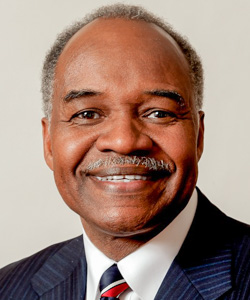
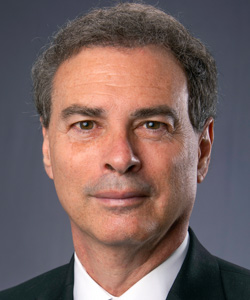
Show 13 more sponsors


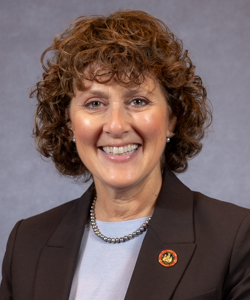






Discoveries
Patterns POLISCOPE noticed across the record. These are observations to investigate, not conclusions.
Statewide Standardization of Police Uniform Rules
The legislation strips local counties and municipalities of authority to set their own policies on face coverings and identification, centralizing rules through the Maryland Police Training and Standards Commission.
Connected Entities
Sources
mgaleg.maryland.gov
Analysis Score
0–100- Significance85How much this matters to a regular citizen
- Controversy75Intensity of disagreement among stakeholders
- Entertainment10Compellingness for a non-policy-wonk reader
- Buzz60Current news / social attention level
Publisher tools