
The civic record
Read. Follow. Verify.National Quantum Initiative Reauthorization Act (H.R. 8462)
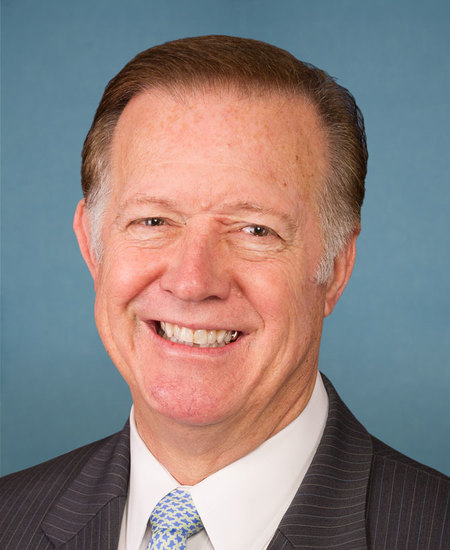
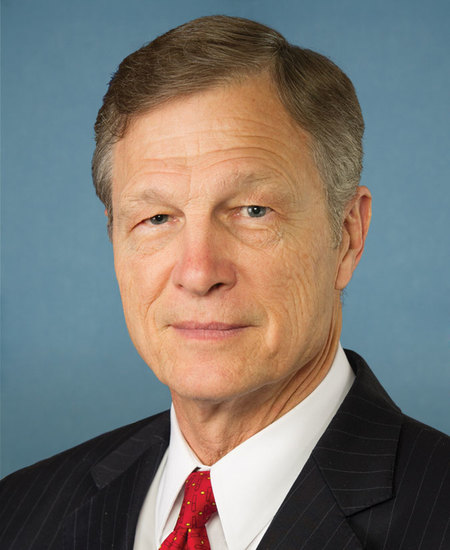
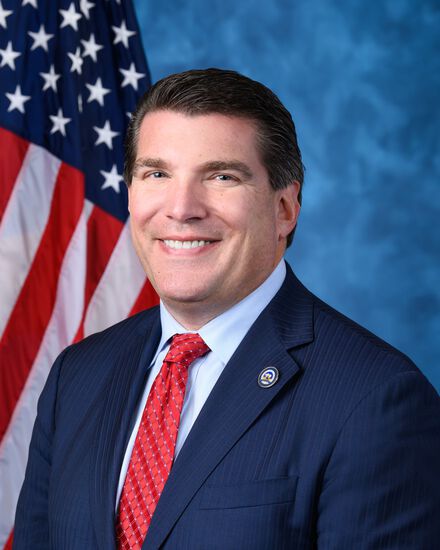
Last action · April 29, 2026: Ordered to be Reported (Amended) by Voice Vote.Sponsors: Randy Weber and 5 others
Track this bill to get notified when it advances a stage. One tap to stop, anytime.
What This Bill Would Do
This bill proposes updates to the National Quantum Initiative Act to expand the scope of federal quantum research, education, and commercialization efforts. It introduces new definitions for quantum technologies and security-related terms while broadening the program's goals to include workforce development and international partnerships.
This legislation updates the federal framework for quantum technology research and development, which dictates how government funding and strategic priorities are directed toward quantum computing, encryption, and workforce training over the coming years.
Who It Would Affect
Groups the bill's text would affect if enacted, as described in the record. Being affected is not a position for or against it.
Quantum technology startups and small businesses
The bill adds a specific mandate to improve the viability and commercialization capacity of small and medium-sized quantum businesses.
Primary and secondary school educators
The bill expands the scope of federal quantum science initiatives to include primary and secondary education levels.
Federal and National Laboratories
These entities are explicitly included in the expanded research, development, and demonstration mandates of the National Quantum Initiative.
Key Facts
- The bill formally defines 'quantum applications' to include algorithms, software, computing, sensing, networking, and encryption.
- The bill defines 'quantum computing' to include specific architectures like quantum annealing, gate-model systems, superconducting, ion traps, photonics, and topological qubits.
- New definitions are added for 'Confucius Institute', 'Federal laboratory', 'National laboratory', 'foreign country of concern', and 'foreign entity of concern'.
- The bill expands the program's purpose to include developing domestic workforce pathways and retaining international talent.
Show all 10 facts
- The scope of quantum education is expanded to include primary and secondary school levels.
- The bill adds a goal to support the development of quantum-hybrid applications to promote commercialization.
- The program is directed to facilitate cooperative investment in quantum capabilities with U.S. allies to secure the domestic supply chain.
- The bill adds a specific goal to improve the viability of small and medium-sized quantum businesses and startups.
- The program's scope is broadened to include 'near-term, medium-term, and long-term demonstration' of quantum technologies.
- The definition of 'STEM' is explicitly added to include computer science.
Frequently Asked Questions
What does this bill change about quantum research?
Does this bill affect schools?
How does this bill address national security?
What else do you want to know?
News Coverage
Bias ratings based on AllSides / Media Bias/Fact Check
Follow the record
Votes, people, money & the original sourceWhere This Stands
Currently in committee. The next step in the legislative lifecycle is Floor Vote.
Procedural history
4 actions- Apr 29, 2026HouseCommitteeOrdered to be Reported (Amended) by Voice Vote.
- Apr 29, 2026HouseCommittee Consideration and Mark-up Session Held
- Apr 23, 2026HouseCommitteeReferred to the House Committee on Science, Space, and Technology.
- Apr 23, 2026HouseIntroducedIntroduced in House
Version history
Only one version on file - nothing to compare yet. As later stages (committee substitute, engrossed, enrolled) are captured, the redline appears here.
View official text →Lobbying Activity
LEWIS-BURKE ASSOCIATES, LLC
on behalf of UNIVERSITY OF ILLINOIS
Full breakdown
Who this bill affects and the strongest case for and against it, written only from the bill’s own text.
Sponsors



Discoveries
Patterns POLISCOPE noticed across the record. These are observations to investigate, not conclusions.
Expansion to K-12 Education
The bill marks a shift from focusing solely on advanced research to including primary and secondary education in the national quantum strategy.
Connected Entities
Sources
www.congress.gov
Analysis Score
0–100- Significance75How much this matters to a regular citizen
- Controversy20Intensity of disagreement among stakeholders
- Entertainment5Compellingness for a non-policy-wonk reader
- Buzz30Current news / social attention level
Publisher tools