
The civic record
Read. Follow. Verify.South Dakota House Bill 1285 Reschedules Municipal and School District Elections to Odd-Numbered Years
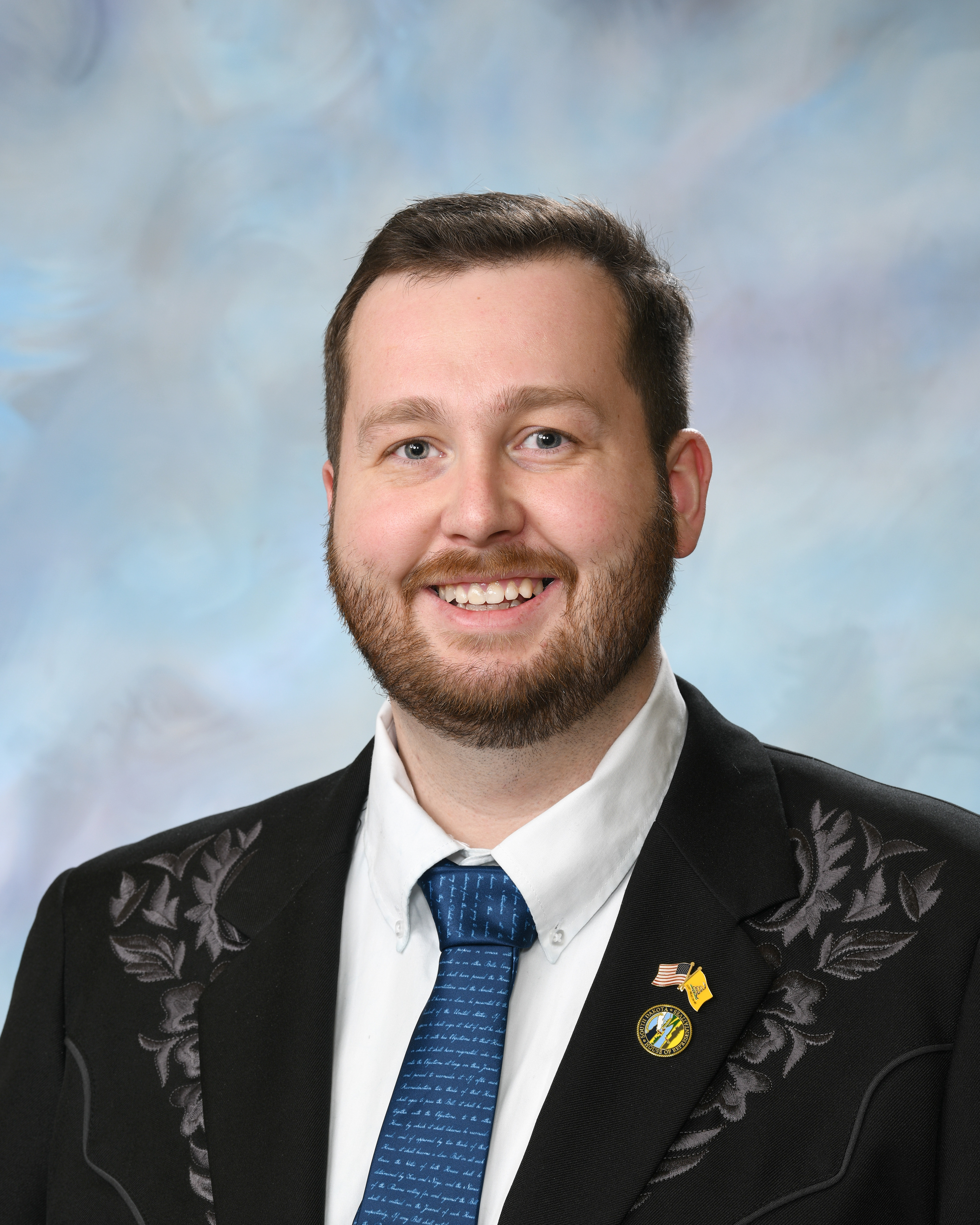
Last action · February 18, 2026: Deferred to the 41st legislative daySponsors: Heather Baxter and 3 others
Track this bill to get notified when it advances a stage. One tap to stop, anytime.
What This Bill Proposed
South Dakota House Bill 1285 updates statutory provisions to require municipalities and school districts to hold regular elections in odd-numbered years on either the first Tuesday after the first Monday in June or November. The measure repeals previous requirements for even-numbered joint elections with primaries or general elections and extends affected office holder terms expiring in 2026, 2028, or 2030 until successors qualify.
Who It Would Have Affected
Groups the bill's text would have affected, as described in the record. Being affected is not a position for or against it.
Municipalities
Municipalities must reschedule their regular elections to odd-numbered years, establish election dates by January 14, and negotiate shared election responsibilities with school districts if conducting joint votes.
School Districts
School boards must hold regular elections in odd-numbered years on designated Tuesdays and resolve shared election expenses and responsibilities with local municipal bodies.
Local Office Holders
Office holders with terms expiring in 2026, 2028, or 2030 have their terms extended until their successors are elected and qualified.
Key Facts
You don't have to trust us. Each fact below is taken straight from the official document - click any one to see the exact passage, highlighted in the original.
Frequently Asked Questions
When must municipalities and school districts hold their regular elections under this bill?
What happens to local office holders whose terms were set to expire in 2026, 2028, or 2030?
Can a municipality and a school district hold their elections together?
What else do you want to know?
News Coverage
Follow the record
Votes, people, money & the original sourceWhere This Stands
This bill did not become law - Died at adjournment · in House committee.
Procedural history
5 actions- Feb 18, 2026HouseDeferred to the 41st legislative day
- Feb 18, 2026HouseMotion to amend
- Feb 18, 2026HouseScheduled for hearing
- Feb 5, 2026HouseCommitteeReferred to
- Feb 4, 2026HouseIntroducedFirst Reading House
Version history
Only one version on file - nothing to compare yet. As later stages (committee substitute, engrossed, enrolled) are captured, the redline appears here.
View official text →Lobbying Activity
No state lobbying filings in our records match this bill. Federal lobbying reports (LDA) cover Congress, so they are not listed on state bills.
Full breakdown
Who this bill affects and the strongest case for and against it, written only from the bill’s own text.
Sponsors



Discoveries
Patterns POLISCOPE noticed across the record. These are observations to investigate, not conclusions.
Transition from Even to Odd-Year Local Elections
The legislation repeals prior mandates for even-year elections aligned with state primaries and general elections, shifting municipal and school board votes entirely to odd-numbered years.
Connected Entities
Sources
sdlegislature.gov
Analysis Score
0–100- Significance20Lowered because this bill did not pass (its text scored 75)
- Controversy35Intensity of disagreement among stakeholders
- Entertainment5Compellingness for a non-policy-wonk reader
- Buzz40Current news / social attention level
Publisher tools