
NewsLos Angeles TimesNovember 4, 2026Los Angeles County
Pete Madden: Shift Wildfire Spending to Damage Prevention and Pre-Fire Forest Treatments
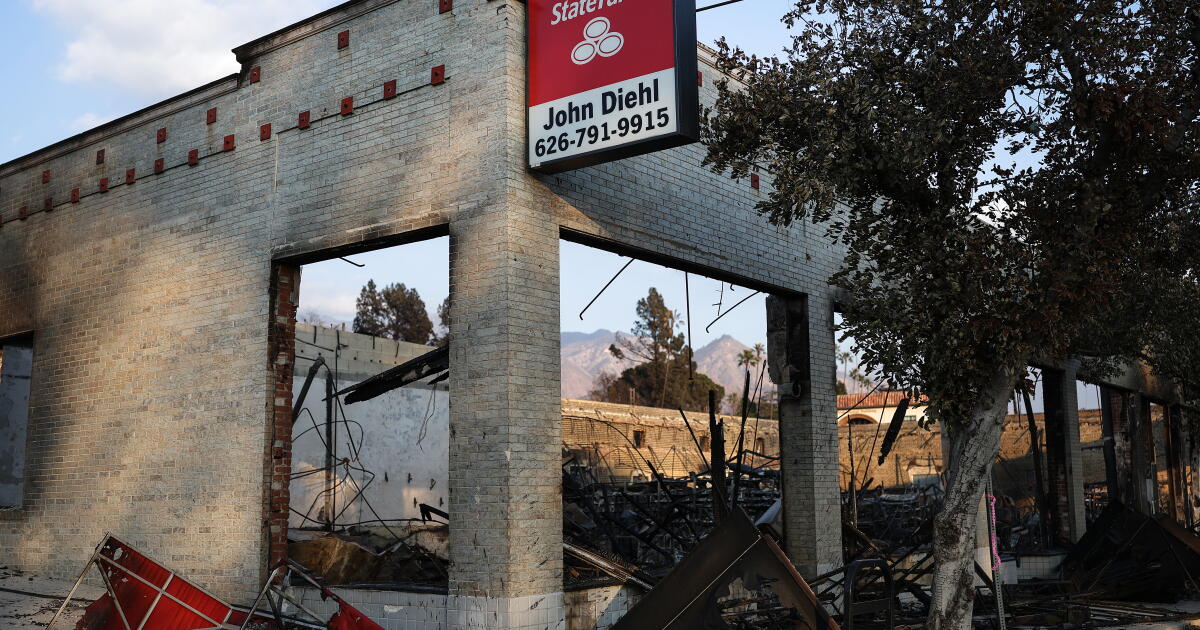
Photo: Los Angeles Times
An opinion piece argues that wildfire spending should prioritize proactive forest management and damage prevention over reactive recovery, citing research that preventive treatments save significantly more than they cost. The commentary highlights studies showing that every dollar spent on fuel reduction yields multiple dollars in avoided damages, protecting public health, infrastructure, and water quality.
Read the full story at Los Angeles TimesWhy It Matters
Residents across the country experience the health and economic fallout of distant wildfires through smoke, strained emergency rooms, and higher utility and recovery costs, making preventive forest management a shared financial and public health concern.
Key Facts
- The estimated annual cost of wildfires in the United States is roughly $424 billion, covering infrastructure, private property, ecosystem services, emergency response, and rehabilitation.
- A study led by researchers at UC Davis found that every $1 spent on U.S. Forest Service fuel reduction treatments saved about $3.75 in wildfire damages across nearly 300 wildfires in 11 Western states.
- Fuel reduction treatments prevented an estimated $2.8 billion in losses while reducing fire spread and severity.
- In 2023, the U.S. Endowment for Forestry and Communities helped fund research examining the connections between forest management, wildfire smoke, and human health.
- Severe wildfires can increase erosion and contamination in rivers and reservoirs, threatening drinking water and raising costs for downstream communities and utilities.
- The U.S. Endowment for Forestry and Communities was created in 2006 through the U.S.-Canada Softwood Lumber Agreement.
- Markets for engineered wood and biochar can help offset the costs of removing small trees and low-value wood during forest management.
- Wildfire smoke affects communities hundreds of miles away, causing school recess to move indoors, slowing outdoor work, and increasing emergency room visits.
Who's Mentioned
otherU.S.-Canada Softwood Lumber Agreement“Agreement from 2006 that led to the creation of the U.S. Endowment for Forestry ”OrganizationU.S. Endowment for Forestry and Communities“Funded research on forest management, wildfire smoke, and human health; created ”OrganizationCalifornia Council on Science and Technology“Participated in research examining connections between forest management, smoke,”OrganizationU.S. Geological Survey“Source of the estimated annual cost of wildfire in the U.S.”OrganizationUC Davis“Led research regarding U.S. Forest Service fuel reduction treatments.”PersonPete Madden“President and chief executive of the U.S. Endowment for Forestry and Communities”OrganizationU.S. Forest Service“Manages fuel reduction treatments and conducts research on severe wildfires and ”OrganizationBlue Forest“Nonprofit conservation finance organization that examined connections between fo”