
The civic record
Read. Follow. Verify.Maryland updates jury service disqualifications for individuals with specific criminal convictions
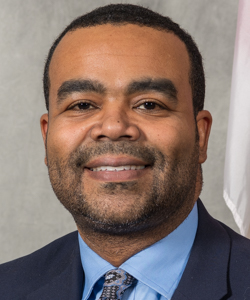
Last action · May 31, 2026: Enacted under Article II, Section 17(c) of the Maryland Constitution - Chapter 875Sponsor: Charles Sydnor
Track this bill to get notified when it advances a stage. One tap to stop, anytime.
What This Bill Does
Maryland restricts individuals from jury service who are currently serving a sentence—including —for a crime punishable by more than one year in prison, or who have been convicted of perjury, witness intimidation, jury intimidation, or Title 8 fraud offenses, taking effect October 1, 2026.
Changes who is legally eligible to serve on juries across Maryland counties by narrowing disqualifications based on completed sentences while permanently barring individuals convicted of specific integrity-related crimes.
- Maryland Chapter 875 (Senate Bill 322) was enacted under Article II, Section 17(c) of the Maryland Constitution after being signed into law by Governor Wes Moore. context
Who It Affects
Groups the bill's text affects, as described in the record. Being affected is not a position for or against it.
Individuals with past criminal convictions
Their eligibility to serve on juries in Maryland is altered based on whether they are currently serving a sentence or have specific convictions for perjury, intimidation, or fraud.
Maryland court systems
They must apply updated disqualification criteria when compiling and qualifying prospective jury pools.
Key Facts
You don't have to trust us. Each fact below is taken straight from the official document - click any one to see the exact passage, highlighted in the original.
Frequently Asked Questions
Who is disqualified from jury service under the new law regarding past criminal convictions?
Does a presidential or gubernatorial pardon still restore jury service eligibility for a disqualified conviction?
When does this change take effect?
What else do you want to know?
News Coverage
Follow the record
Votes, people, money & the original sourceWhere This Stands
Current status: Became law without the governor's signature.
Procedural history
14 actions- May 31, 2026Governor of MarylandEnacted under Article II, Section 17(c) of the Maryland Constitution - Chapter 875
- Apr 13, 2026SenateFloorReturned Passed
- Apr 13, 2026HouseFloorThird Reading Passed (97-36)
- Apr 13, 2026HouseFloorFavorable Adopted Second Reading Passed
- Apr 11, 2026HouseCommitteeFavorable Report by Judiciary
- Mar 6, 2026HouseCommitteeReferred Judiciary
Show 8 earlier actions
- Mar 5, 2026SenateFloorThird Reading Passed (32-11)
- Mar 3, 2026SenateFloorSecond Reading Passed
- Mar 3, 2026SenateFloorFavorable Adopted
- Mar 2, 2026SenateCommitteeFavorable Report by Judicial Proceedings
- Jan 27, 2026SenateHearing 2/03 at 2:00 p.m.
- Jan 27, 2026SenateHearing canceled
- Jan 23, 2026SenateHearing 2/03 at 1:00 p.m.
- Jan 22, 2026SenateIntroducedFirst Reading Judicial Proceedings
Version history
Only one version on file - nothing to compare yet. As later stages (committee substitute, engrossed, enrolled) are captured, the redline appears here.
View official text →Lobbying Activity
No state lobbying filings in our records match this bill. Federal lobbying reports (LDA) cover Congress, so they are not listed on state bills.
Full breakdown
Who this bill affects and the strongest case for and against it, written only from the bill’s own text.
Sponsors
Discoveries
Patterns POLISCOPE noticed across the record. These are observations to investigate, not conclusions.
Removal of Pardon Exception for Jury Disqualification
The bill completely repeals the statutory exemption that previously allowed individuals with disqualifying convictions to serve on juries if they received a pardon.
Sources
mgaleg.maryland.gov
Analysis Score
0–100- Significance65How much this matters to a regular citizen
- Controversy40Intensity of disagreement among stakeholders
- Entertainment5Compellingness for a non-policy-wonk reader
- Buzz30Current news / social attention level
Publisher tools