
The civic record
Read. Follow. Verify.The REFINER Act (H.R. 3109)
Last action · December 1, 2025: Received in the Senate and Read twice and referred to the Committee on Energy and Natural Resources.Sponsors: Robert Latta and 1 other
Track this bill to get notified when it advances a stage. One tap to stop, anytime.
What This Bill Would Do
The REFINER Act requires the Secretary of Energy to task the with producing a comprehensive report on U.S. . This report will analyze refinery capacity, energy security contributions, and the impact of government regulations on the industry.
This bill mandates a federal study that could influence future energy policies and regulations regarding the capacity and operation of U.S. , which directly affects fuel supply and consumer pricing.
Who It Would Affect
Groups the bill's text would affect if enacted, as described in the record. Being affected is not a position for or against it.
Petrochemical refinery operators
Their operational capacity, risks, and the regulatory environment they operate in will be the subject of a federal report.
U.S. energy consumers
The report will analyze the impact of refinery capacity on the affordability and supply of liquid fuels.
Key Facts
- The Secretary of Energy must direct the National Petroleum Council to issue a report on U.S. petrochemical refineries.
- The report must be submitted to the Secretary of Energy and Congress within 90 days of the Act's enactment.
- The report must examine the role of refineries in U.S. energy security, including fuel supply reliability and consumer affordability.
- The report must include projections on current refinery capacity, potential for expansion, and industry risks.
Show all 7 facts
- The report must assess how specific Federal or State regulations and executive actions have contributed to declines in refinery capacity.
- The report must provide recommendations for Congress and federal agencies to encourage increased refinery capacity.
- The final report must be made available to the public.
Frequently Asked Questions
What is the goal of the REFINER Act?
Who is responsible for writing the report?
Will the public be able to see the findings?
What else do you want to know?
News Coverage
Follow the record
Votes, people, money & the original sourceWhere This Stands
Currently passed chamber. The next step in the legislative lifecycle is Law.
Procedural history
21 actions- Dec 1, 2025SenateCommitteeReceived in the Senate and Read twice and referred to the Committee on Energy and Natural Resources.
- Nov 20, 2025HouseMotion to reconsider laid on the table Agreed to without objection.
- Nov 20, 2025HouseFloorOn passage Passed by the Yeas and Nays: 230 - 176 (Roll no. 303). (text: CR H4835)
- Nov 20, 2025HouseFloorPassed/agreed to in House: On passage Passed by the Yeas and Nays: 230 - 176 (Roll no. 303). (text: CR H4835)
- Nov 20, 2025HouseConsidered as unfinished business. (consideration: CR H4849-4850)
- Nov 20, 2025HousePOSTPONED PROCEEDINGS - At the conclusion of debate on H.R. 3109, the Chair put the question on passage of the bill and by voice vote announced the ayes had prevailed. Mr. Pallone demanded the yeas and nays and the Chair postponed further proceedings until a time to be announced.
Show 15 earlier actions
- Nov 20, 2025HouseThe previous question was ordered pursuant to the rule.
- Nov 20, 2025HouseDEBATE - The House resumed debate on H.R. 3109.
- Nov 20, 2025HouseDEBATE - The House proceeded with one hour of debate on H.R. 3109.
- Nov 20, 2025HouseRule provides for consideration of S.J. Res. 80, H.J. Res. 130, H.J. Res. 131, H. Con. Res. 58, H.R. 1949, H.R. 3109, H.R. 5107 and H.R. 5214. The resolution provides for consideration of S.J. Res. 80, H.J. Res. 130, H.J. Res. 131, H. Con. Res. 58, H.R. 1949, H.R. 3109, H.R. 5107, and H.R. 5214 under a closed rule with one hour of general debate on each measure. The resolution also provides for one motion to recommit on H.J. Res. 130, H.J. Res. 131, H.R. 1949, H.R. 3109, H.R. 5107, and H.R. 5214, and one motion to commit S.J. Res. 80.
- Nov 20, 2025HouseConsidered under the provisions of rule H. Res. 879. (consideration: CR H4835-4841)
- Nov 17, 2025HouseRules Committee Resolution H. Res. 879 Reported to House. Rule provides for consideration of S.J. Res. 80, H.J. Res. 130, H.J. Res. 131, H. Con. Res. 58, H.R. 1949, H.R. 3109, H.R. 5107 and H.R. 5214. The resolution provides for consideration of S.J. Res. 80, H.J. Res. 130, H.J. Res. 131, H. Con. Res. 58, H.R. 1949, H.R. 3109, H.R. 5107, and H.R. 5214 under a closed rule with one hour of general debate on each measure. The resolution also provides for one motion to recommit on H.J. Res. 130, H.J. Res. 131, H.R. 1949, H.R. 3109, H.R. 5107, and H.R. 5214, and one motion to commit S.J. Res. 80.
- Sep 11, 2025HousePlaced on the Union Calendar, Calendar No. 223.
- Sep 11, 2025HouseCommitteeReported by the Committee on Energy and Commerce. H. Rept. 119-267.
- Jun 25, 2025HouseCommitteeOrdered to be Reported by the Yeas and Nays: 28 - 20.
- Jun 25, 2025HouseCommittee Consideration and Mark-up Session Held
- Jun 5, 2025HouseForwarded by Subcommittee to Full Committee by Voice Vote.
- Jun 5, 2025HouseSubcommittee Consideration and Mark-up Session Held
- Jun 3, 2025HouseCommitteeReferred to the Subcommittee on Energy.
- Apr 30, 2025HouseCommitteeReferred to the House Committee on Energy and Commerce.
- Apr 30, 2025HouseIntroducedIntroduced in House
Version history
Only one version on file - nothing to compare yet. As later stages (committee substitute, engrossed, enrolled) are captured, the redline appears here.
View official text →Voting Record
Total
404
- Yes
- 230
- No
- 174
- Present
- 0
- Not voting
- 0
- Abstain
- 0
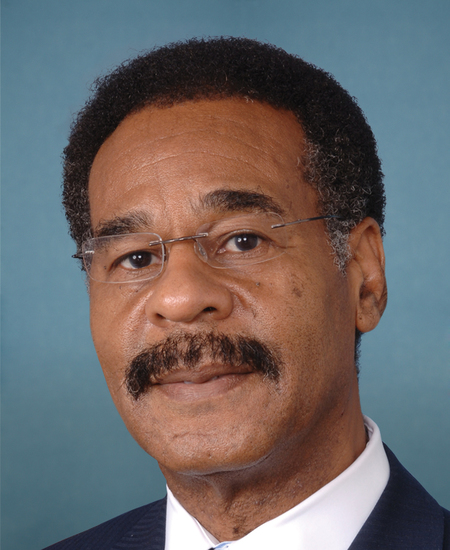
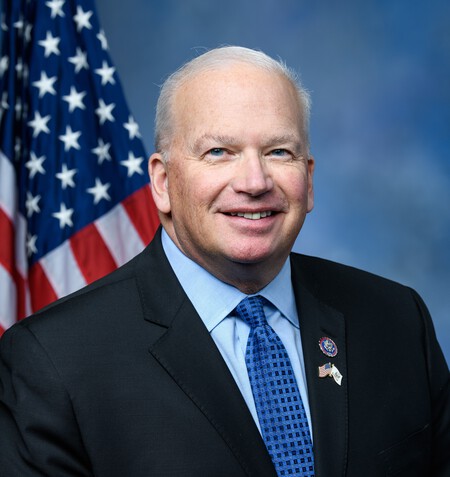
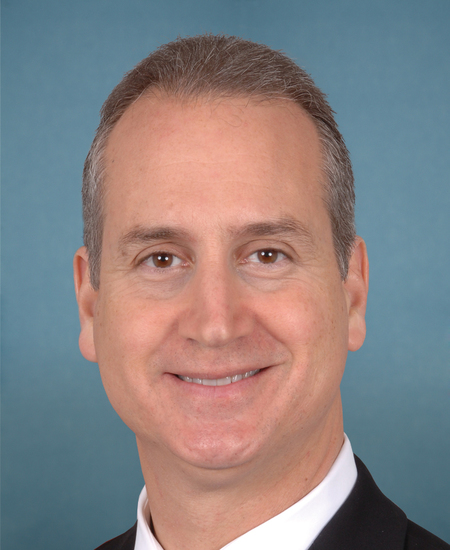
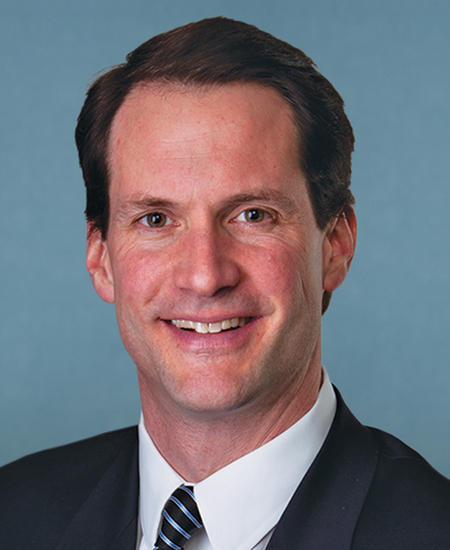
How they voted (404)























380 more members






















































































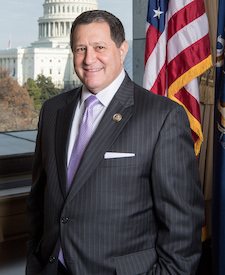













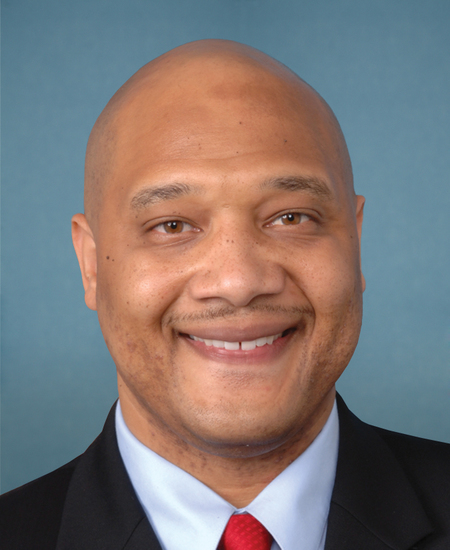


















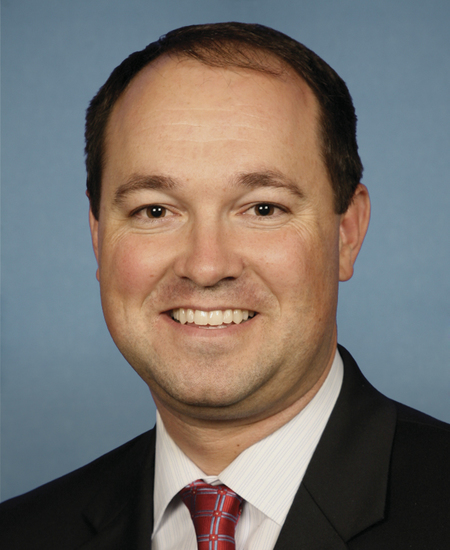







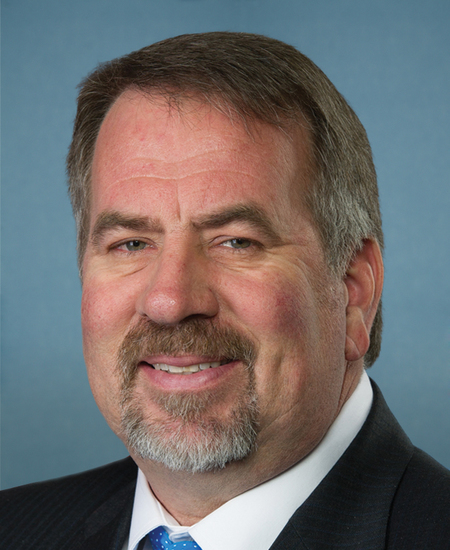










































































































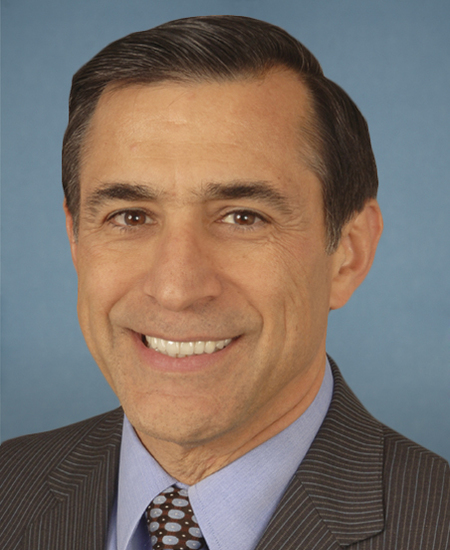











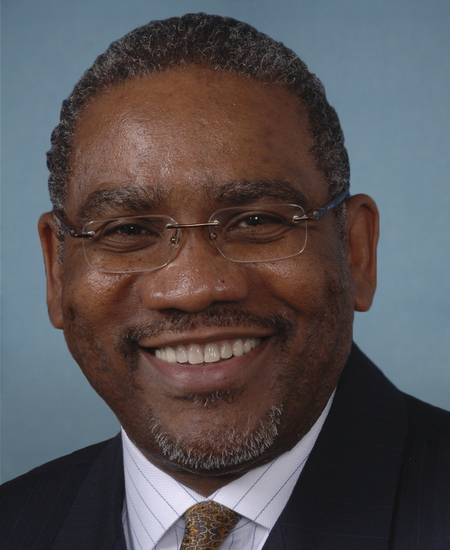



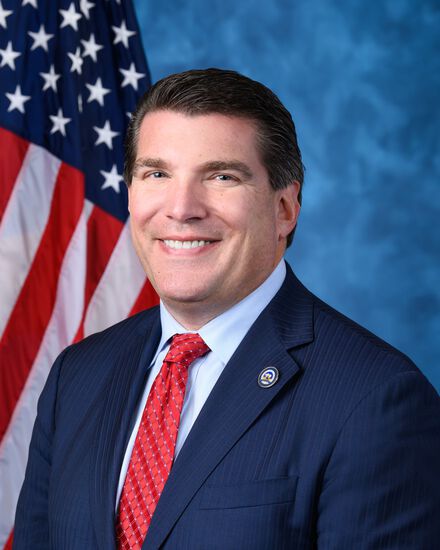





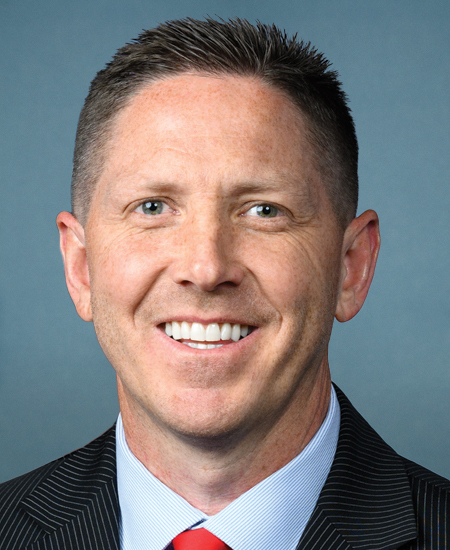


























































































Show 1 earlier roll call
On Passage
Total
433
- Yes
- 230
- No
- 176
- Present
- 0
- Not voting
- 27
- Abstain
- 0
How they voted (1)

Full breakdown
Who this bill affects and the strongest case for and against it, written only from the bill’s own text.
Sponsors
Discoveries
Patterns POLISCOPE noticed across the record. These are observations to investigate, not conclusions.
Focus on Regulatory Impact
The bill specifically mandates an assessment of how government regulations have contributed to a decline in refinery capacity, signaling a legislative interest in deregulation.
Connected Entities
Sources
www.congress.gov
Analysis Score
0–100- Significance45How much this matters to a regular citizen
- Controversy20Intensity of disagreement among stakeholders
- Entertainment5Compellingness for a non-policy-wonk reader
- Buzz15Current news / social attention level
Publisher tools