
The civic record
Read. Follow. Verify.West Virginia allows museums and libraries to claim ownership of abandoned and undocumented property after notice
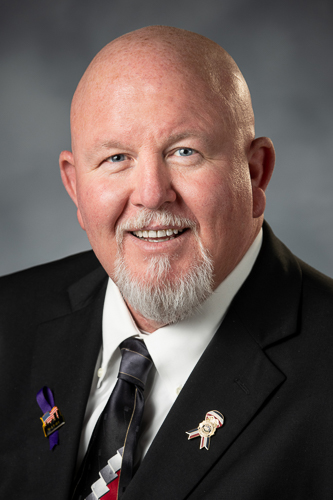
Last action · March 5, 2026: To JudiciarySponsors: J.B. Akers and 2 others
Track this bill to get notified when it advances a stage. One tap to stop, anytime.
What This Bill Proposed
West Virginia allows s such as museums, libraries, and historical societies to acquire clear title to permanent loans, , and unsolicited donations if lenders or owners do not respond within 60 days of official notice. The legislation establishes uniform procedures for notifying lenders by certified mail or publication and authorizes institutions to apply emergency s without prior permission.
Museums, historical societies, and libraries gain a legal mechanism to clear ownership titles for items sitting in their collections indefinitely, while lenders and property owners face a 60-day deadline to claim items after receiving termination or title-assertion notices.
Who It Would Have Affected
Groups the bill's text would have affected, as described in the record. Being affected is not a position for or against it.
Cultural heritage institutions
Museums, libraries, archives, and historical societies gain the legal authority to claim title to unclaimed, undocumented, or abandoned property and to apply emergency conservation measures.
Lenders and property owners
Individuals and entities with property on loan to cultural heritage institutions must respond within 60 days of notice to retain their ownership claims.
Key Facts
You don't have to trust us. Each fact below is taken straight from the official document - click any one to see the exact passage, highlighted in the original.
Frequently Asked Questions
What happens if a lender does not respond to a loan termination notice?
How long must a cultural heritage institution hold undocumented property before asserting title?
Can a museum perform emergency conservation on loaned items without the owner's permission?
What else do you want to know?
News Coverage
Follow the record
Votes, people, money & the original sourceWhere This Stands
This bill did not become law - Died at adjournment · passed the House · in Senate committee.
Procedural history
17 actions- Mar 5, 2026SenateCommitteeTo Judiciary
- Mar 5, 2026SenateCommitteeTo Judiciary
- Mar 5, 2026SenateIntroducedIntroduced in Senate
- Mar 4, 2026HouseCommunicated to Senate
- Mar 4, 2026HouseFloorPassed House (Roll No. 295)
- Mar 4, 2026HouseRead 3rd time
Show 11 earlier actions
- Mar 4, 2026HouseOn 3rd reading, Special Calendar
- Mar 3, 2026HouseRead 2nd time
- Mar 3, 2026HouseOn 2nd reading, Special Calendar
- Mar 2, 2026HouseRead 1st time
- Mar 2, 2026HouseImmediate consideration
- Mar 2, 2026HouseBy substitute, do pass
- Feb 26, 2026HouseMarkup Discussion
- Feb 3, 2026HouseCommitteeTo House Judiciary
- Feb 3, 2026HouseIntroducedIntroduced in House
- Feb 3, 2026HouseCommitteeTo Judiciary
- Feb 3, 2026HouseIntroducedFiled for introduction
Version history
Only one version on file - nothing to compare yet. As later stages (committee substitute, engrossed, enrolled) are captured, the redline appears here.
View official text →Lobbying Activity
No state lobbying filings in our records match this bill. Federal lobbying reports (LDA) cover Congress, so they are not listed on state bills.
Full breakdown
Who this bill affects and the strongest case for and against it, written only from the bill’s own text.
Sponsors


Connected Entities
Sources
www.wvlegislature.gov
Analysis Score
0–100- Significance20Lowered because this bill did not pass (its text scored 60)
- Controversy10Intensity of disagreement among stakeholders
- Entertainment5Compellingness for a non-policy-wonk reader
- Buzz15Current news / social attention level
Publisher tools