
The civic record
Read. Follow. Verify.The BRAIN Act (Bolstering Research And Innovation Now Act)
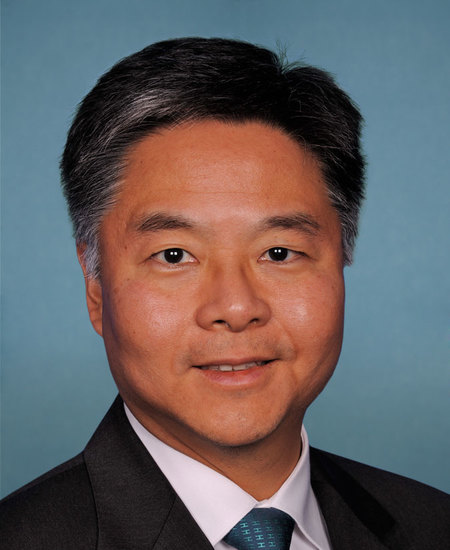
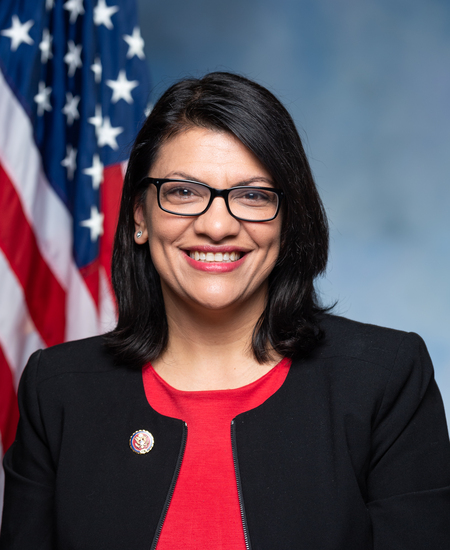
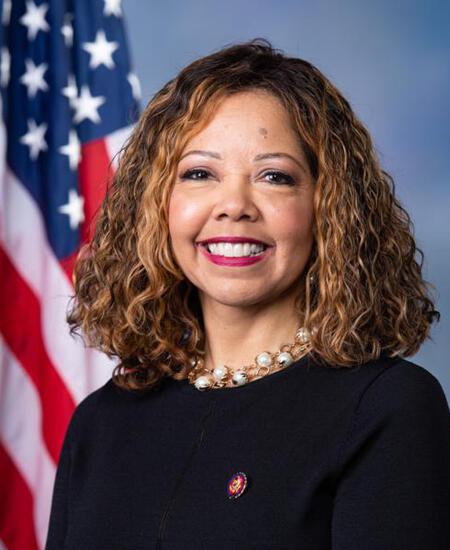
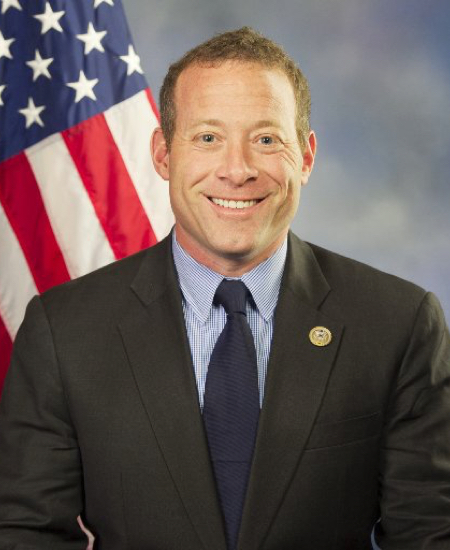
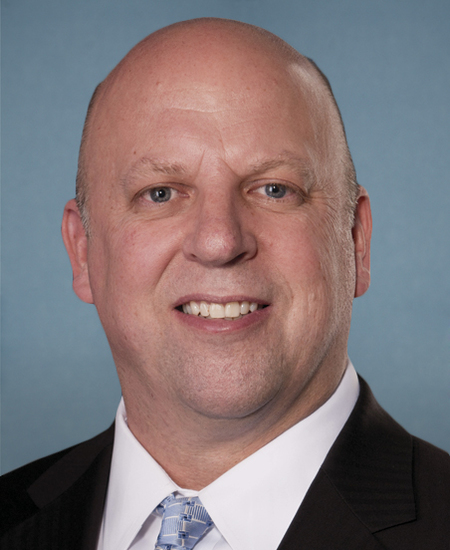
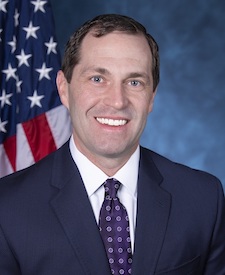
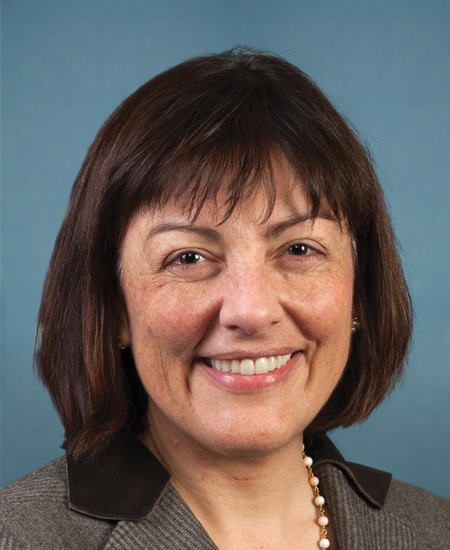
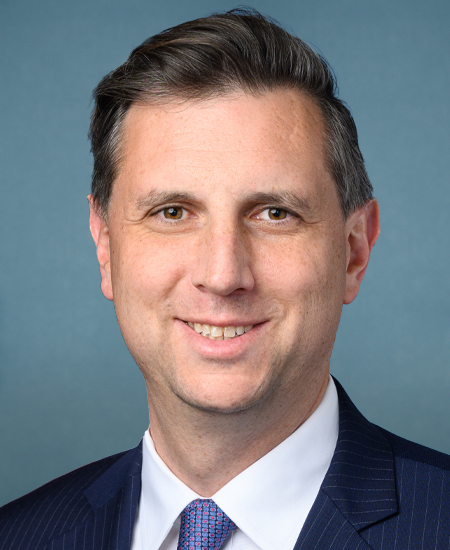
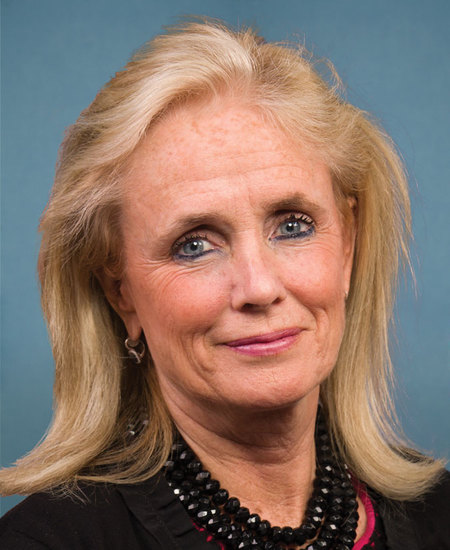
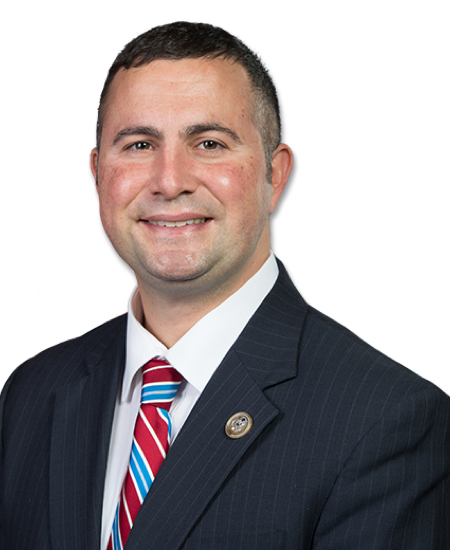
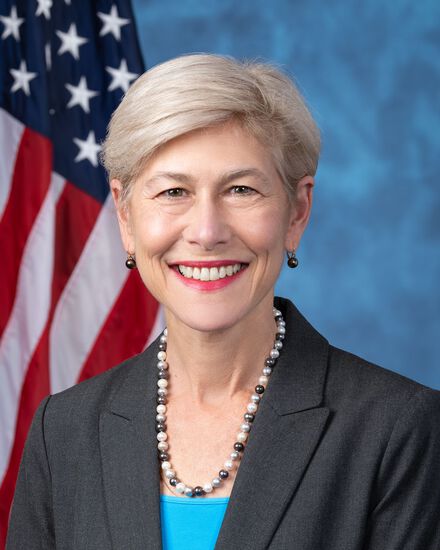
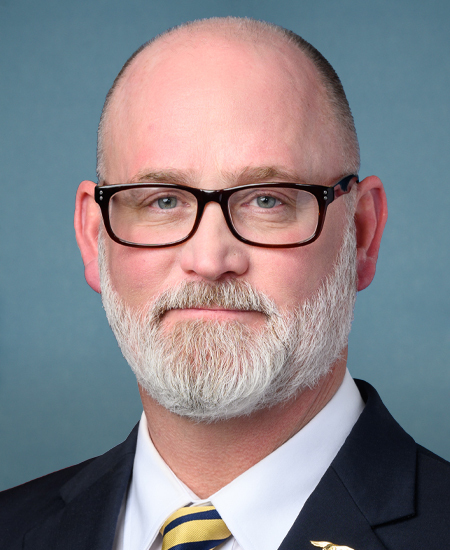
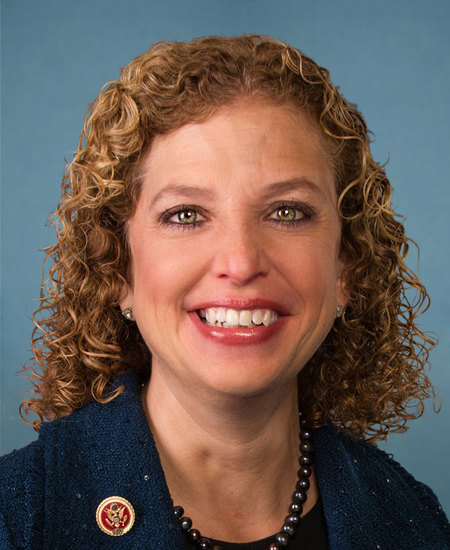
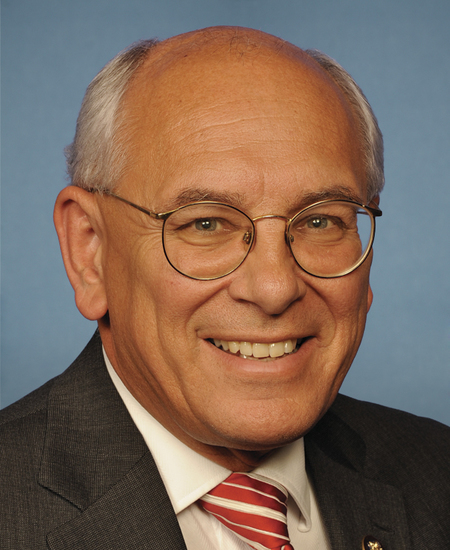
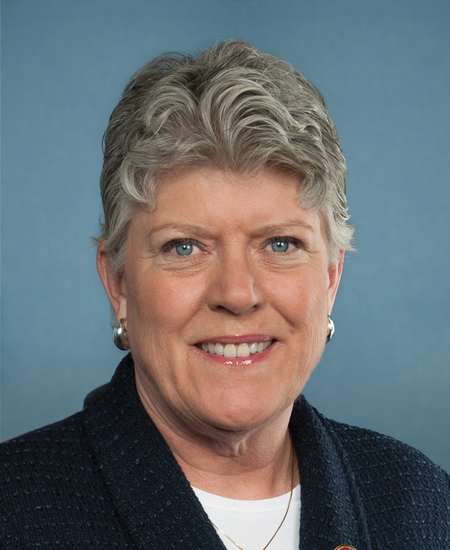
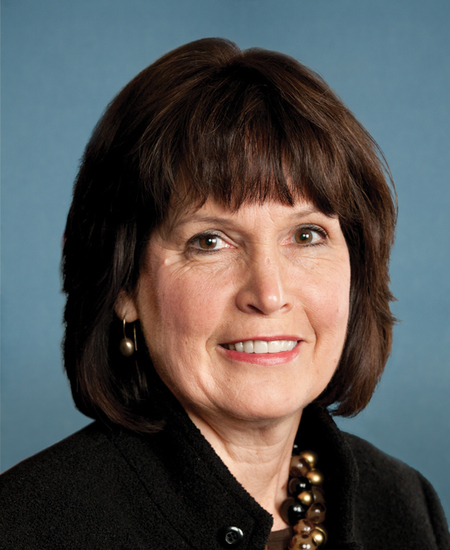
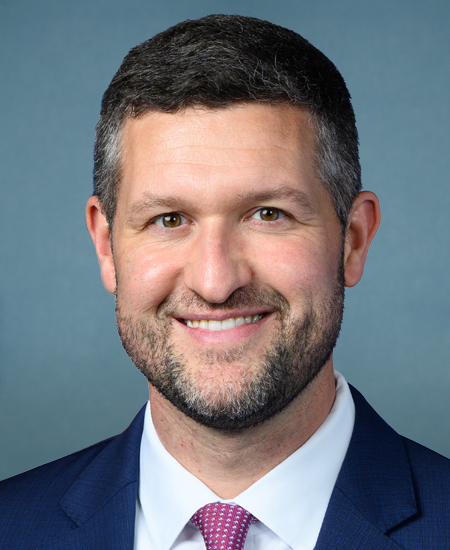
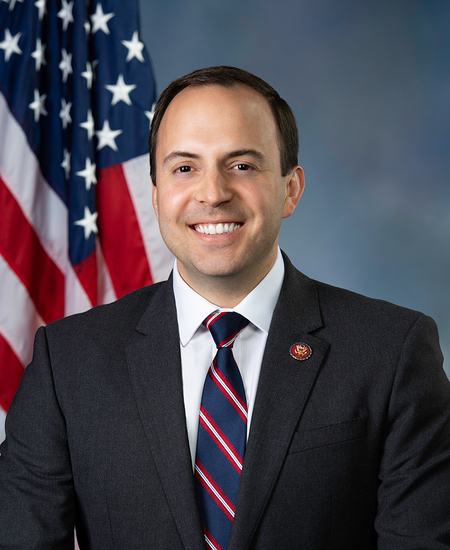
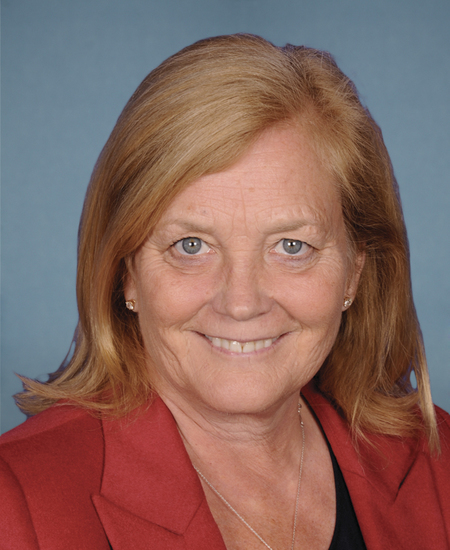
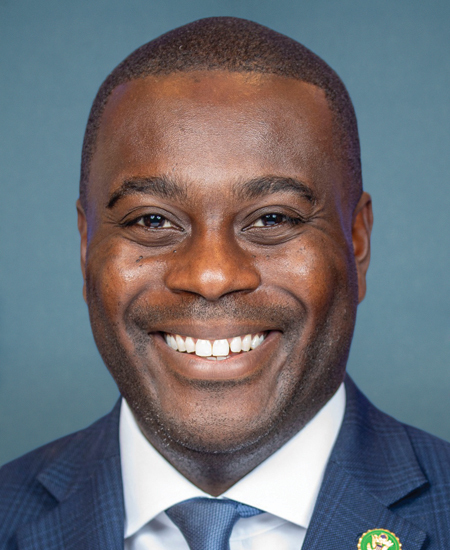
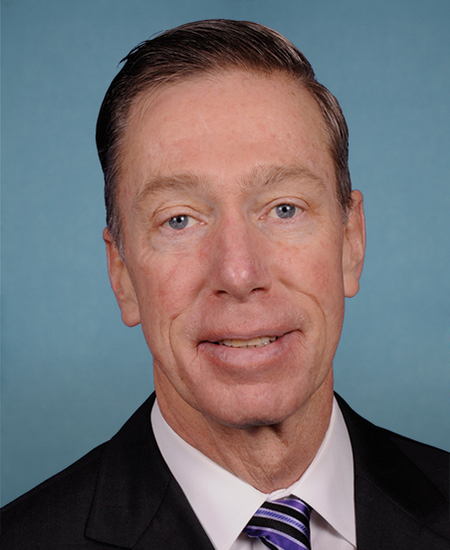
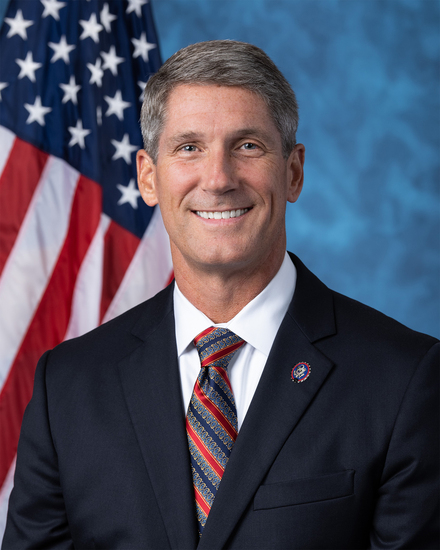
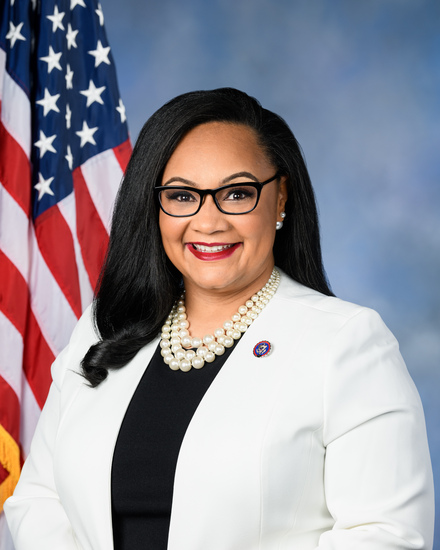
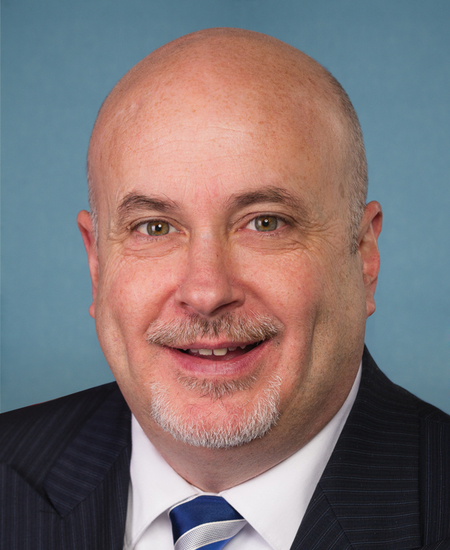
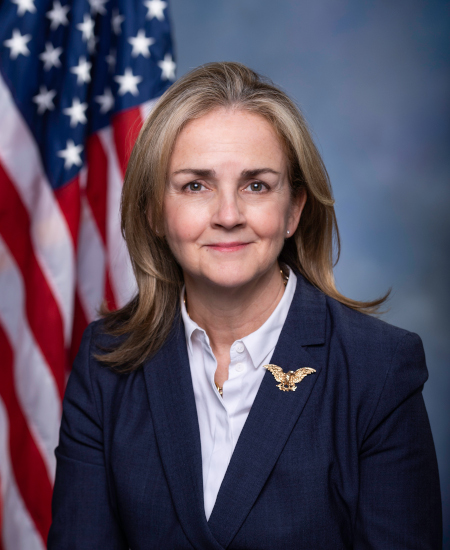
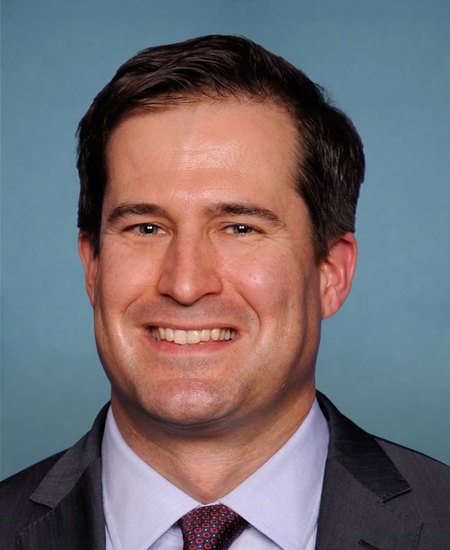
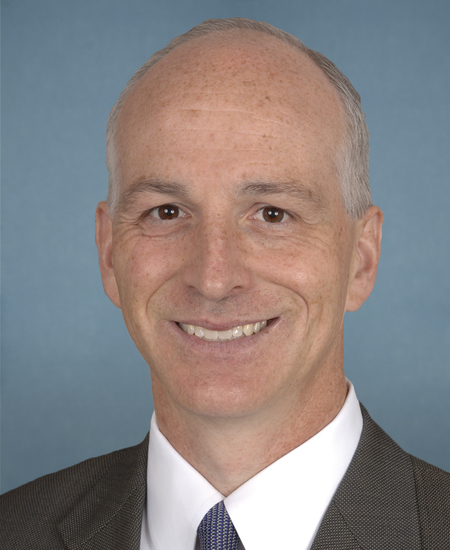
Last action · April 9, 2025: Referred to the House Committee on Energy and Commerce.Sponsors: Brian Fitzpatrick and 70 others
Track this bill to get notified when it advances a stage. One tap to stop, anytime.
What This Bill Would Do
The BRAIN Act proposes new federal initiatives to accelerate research into brain tumor treatments, improve patient access to clinical trials, and increase public awareness of brain cancer. It mandates transparency for NIH-funded collections and authorizes $50 million annually for research networks.
This bill would direct $50 million annually from 2026 to 2030 toward research and establish new reporting requirements for researchers holding NIH-funded brain tumor samples.
Who It Would Affect
Groups the bill's text would affect if enacted, as described in the record. Being affected is not a position for or against it.
Brain tumor patients and survivors
Patients may see increased availability of clinical trials and improved long-term monitoring programs.
Medical research institutions
Institutions holding NIH-funded biospecimens must comply with new reporting requirements or risk losing federal funding.
National Institutes of Health (NIH)
The agency is tasked with managing new research networks, maintaining public databases, and enforcing reporting compliance.
Key Facts
- Authorizes $50 million in annual appropriations for fiscal years 2026 through 2030 for the Glioblastoma Therapeutics Network.
- Requires individuals or entities holding NIH-funded brain tumor biospecimens to report them to the NIH within 180 days of enactment.
- Requires reporting of new NIH-funded biospecimen collections within 60 days of acquisition.
- Directs the NIH to establish a searchable public website for information on existing brain tumor biospecimen collections.
Show all 10 facts
- Authorizes the NIH to withhold funding from entities that repeatedly or egregiously fail to report biospecimen collections.
- Establishes a 'Glioblastoma Therapeutics Network' to evaluate therapeutic agents from pre-clinical development through early-phase human trials.
- Creates a 'Team Science Award' to support multi-institutional research into cellular immunotherapy (including CAR-T) for brain tumors.
- Directs the FDA to issue guidance aimed at ensuring brain tumor patient access to clinical trials.
- Mandates a national public awareness campaign regarding cancer clinical trials and biomarker testing.
- Requires the development of pilot programs to study and improve monitoring and care for brain tumor survivors.
Frequently Asked Questions
What is the main goal of the BRAIN Act?
How will the bill affect researchers who have brain tumor samples?
What is the Glioblastoma Therapeutics Network?
What else do you want to know?
News Coverage
Follow the record
Votes, people, money & the original sourceWhere This Stands
Currently in committee. The next step in the legislative lifecycle is Floor Vote.
Procedural history
2 actions- Apr 9, 2025HouseCommitteeReferred to the House Committee on Energy and Commerce.
- Apr 9, 2025HouseIntroducedIntroduced in House
Version history
Only one version on file - nothing to compare yet. As later stages (committee substitute, engrossed, enrolled) are captured, the redline appears here.
View official text →Lobbying Activity
The Cleveland Clinic Foundation
on behalf of Cleveland Clinic Foundation
2026
“Quantum computing Immigration Issues National Institute of Health CHILDReN Act EARLY Minds Act Interoperability Issues Brain Health 340B Graduate Medical Education Workforce Issues Payer Accountability Organ Transplant Legislation Healthy Competition Act Price Transparency ”
HEALTH AND MEDICINE COUNSEL, LLC
on behalf of VOICES AGAINST BRAIN CANCER
Cleveland Clinic Foundation
2024
“Telehealth Artificial intelligence Quantum legislation National Institutes of Health Reform Medical Nutrition Therapy Act The REDUCE Act Amputation Reduction and Compassion Act Affordable housing School-based health Food insecurity Breast cancer innovation Traumatic Brain Injury Technology Graduate Medical Education Reform Wage index Tax Exempt Status ”
Cleveland Clinic Foundation
on behalf of The Cleveland Clinic Foundation
2022
“SANE Act Telehealth (H.R.4040) Hospital-at-Home Food insecurity NQF Funding Brain Health NIH Reform No Surprise Act implementation ”
Full breakdown
Who this bill affects and the strongest case for and against it, written only from the bill’s own text.
Sponsors
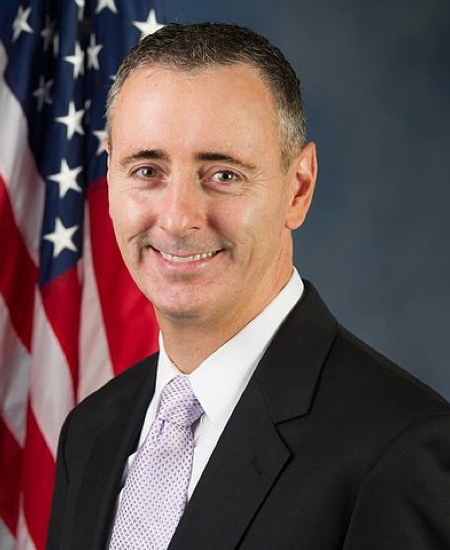
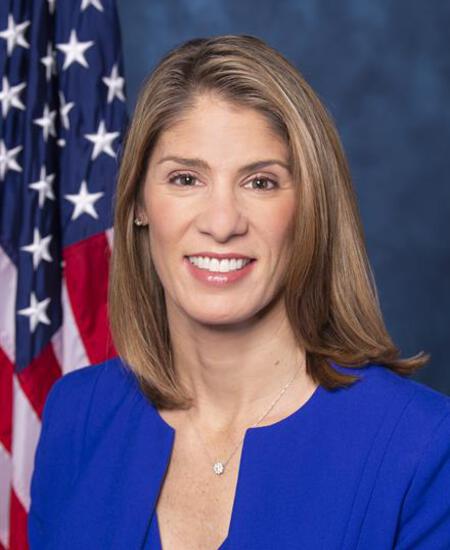
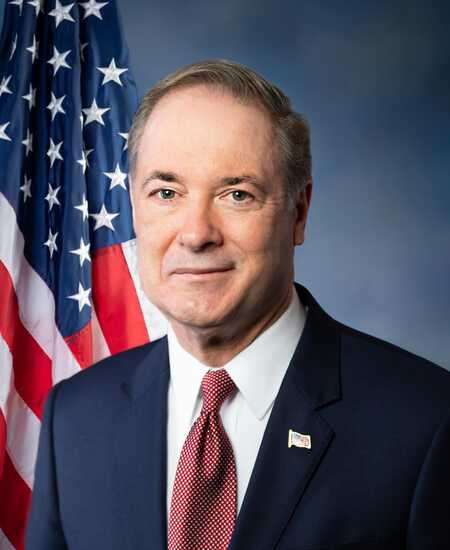

Show 66 more sponsors

































Discoveries
Patterns POLISCOPE noticed across the record. These are observations to investigate, not conclusions.
Increased Oversight of Research Samples
The bill marks a shift toward mandatory public disclosure and centralized tracking of NIH-funded biospecimens.
Connected Entities
Sources
www.congress.gov
Analysis Score
0–100- Significance75How much this matters to a regular citizen
- Controversy10Intensity of disagreement among stakeholders
- Entertainment5Compellingness for a non-policy-wonk reader
- Buzz30Current news / social attention level
Publisher tools