
The civic record
Read. Follow. Verify.Federal Bill Prohibits Misleading Recycled Content Claims and Authorizes Mass Balance Accounting
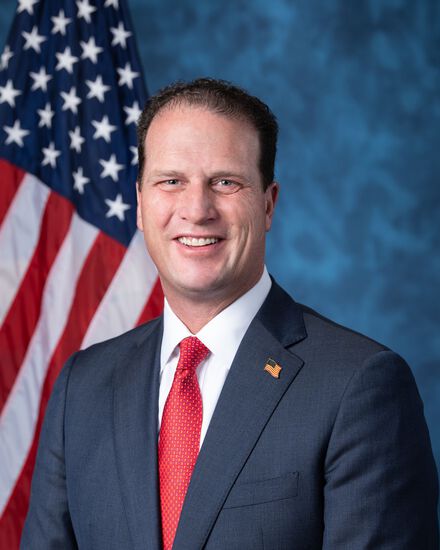
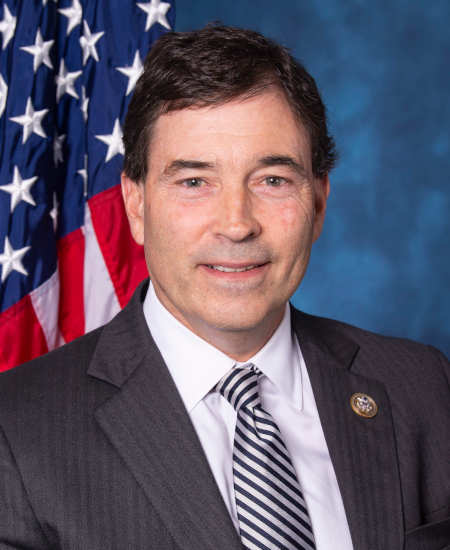
Last action · September 16, 2026: Ordered to be Reported by the Yeas and Nays: 28 - 0.Sponsors: Nicholas Langworthy and 13 others
Track this bill to get notified when it advances a stage. One tap to stop, anytime.
What This Bill Would Do
The Recycled Materials Attribution Act of 2026 prohibits manufacturers and sellers from making misleading recycled content claims in product advertising and marketing, while officially recognizing as a valid substantiation method when verified by a third-party certification system. The legislation directs the Federal Trade Commission to update its within one year and establishes over state laws regarding recycled content claims.
Manufacturers must comply with federal standards for substantiating recycled content claims and navigate FTC enforcement, while state-level advertising regulations on recycled materials are preempted by the new federal framework.
- The Federal Trade Commission's 'Green Guides' are non-binding guidance documents originally issued to help marketers avoid making misleading environmental claims. context
- Mass balance accounting is increasingly utilized in manufacturing supply chains to track sustainable inputs like recycled plastics and bio-based materials that are physically mixed with conventional feedstocks. context
Who It Would Affect
Groups the bill's text would affect if enacted, as described in the record. Being affected is not a position for or against it.
Manufacturers and Advertisers
Manufacturers and advertisers must comply with federal prohibitions against misleading recycled content claims and adhere to third-party certification rules when utilizing mass balance accounting.
Federal Trade Commission
The Commission is required to update the Green Guides within one year and enforce restrictions on misleading recycled content claims under the Federal Trade Commission Act.
State Governments
State and local governments are prohibited from maintaining or enforcing separate laws or regulations related to the prohibition and enforcement provisions established by the Act.
Key Facts
You don't have to trust us. Each fact below is taken straight from the official document - click any one to see the exact passage, highlighted in the original.
Frequently Asked Questions
What is mass balance accounting under this bill?
Can fuels be marketed as recycled content?
How will these rules be enforced?
Does this bill affect state laws regarding recycled content claims?
What else do you want to know?
News Coverage
Support of The Recycled Materials Attribution Act of 2026 and The Packaging Claims and Knowledge Act
Bias ratings based on AllSides / Media Bias/Fact Check
Follow the record
Votes, people, money & the original sourceWhere This Stands
Currently in committee. The next step in the legislative lifecycle is Floor Vote.
Procedural history
7 actions- Sep 16, 2026HouseCommitteeOrdered to be Reported by the Yeas and Nays: 28 - 0.
- Sep 16, 2026HouseCommittee Consideration and Mark-up Session Held
- Sep 1, 2026HouseForwarded by Subcommittee to Full Committee (Amended) by Voice Vote.
- Sep 1, 2026HouseSubcommittee Consideration and Mark-up Session Held
- Feb 11, 2026HouseCommitteeReferred to the Subcommittee on Commerce, Manufacturing, and Trade.
- Feb 11, 2026HouseCommitteeReferred to the House Committee on Energy and Commerce.
Show 1 earlier action
- Feb 11, 2026HouseIntroducedIntroduced in House
Version history
Only one version on file - nothing to compare yet. As later stages (committee substitute, engrossed, enrolled) are captured, the redline appears here.
View official text →Full breakdown
Who this bill affects and the strongest case for and against it, written only from the bill’s own text.
Sponsors
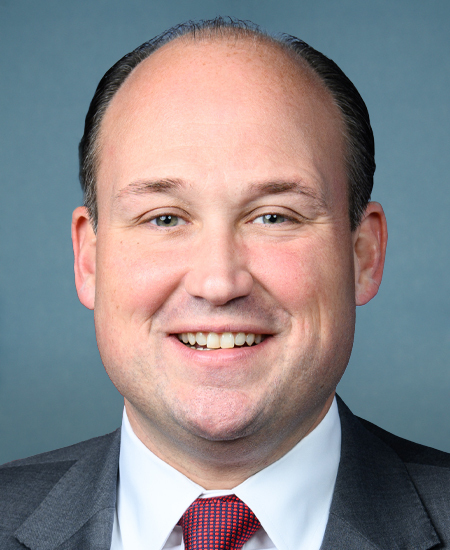

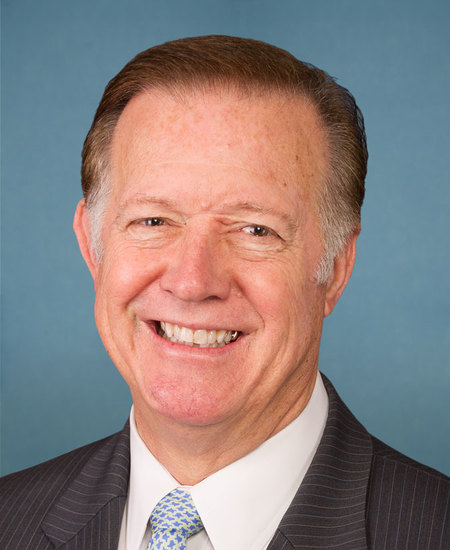


Show 9 more sponsors


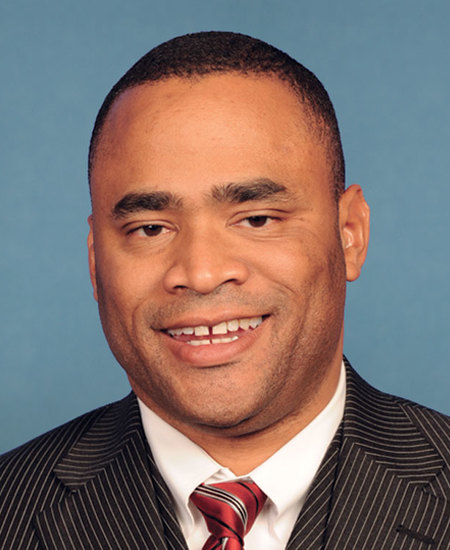
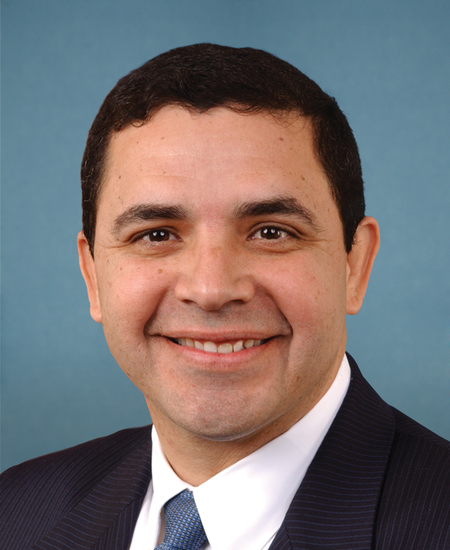


Discoveries
Patterns POLISCOPE noticed across the record. These are observations to investigate, not conclusions.
Establishment of Uniform Federal Recycling Standards
The legislation shifts oversight of recycled content claims to a unified federal framework under the FTC and explicitly bars states from maintaining conflicting regulations.
Connected Entities
Sources
www.congress.gov
Analysis Score
0–100- Significance75How much this matters to a regular citizen
- Controversy60Intensity of disagreement among stakeholders
- Entertainment10Compellingness for a non-policy-wonk reader
- Buzz45Current news / social attention level
Publisher tools