
The civic record
Read. Follow. Verify.SUPPORT for Patients and Communities Reauthorization Act of 2025
Last action · December 1, 2025: Became Public Law No: 119-44.Sponsors: Brett Guthrie and 1 other
Track this bill to get notified when it advances a stage. One tap to stop, anytime.
What This Bill Does
This law reauthorizes federal programs focused on preventing, treating, and supporting recovery from opioid use disorders and other substance abuse issues. It extends funding and updates guidelines for various public health initiatives, including prenatal care, overdose prevention, and workforce training for addiction specialists through 2030.
This act secures federal funding and legal authority for national addiction prevention and treatment programs through 2030, directly impacting the availability of grants for states, tribes, and healthcare providers addressing the opioid crisis.
Who It Affects
Groups the bill's text affects, as described in the record. Being affected is not a position for or against it.
State and Tribal governments
They are eligible to receive grants for opioid use disorder response and prevention projects.
Healthcare providers
Prescribers of controlled substances are subject to new mandatory training requirements.
Pregnant and postpartum women
The act provides for residential treatment programs specifically tailored to their needs.
Key Facts
- Reauthorizes federal opioid use disorder prevention, treatment, and recovery programs through fiscal year 2030.
- Increases annual authorization for overdose prevention programs (Section 392A) to $505,579,000 for fiscal years 2026–2030.
- Allocates $4,250,000 annually for fiscal years 2026–2030 for prenatal and postnatal health programs.
- Expands overdose prevention strategies to include wastewater surveillance and monitoring of emerging substances.
Show all 10 facts
- Updates the Fetal Alcohol Spectrum Disorder (FASD) prevention and services program to include public awareness, diagnostic research, and intervention strategies.
- Mandates training for prescribers of controlled substances.
- Establishes or continues programs for residential treatment for pregnant and postpartum women.
- Creates loan repayment programs for the substance use disorder treatment workforce.
- Includes provisions for protecting the suicide prevention lifeline from cybersecurity threats.
- Requires the development of model training programs for handling substance use disorder patient records.
Frequently Asked Questions
How long does this funding last?
Does this law change how doctors prescribe controlled substances?
What new technologies are mentioned for overdose prevention?
What else do you want to know?
News Coverage
Follow the record
Votes, people, money & the original sourceWhere This Stands
Current status: Signed into law.
Procedural history
40 actions- Dec 1, 2025PresidentEnrolledBecame Public Law No: 119-44.
- Dec 1, 2025PresidentEnrolledBecame Public Law No: 119-44
- Dec 1, 2025PresidentEnrolledSigned by President.
- Nov 25, 2025PresidentEnrolledPresented to President.
- Sep 19, 2025SenateMessage on Senate action sent to the House.
- Sep 18, 2025SenateFloorPassed Senate without amendment by Unanimous Consent. (consideration: CR S6712)
Show 34 earlier actions
- Sep 18, 2025SenateFloorPassed/agreed to in Senate: Passed Senate without amendment by Unanimous Consent.
- Sep 18, 2025SenateSenate Committee on Health, Education, Labor, and Pensions discharged by Unanimous Consent.
- Jun 5, 2025SenateCommitteeReceived in the Senate and Read twice and referred to the Committee on Health, Education, Labor, and Pensions.
- Jun 4, 2025HouseMotion to reconsider laid on the table Agreed to without objection.
- Jun 4, 2025HouseFloorOn passage Passed by the Yeas and Nays: 366 - 57 (Roll no. 151).
- Jun 4, 2025HouseFloorPassed/agreed to in House: On passage Passed by the Yeas and Nays: 366 - 57 (Roll no. 151).
- Jun 4, 2025HouseThe House adopted the amendments en gros as agreed to by the Committee of the Whole House on the state of the Union.
- Jun 4, 2025HouseThe previous question was ordered pursuant to the rule.
- Jun 4, 2025HouseThe House rose from the Committee of the Whole House on the state of the Union to report H.R. 2483.
- Jun 4, 2025HouseThe House resolved into Committee of the Whole House on the state of the Union for further consideration.
- Jun 4, 2025HouseConsidered as unfinished business. (consideration: CR H2456-2457)
- Jun 4, 2025HouseCommittee of the Whole House on the state of the Union rises leaving H.R. 2483 as unfinished business.
- Jun 4, 2025HouseOn motion that the committee rise Agreed to by voice vote.
- Jun 4, 2025HouseMr. Wittman moved that the committee rise.
- Jun 4, 2025HouseDEBATE - Pursuant to the provisions of H.Res. 458, the Committee of the Whole proceeded with 10 minutes of debate on the Wittman amendment No. 4.
- Jun 4, 2025HousePOSTPONED PROCEEDINGS - At the conclusion of debate on the Pettersen amendment, the Chair put the question on agreeing to the amendment and by voice vote, announced the noes had prevailed. Ms. Pettersen demanded a recorded vote, and the Chair postponed further proceedings until a time to be announced.
- Jun 4, 2025HouseDEBATE - Pursuant to the provisions of H.Res. 458, the Committee of the Whole proceeded with 10 minutes of debate on the Pettersen amendment No. 3.
- Jun 4, 2025HouseDEBATE - Pursuant to the provisions of H.Res. 458, the Committee of the Whole proceeded with 10 minutes of debate on the Kiggans (VA) amendment No. 2.
- Jun 4, 2025HouseDEBATE - Pursuant to the provisions of H.Res. 458, the Committee of the Whole proceeded with 10 minutes of debate on the Bresnahan amendment No. 1.
- Jun 4, 2025HouseGENERAL DEBATE - The Committee of the Whole proceeded with one hour of general debate on H.R. 2483.
- Jun 4, 2025HouseThe Speaker designated the Honorable Scott DesJarlais to act as Chairman of the Committee.
- Jun 4, 2025HouseHouse resolved itself into the Committee of the Whole House on the state of the Union pursuant to H. Res. 458 and Rule XVIII.
- Jun 4, 2025HouseRule provides for consideration of H.R. 2483, H.R. 2931, H.R. 2966 and H.R. 2987. The resolution provides for consideration of H.R. 2483 under a structured rule and for consideration of H.R. 2931, H.R. 2966, and H.R. 2987 under a closed rule. The resolution provides for one hour of debate and one motion to recommit on each bill.
- Jun 4, 2025HouseConsidered under the provisions of rule H. Res. 458. (consideration: CR H2441-2456; text: CR H2447-2543)
- Jun 3, 2025HouseRules Committee Resolution H. Res. 458 Reported to House. Rule provides for consideration of H.R. 2483, H.R. 2931, H.R. 2966 and H.R. 2987. The resolution provides for consideration of H.R. 2483 under a structured rule and for consideration of H.R. 2931, H.R. 2966, and H.R. 2987 under a closed rule. The resolution provides for one hour of debate and one motion to recommit on each bill.
- May 29, 2025HousePlaced on the Union Calendar, Calendar No. 84.
- May 29, 2025HouseCommittee on Financial Services discharged.
- May 29, 2025HouseCommittee on the Judiciary discharged.
- May 29, 2025HouseCommittee on Education and Workforce discharged.
- May 29, 2025HouseReported (Amended) by the Committee on Energy and Commerce. H. Rept. 119-114, Part I.
- Apr 29, 2025HouseCommitteeOrdered to be Reported (Amended) by the Yeas and Nays: 36 - 13.
- Apr 29, 2025HouseCommittee Consideration and Mark-up Session Held
- Mar 31, 2025HouseCommitteeReferred to the Committee on Energy and Commerce, and in addition to the Committees on Education and Workforce, the Judiciary, and Financial Services, for a period to be subsequently determined by the Speaker, in each case for consideration of such provisions as fall within the jurisdiction of the committee concerned.
- Mar 31, 2025HouseIntroducedIntroduced in House
Version history
Only one version on file - nothing to compare yet. As later stages (committee substitute, engrossed, enrolled) are captured, the redline appears here.
View official text →Voting Record
Total
423
- Yes
- 366
- No
- 57
- Present
- 0
- Not voting
- 0
- Abstain
- 0
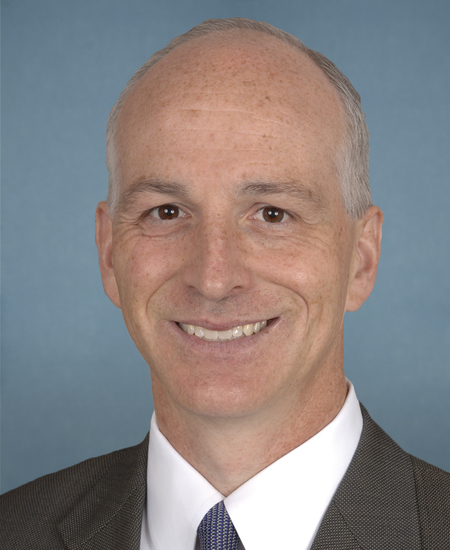
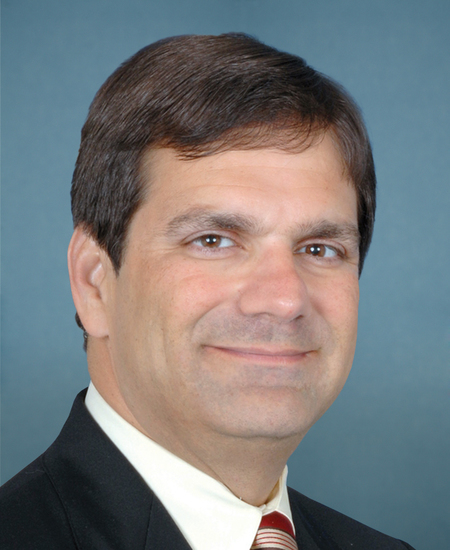
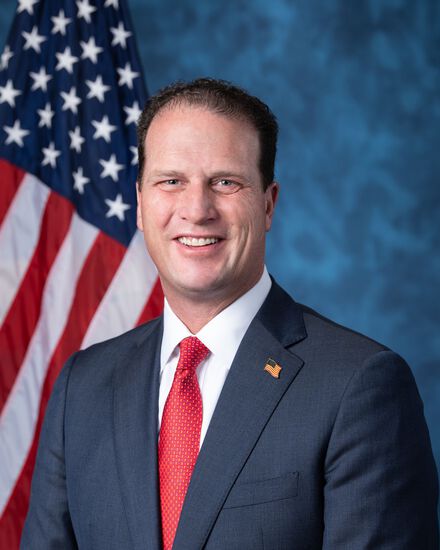
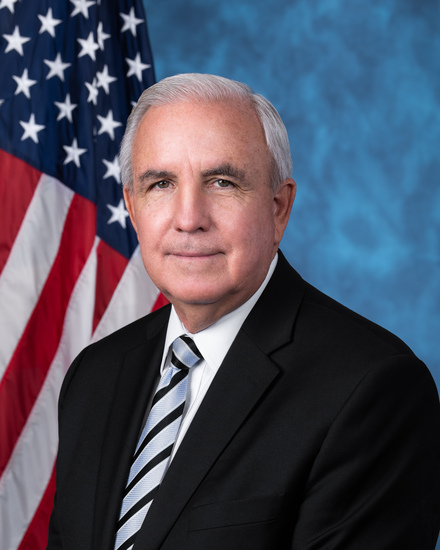
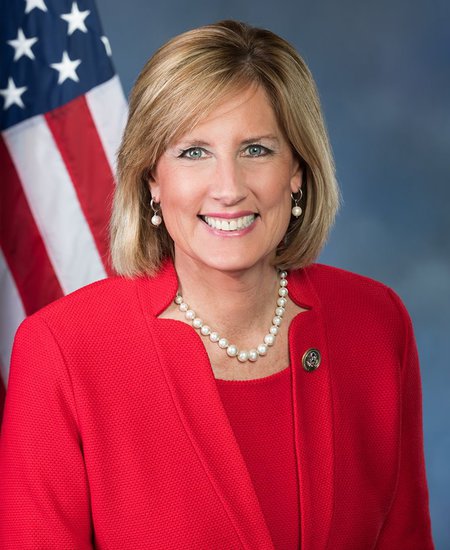
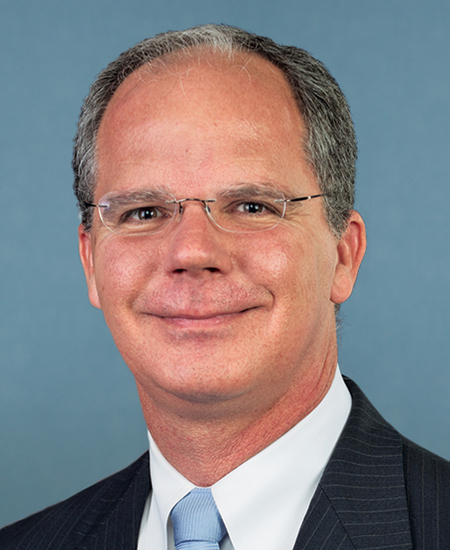
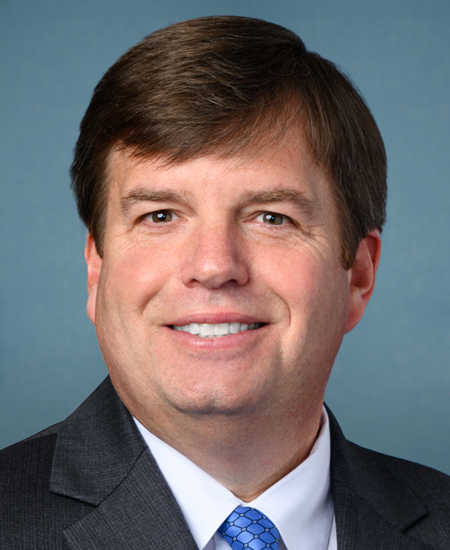
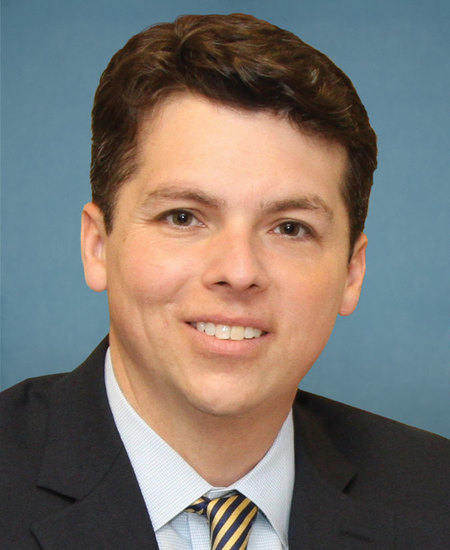
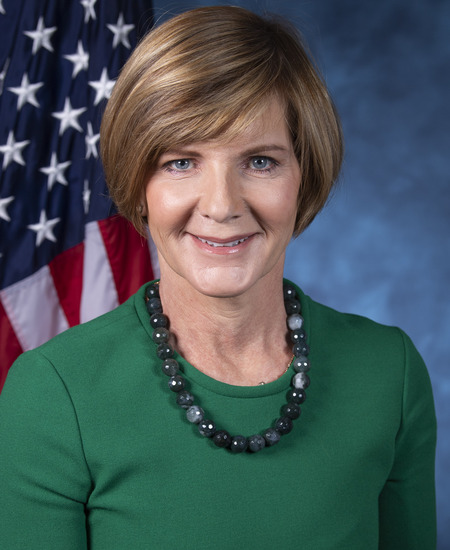
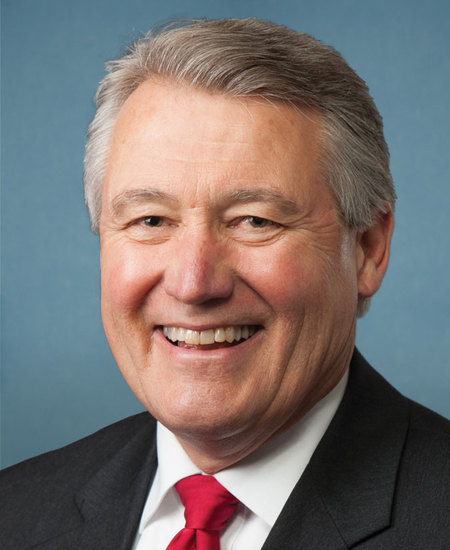
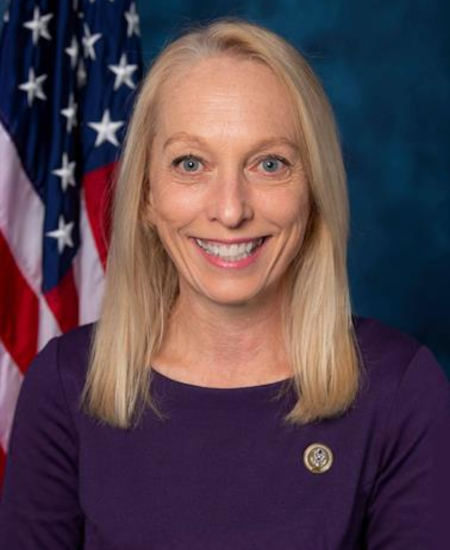
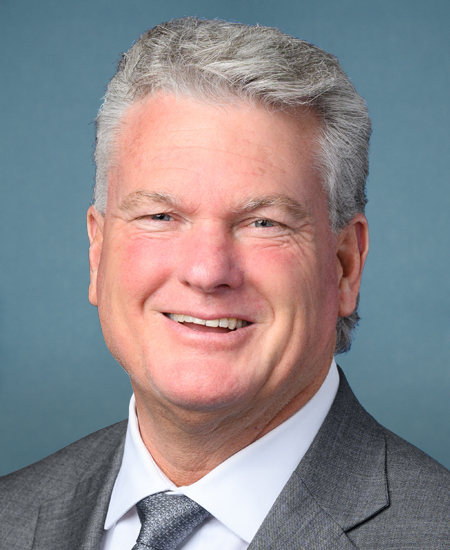
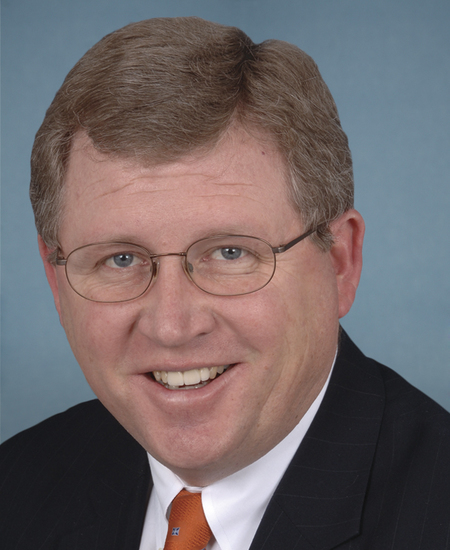
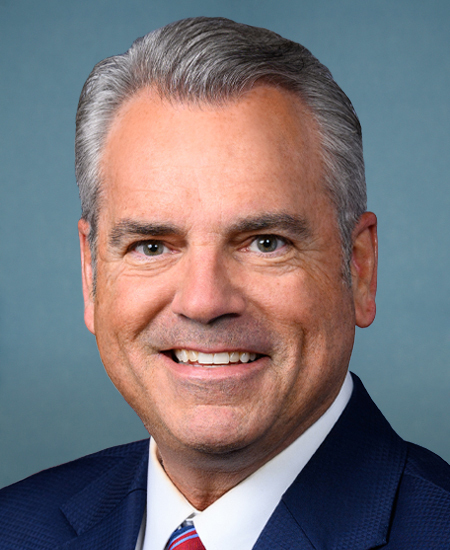
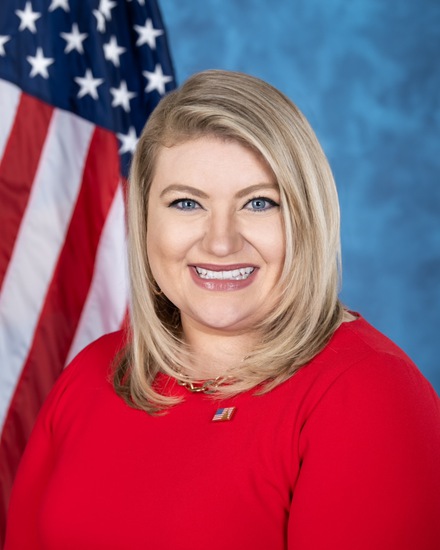
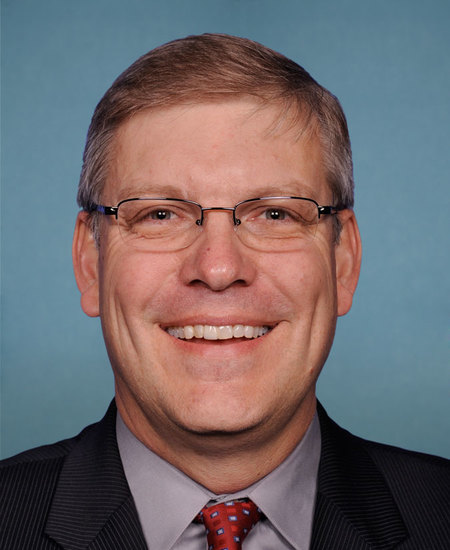
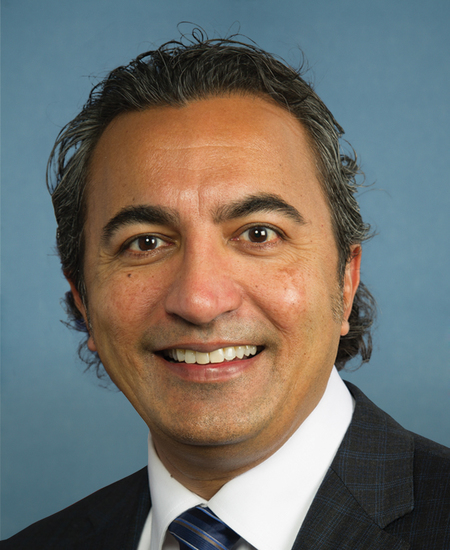
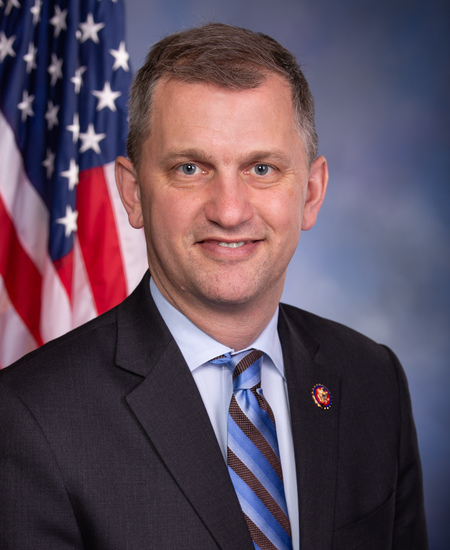
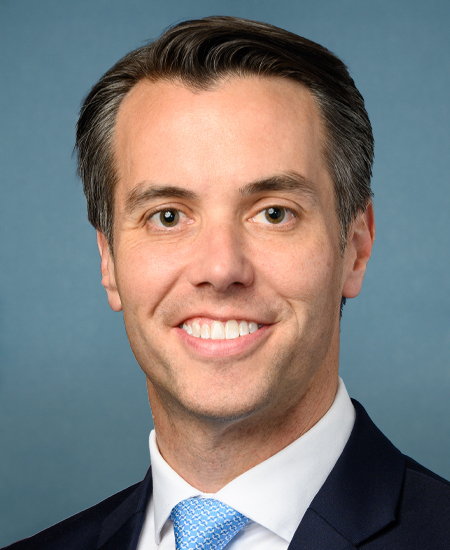
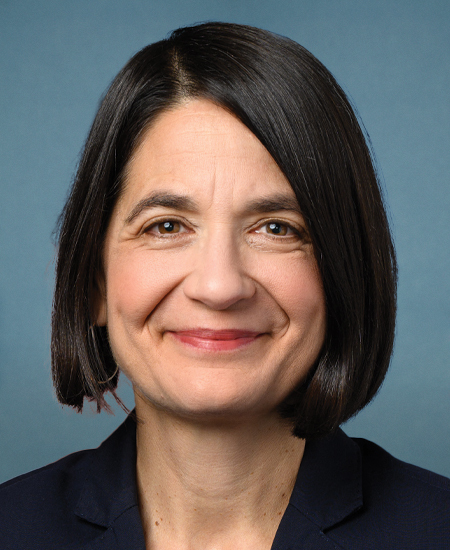
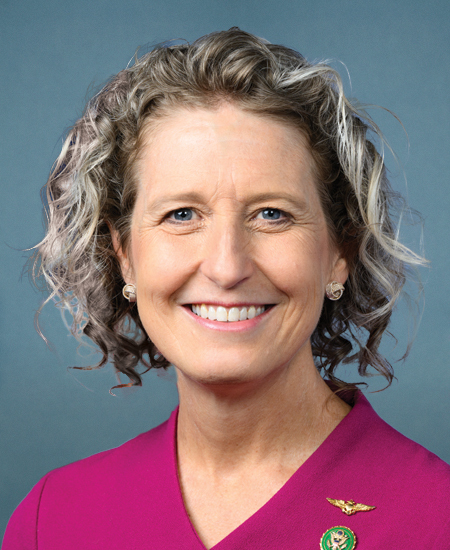
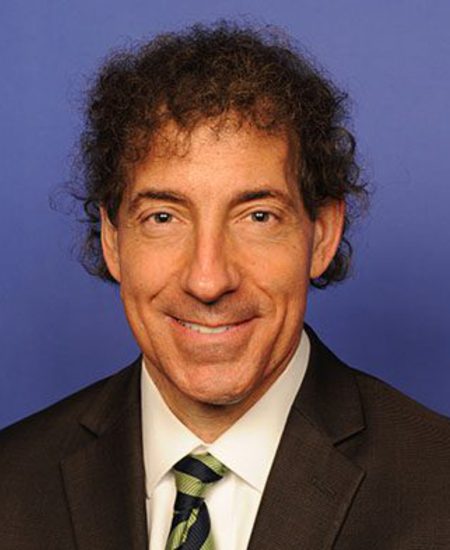
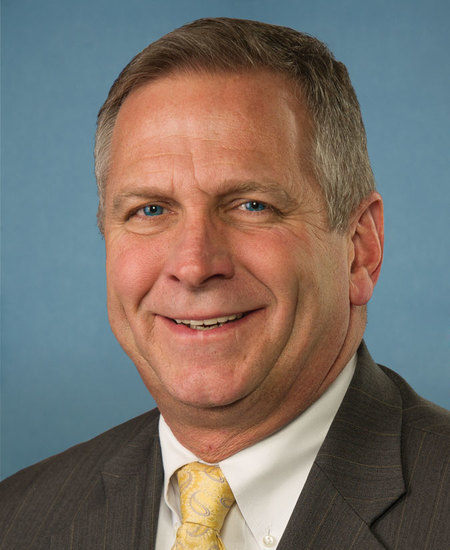
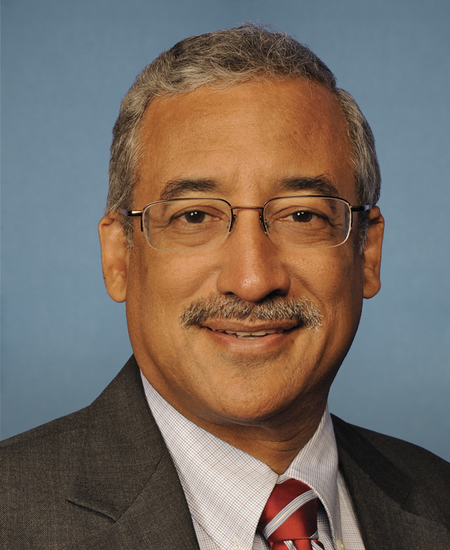
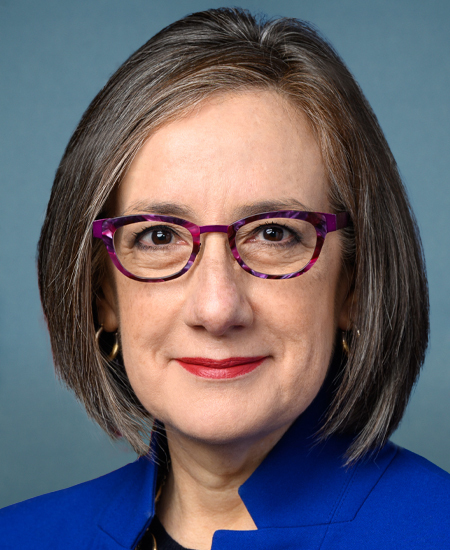
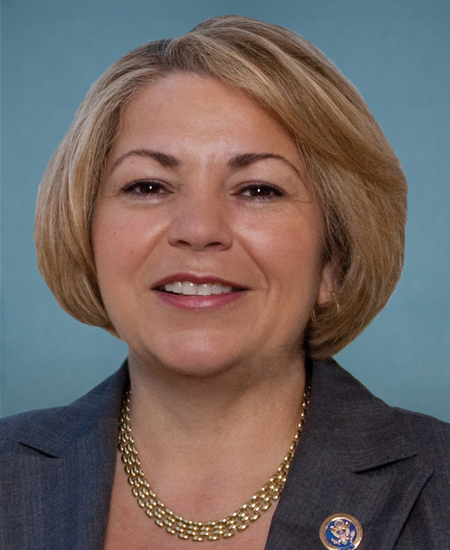
How they voted (423)
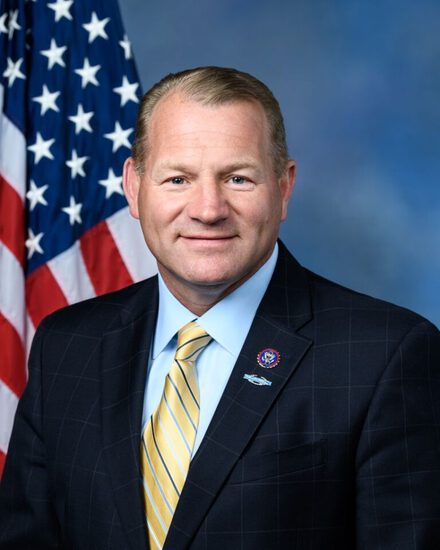


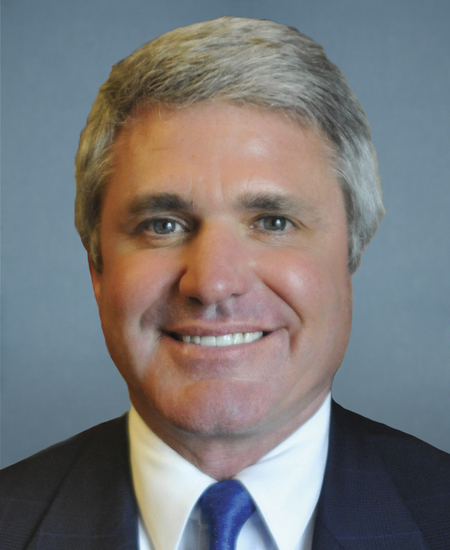
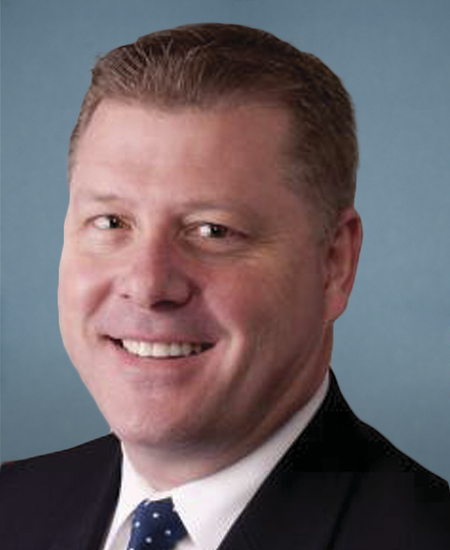


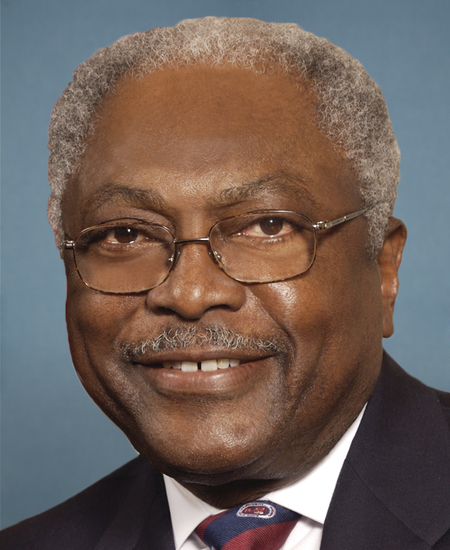






399 more members
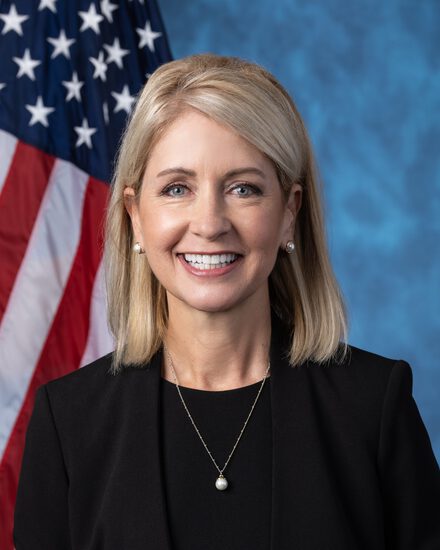
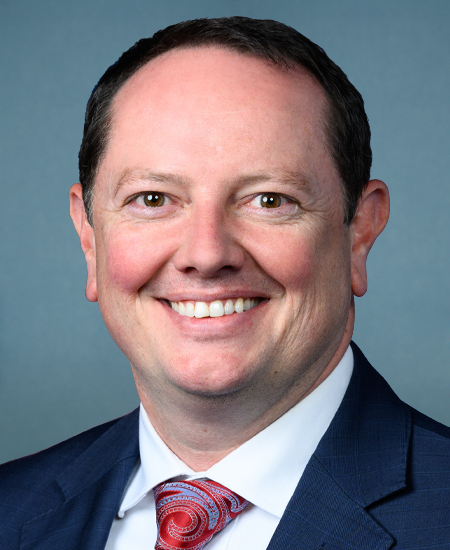
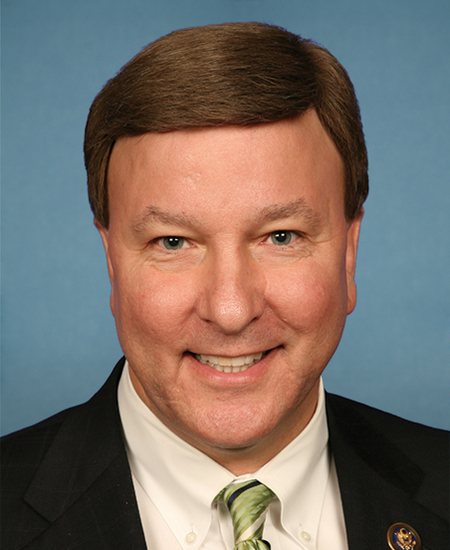
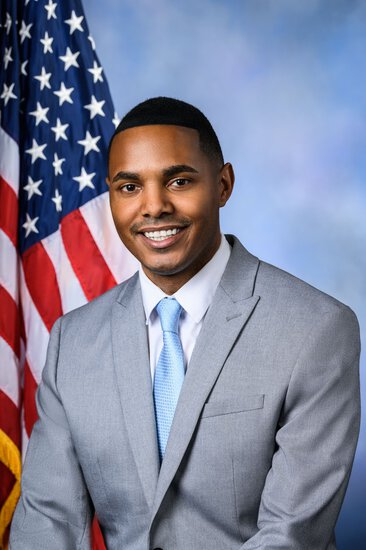






















































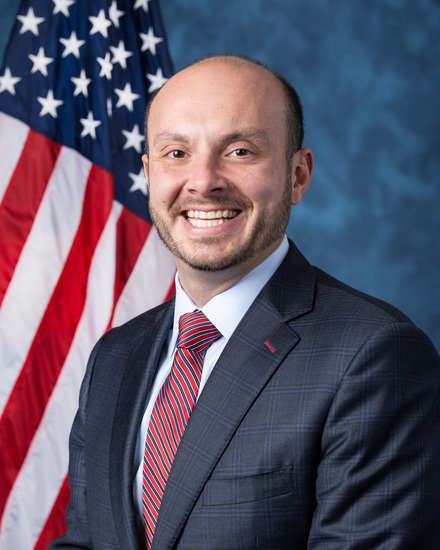

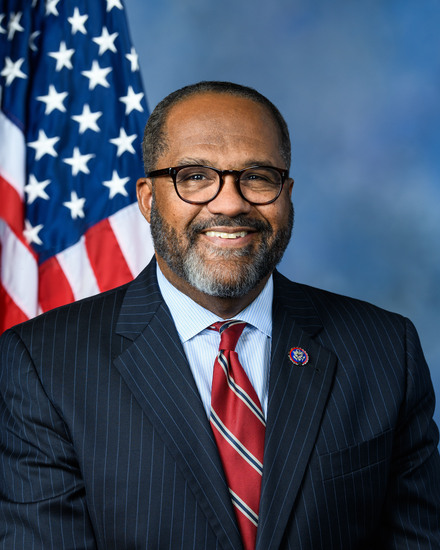
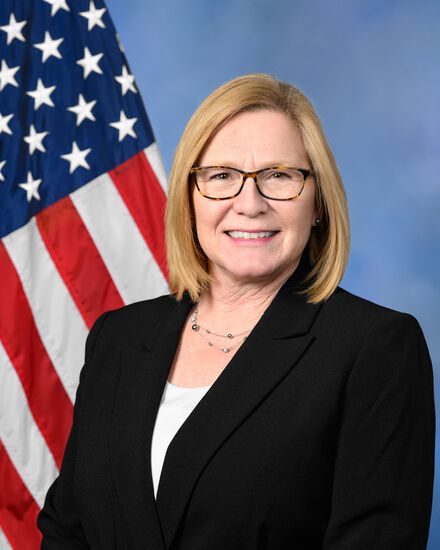

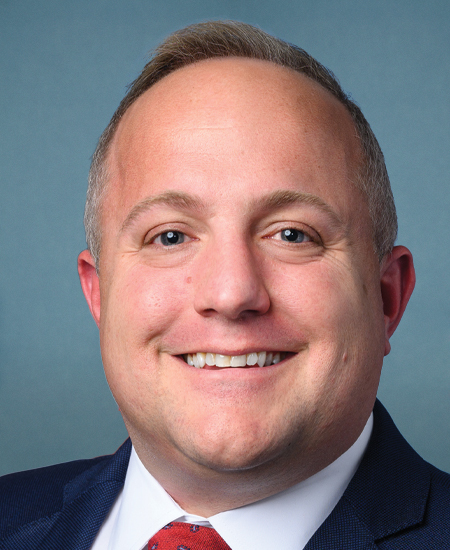






























































Full breakdown
Who this bill affects and the strongest case for and against it, written only from the bill’s own text.
Sponsors
Discoveries
Patterns POLISCOPE noticed across the record. These are observations to investigate, not conclusions.
Modernization of Surveillance
The bill explicitly authorizes the use of wastewater surveillance for drug detection, marking a shift toward data-driven, non-clinical monitoring in federal policy.
Connected Entities
Sources
www.congress.gov
Analysis Score
0–100- Significance85How much this matters to a regular citizen
- Controversy20Intensity of disagreement among stakeholders
- Entertainment5Compellingness for a non-policy-wonk reader
- Buzz40Current news / social attention level
Publisher tools