
The civic record
Read. Follow. Verify.Data to Save Moms Act (H.R. 8080)
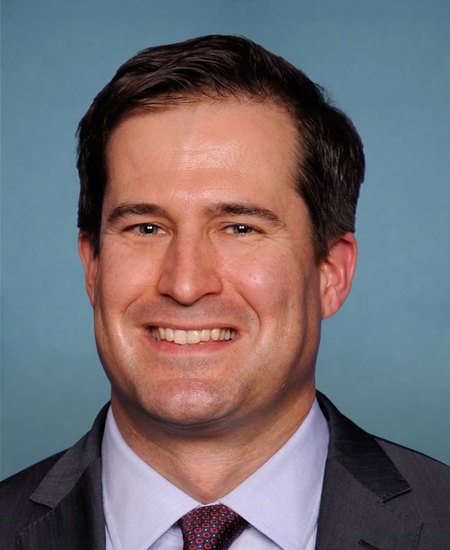
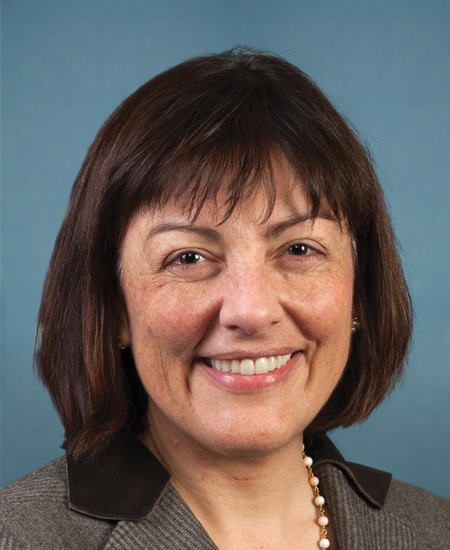
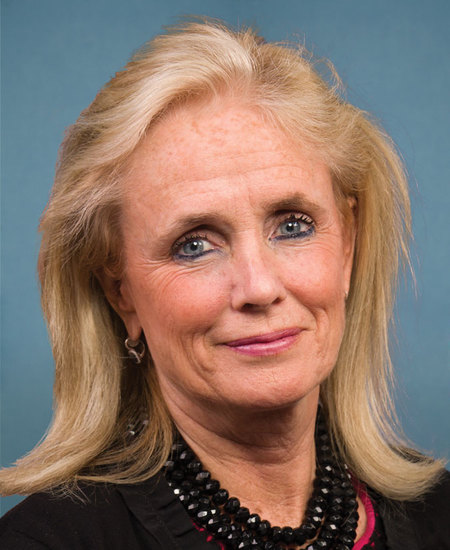
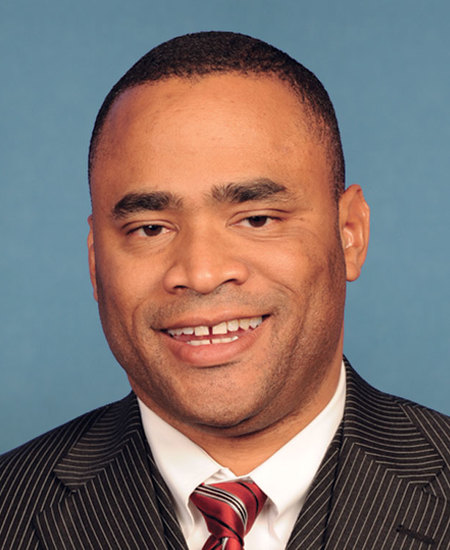
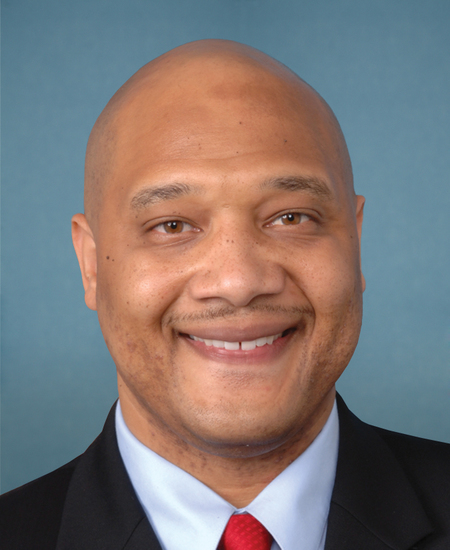
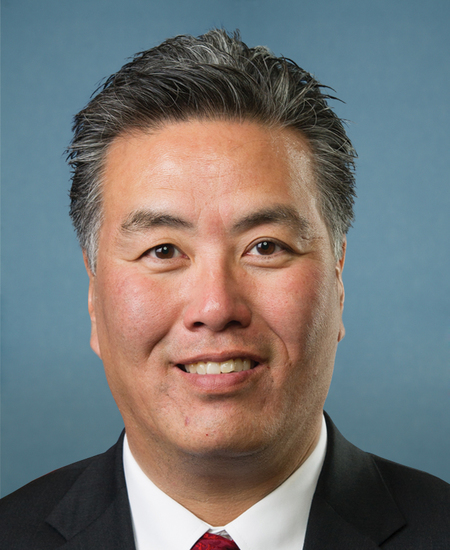
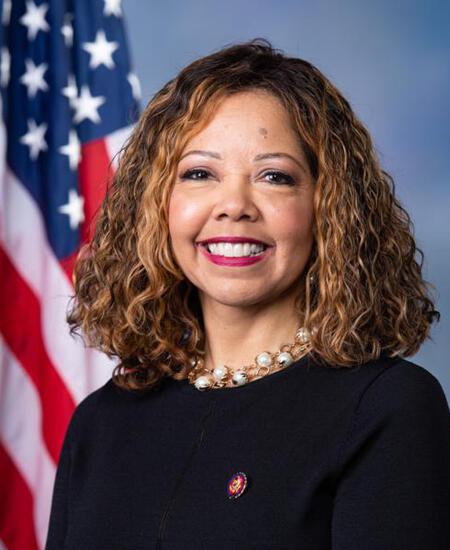
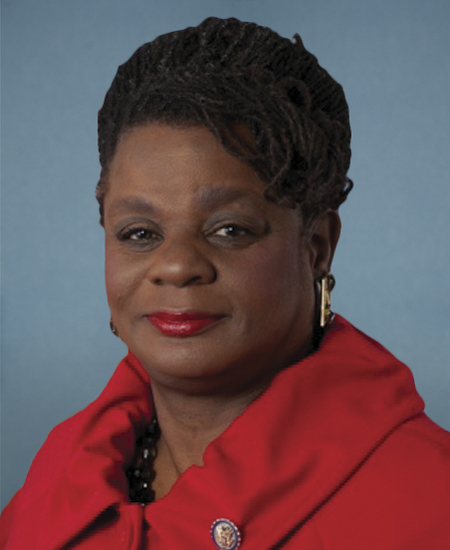
Last action · March 25, 2026: Referred to the Committee on Energy and Commerce, and in addition to the Committee on Natural Resources, for a period to be subsequently determined by the Speaker, in each case for consideration of such provisions as fall within the jurisdiction of the committee concerned.Sponsors: Sharice Davids and 45 others
Track this bill to get notified when it advances a stage. One tap to stop, anytime.
What This Bill Would Do
This bill proposes federal funding and new requirements to improve how states and tribes collect data on maternal deaths and severe pregnancy-related health complications. It aims to increase community involvement in maternal mortality review committees and expand the scope of cases reviewed to include mental health and substance use factors.
The bill authorizes $10 million annually from 2027 through 2031 for grants to help maternal mortality review committees diversify their membership and conduct community outreach, with $1.5 million of that amount reserved specifically for Tribal organizations.
Who It Would Affect
Groups the bill's text would affect if enacted, as described in the record. Being affected is not a position for or against it.
Maternal mortality review committees
These committees become eligible for new federal grants and face new requirements for membership diversity, community outreach, and reporting.
Pregnant and postpartum individuals
The bill mandates that committees seek input from these individuals and their families, particularly those from racial and ethnic minority groups.
Tribal organizations
These organizations are specifically named as eligible for a reserved portion of the grant funding.
Key Facts
- Authorizes $10 million in annual appropriations for fiscal years 2027 through 2031 for maternal mortality review committee grants.
- Reserves at least $1.5 million of the annual appropriation for Indian Tribes, Tribal organizations, or Urban Indian organizations.
- Requires grant-funded committees to prioritize diverse membership, including non-clinical members and those with personal experience with maternal mortality.
- Mandates that committees use funds to address participation barriers like training, transportation, and compensation for community members.
Show all 9 facts
- Requires committees to release public reports on their review processes and the impact of diversity and community engagement efforts.
- Expands the scope of maternal mortality reviews to include severe maternal morbidity cases.
- Expands the scope of reviews to include deaths from suicide, overdose, or mental health/substance use disorders occurring up to one year after pregnancy.
- Requires committees to consult with local community-based organizations to consider non-clinical factors in maternal deaths.
- Directs the Secretary of HHS to consult with stakeholders to recommend improvements to maternal health data collection and quality measures.
Frequently Asked Questions
What is a maternal mortality review committee?
How will this bill change the data collected on maternal deaths?
Who is eligible for the new grant funding?
What else do you want to know?
News Coverage
Follow the record
Votes, people, money & the original sourceWhere This Stands
Currently in committee. The next step in the legislative lifecycle is Floor Vote.
Procedural history
2 actions- Mar 25, 2026HouseCommitteeReferred to the Committee on Energy and Commerce, and in addition to the Committee on Natural Resources, for a period to be subsequently determined by the Speaker, in each case for consideration of such provisions as fall within the jurisdiction of the committee concerned.
- Mar 25, 2026HouseIntroducedIntroduced in House
Version history
Only one version on file - nothing to compare yet. As later stages (committee substitute, engrossed, enrolled) are captured, the redline appears here.
View official text →Full breakdown
Who this bill affects and the strongest case for and against it, written only from the bill’s own text.
Sponsors




Show 41 more sponsors






























Discoveries
Patterns POLISCOPE noticed across the record. These are observations to investigate, not conclusions.
Expansion of Review Scope
The bill marks a shift toward including non-clinical factors and mental health/substance use in maternal mortality reviews, moving beyond purely medical causes of death.
Connected Entities
Sources
www.congress.gov
Analysis Score
0–100- Significance65How much this matters to a regular citizen
- Controversy20Intensity of disagreement among stakeholders
- Entertainment5Compellingness for a non-policy-wonk reader
- Buzz30Current news / social attention level
Publisher tools